How to Troubleshoot Profile Dimension Inaccuracy in Aluminium Extrusion Production


Introduction to Precision in Aluminium Extrusion
In the competitive landscape of metal fabrication, maintaining strict dimensional tolerances is the hallmark of a high-quality production line. When you need to troubleshoot profile dimension inaccuracy in aluminium extrusion production, the complexity of the process requires a systematic approach. Aluminium extrusion is a delicate balance of thermal dynamics, mechanical pressure, and material science. Even minor deviations in the extrusion press setup can lead to significant variations in the final profile dimensions, resulting in wasted material and increased operational costs.
HARSLE understands that for manufacturers, precision is not just a requirement; it is a competitive advantage. Whether you are producing complex architectural profiles or standard industrial components, the ability to identify the root cause of dimensional drift is essential. This guide provides a comprehensive technical roadmap to help operators and engineers diagnose and rectify inaccuracies effectively.
The extrusion process involves forcing a heated aluminium billet through a shaped die. Because this process occurs under extreme heat and pressure, the variables influencing the final shape are numerous. From the temperature of the billet to the wear on the die, every element plays a role. By mastering the troubleshooting process, you ensure that your aluminium extrusion press operates at peak efficiency, delivering consistent results batch after batch.
This article serves as an industrial machinery guide for professionals looking to optimize their production lines. We will explore the mechanical, thermal, and material factors that contribute to dimensional instability. By following these structured troubleshooting steps, you can minimize downtime and ensure that your HARSLE equipment continues to meet the highest industry standards for precision and reliability.
Key Considerations for Dimensional Stability
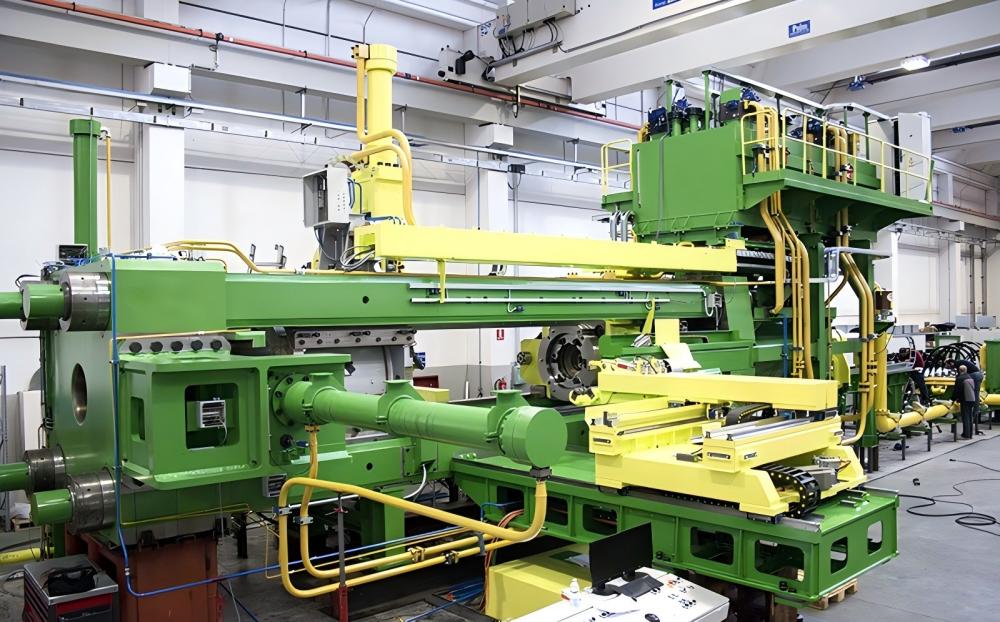
Before diving into complex mechanical adjustments, it is vital to establish a baseline for your production environment. Dimensional inaccuracy often stems from inconsistent process parameters. The first step to troubleshoot profile dimension inaccuracy in aluminium extrusion production is to verify that your input variables—specifically billet temperature and extrusion speed—are within the specified range for the alloy being processed.
Thermal expansion is a primary culprit in dimensional drift. Aluminium expands significantly when heated, and if the temperature profile of the billet is uneven, the flow characteristics through the die will change. This leads to variations in the profile’s cross-section. Ensure that your induction furnace or gas-fired oven is calibrated correctly and that the billet temperature is uniform throughout its length and cross-section.
Extrusion speed also directly impacts the pressure exerted on the die. If the speed is too high, the friction between the aluminium and the die increases, leading to localized heating and potential die deflection. This deflection can cause the profile to deviate from its intended dimensions. Operators should monitor the pressure gauges on their aluminium extrusion press closely to detect any spikes that might indicate excessive resistance or speed-related issues.
Finally, consider the role of the dummy block and the container. If the dummy block is worn or if the container liner has become ovalized, the pressure distribution during the extrusion stroke will be uneven. This uneven pressure causes the billet to flow inconsistently, which inevitably leads to dimensional inaccuracies in the profile. Regular inspection of these wear parts is a fundamental aspect of maintaining precision in any metal fabrication equipment.
Technical Details: Diagnosing Mechanical and Die Issues
When process parameters are confirmed to be within limits, the focus must shift to the mechanical components of the extrusion line. The die is the heart of the extrusion process, and even microscopic wear or debris buildup can cause significant dimensional errors. To troubleshoot profile dimension inaccuracy in aluminium extrusion production, you must perform a thorough inspection of the die assembly.
Die deflection is a common technical challenge. As the aluminium is forced through the die, the pressure can cause the die plate to bend slightly. If the die support or the bolster is not providing adequate rigidity, the profile will lose its intended shape. Check the die support system for signs of fatigue or misalignment. In many cases, upgrading to a higher-grade die steel or reinforcing the die stack can resolve persistent issues with profile distortion.
Another critical area is the alignment of the press components. The ram, the container, and the die must be perfectly coaxial. If the ram is slightly off-center, the pressure applied to the billet will be asymmetrical, causing the profile to “run” or twist as it exits the die. Use laser alignment tools to verify that the press axis is true. Even a deviation of a few millimeters can lead to cumulative errors that manifest as dimensional inaccuracy in the finished product.
Lubrication and surface finish also play a role. If the die surface is not properly polished or if the lubrication film is inconsistent, the friction between the aluminium and the die will vary. This friction variation changes the flow rate of the metal through different sections of the die, leading to uneven wall thickness. Ensure that your die maintenance protocol includes regular polishing and the use of high-quality lubricants designed for high-temperature aluminium extrusion applications.
Selection Advice for Reliable Extrusion Equipment
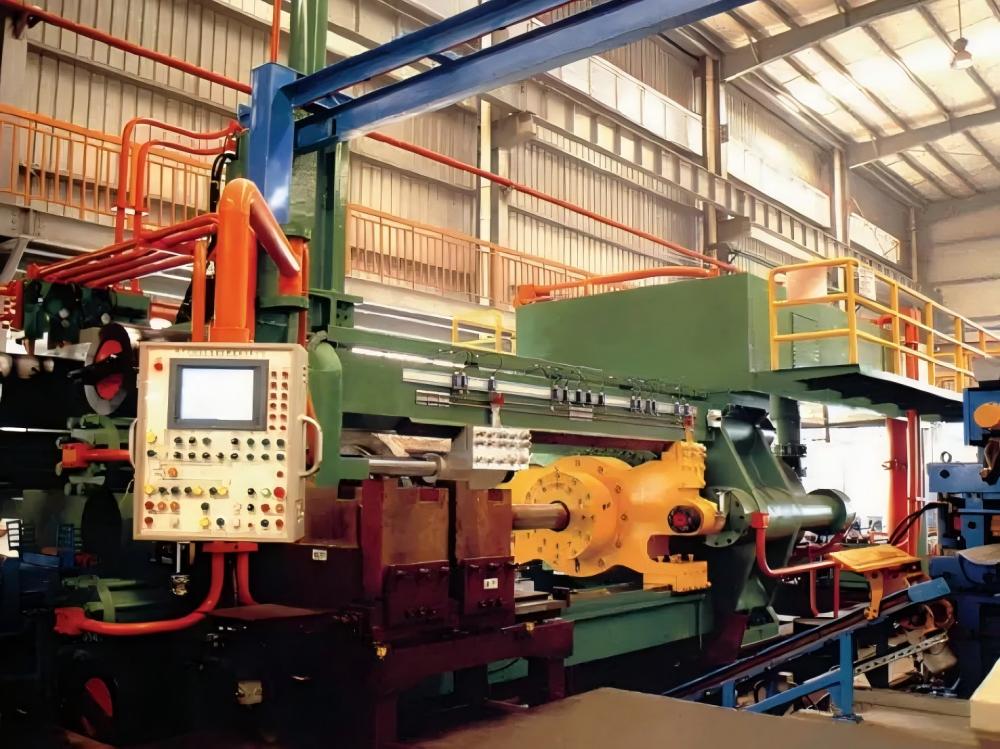
Choosing the right machinery is the first step in preventing dimensional inaccuracy. When investing in an aluminium extrusion press, prioritize equipment that features advanced control systems and robust structural design. HARSLE presses are engineered with high-stiffness frames that minimize deflection under load, which is a critical factor in maintaining dimensional integrity.
Look for machines that offer integrated process monitoring. Modern extrusion presses should provide real-time data on extrusion force, ram speed, and temperature. Having access to this data allows operators to troubleshoot profile dimension inaccuracy in aluminium extrusion production before it results in a large batch of scrap. Systems that offer automated speed control based on pressure feedback are particularly effective at maintaining consistent flow rates.
Consider the flexibility of the machine’s cooling system. The cooling rate of the profile as it exits the press significantly affects its final dimensions and mechanical properties. A press that allows for precise control over the quenching process—whether through air or water mist—will provide better dimensional stability for complex profiles. Ensure that the cooling table is properly aligned and that the tensioning equipment is capable of handling the profile without inducing stress-related deformation.
Finally, evaluate the availability of spare parts and technical support. Even the best machinery requires maintenance. Partnering with a manufacturer like HARSLE ensures that you have access to expert guidance and genuine replacement parts, which is essential for long-term operational success. When selecting equipment, prioritize manufacturers who provide comprehensive training for your operators, as human error remains a significant factor in dimensional inaccuracy.
Liste de contrôle de dépannage : Une approche étape par étape
To effectively troubleshoot profile dimension inaccuracy in aluminium extrusion production, follow this structured checklist to isolate the root cause:
- Step 1: Verify Billet Temperature. Use an infrared thermometer to check the temperature at multiple points on the billet. Ensure it matches the alloy-specific requirements.
- Step 2: Inspect the Die. Examine the die for wear, cracks, or debris. Check the die bearing length and ensure the surface finish is optimal.
- Step 3: Check Press Alignment. Use laser alignment tools to ensure the ram, container, and die are perfectly centered.
- Step 4: Monitor Extrusion Speed. Compare current speed settings against historical data for the specific profile. Reduce speed if pressure spikes are observed.
- Step 5: Evaluate the Dummy Block. Check for wear on the dummy block and ensure it provides a proper seal against the container liner.
- Step 6: Review Cooling Parameters. Ensure the cooling table is set to the correct temperature and that the profile is being pulled with the correct amount of tension.
- Step 7: Analyze Material Quality. Verify that the aluminium billet composition meets the required specifications, as impurities can affect flow characteristics.
By systematically working through these steps, you can identify whether the issue is thermal, mechanical, or material-related. Documenting each step of the troubleshooting process will help you build a knowledge base that makes future issues easier to resolve.
FAQ: Common Questions on Extrusion Accuracy
Why does my profile wall thickness vary?
Wall thickness variation is typically caused by uneven metal flow through the die. This can be due to die wear, improper die heating, or asymmetrical pressure from the ram. Check the die bearing lengths and ensure the die is properly supported.
How does billet temperature affect dimensions?
Aluminium becomes more plastic as it heats up. If the billet is too hot, it flows faster and may cause the profile to expand beyond tolerances. If it is too cold, the pressure required to extrude it increases, which can lead to die deflection and dimensional distortion.
Can the cooling process cause inaccuracy?
Yes. If the profile is cooled unevenly, it will shrink at different rates, leading to warping or twisting. Ensure that your cooling system provides a uniform airflow or water spray across the entire profile.
How often should I check my press alignment?
Alignment should be checked during every major maintenance interval, or whenever you notice a consistent trend of dimensional inaccuracy that cannot be corrected by die adjustments. For high-volume production, quarterly checks are recommended.
Conclusion
Maintaining dimensional accuracy in aluminium extrusion is a continuous process of monitoring, adjustment, and maintenance. To troubleshoot profile dimension inaccuracy in aluminium extrusion production, you must look beyond the surface and understand the interplay between thermal, mechanical, and material variables. By utilizing high-quality equipment like the HARSLE aluminium extrusion press and adhering to a rigorous maintenance schedule, you can ensure that your production line remains both precise and profitable.
Remember that the most effective troubleshooting is proactive. By investing in operator training, using advanced monitoring tools, and performing regular inspections, you can prevent inaccuracies before they occur. Precision is the foundation of quality in metal fabrication, and with the right approach, your facility can achieve the highest levels of consistency and excellence in the industry.