Why Is My Hammer Shredder Vibrating Excessively? Troubleshooting Guide


Introduction: Understanding Shredder Vibration
In the demanding world of metal fabrication and recycling, the hammer shredder stands as a cornerstone of efficiency. However, operators often ask, “Is my hammer shredder vibrating excessively? Troubleshooting guide protocols are essential to maintaining operational integrity.” Excessive vibration is not merely a nuisance; it is a critical warning sign that your industrial machinery is under duress. When a high-speed rotor system deviates from its balanced state, the resulting kinetic energy can cause catastrophic failure if left unaddressed.
At HARSLE, we emphasize that understanding the root cause of vibration is the first step toward extending the lifespan of your equipment. Whether you are processing scrap metal, automotive components, or industrial waste, the shredder must operate within specific tolerance levels. Vibration is the machine’s way of communicating internal distress, ranging from simple debris buildup to complex mechanical fatigue. This guide provides a comprehensive look at why these issues occur and how to resolve them systematically.
Ignoring vibration leads to accelerated bearing wear, structural cracking, and potential safety hazards for your facility staff. By implementing a proactive maintenance schedule and understanding the mechanical nuances of your hammer shredder, you can prevent costly downtime. This article serves as a technical roadmap for maintenance managers and operators to diagnose and rectify vibration issues effectively.
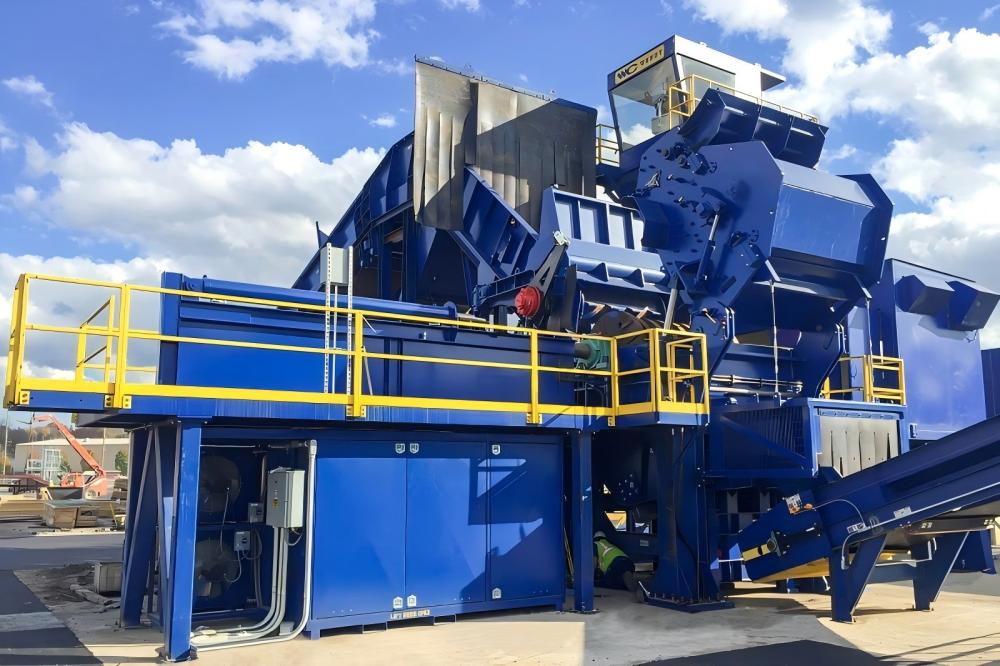
Key Considerations for Vibration Diagnosis
When you find yourself asking, “Is my hammer shredder vibrating excessively? Troubleshooting guide steps must begin with a visual and auditory inspection.” Before diving into the internal components, observe the machine during its startup and shutdown phases. Vibration that occurs only at specific RPMs often points to resonance issues, while vibration that persists throughout the entire operation suggests a mechanical imbalance or foundation problem.
Foundation stability is frequently overlooked in industrial settings. If the shredder is not anchored to a reinforced concrete pad with the correct vibration-dampening mounts, the energy generated by the shredding process will transfer directly into the floor. Over time, this can cause the mounting bolts to loosen, further exacerbating the vibration. Always check the torque on your anchor bolts as part of your routine maintenance checklist.
Another key consideration is the feed rate and material consistency. Hammer shredders are designed for specific throughput capacities. If the feed mechanism is inconsistent or if the material being processed contains non-shreddable items—such as hardened steel alloys or large solid blocks—the rotor will experience sudden, violent impacts. These impacts translate into shockwaves that the machine frame must absorb, leading to noticeable vibration.
Environmental factors also play a role. If the shredder is located in an area with high ambient temperature or significant dust accumulation, the cooling systems and lubrication points may be compromised. Dust buildup on the rotor or within the housing can create an uneven mass distribution, leading to centrifugal imbalance. Keeping the machine clean is not just about aesthetics; it is a fundamental requirement for vibration control.
Technical Details: The Mechanics of Imbalance
The rotor assembly is the heart of your hammer shredder. When asking, “Is my hammer shredder vibrating excessively? Troubleshooting guide procedures must focus on the rotor’s mass distribution.” If the hammers are worn unevenly, the rotor loses its center of gravity. Because these machines operate at high rotational speeds, even a few grams of weight discrepancy can result in massive centrifugal forces that shake the entire chassis.
Bearing failure is a common secondary symptom of vibration. When a bearing begins to fail, it develops internal clearances that allow the shaft to “wobble” slightly. This wobble creates a feedback loop: the vibration causes the bearing to degrade faster, and the degraded bearing causes more vibration. Using vibration analysis tools, such as accelerometers, can help you detect the specific frequency of bearing wear before it leads to a total seizure.
The coupling between the motor and the shredder must also be inspected. If the alignment is off by even a fraction of a degree, the motor will transmit torsional vibration to the shredder shaft. Laser alignment tools are the industry standard for ensuring that the motor and shredder are perfectly concentric. Misalignment is a silent killer of industrial machinery, often manifesting as vibration that operators mistakenly attribute to the shredder itself.
Finally, consider the condition of the hammers and the grate. If hammers are missing or broken, the rotor is no longer balanced. Furthermore, if the grate is clogged or damaged, the material cannot exit the chamber efficiently, leading to a buildup of material inside the shredding zone. This “cushioning” effect can cause the hammers to bounce and strike the housing, creating a rhythmic, heavy vibration that is distinct from high-frequency mechanical noise.
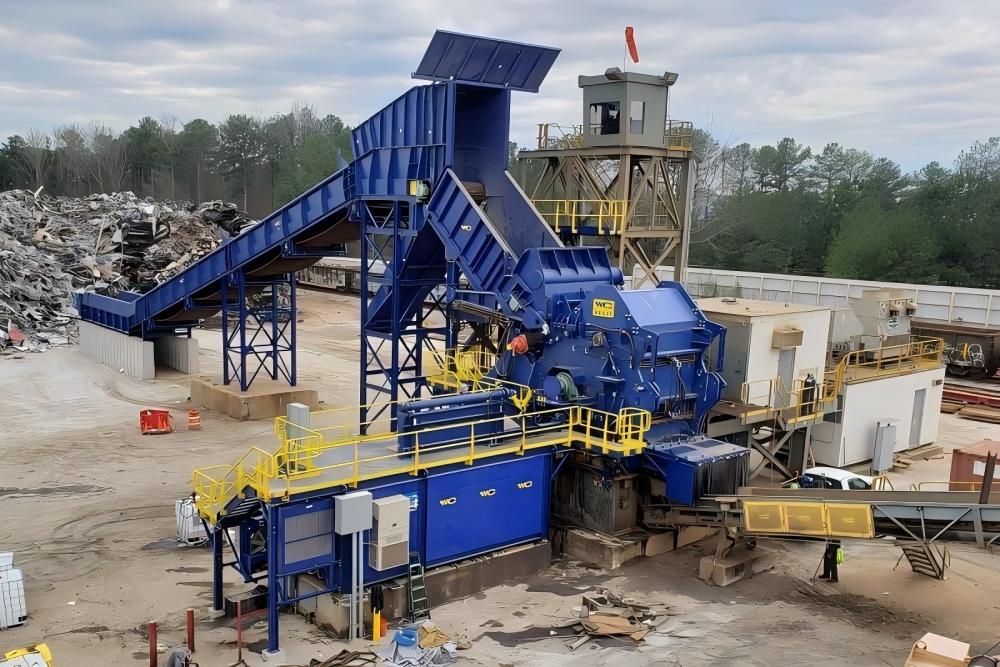
Selection Advice: Preventing Vibration Through Design
When investing in new metal fabrication equipment, preventing vibration starts at the procurement stage. A high-quality hammer shredder should feature a heavy-duty, stress-relieved frame designed to absorb operational shock. When evaluating potential machines, look for manufacturers who prioritize dynamic balancing of the rotor assembly. A rotor that has been precision-balanced at the factory will have a significantly longer service life.
Consider the drive system. Direct-drive systems are often more efficient but require precise alignment. Belt-driven systems can offer some vibration isolation, but they require regular tensioning. If your facility processes highly variable materials, a variable frequency drive (VFD) can be an excellent investment. A VFD allows you to adjust the rotor speed to match the material density, which can help you avoid the resonant frequencies that cause excessive vibration.
Maintenance accessibility is another critical factor. A machine that is difficult to clean or inspect will inevitably suffer from poor maintenance. Choose a shredder with easy-access doors and modular components. This ensures that your team can quickly inspect the hammers, check the bearings, and clear the chamber without significant downtime. HARSLE designs its equipment with the operator in mind, ensuring that routine checks are straightforward and efficient.
Finally, always consult with the manufacturer regarding the specific application. A shredder designed for aluminum cans will not perform the same way when processing heavy steel scrap. Using the right machine for the right job is the most effective way to prevent the mechanical stress that leads to vibration. Be transparent about your material throughput and composition when requesting a quote from your machinery supplier.
Troubleshooting Checklist: Is My Hammer Shredder Vibrating Excessively?
If you are currently experiencing issues, follow this systematic troubleshooting guide to isolate the problem:
- Step 1: Visual Inspection. Check for loose bolts, damaged housing, or missing hammers.
- Step 2: Material Flow. Ensure the feed rate is consistent and the material is within the machine’s specifications.
- Step 3: Bearing Check. Use a thermal camera or vibration sensor to check for hot spots or irregular frequencies in the bearing housings.
- Step 4: Alignment. Verify the motor-to-shredder coupling alignment using laser tools.
- Step 5: Rotor Balance. If the machine is empty and still vibrates, the rotor likely requires re-balancing or the hammers need to be replaced as a set.
- Step 6: Foundation. Inspect the anchor bolts and the concrete pad for cracks or movement.
By following these steps, you can categorize the vibration as either external (foundation/alignment) or internal (rotor/bearings/debris). This distinction is vital for determining whether you need a maintenance technician or a structural engineer to resolve the issue.
FAQ: Common Questions About Shredder Vibration
How often should I check my hammer shredder for vibration?
We recommend a daily visual inspection and a monthly vibration analysis using specialized sensors. If the machine is running 24/7, more frequent checks are advised.
Can I run the shredder if it is vibrating slightly?
Minor vibration is normal in heavy-duty shredding. However, if the vibration is increasing over time or is accompanied by unusual noise, you should stop the machine and investigate immediately.
Why does my shredder vibrate more when it is empty?
This is often a sign of a rotor imbalance. When the machine is full, the material provides a dampening effect. When empty, the imbalance is more pronounced.
What is the most common cause of excessive vibration?
In most cases, it is either uneven hammer wear or a buildup of material on the rotor assembly.
Conclusion
Addressing the question, “Is my hammer shredder vibrating excessively? Troubleshooting guide protocols are your best defense against premature equipment failure. By maintaining a clean machine, ensuring proper rotor balance, and verifying the integrity of your foundation, you can keep your HARSLE hammer shredder running at peak performance for years to come. Vibration is a signal—listen to it, diagnose it, and resolve it to keep your production line moving efficiently.
Remember that industrial machinery is a long-term investment. Regular maintenance, proper operator training, and the use of high-quality replacement parts are the hallmarks of a successful metal fabrication facility. If you are ever in doubt about the source of your machine’s vibration, do not hesitate to contact the HARSLE support team for expert guidance and technical assistance.