Four-Shaft Shredder Feed Problems: How to Restore Smooth Material Feeding


Introduction to Four-Shaft Shredder Feed Problems
In the demanding world of industrial waste management and metal fabrication, the four-shaft shredder stands as a cornerstone of efficiency. Designed to process complex materials ranging from bulky scrap metal to hazardous electronic waste, these machines rely on a precise synchronization of four rotating shafts to achieve high-torque reduction. However, operators frequently encounter Four-Shaft Shredder Feed Problems: Restore Smooth Material Feeding, which can lead to significant downtime and reduced throughput if not addressed with technical precision.
Understanding the mechanics of a four-shaft shredder is the first step toward maintaining operational excellence. Unlike two-shaft systems, the four-shaft configuration utilizes two primary cutting shafts and two secondary screen-sizing shafts. This dual-stage process ensures a uniform output size, but it also creates a more complex feeding environment. When material flow is interrupted, it is rarely due to a single failure point; rather, it is often a combination of mechanical wear, material characteristics, and system settings.
Restoring smooth material feeding requires a systematic approach to diagnostics. Whether you are dealing with bridging, where material arches over the cutting chamber, or inconsistent intake speeds, the solution lies in identifying the root cause within the feed hopper, the cutting chamber, or the discharge system. This guide provides a comprehensive look at how HARSLE-grade industrial equipment can be optimized to ensure continuous, high-performance operation.
By addressing these challenges proactively, facility managers can extend the lifespan of their equipment and maximize return on investment. In the following sections, we will explore the technical nuances of shredder feeding, the common pitfalls that lead to blockages, and the maintenance strategies required to keep your production line moving without interruption.
Key Considerations for Optimal Shredder Performance
The primary factor in preventing Four-Shaft Shredder Feed Problems is the management of material density and geometry. Industrial shredders are engineered for specific load capacities; when operators feed oversized or excessively dense materials, the system’s torque sensors may trigger an auto-reverse function. While this is a safety feature, frequent reversing disrupts the feeding cycle and leads to material buildup at the intake point.
Another critical consideration is the moisture content and surface friction of the input material. Materials that are oily or wet can create a ‘slip’ condition, where the blades fail to grab the material effectively. Conversely, high-friction materials may cause the shredder to ‘choke’ if the feed rate exceeds the processing capacity of the cutting chamber. Balancing the feed rate with the shredder’s motor load is essential for maintaining a steady state of operation.
Environmental factors also play a role in feed consistency. In cold climates, lubricants can thicken, and materials may become brittle or frozen, changing their shredding characteristics. Ensuring that the shredder is housed in a climate-controlled environment or that the hydraulic systems are equipped with appropriate heating elements can prevent the sluggish performance that often precedes a total feed failure.
Finally, the human element cannot be ignored. Proper operator training is the most effective tool for preventing feed problems. Operators must be taught to recognize the auditory and visual cues of a struggling shredder. By monitoring the ammeter on the control panel, an operator can adjust the feed conveyor speed in real-time, preventing the machine from reaching a stall point and ensuring that the material enters the chamber at an optimal, consistent rate.
Technical Details: Troubleshooting and Restoration
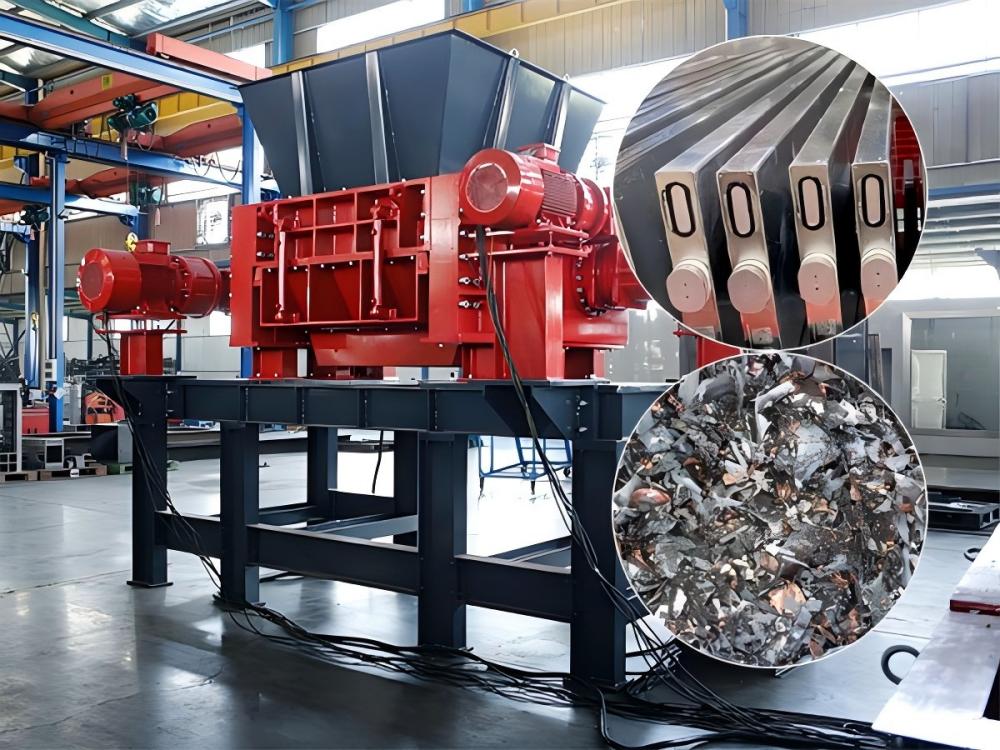
When you are faced with Four-Shaft Shredder Feed Problems: Restore Smooth Material Feeding, the first technical area to inspect is the cutting chamber geometry. Over time, the teeth on the four shafts can become rounded or chipped. When the teeth lose their sharpness, they lose their ability to ‘bite’ into the material, causing it to ride on top of the shafts rather than being pulled into the cutting zone. Replacing or hard-facing these cutters is a standard maintenance procedure that restores the aggressive intake required for efficient shredding.
The second technical area involves the screen sizing system. If the discharge screen is clogged or if the gap between the screen and the shafts is improperly calibrated, material will accumulate in the lower chamber. This backpressure prevents new material from entering the cutting zone, effectively stalling the feed. Regularly clearing the screen and ensuring the clearance is set to the manufacturer’s specifications for the specific material type is vital for maintaining flow.
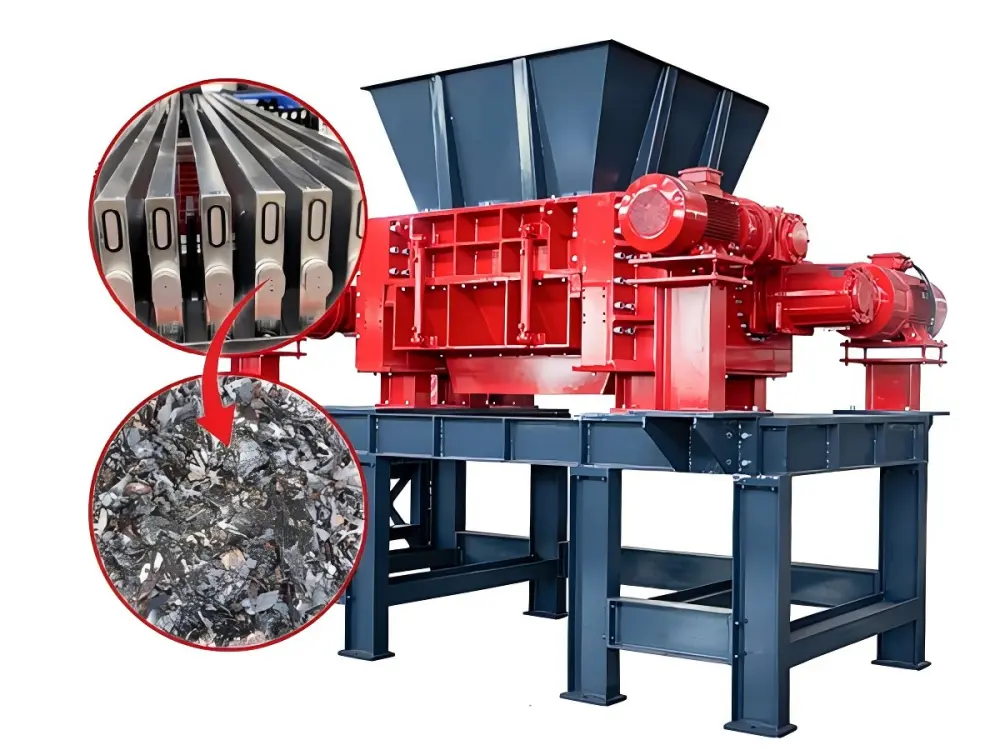
Hydraulic pressure settings should also be audited. Many four-shaft shredders utilize hydraulic rams to push material into the cutting chamber. If the ram pressure is too low, the material will not be forced into the blades, leading to bridging. If the pressure is too high, the machine may experience excessive wear or frequent motor trips. Fine-tuning the ram pressure based on the material density—such as using lower pressure for light plastics and higher pressure for heavy metal scrap—is a hallmark of professional shredder management.
Electrical synchronization is the final technical frontier. The four shafts must rotate at specific relative speeds to ensure the material is pulled downward. If the drive chains or gearboxes are worn, the shafts may fall out of sync, creating ‘dead zones’ where material cannot be processed. Periodic inspection of the drive train, including tensioning chains and checking gearbox oil levels, ensures that the mechanical energy is efficiently transferred to the cutting shafts, maintaining the downward force necessary for smooth feeding.
Selection Advice: Choosing the Right Shredder for Your Needs
Selecting the right equipment is the best way to avoid Four-Shaft Shredder Feed Problems before they start. When purchasing a shredder, consider the ‘feed opening’ size relative to the largest piece of material you intend to process. A common mistake is selecting a machine with an intake that is too narrow, which forces operators to manually break down materials, increasing labor costs and creating potential bottlenecks at the feed point.
Consider the torque-to-speed ratio. For high-density metal fabrication waste, a high-torque, low-speed shredder is superior. These machines are less likely to experience feed problems because they can process dense materials without stalling. Conversely, for high-volume, low-density materials like paper or thin plastics, a higher-speed machine may be more appropriate. Matching the machine’s torque profile to your specific waste stream is the most effective way to ensure long-term reliability.
Look for advanced control systems that feature ‘intelligent feeding.’ Modern HARSLE shredders come equipped with PLC-based controls that automatically adjust the feed conveyor speed based on the current draw of the shredder motor. This automation removes the guesswork from the operator’s role and ensures that the machine is always running at its maximum safe capacity, preventing both under-feeding and over-feeding scenarios.
Finally, evaluate the availability of spare parts and the ease of maintenance. A shredder that requires a full disassembly to replace a single blade is a liability. Choose designs that offer modular cutter stacks, allowing for quick replacement of individual components. This modularity ensures that when a feed problem does occur, you can restore the machine to full operation in hours rather than days, minimizing the impact on your production schedule.
Foire aux questions (FAQ)
Why does my four-shaft shredder keep reversing?
Frequent reversing is usually triggered by the PLC when the motor detects an overload. This is often caused by feeding material that is too thick, too hard, or by a buildup of material in the discharge screen. Check your material size and ensure the discharge area is clear.
How often should I sharpen the shredder blades?
Sharpening frequency depends on the abrasiveness of the material. For metal fabrication scrap, inspect the blades every 500–1,000 operating hours. If you notice a decrease in intake speed, it is likely time for maintenance.
What is ‘bridging’ and how do I stop it?
Bridging occurs when material forms an arch over the shafts, preventing it from falling into the cutting zone. This is often caused by light, bulky material. Using a hydraulic ram or a mechanical agitator in the hopper can break these arches and restore flow.
Can I shred mixed materials in a four-shaft shredder?
Yes, but you must adjust your feed rate and potentially your screen size. Mixed materials often have varying densities, which can lead to inconsistent feeding. A steady, controlled feed rate is more important when processing heterogeneous waste.
Conclusion
Mastering the operation of a four-shaft shredder is a blend of mechanical knowledge and proactive maintenance. By understanding the root causes of Four-Shaft Shredder Feed Problems: Restore Smooth Material Feeding, operators can transform a struggling production line into a high-efficiency recycling powerhouse. Whether it is through sharpening blades, adjusting hydraulic ram pressure, or utilizing intelligent PLC controls, the goal remains the same: consistent, uninterrupted material flow.
Remember that the longevity of your industrial machinery is directly proportional to the care you invest in it. Regular inspections, proper operator training, and the selection of high-quality, modular equipment are the pillars of a successful shredding operation. By following the guidelines outlined in this article, you can minimize downtime, reduce operational costs, and ensure that your HARSLE equipment continues to perform at the highest level for years to come.
If you continue to experience persistent feeding issues, it may be time to consult with a professional technician to evaluate the structural integrity of your drive train or the calibration of your control systems. Investing in the health of your shredder is an investment in the productivity of your entire metal fabrication facility.