Four-Shaft Shredder Overheating Issues: Troubleshooting Guide for Operators


Introduction to Four-Shaft Shredder Overheating Issues
In the demanding world of metal fabrication and industrial waste management, the four-shaft shredder stands as a cornerstone of efficiency. These robust machines are engineered to handle high-volume, high-density materials, but like any complex mechanical system, they are susceptible to operational challenges. Among the most critical concerns for facility managers and operators is the phenomenon of overheating. When a four-shaft shredder begins to exceed its optimal operating temperature, it signals an underlying issue that, if left unaddressed, can lead to catastrophic component failure, costly downtime, and significant repair expenses.
Understanding the root causes of Four-Shaft Shredder Overheating Issues: Troubleshooting Operators is essential for maintaining a productive workflow. Overheating is rarely the result of a single factor; rather, it is usually a symptom of a systemic imbalance within the machine’s mechanical, electrical, or hydraulic subsystems. By mastering the diagnostic process, operators can transition from reactive emergency repairs to proactive, preventative maintenance, ensuring that their HARSLE equipment continues to perform at peak capacity throughout its service life.
This guide serves as a comprehensive resource for operators tasked with the daily management of industrial shredding equipment. We will explore the technical nuances of heat generation in shredders, the environmental factors that exacerbate these issues, and the specific troubleshooting steps required to restore thermal stability. Whether you are dealing with motor strain, lubrication failures, or material-specific challenges, this guide provides the technical depth required to keep your operations running smoothly.

Key Considerations for Thermal Management
Thermal management in a four-shaft shredder is not merely about keeping the motor cool; it is about maintaining the integrity of the entire drive train. The shredding process involves immense torque and friction, both of which are natural heat generators. However, when the heat generated exceeds the machine’s cooling capacity, the lubricant viscosity drops, seals begin to degrade, and electrical components face increased resistance. Recognizing the early warning signs of overheating—such as unusual odors, audible strain, or erratic performance—is the first line of defense for any operator.
One of the primary considerations is the duty cycle of the machine. Industrial shredders are designed for specific throughput rates. When operators push the machine beyond its rated capacity, the motor and gearboxes work harder, generating heat at an exponential rate. It is vital to monitor the load meters and ensure that the feed rate is consistent with the material density. Overloading is the most common cause of thermal spikes, and it is entirely preventable through proper operator training and load management protocols.
Environmental factors also play a significant role in thermal stability. Industrial facilities can be harsh environments, often characterized by high ambient temperatures, dust accumulation, and poor ventilation. If the shredder’s cooling fans are clogged with debris or if the surrounding air temperature is consistently high, the heat dissipation efficiency of the machine drops significantly. Operators must ensure that the area around the shredder is kept clean and that air intake vents are unobstructed to allow for maximum airflow.
Finally, the quality and condition of the lubricant are paramount. Lubricants serve a dual purpose: reducing friction between moving parts and acting as a heat transfer medium. Over time, lubricants break down, lose their viscosity, and become contaminated with metal shavings or dust. This degradation reduces their ability to dissipate heat effectively. Regular oil analysis and adherence to the manufacturer’s recommended change intervals are non-negotiable aspects of preventing Four-Shaft Shredder Overheating Issues: Troubleshooting Operators.
Technical Details of Shredder Overheating
To effectively troubleshoot overheating, one must understand the mechanical interaction between the four shafts. Unlike two-shaft shredders, the four-shaft design utilizes a complex arrangement of primary and secondary shafts to achieve a finer output. This complexity means there are more points of potential friction. If the shafts are not perfectly aligned, or if the cutter teeth are worn unevenly, the motor must exert significantly more force to pull material through the cutting chamber. This increased force translates directly into heat.
The electrical system is another critical area of concern. If the motor is drawing excessive current, it may be due to a mechanical bind or an electrical fault such as a failing capacitor or a loose connection. Operators should use an ammeter to monitor the current draw during operation. If the current consistently exceeds the rated full-load amps (FLA), the motor will inevitably overheat. This is often a sign that the shredder is processing material that is too hard or too large for the current cutter configuration, necessitating a review of the material feed process.
Hydraulic systems, if present in the shredder’s drive or auxiliary functions, are highly sensitive to temperature. Hydraulic fluid that is too hot will lose its lubricating properties, leading to increased wear on pumps and valves. This creates a vicious cycle: the heat causes wear, and the wear causes more heat. Operators should check the hydraulic oil cooler regularly. If the cooler is blocked or if the fan is not functioning, the hydraulic system will quickly reach critical temperatures, triggering safety shutdowns.
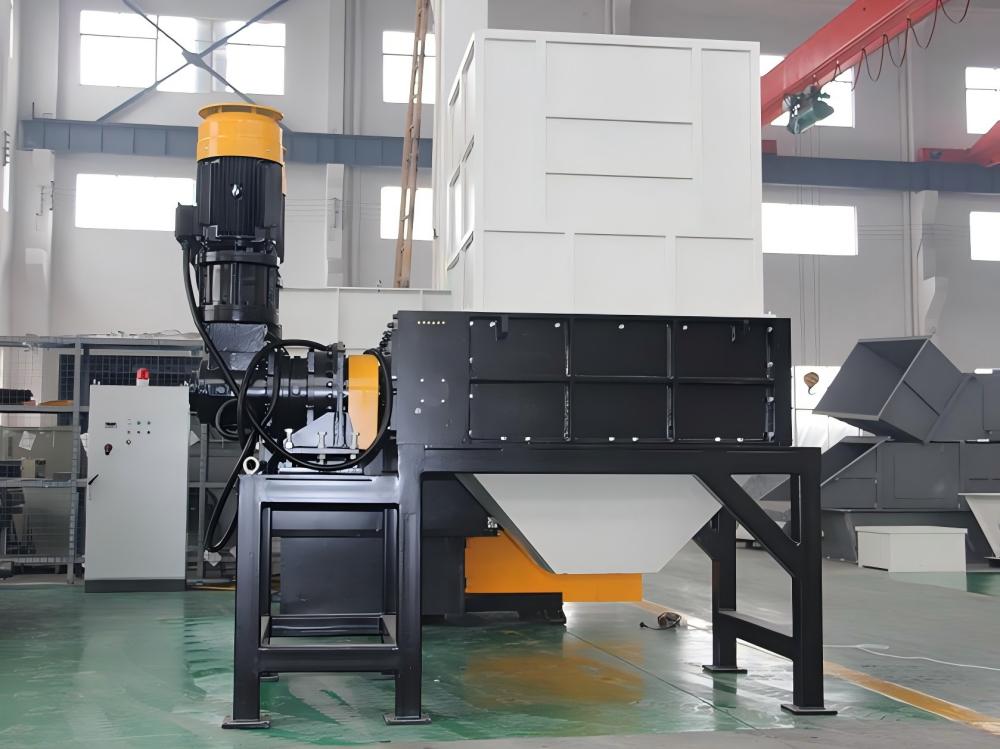
Furthermore, the cutting chamber itself must be inspected for material buildup. Sometimes, small pieces of metal or debris can become wedged between the shafts or between the shafts and the housing. This creates a constant drag on the system. Even if the machine continues to operate, the motor is working against this resistance, leading to a steady climb in temperature. A thorough inspection of the cutting chamber during scheduled downtime is essential to identify and remove these hidden obstructions.
Selection Advice for Long-Term Reliability
When selecting a four-shaft shredder, the most effective way to prevent overheating is to choose a machine that is appropriately sized for the application. Many overheating issues stem from the selection of a machine that is underpowered for the intended material. If your facility processes high-tensile steel or heavy-duty scrap, you must invest in a shredder with a robust drive train and a motor capable of handling the peak torque requirements of that specific material. HARSLE provides detailed specifications for each model, and consulting with our technical team during the procurement phase is the best way to ensure long-term thermal stability.
Consider the cooling system options available for your specific model. Some high-performance shredders come equipped with advanced liquid cooling systems for the gearboxes and motors. While these represent a higher initial investment, they provide a significant buffer against overheating in high-ambient-temperature environments. If your facility is located in a region with extreme heat or if the shredder will be running 24/7, these cooling upgrades are well worth the cost.
Another factor to consider is the cutter design. Different materials require different tooth geometries. Using a cutter designed for plastic to shred metal will result in poor cutting efficiency, increased friction, and ultimately, overheating. Ensure that your shredder is equipped with the correct cutter profile for your primary material stream. HARSLE offers a variety of cutter configurations, and our experts can help you select the one that minimizes mechanical strain while maximizing throughput.
Finally, look for machines with integrated diagnostic sensors. Modern HARSLE shredders often include temperature sensors on the motor, gearboxes, and hydraulic reservoirs. These sensors can be integrated into your facility’s PLC (Programmable Logic Controller) to provide real-time alerts before the machine reaches a critical temperature. Investing in a machine with these monitoring capabilities allows operators to intervene early, preventing the overheating issues that lead to major component failure.
FAQ: Troubleshooting Common Shredder Issues
Q: Why does my shredder motor get hot even when it’s not fully loaded?
A: This is often caused by mechanical resistance, such as misaligned shafts, worn bearings, or debris trapped in the cutting chamber. It could also indicate an electrical issue, such as a failing motor winding or a loose connection causing high resistance.
Q: How often should I check the hydraulic oil temperature?
A: In a high-production environment, hydraulic oil temperature should be monitored daily. If you notice the temperature consistently rising above the manufacturer’s recommended range, check the oil cooler for debris and ensure the cooling fan is operational.
Q: Can the type of material I shred cause overheating?
A: Absolutely. Shredding material that is harder or thicker than the machine’s design specifications will cause the motor to draw more current and generate more heat. Always ensure your material feed is consistent with the shredder’s rated capacity.
Q: What is the first step when the shredder triggers a thermal shutdown?
A: Immediately stop the feed, allow the machine to cool down naturally, and perform a visual inspection of the cutting chamber for obstructions. Do not attempt to restart the machine until the temperature has returned to the safe operating range and the cause of the spike has been identified.
Q: Does poor lubrication contribute to overheating?
A: Yes. Lubricants reduce friction. When oil levels are low or the oil has degraded, friction increases significantly, leading to rapid heat buildup in the gearboxes and bearings.
Conclusion: Maintaining Operational Excellence
Managing Four-Shaft Shredder Overheating Issues: Troubleshooting Operators is a critical skill for any professional in the metal fabrication industry. By understanding the relationship between mechanical load, electrical current, and thermal dissipation, operators can ensure that their HARSLE equipment remains a reliable asset rather than a source of frustration. The key to success lies in a combination of rigorous preventative maintenance, proper material management, and an acute awareness of the machine’s operating parameters.
Remember that overheating is a symptom, not the disease. By treating the root cause—whether it be a clogged air vent, a worn bearing, or an overloaded feed system—you extend the life of your machinery and protect your company’s bottom line. HARSLE is committed to providing not only the highest quality metal fabrication equipment but also the knowledge and support necessary to keep that equipment running at its best. If you encounter persistent thermal issues that cannot be resolved through standard troubleshooting, do not hesitate to reach out to our technical support team for expert guidance.
As you continue to refine your maintenance protocols, keep this guide as a reference. Regular inspections, clean environments, and proactive monitoring are the hallmarks of a well-run facility. By prioritizing these practices, you ensure that your four-shaft shredder continues to deliver the precision and power required for your most demanding projects, day after day.