What to Do When a Double-Shaft Shredder Overheats During Operation: A Comprehensive Maintenance Guide


Introduction: Understanding Thermal Stress in Industrial Shredders
In the demanding world of metal fabrication and waste management, the double-shaft shredder stands as a cornerstone of efficiency. These robust machines are engineered to handle high-volume reduction tasks, from scrap metal to complex industrial waste. However, even the most durable HARSLE equipment can encounter operational hurdles. One of the most critical issues operators face is thermal overload. Knowing exactly what to do when a double-shaft shredder overheats during operation is not just a matter of convenience; it is a vital safety and maintenance protocol that protects your capital investment.
Overheating is rarely a singular event; it is usually a symptom of an underlying mechanical, electrical, or operational imbalance. When a machine begins to exceed its designed thermal threshold, the internal components—specifically the bearings, motor windings, and gearboxes—are subjected to accelerated wear. If left unaddressed, this can lead to catastrophic failure, resulting in costly downtime and expensive repairs. This guide aims to provide a systematic approach to diagnosing and resolving these thermal issues effectively.
As an operator or facility manager, your first priority when you notice a temperature spike is to initiate a controlled shutdown. Never attempt to force the machine to complete a cycle if the motor is emitting a burning odor or if the thermal protection relay has tripped. By understanding the root causes of heat generation, you can transition from reactive troubleshooting to proactive maintenance, ensuring the longevity of your shredding equipment.
This article will walk you through the technical nuances of thermal management in double-shaft shredders. We will explore the mechanical friction points, electrical load factors, and environmental considerations that contribute to overheating. By following these HARSLE-approved guidelines, you will be better equipped to maintain peak performance and operational safety in your metal fabrication facility.
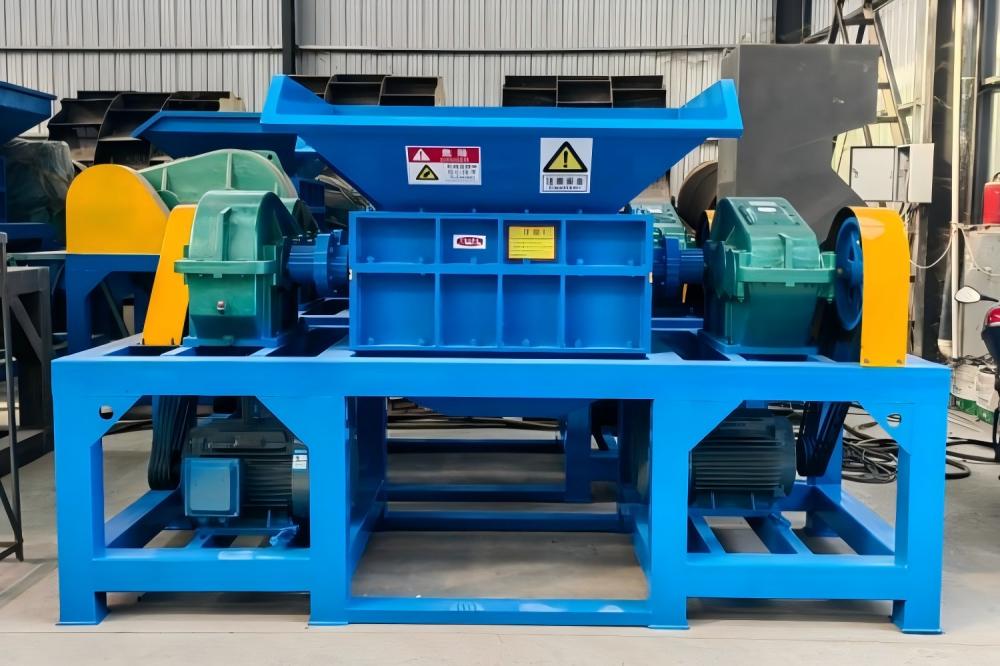
Key Considerations: Identifying the Root Cause of Overheating
When you ask yourself, “What to do when a double-shaft shredder overheats during operation?” the first step is a thorough diagnostic assessment. Overheating is typically categorized into three main areas: mechanical resistance, electrical inefficiency, and lubrication failure. Each of these areas requires a specific inspection process to isolate the heat source accurately.
Mechanical resistance is perhaps the most common culprit. If the shredder blades are dull, chipped, or improperly spaced, the motor must work significantly harder to process the same volume of material. This increased torque requirement translates directly into higher current draw and, consequently, increased heat generation within the motor housing. Regularly inspecting the cutting chamber for material buildup or jammed debris is essential for maintaining smooth operation.
Electrical inefficiencies often stem from voltage fluctuations or worn-out motor components. If the power supply to your facility is unstable, the motor may experience “brownout” conditions, causing it to draw excessive current to compensate for the voltage drop. This leads to rapid heating of the stator windings. It is critical to ensure that your electrical infrastructure is compatible with the power requirements of your HARSLE shredder and that all connections are tight and free of corrosion.
Lubrication failure is a silent killer of industrial machinery. The bearings that support the heavy-duty shafts require consistent, high-quality lubrication to dissipate heat and reduce friction. If the lubricant has degraded, become contaminated with metal shavings, or if the grease lines are blocked, friction will skyrocket. This heat is then transferred to the shafts and the gearbox, creating a thermal feedback loop that can damage seals and internal gears.
Finally, consider the ambient environment. Industrial shredders are often placed in high-temperature environments or poorly ventilated areas. If the cooling fans on the motor are obstructed by dust or debris, the machine cannot shed heat effectively. A clean, well-ventilated workspace is a fundamental requirement for the long-term health of your shredding equipment.
Technical Details: Managing Thermal Loads and Mechanical Integrity
To effectively manage thermal loads, operators must understand the relationship between material density and motor capacity. A double-shaft shredder is designed for specific throughput rates. When operators attempt to “overfeed” the machine with material that exceeds its hardness or density rating, the motor enters a state of constant high-torque operation. This is a primary driver of overheating in metal fabrication applications.
The gearbox is another critical component to monitor. The gearbox serves as the bridge between the motor and the cutting shafts. If the oil level is low or the oil viscosity is incorrect for the operating temperature, the gears will experience excessive friction. HARSLE recommends a strict schedule for oil analysis. By checking for metal particulates in the oil, you can identify gear wear long before it manifests as an overheating issue.
The cutting blades themselves are subject to thermal expansion. If the clearance between the blades is too tight, they may expand during operation and begin to rub against each other, creating intense frictional heat. This is why precise blade gap adjustment is a mandatory maintenance task. Using the correct shims and ensuring that the blade stack is properly torqued will prevent this type of internal thermal buildup.
Electrical protection systems, such as thermal overload relays and variable frequency drives (VFDs), are your first line of defense. These devices are designed to cut power to the motor when it exceeds safe operating temperatures. If your machine is frequently tripping these relays, it is a clear signal that the machine is being pushed beyond its operational limits. Instead of bypassing these safety features—which is dangerous and ill-advised—you should investigate the load profile of the material being processed.
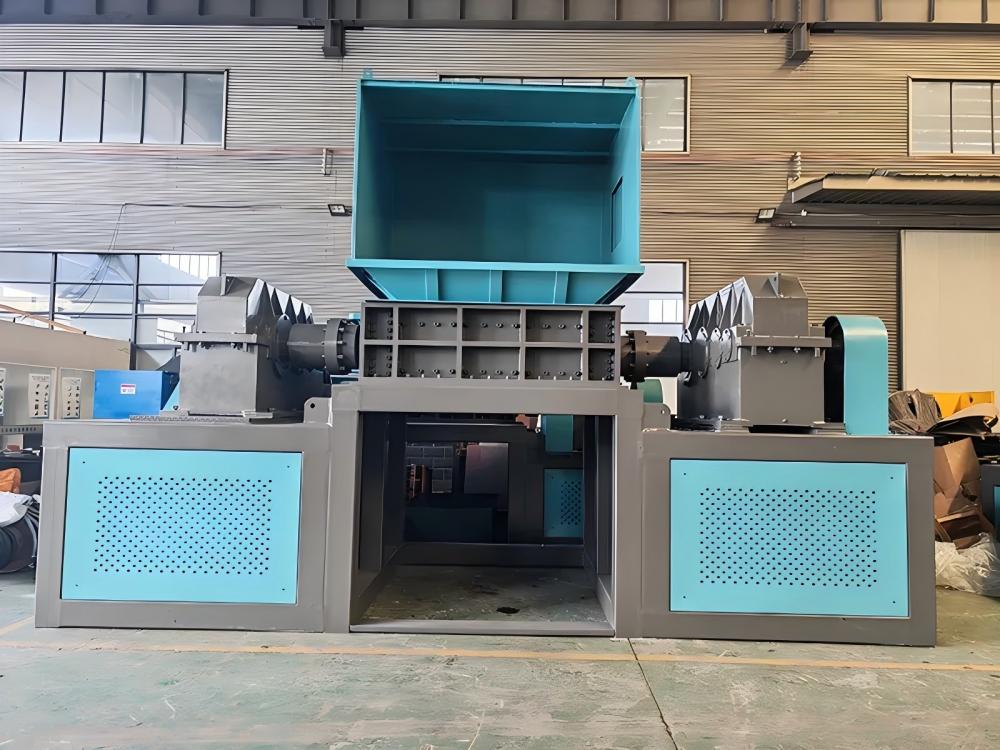
Selection Advice: Choosing the Right Shredder for Your Application
Preventing overheating starts long before the machine is installed; it begins with the selection process. When purchasing a double-shaft shredder, you must be honest about the material composition and the daily volume requirements. A machine that is undersized for your application will inevitably overheat because it is constantly running at its maximum capacity.
Consider the material hardness. Shredding mild steel requires significantly less torque than shredding hardened alloy steel or high-density industrial waste. If your facility processes a variety of materials, you should opt for a shredder with a higher torque rating and a more robust cooling system. HARSLE offers a range of shredders tailored to different industrial needs, and our technical team can help you match the machine’s specifications to your specific throughput requirements.
Look for features that enhance thermal management. Modern shredders often come equipped with advanced cooling systems, such as oil-to-air heat exchangers for the gearbox or forced-air cooling for the motor. These features are not just “add-ons”; they are essential for machines that operate in continuous, high-duty cycles. Investing in a machine with these integrated cooling solutions will pay dividends in reduced maintenance costs and longer equipment life.
Furthermore, consider the automation level of the shredder. A machine with an intelligent control system can monitor motor temperature and load in real-time. If the system detects a potential overheat condition, it can automatically reverse the shafts to clear a jam or slow down the feed rate to allow the motor to cool. This level of automation is a significant advantage in preventing the thermal damage that occurs during manual operation.
Finally, always prioritize equipment from reputable manufacturers who provide comprehensive documentation and support. A high-quality shredder should come with a detailed maintenance manual that outlines the specific thermal thresholds for every major component. Having access to this data allows your maintenance team to perform predictive maintenance rather than reactive repairs.
FAQ: Common Questions Regarding Shredder Overheating
- Q: Can I continue running my shredder if the motor feels hot to the touch?
A: No. If the motor housing is hot enough to be uncomfortable or dangerous to touch, you should stop the machine immediately. Industrial motors are designed to run warm, but excessive heat indicates an overload or a cooling failure. - Q: How often should I check the gearbox oil?
A: You should check the oil levels weekly and perform a full oil analysis every 500 to 1,000 operating hours, depending on the intensity of your shredding tasks. - Q: Does the type of material affect the shredder’s temperature?
A: Absolutely. Denser, harder, or more abrasive materials require more energy to shred. This increased energy demand generates more heat in the motor and the drive train. - Q: What is the most common cause of overheating in a new shredder?
A: In new machines, overheating is often caused by improper installation, such as inadequate ventilation or incorrect electrical wiring that leads to voltage drops. - Q: Should I use a higher viscosity oil to prevent overheating?
A: Only use the oil viscosity recommended by the manufacturer. Using the wrong oil can actually increase internal friction and lead to higher operating temperatures. - Q: How does blade wear contribute to overheating?
A: Dull blades require more force to cut material. This increased force requires more torque from the motor, which increases the current draw and causes the motor to heat up rapidly.
Conclusion: Maintaining Operational Excellence
Knowing what to do when a double-shaft shredder overheats during operation is a critical skill for any professional in the metal fabrication industry. By prioritizing regular maintenance, respecting the machine’s operational limits, and ensuring proper environmental conditions, you can prevent thermal issues before they start. Remember that overheating is a warning sign; it is the machine’s way of telling you that something is out of balance.
At HARSLE, we are committed to providing not just the machinery, but the knowledge required to keep your operations running smoothly. A well-maintained shredder is a productive shredder, and by following the steps outlined in this guide, you can ensure that your equipment remains a reliable asset for years to come. If you ever find yourself facing persistent thermal issues that you cannot resolve, do not hesitate to reach out to our technical support team for expert guidance.
Ultimately, the goal is to create a culture of proactive maintenance within your facility. When your team understands the importance of monitoring temperatures, checking lubrication, and inspecting cutting components, you minimize the risk of unexpected downtime. Invest in the right equipment, follow the recommended maintenance schedules, and keep your production line moving with confidence.
By integrating these practices into your daily operations, you protect your employees, your equipment, and your bottom line. The double-shaft shredder is a powerful tool, and with the right care, it will continue to deliver the performance and efficiency that your business demands. Stay vigilant, stay informed, and keep your industrial machinery operating at its peak potential.