Why Is My Double-Shaft Shredder Jamming? Common Causes and Quick Fixes


Introduction: Understanding Shredder Downtime
In the world of industrial waste management and metal fabrication, the double-shaft shredder stands as a workhorse. Designed to handle everything from bulky scrap metal to complex composite materials, these machines are engineered for high-torque, low-speed operation. However, even the most robust equipment can face operational hurdles. If you find yourself asking, “Why is my double-shaft shredder jamming? Common causes and quick fixes are essential knowledge for any facility manager or machine operator looking to maintain peak productivity.
A jam in a double-shaft shredder is not merely an inconvenience; it is a significant bottleneck that halts production lines, increases labor costs, and puts unnecessary strain on the motor and gearbox. Understanding the mechanics of your shredder is the first step toward preventing these issues. By identifying the root cause—whether it be material composition, mechanical wear, or electrical settings—you can implement proactive maintenance strategies that extend the lifespan of your HARSLE equipment.
This guide serves as a comprehensive resource for troubleshooting your shredder. We will explore the technical nuances of double-shaft shredding, examine the most frequent culprits behind machine stalls, and provide actionable steps to get your operations back on track. Whether you are processing aluminum profiles, steel scrap, or industrial waste, the following insights will help you master your equipment’s performance.
Key Considerations: Why Is My Double-Shaft Shredder Jamming? Common Causes and Quick Fixes
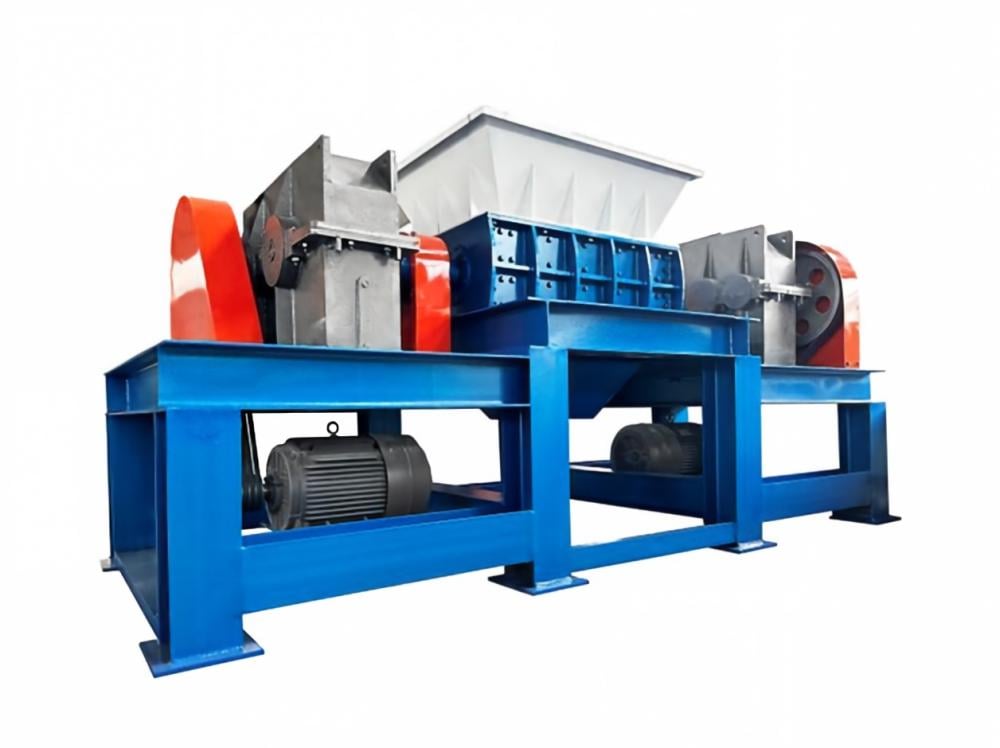
The most common reason for a shredder jam is the introduction of non-shreddable materials. Despite the power of double-shaft shredders, they are not invincible. Items such as hardened steel alloys, thick solid shafts, or large chunks of concrete can exceed the shear strength of the shredder blades. When these materials enter the cutting chamber, the PLC (Programmable Logic Controller) detects a spike in motor current and triggers an automatic reversal or a complete shutdown to prevent catastrophic damage.
Another frequent cause is the overfeeding of the hopper. Operators often attempt to maximize throughput by dumping large volumes of material at once. This creates a “bridging” effect where material becomes wedged between the blades and the hopper walls, preventing the blades from grabbing the material effectively. Proper feeding techniques, such as using a conveyor belt with a variable speed drive, are essential to ensure a consistent, manageable flow of material into the cutting chamber.
Blade wear is a silent productivity killer. Over time, the sharp edges of the shredder knives become rounded due to constant friction and impact. A dull blade requires significantly more torque to penetrate the material, which increases the likelihood of a jam. Regular inspection of the blade gap and sharpness is critical. If the gap between the blades becomes too wide, material may simply pass through without being shredded, or worse, get stuck in the clearance space, leading to a persistent jam.
Finally, electrical and sensor issues can mimic mechanical jams. If your shredder is stopping prematurely, it may be due to an incorrectly calibrated current sensor. If the sensor is too sensitive, it will interpret normal operating loads as a jam, causing the machine to reverse unnecessarily. Ensuring that your electrical control panel is tuned to the specific material density you are processing is a vital step in optimizing your shredder’s performance.
Technical Details: Troubleshooting and Maintenance
When a jam occurs, the first step is to perform a safe, systematic inspection. Never attempt to clear a jam while the machine is powered on. Always follow Lockout/Tagout (LOTO) procedures to ensure the power supply is completely disconnected. Once the machine is safe, use a flashlight to inspect the cutting chamber. Look for foreign objects that shouldn’t be there, such as stray bolts, heavy steel plates, or tangled wires that have wrapped around the shafts.
If the jam is caused by material bridging, you may need to manually clear the hopper. Use long-handled tools to push the material away from the blades. If the material is tightly wedged, you may need to reverse the shafts manually if your control system allows for a “jog” mode. This allows the operator to move the shafts in small increments to loosen the material without putting the motor under full load.
Maintenance of the gearbox and drive system is equally important. A double-shaft shredder relies on a high-torque gearbox to transfer power from the motor to the shafts. If the gearbox oil is degraded or if there is excessive backlash in the gears, the shredder will struggle to maintain consistent speed under load. Check the oil levels and quality regularly, and ensure that the drive couplings are properly aligned to prevent vibration, which can lead to premature failure of the bearings.
The PLC settings should be reviewed periodically. Most modern shredders, including HARSLE models, feature intelligent control systems that allow for multiple reversal cycles before a hard stop. If your machine is jamming frequently, try adjusting the reversal time and the number of cycles. Sometimes, a slightly longer reversal time allows the material to settle, making it easier for the blades to grab it on the next forward cycle.
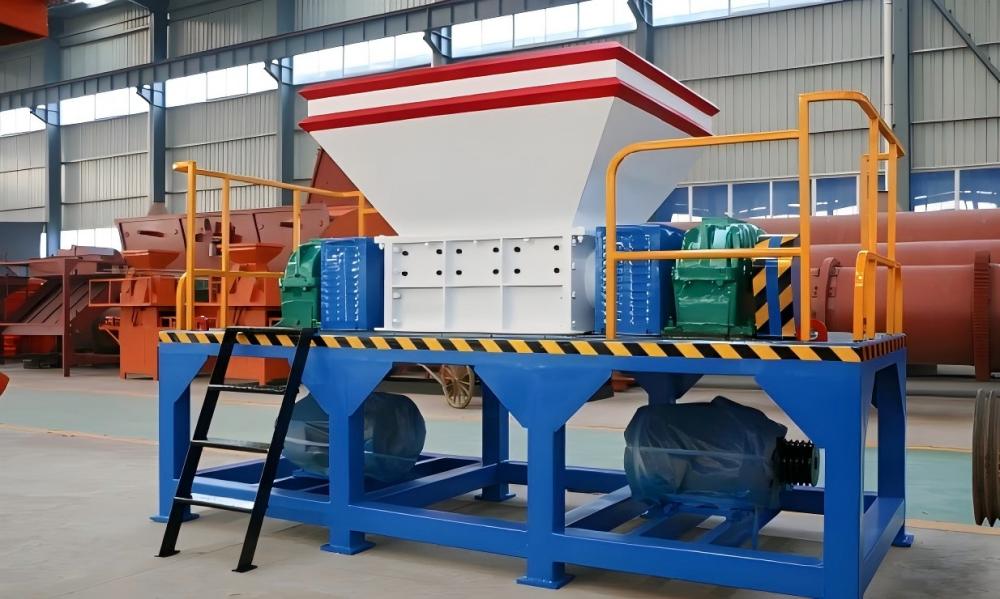
Selection Advice: Choosing the Right Shredder for Your Application
Selecting the right shredder is the best way to prevent future jamming issues. Before purchasing, you must clearly define the material stream. Are you shredding thin-gauge sheet metal, or are you processing heavy-duty automotive scrap? The shredder’s design—specifically the blade thickness, hook configuration, and motor power—must be matched to the material’s hardness and volume. A machine that is underpowered for its intended application will inevitably jam.
Consider the throughput requirements of your facility. If your production line requires a specific output per hour, ensure that the shredder’s hopper size and cutting chamber dimensions are sufficient. A common mistake is buying a shredder that is just barely large enough for the job. Always opt for a machine with a 15-20% capacity buffer to handle surges in material flow without straining the motor.
Look for features that enhance reliability. HARSLE shredders, for example, are designed with high-quality alloy steel blades that offer superior wear resistance. Additionally, look for machines with modular blade designs, which allow you to replace individual knives rather than the entire shaft. This significantly reduces maintenance costs and downtime when a blade is damaged by a foreign object.
Finally, consider the support and serviceability of the manufacturer. A shredder is a long-term investment. Ensure that the supplier provides comprehensive training for your operators, detailed maintenance manuals, and readily available spare parts. Having a reliable partner who understands the technical challenges of your industry is just as important as the machine itself.
FAQ : Foire aux questions
- Q: How often should I sharpen the blades on my double-shaft shredder?
A: This depends on the material processed. For abrasive materials, inspect blades every 200-500 operating hours. For softer materials, you may only need to inspect them every 1,000 hours. - Q: Why does my shredder reverse constantly?
A: Constant reversing usually indicates that the material is too hard for the current blade configuration, or the current sensor is set too low. Check the material for contaminants and verify your PLC settings. - Q: Can I shred plastic and metal in the same machine?
A: While possible, it is not recommended. Metal requires high-torque, low-speed shredding, while plastic often requires different blade geometries. Using the same machine for both can lead to inefficient shredding and increased wear. - Q: What is the most common cause of motor failure in shredders?
A: Frequent jamming and the resulting high-current spikes are the primary causes of motor burnout. Proper feeding and regular maintenance are the best ways to prevent this. - Q: How do I know if my shredder is overloaded?
A: Listen to the motor. If the sound changes from a steady hum to a strained, struggling noise, or if the machine begins to cycle through reversals frequently, it is likely overloaded.
Conclusion: Maintaining Operational Excellence
Addressing the question, “Why is my double-shaft shredder jamming? Common causes and quick fixes,” is a vital part of maintaining a high-efficiency metal fabrication environment. By understanding that jams are often a result of material inconsistencies, improper feeding, or simple mechanical wear, you can move from a reactive maintenance mindset to a proactive one. Regular inspections, proper operator training, and the selection of the right equipment for your specific material stream are the pillars of long-term success.
HARSLE is committed to providing industrial machinery that stands the test of time. Our double-shaft shredders are built to handle the rigors of modern manufacturing, but their performance ultimately depends on the care and attention they receive. By following the guidelines outlined in this article, you can minimize downtime, reduce repair costs, and ensure that your shredding operations remain a reliable part of your production process. If you continue to experience issues, do not hesitate to reach out to our technical support team for a professional assessment of your equipment.
Remember, a well-maintained shredder is not just a machine; it is a strategic asset. Invest the time in understanding its needs, and it will reward you with years of consistent, high-performance service. Whether you are optimizing an existing line or planning a new installation, keep these maintenance and troubleshooting tips at the forefront of your operational strategy.