Alligator Shear Motor Problems: What to Check First


Introduction to Alligator Shear Motor Reliability
In the demanding world of metal recycling and fabrication, the alligator shear stands as a workhorse. Designed to cut through heavy-duty scrap metal, rebar, and structural steel, these machines rely heavily on their electric motors to provide the necessary hydraulic pressure for clean, efficient cuts. However, when performance dips or the machine fails to start, operators often face the daunting task of diagnosing alligator shear motor problems. Understanding what to check first is essential for minimizing downtime and preventing costly long-term damage to your equipment.
At HARSLE, we emphasize that proactive maintenance is the cornerstone of industrial longevity. When a motor fails to engage or exhibits erratic behavior, it is rarely a catastrophic failure of the motor windings immediately. More often, the issue stems from peripheral electrical components, hydraulic load imbalances, or simple mechanical obstructions. By following a systematic troubleshooting approach, maintenance teams can often resolve issues in minutes rather than days.
This guide is designed to walk you through the diagnostic process, focusing on the most common failure points. Whether you are operating a heavy-duty hydraulic shear or a smaller portable unit, the principles of electrical and mechanical troubleshooting remain consistent. We will explore the critical checkpoints that every operator should inspect before calling in an external technician, ensuring your metal fabrication equipment remains operational and safe.
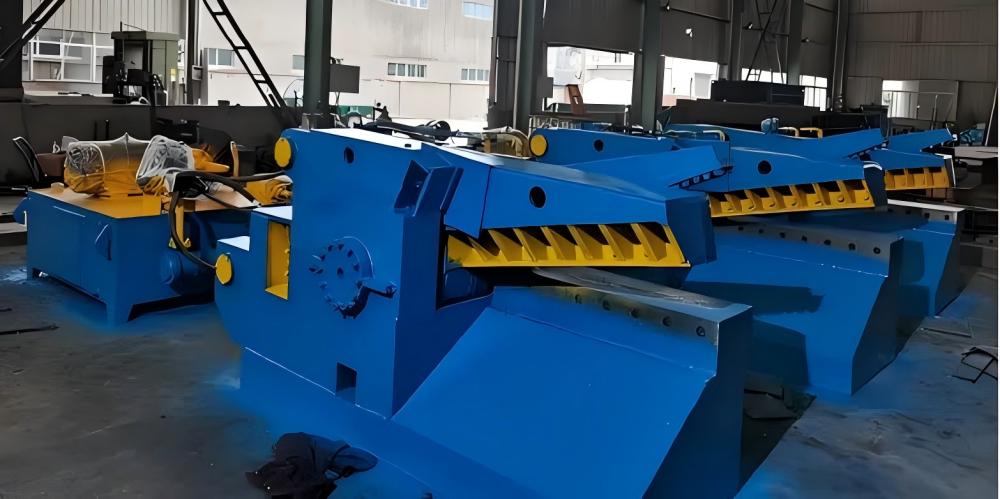
The goal of this article is to empower your maintenance team with the knowledge to identify alligator shear motor problems: check first the power supply, the starter contactors, and the hydraulic relief settings. By mastering these basics, you protect your investment and ensure that your production line continues to move forward without unnecessary interruptions.
Key Considerations for Initial Troubleshooting
When an alligator shear motor fails to start or runs with reduced power, the first step is always safety. Before touching any electrical cabinet or hydraulic line, ensure the machine is locked out and tagged out (LOTO). Never attempt to troubleshoot a live circuit unless you are a qualified electrician equipped with the proper personal protective equipment (PPE). Once safety is secured, the first consideration is the power source.
Check the main power supply to the machine. It is surprisingly common for a motor to fail simply because a phase has been lost or a breaker has tripped. Use a multimeter to verify that all three phases are delivering the correct voltage to the motor starter. If one phase is missing, the motor may hum or vibrate excessively without turning, which can lead to rapid overheating and permanent winding damage if left unchecked.
Next, inspect the motor starter and contactors. Over time, the contacts within the starter can become pitted or carbonized due to repeated arcing. If these contacts are worn, they may not conduct electricity efficiently, leading to a voltage drop that prevents the motor from reaching its rated torque. A visual inspection of the contactor points can reveal signs of burning or welding, which are clear indicators that the component needs replacement.
Consider the environmental factors surrounding your alligator shear. Metal fabrication facilities are often dusty, humid, or subject to extreme temperature fluctuations. Dust buildup inside the motor housing or the electrical control box can act as an insulator, trapping heat and causing the motor to trip its thermal overload protection. Cleaning the cooling fins and ensuring the control cabinet is sealed against metallic dust is a critical first step in preventing recurring motor issues.
Finally, evaluate the hydraulic load. If the shear is attempting to start under a full load—meaning the blades are obstructed or the hydraulic system is pressurized from a previous cycle—the motor may lack the starting torque to overcome the resistance. Always ensure the shear blades are in the open position and the hydraulic system is depressurized before attempting to restart the motor after a stall.
Technical Details: Diagnosing Electrical and Mechanical Faults
Delving deeper into technical diagnostics, we must look at the thermal overload relay. This device is designed to protect the motor from drawing too much current. If your alligator shear motor problems persist, check first if the overload relay has tripped. If it has, do not simply reset it and continue working. Investigate why it tripped. Is the motor drawing excessive current because of a mechanical bind, or is the relay itself failing due to age?
Measure the amperage draw of the motor while it is running under a light load. Compare this reading to the nameplate data on the motor housing. If the amperage is significantly higher than the rated full-load amps (FLA), you likely have a mechanical issue. This could be a failing hydraulic pump that is creating excessive drag, or perhaps the shear’s pivot pin is lacking lubrication, causing the entire assembly to bind and force the motor to work harder than intended.
Another technical aspect to consider is the condition of the motor bearings. As bearings wear, they introduce friction and vibration. In the early stages, this may manifest as an unusual noise or a slight increase in operating temperature. If ignored, the friction will increase until the motor can no longer maintain its speed, eventually leading to a seized shaft. Use a vibration analyzer or a simple stethoscope to listen for grinding or clicking sounds coming from the motor housing.
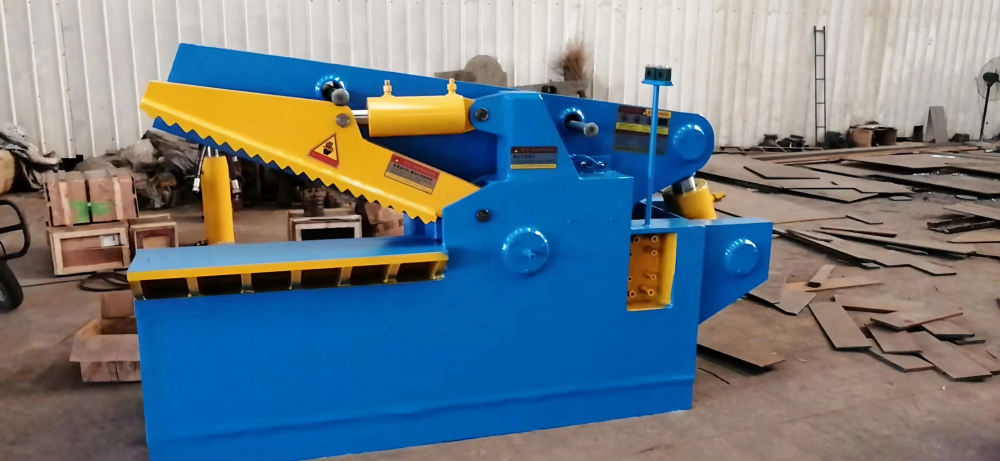
The hydraulic oil quality also plays a role in motor health. If the oil is contaminated with metal shavings or has degraded due to heat, the hydraulic pump will struggle to move the fluid. This increased backpressure is transferred directly to the motor shaft. Regularly check your hydraulic fluid for clarity and viscosity. A clogged suction filter can starve the pump, leading to cavitation, which creates erratic loads that the motor must compensate for, often resulting in premature failure.
Lastly, examine the motor coupling. The coupling connects the motor shaft to the hydraulic pump. If this component is misaligned or the rubber spider insert is worn, it will cause the motor to wobble. This misalignment puts immense stress on the motor bearings and the pump shaft seal. A quick visual inspection of the coupling area for rubber debris or signs of metal-on-metal contact can save you from a major mechanical overhaul.
Selection Advice: Choosing the Right Motor for Your Shear
When the time comes to replace a motor, choosing the correct unit is just as important as troubleshooting the old one. HARSLE recommends selecting motors that are specifically rated for the duty cycle of your alligator shear. A shear that operates continuously requires a motor with a higher service factor and better thermal management than one used for intermittent, light-duty scrap processing.
Consider the IP (Ingress Protection) rating of the motor. In a metal fabrication environment, your motor should be protected against dust and liquid splashes. An IP55 or higher rating is generally recommended to ensure that metallic dust does not infiltrate the windings. Investing in a high-quality, totally enclosed fan-cooled (TEFC) motor will significantly reduce the frequency of maintenance and the likelihood of motor failure due to environmental contamination.
Think about the starting torque requirements. Alligator shears require high starting torque to initiate the cutting stroke. Ensure that the replacement motor matches the torque-speed curve of the original equipment. Using a motor with insufficient starting torque will lead to frequent stalls and potential damage to the hydraulic system, as the motor will struggle to get the pump up to operating pressure under load.
Evaluate the efficiency class of the motor. While premium efficiency motors may have a higher upfront cost, they run cooler and consume less electricity over their lifespan. In a high-production environment, the energy savings and reduced heat generation often pay for the price difference within the first year of operation. Always verify that the mounting dimensions and shaft size are compatible with your existing shear frame to avoid costly modifications.
Foire aux questions (FAQ)
- Q: Why does my alligator shear motor hum but not turn?
A: This is often caused by a lost phase in the power supply or a seized hydraulic pump. Check your fuses and breakers first, then check if the pump shaft can be rotated by hand (with the machine locked out). - Q: How often should I perform maintenance on the motor?
A: We recommend a visual inspection monthly and a deep cleaning of the cooling fins and electrical cabinet every six months, depending on the dust levels in your facility. - Q: Can I use a standard motor for my shear?
A: It is best to use a motor designed for industrial hydraulic applications. Standard motors may lack the necessary torque and environmental protection required for the harsh conditions of metal fabrication. - Q: What should I check if the motor trips the breaker immediately?
A: This usually indicates a short circuit. Inspect the wiring for frayed insulation, check for moisture in the junction box, and test the motor windings for a ground fault. - Q: Is it worth repairing a burnt-out motor?
A: If the motor is older and has been rewound multiple times, it is often more cost-effective and reliable to replace it with a new, high-efficiency unit.
Conclusion
Addressing alligator shear motor problems requires a methodical approach that balances electrical safety with mechanical intuition. By remembering the mantra: “Alligator shear motor problems: check first the power, the contactors, and the hydraulic load,” you can resolve the vast majority of issues without the need for expensive external repairs. Regular maintenance, such as cleaning cooling fins, checking for phase balance, and monitoring hydraulic oil quality, will extend the life of your equipment and ensure your production remains efficient.
At HARSLE, we are committed to supporting your metal fabrication operations with high-quality machinery and expert guidance. If you find that your motor issues persist despite following these troubleshooting steps, it may be time to consult with a professional technician or consider an equipment upgrade. Remember, a well-maintained motor is the heart of your alligator shear—keep it running smoothly, and your production will follow suit.