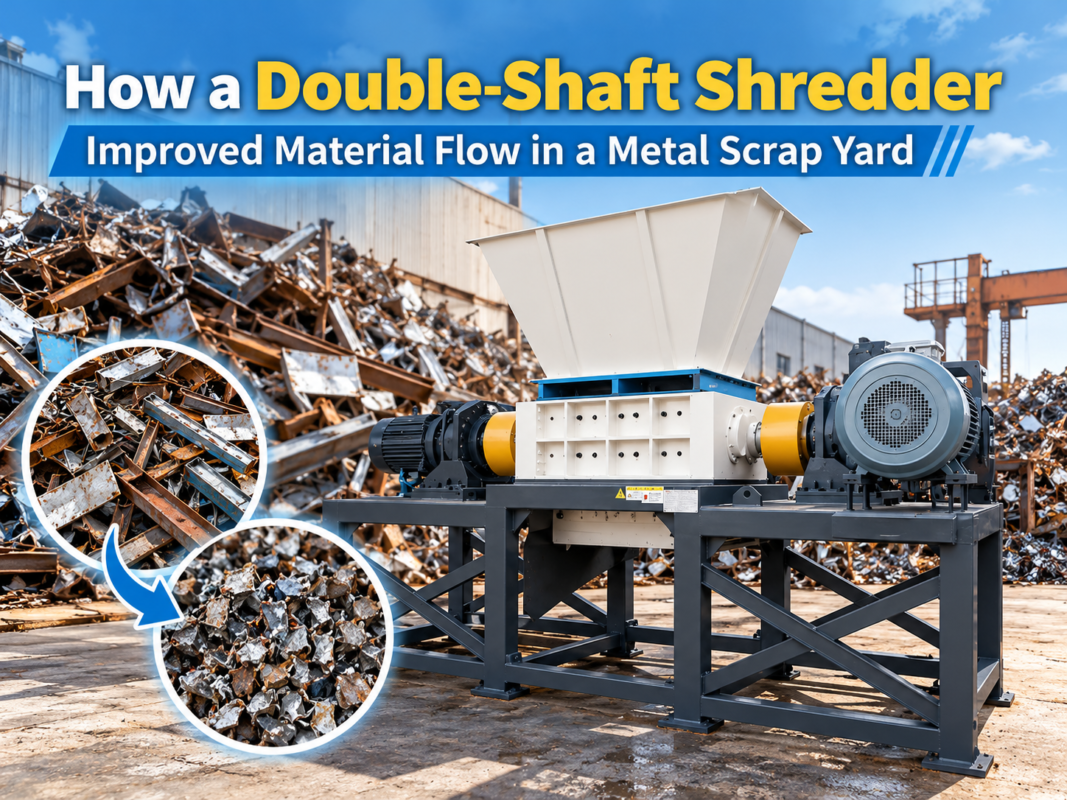
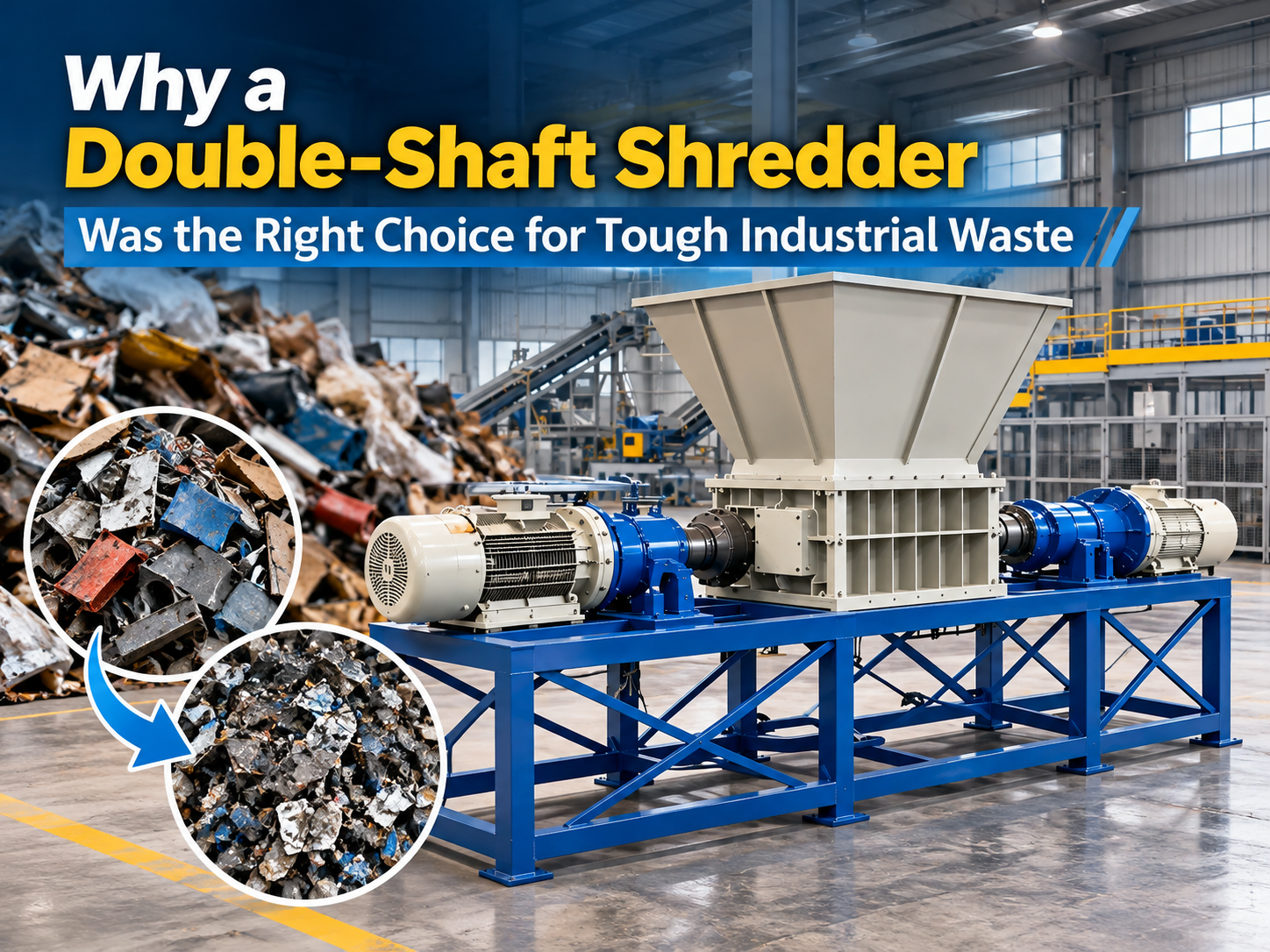
Why a Double-Shaft Shredder Was the Right Choice for Tough Industrial Waste

Introduction: The Challenge of Industrial Waste Management
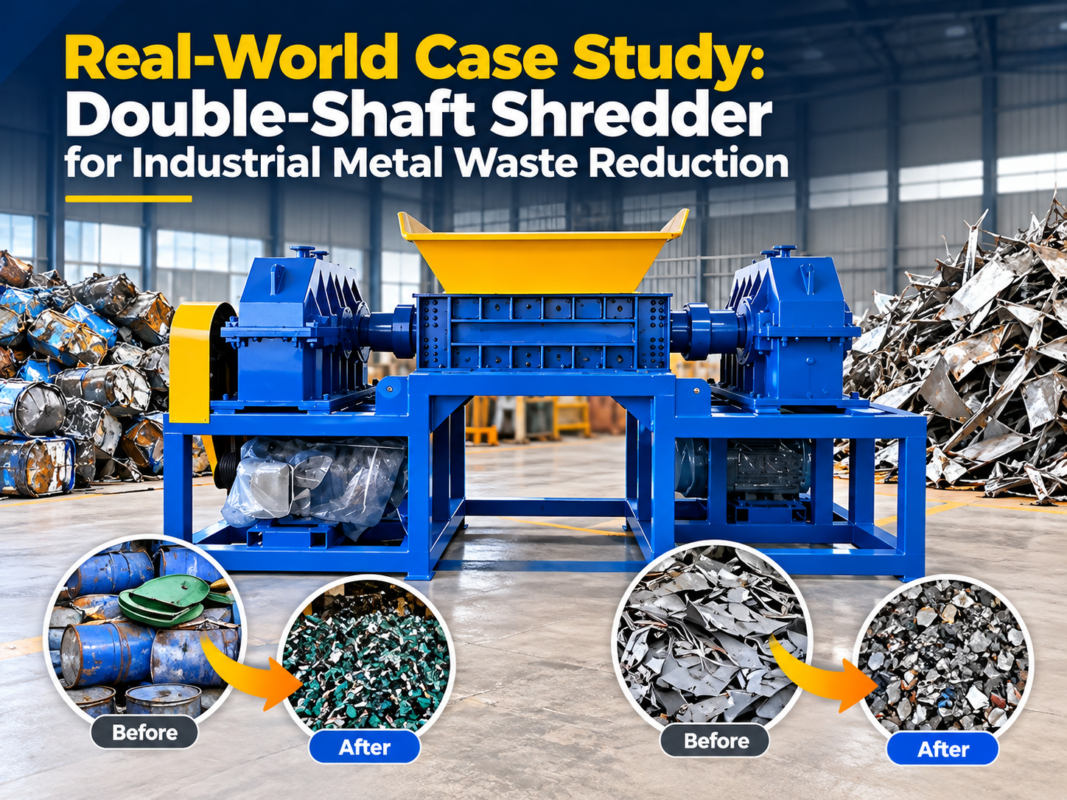
In the modern landscape of metal fabrication and large-scale manufacturing, the accumulation of waste is not merely a logistical hurdle—it is a significant operational cost. When companies face the challenge of disposing of bulky, high-strength, or heterogeneous materials, standard waste management systems often fail. This is where the realization that a double-shaft shredder was the right choice for tough industrial waste becomes clear for facility managers and production engineers alike.
Industrial waste is rarely uniform. It often consists of tangled metal scrap, thick steel plates, reinforced plastics, and complex composite materials that can jam or destroy conventional crushing equipment. HARSLE has observed that businesses struggling with these materials often experience downtime, increased labor costs, and inefficient recycling workflows. By transitioning to a robust double-shaft shredder, these companies can transform waste management from a bottleneck into a streamlined, value-added process.
The double-shaft shredder operates on a principle of high-torque, low-speed shearing. Unlike high-speed granulators that rely on impact, the double-shaft design utilizes two counter-rotating shafts equipped with hardened steel blades. This configuration allows the machine to ‘bite’ into tough materials, pulling them into the cutting chamber and tearing them apart with immense force. This article explores why this specific technology is the gold standard for heavy-duty industrial applications.
Understanding the mechanical advantages of this equipment is essential for any facility looking to optimize its scrap handling. Whether you are dealing with automotive scrap, electronic waste, or heavy industrial offcuts, the versatility of the double-shaft system provides a level of reliability that single-shaft or hammer-mill systems simply cannot match. Let us delve into the technical and operational reasons why this investment is a game-changer.
Key Considerations for Industrial Waste Processing
When evaluating waste management solutions, the primary consideration is the nature of the material stream. Tough industrial waste is characterized by its density, hardness, and irregular geometry. A double-shaft shredder is specifically engineered to handle these variables without stalling. The low-speed, high-torque mechanism ensures that even the most stubborn materials are processed consistently, reducing the risk of motor burnout or mechanical failure.
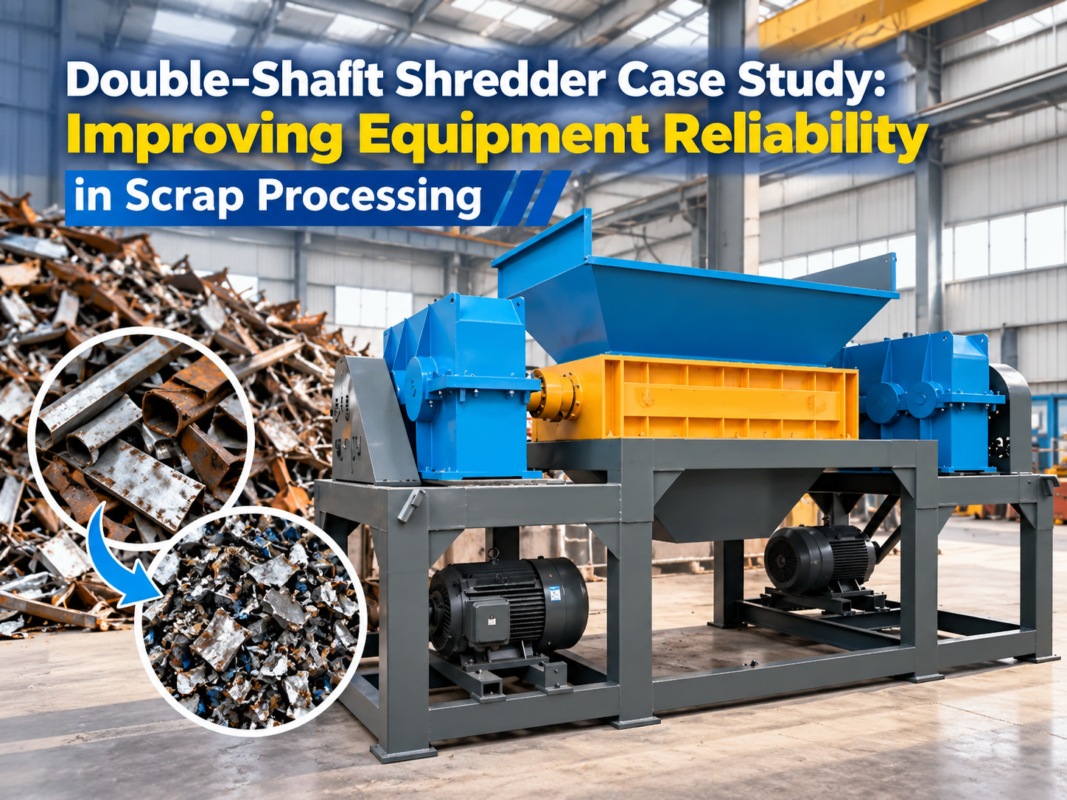
Another critical factor is the throughput requirement. In high-volume fabrication environments, the shredder must keep pace with production. Double-shaft shredders are designed for continuous operation, featuring robust gearboxes and heavy-duty frames that can withstand the vibrations and stresses of constant use. By integrating these machines into the production line, companies can ensure that scrap is reduced to a manageable size immediately, saving valuable floor space and reducing transportation costs.
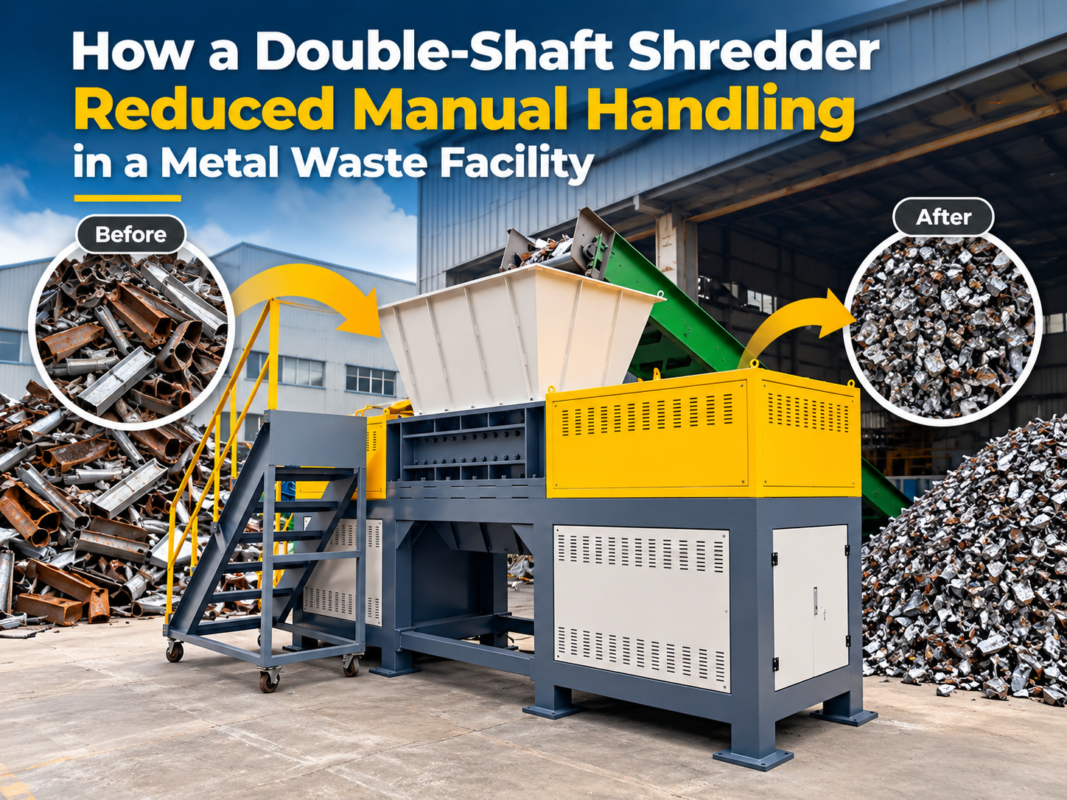
Safety and environmental compliance also play a major role in the selection process. Industrial waste often contains hazardous components or sharp, dangerous edges. A double-shaft shredder provides a contained environment for processing, significantly reducing the risks associated with manual handling of scrap. Furthermore, by shredding materials, companies can achieve higher density in their waste containers, leading to fewer transport trips and a smaller carbon footprint.
Finally, the long-term cost of ownership must be considered. While the initial investment in a high-quality shredder may be higher than cheaper alternatives, the durability of the components—specifically the alloy steel blades—means lower maintenance frequency. HARSLE designs its shredders with modular components, allowing for easier blade replacement and servicing, which ensures that the machine remains operational for years, providing a superior return on investment.
Technical Details: How the Double-Shaft Mechanism Works
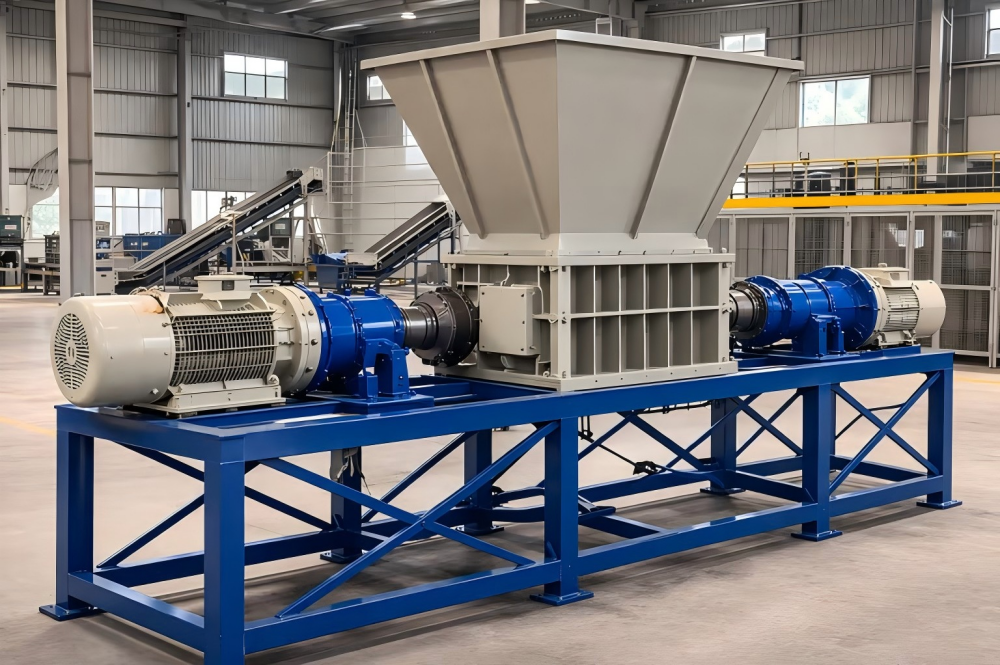
The core of the double-shaft shredder lies in its cutting chamber. Two parallel shafts rotate in opposite directions, intermeshing their blades to create a powerful shearing action. This design is highly effective because it does not rely on centrifugal force. Instead, it uses the mechanical advantage of the gear reduction system to generate massive torque, allowing the blades to cut through thick steel, tires, and even dense electronic components with ease.
The blades themselves are typically manufactured from high-grade alloy steel, heat-treated to achieve the perfect balance between hardness and toughness. This ensures that the cutting edges remain sharp even when processing abrasive materials. The geometry of the blades can be customized based on the specific waste stream; for instance, hook-shaped blades are often used for bulky items, while thinner, multi-tooth blades are better suited for shredding materials into smaller, uniform pieces.
The control system is another vital technical component. Modern double-shaft shredders are equipped with PLC (Programmable Logic Controller) systems that monitor the load on the shafts. If a piece of material is too tough or if the chamber becomes overfilled, the system automatically triggers an auto-reverse function. The shafts rotate backward for a few seconds to clear the obstruction before resuming the shredding process. This feature is crucial for preventing damage and ensuring continuous, unattended operation.
Furthermore, the drive system is engineered for efficiency. Using high-efficiency motors coupled with heavy-duty gearboxes, the shredder converts electrical energy into mechanical shearing force with minimal loss. This not only improves performance but also reduces energy consumption, making the shredder a more sustainable choice for modern manufacturing facilities looking to optimize their power usage.
Selection Advice: Choosing the Right Shredder for Your Needs
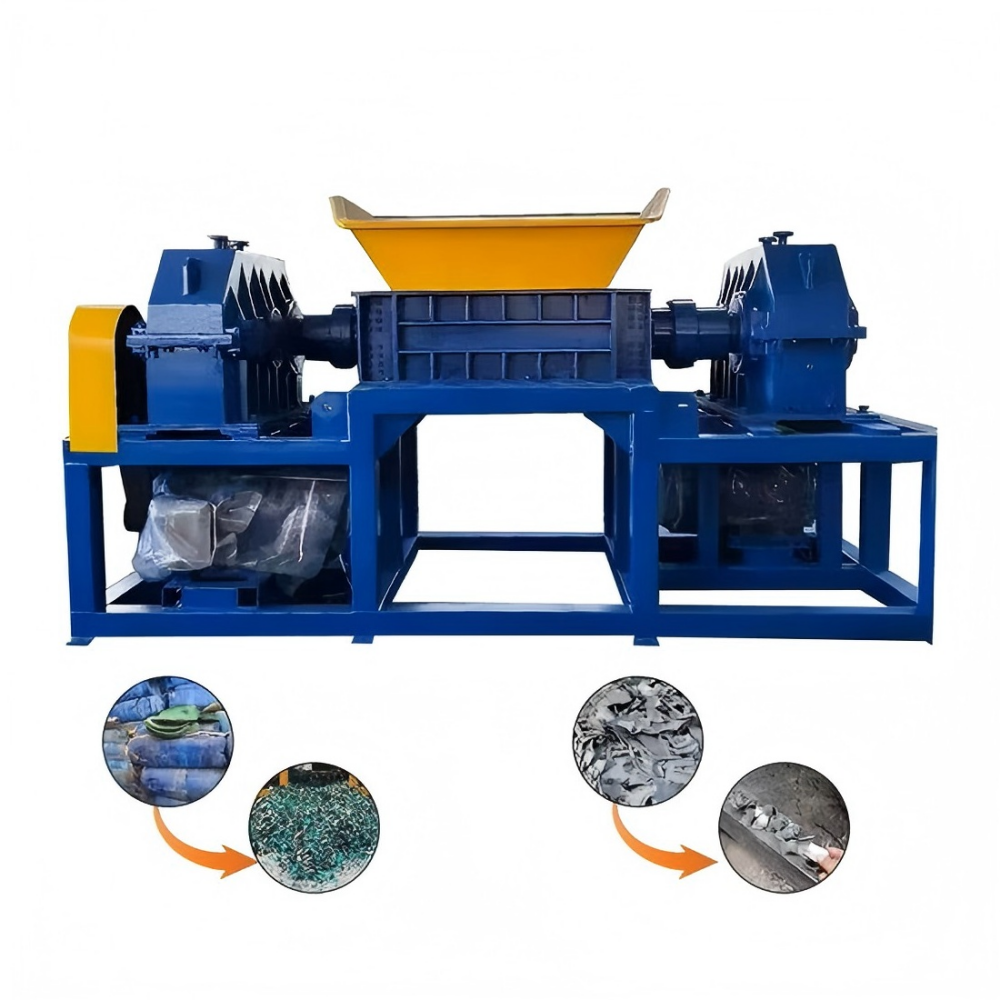
Selecting the right shredder requires a thorough audit of your waste stream. You must categorize your waste by material type, maximum size, and daily volume. For example, a facility processing thin-gauge sheet metal scrap will have different requirements than one processing heavy-duty automotive engine blocks. HARSLE recommends consulting with technical experts to determine the required motor power, shaft speed, and blade configuration for your specific application.
Consider the discharge method as well. Depending on your facility layout, you may need a conveyor belt system to transport the shredded material directly into a bin or a baler. The shredder should be integrated into your existing workflow to minimize manual handling. Additionally, consider the noise levels and dust control requirements. While double-shaft shredders are generally quieter than high-speed impact mills, they still generate noise, and appropriate sound-dampening measures or enclosures may be necessary depending on your facility’s location.
Maintenance accessibility is a non-negotiable factor. Look for machines that offer easy access to the cutting chamber. The ability to quickly inspect, sharpen, or replace blades is essential for minimizing downtime. HARSLE provides comprehensive maintenance manuals and support, ensuring that your team can perform routine checks effectively. Always prioritize equipment that features high-quality bearings and seals, as these are the components most susceptible to wear in harsh industrial environments.
Lastly, do not overlook the importance of scalability. As your production grows, your waste volume will likely increase. Choosing a shredder that can handle a slightly higher capacity than your current needs provides a buffer for future expansion. Investing in a robust, modular system allows you to upgrade or modify the machine as your business needs evolve, ensuring that your initial investment continues to serve you well into the future.
FAQ: Frequently Asked Questions
- Q: Why is a double-shaft shredder better than a single-shaft shredder for tough waste?
A: Double-shaft shredders provide higher torque and a positive-displacement shearing action, which is superior for grabbing and tearing bulky, heterogeneous materials that would typically jam a single-shaft machine. - Q: How often do the blades need to be replaced?
A: Blade lifespan depends on the material being shredded. Abrasive materials will wear blades faster. However, HARSLE blades are made from high-wear-resistant alloys, and regular maintenance can significantly extend their service life. - Q: Can these shredders handle metal?
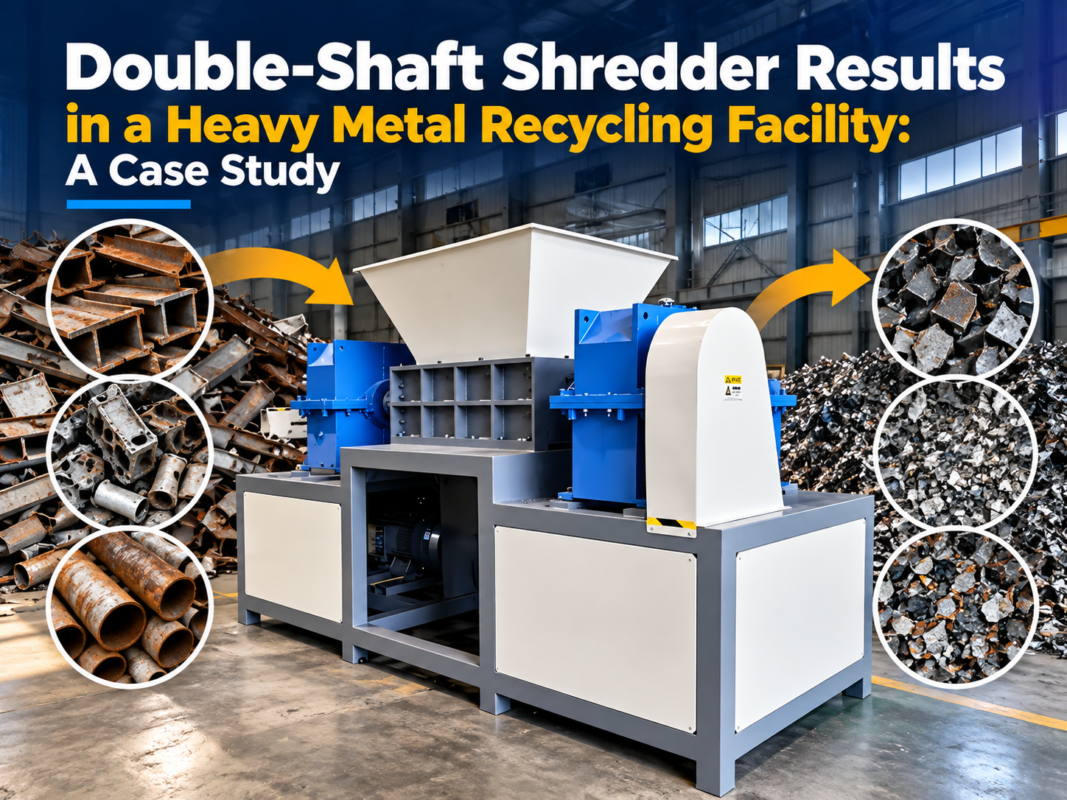
A: Yes, double-shaft shredders are excellent for processing various types of metal scrap, including aluminum, copper, and thin steel, reducing them to a size suitable for melting or recycling. - Q: Is the shredding process noisy?
A: While all industrial machinery produces noise, the low-speed operation of a double-shaft shredder is significantly quieter than high-speed granulators, making it more suitable for indoor factory environments. - Q: What happens if the shredder gets jammed?
A: Modern HARSLE shredders feature an automatic reverse function. If the sensors detect a jam, the shafts reverse automatically to clear the material before resuming normal operation.
Conclusion: Investing in Efficiency
The decision to implement a double-shaft shredder is a strategic move toward operational excellence. By addressing the complexities of tough industrial waste, these machines provide a reliable, efficient, and safe method for material reduction. When you realize that a double-shaft shredder was the right choice for tough industrial waste, you are not just buying a piece of equipment; you are investing in a cleaner, more organized, and more profitable production environment.
HARSLE remains committed to providing high-performance metal fabrication equipment that meets the rigorous demands of modern industry. Our double-shaft shredders are built with precision, durability, and user-friendliness in mind, ensuring that your waste management processes are as efficient as your production lines. Whether you are looking to reduce disposal costs, improve recycling rates, or simply clear your factory floor, our shredding solutions offer the power and reliability you need.
As you move forward with your equipment selection, remember that the best solution is one that integrates seamlessly into your existing operations while providing the flexibility to handle future challenges. We invite you to explore our range of shredding solutions and consult with our experts to find the perfect match for your facility. With the right technology in place, you can turn your toughest waste challenges into a streamlined, sustainable success story.