Scrap Metal Baler Case Study: Faster Loading and Unloading for Truck Shipments

Introducción
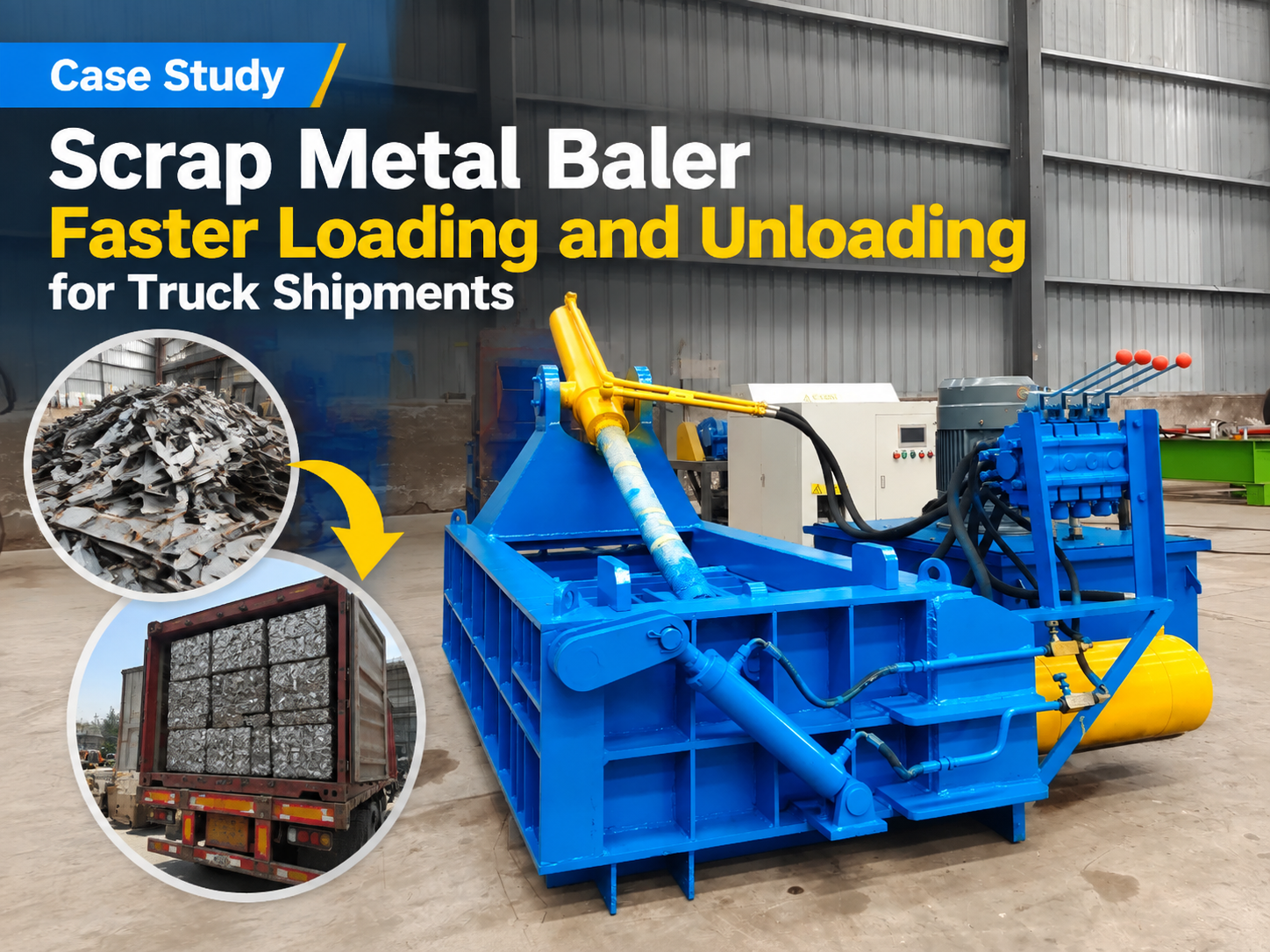
In the modern metal fabrication and recycling industry, the efficiency of logistics is just as critical as the precision of the cutting or bending process. For many facilities, the bottleneck is not the production of scrap, but the management, storage, and transportation of it. This Scrap Metal Baler Case Study: Faster Loading and Unloading for Truck Shipments explores how HARSLE’s advanced hydraulic baling solutions transform disorganized metal waste into high-density, uniform bales that revolutionize shipping logistics.
When scrap metal is left loose, it occupies significant volume while offering very little weight density. This leads to underutilized truck capacity, increased fuel costs, and labor-intensive loading processes. By implementing a high-performance scrap metal baler, companies can achieve a dramatic reduction in volume, allowing them to maximize the payload of every truck shipment. This article examines the technical and operational shifts required to move from loose scrap management to a streamlined, baled-output system.
HARSLE has worked with numerous mid-to-large scale fabrication plants to integrate automated baling systems that serve as the final stage of the production line. By analyzing the transition from manual handling to automated compression, we provide a blueprint for facilities looking to reduce their carbon footprint and logistics overhead. This case study serves as a comprehensive guide for plant managers and logistics coordinators aiming to optimize their scrap handling workflows.
The following sections will detail the specific mechanical advantages of HARSLE balers, the financial impact of optimized truck loading, and the technical considerations for selecting the right equipment for your specific metal waste profile. Whether you are dealing with aluminum offcuts, steel shavings, or copper wire, the principles of high-density baling remain the same: reduce volume, increase value, and accelerate shipping cycles.
Key Considerations for Logistics Optimization
The primary challenge in scrap metal logistics is the “air gap” problem. Loose scrap, by its nature, contains a high percentage of empty space. When loading a standard flatbed or dump truck, this air gap prevents the vehicle from reaching its maximum weight capacity before it reaches its maximum volume capacity. This is known as “cubing out” a truck, where the trailer is physically full but significantly under the legal weight limit, leading to wasted shipping costs.
A Scrap Metal Baler Case Study: Faster Loading Unloading Truck Shipments reveals that the most successful facilities prioritize density. By compressing scrap into dense, rectangular bales, the material becomes stackable. This allows for the use of forklifts or overhead cranes to load trucks in a structured, grid-like pattern. This method eliminates the need for manual shoveling or loose dumping, which is often slow and prone to safety hazards.
Another key consideration is the turnaround time at the loading dock. Loose scrap requires specialized containment or side-dumping trailers, which are often in short supply or require longer loading times. Baled scrap, however, can be loaded onto standard flatbed trailers. This versatility allows companies to utilize a wider range of logistics providers, reducing dependency on specific equipment and lowering overall freight rates.
Safety is an often-overlooked aspect of logistics. Loose metal scrap is sharp, unpredictable, and difficult to secure. Baled metal is stable, uniform, and easily strapped down according to Department of Transportation (DOT) regulations. By reducing the risk of shifting loads and sharp protrusions, facilities can significantly lower their insurance premiums and improve workplace safety records during the loading process.
Finally, the value of the scrap itself is tied to its density. Recycling centers and smelters prefer baled material because it is easier to handle, store, and process. Many scrap buyers offer a premium price for high-density, uniform bales compared to loose, mixed scrap. This creates a dual-benefit scenario: you save money on shipping while simultaneously increasing the revenue generated from your waste stream.
Technical Details of HARSLE Baling Systems
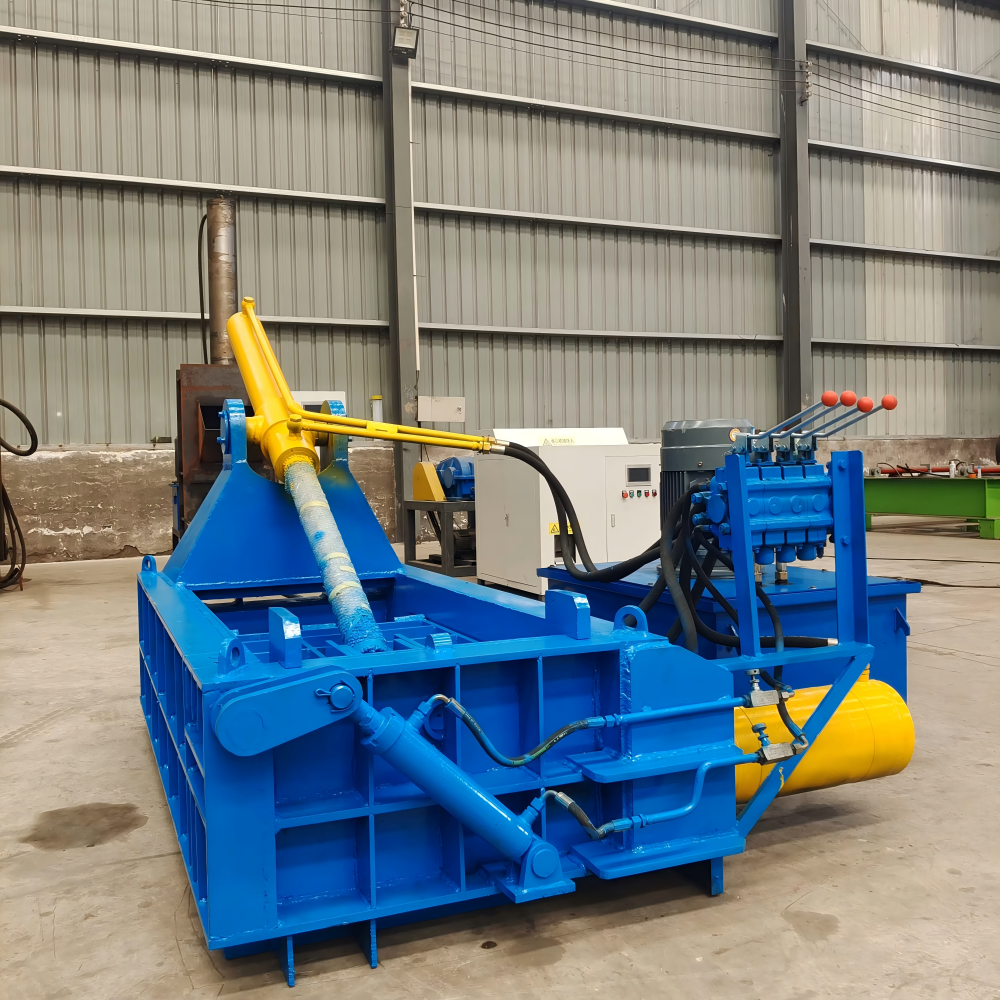
HARSLE scrap metal balers are engineered with high-pressure hydraulic systems designed to handle the specific yield strengths of various metals. The core of the machine is the compression chamber, which utilizes heavy-duty steel plates and reinforced cylinders to exert thousands of pounds of force. This force is essential for overcoming the spring-back effect inherent in materials like stainless steel or aluminum alloys.
The automation level of a HARSLE baler is a major factor in the speed of the loading process. Our systems feature programmable logic controllers (PLCs) that manage the compression cycle, bale size, and ejection process. This allows operators to focus on feeding the machine while the baler handles the heavy lifting. By integrating conveyor belts or hopper feeding systems, the entire process can become a continuous flow, further reducing the time required to prepare a shipment.
Technical specifications for our balers include adjustable bale dimensions, which are critical for matching the width and length of standard shipping containers or flatbed trailers. By customizing the bale size, you ensure that the load fits perfectly within the truck bed, minimizing movement during transit. This precision is a hallmark of HARSLE engineering, ensuring that every bale is a consistent, stackable unit.
Maintenance of the hydraulic system is simplified through modular design. HARSLE balers feature accessible valve blocks and high-quality seals that resist the abrasive nature of metal dust and shavings. Regular maintenance, such as checking hydraulic fluid levels and inspecting the wear plates, ensures that the baler maintains its compression force over years of operation. This reliability is essential for facilities that rely on just-in-time shipping schedules.
Furthermore, the energy efficiency of our hydraulic pumps has been optimized to reduce operational costs. By using variable frequency drives (VFDs), the baler consumes power only when the compression cycle is active. This not only lowers electricity bills but also extends the lifespan of the motor and pump components, providing a lower total cost of ownership compared to older, less efficient machinery.

Selection Advice: Choosing the Right Baler
Selecting the right scrap metal baler requires a thorough audit of your facility’s output. You must first categorize your scrap by type (ferrous vs. non-ferrous), volume (tons per month), and physical form (shavings, offcuts, or large structural pieces). A high-volume facility producing tons of steel offcuts will require a different machine than a small workshop dealing with aluminum shavings.
Consider the footprint of the machine. In many fabrication shops, floor space is at a premium. HARSLE offers a range of vertical and horizontal balers. Vertical balers are excellent for smaller facilities with limited space, while horizontal balers are designed for high-throughput, continuous operations. Our team can help you map out the installation to ensure the baler fits seamlessly into your existing production flow.
Another factor is the bale density requirement. If you are shipping scrap over long distances, higher density is better to maximize the weight per truckload. If your scrap is being sold to a local recycler, a lower-density bale might be sufficient. Understanding the requirements of your end-buyer is crucial to avoiding over-engineering your solution, which can save on initial capital expenditure.
Don’t forget to evaluate the ease of operation. A machine that is difficult to load or requires extensive training will eventually become a bottleneck. HARSLE balers are designed with user-friendly interfaces and safety interlocks that protect the operator while simplifying the process. Look for features like automatic bale ejection and integrated strapping systems, which significantly reduce the manual labor required to prepare a bale for transport.
Finally, consider the support and service network. A scrap metal baler is a long-term investment. HARSLE provides comprehensive after-sales support, including remote diagnostics, spare parts availability, and technical training. When selecting your equipment, ensure that the manufacturer offers a robust warranty and a clear path for maintenance, as downtime in a scrap processing line can quickly cascade into logistics delays.
FAQ: Scrap Metal Baler Operations
How much time can a baler save during truck loading?
By using a baler, you can reduce loading times by up to 70%. Instead of loose loading, which can take hours, baled scrap can be loaded in minutes using a forklift, significantly increasing the number of shipments you can process in a day.
What types of metal can HARSLE balers process?
Our balers are designed to handle a wide range of metals, including steel, aluminum, copper, brass, and stainless steel. The machine settings can be adjusted based on the hardness and density of the specific material being processed.
Is it difficult to maintain a hydraulic baler?
HARSLE balers are designed for industrial durability. Routine maintenance involves checking hydraulic oil, cleaning the chamber, and inspecting wear plates. We provide a detailed maintenance schedule with every machine to ensure longevity.
Can a baler help me get better prices for my scrap?
Yes. Most scrap metal buyers pay a premium for baled material because it is easier to transport and process. The increased density and uniformity of your scrap make it a more attractive commodity in the recycling market.
What safety features are included in HARSLE balers?
Safety is our priority. Our balers include emergency stop buttons, safety light curtains, interlocked doors, and pressure relief valves to prevent overloading, ensuring a safe environment for your operators.
Conclusión
The transition to a baled scrap management system is one of the most effective ways to improve the bottom line of a metal fabrication business. As demonstrated in this Scrap Metal Baler Case Study: Faster Loading Unloading Truck Shipments, the benefits extend far beyond simple waste reduction. By optimizing your logistics, you reduce shipping costs, improve safety, and increase the market value of your scrap.
HARSLE remains committed to providing the industrial machinery necessary to keep your production lines moving efficiently. From the initial audit of your scrap output to the installation and maintenance of your baling equipment, our team is dedicated to your operational success. Investing in a high-quality scrap metal baler is not just an equipment purchase; it is a strategic move toward a more sustainable and profitable future.
If you are ready to streamline your loading processes and maximize the efficiency of your truck shipments, contact HARSLE today. Our experts are ready to help you select the perfect baler for your facility’s unique needs, ensuring that your scrap metal becomes a valuable asset rather than a logistical burden. Let us help you turn your waste management into a competitive advantage.