Real-World Gantry Shear Case Study: Optimizing Large Scale Metal Fabrication Efficiency

Introduction to High-Capacity Metal Processing
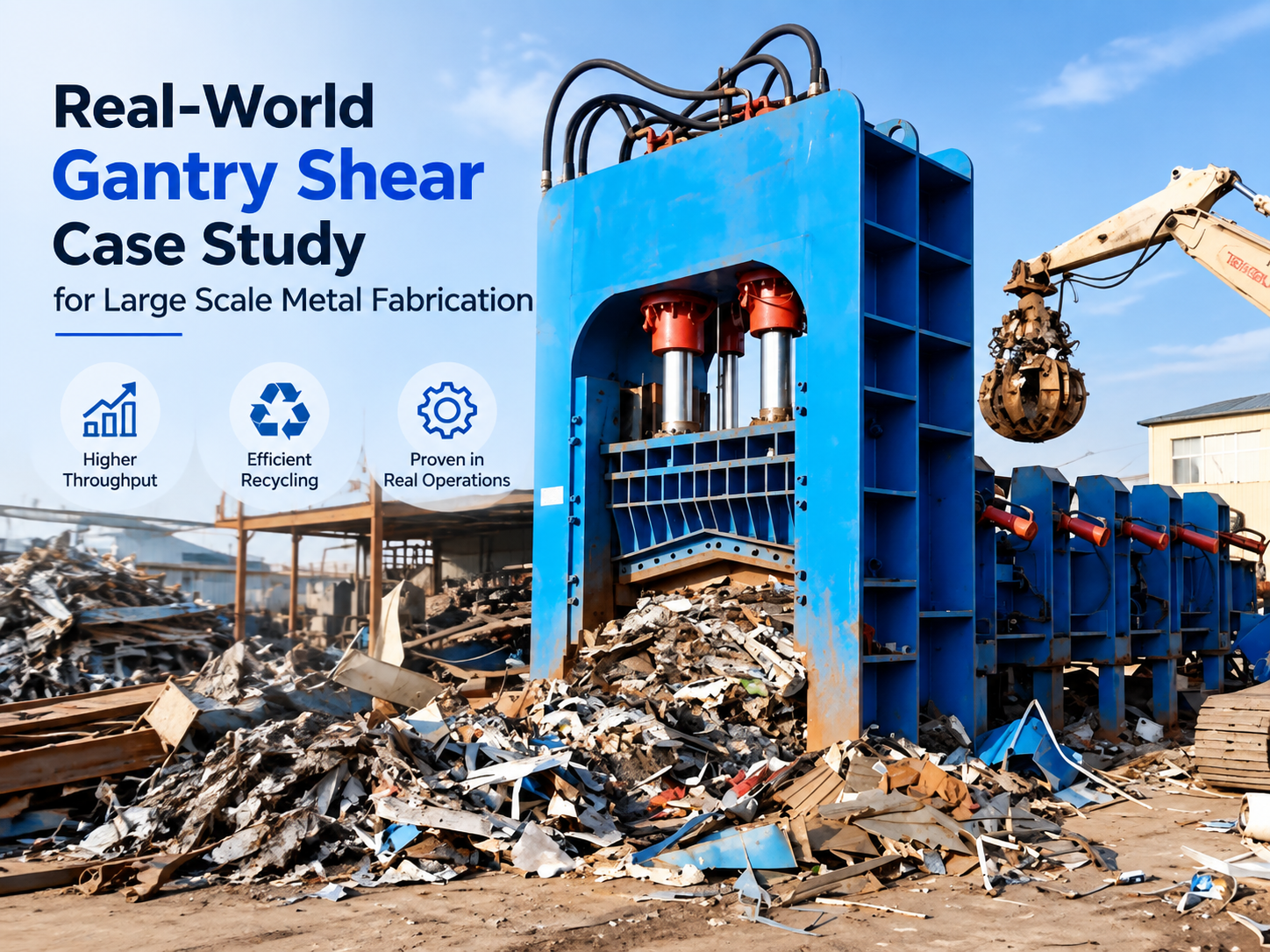
In the demanding landscape of modern industrial manufacturing, the ability to process massive volumes of scrap metal and heavy-duty steel plates is a cornerstone of profitability. Large-scale metal fabrication facilities often face bottlenecks when traditional cutting methods fail to keep pace with incoming material volumes. This is where the implementation of a high-performance gantry shear becomes a transformative asset. By integrating advanced hydraulic force with robust structural engineering, these machines redefine throughput standards.
This article presents a comprehensive real-world gantry shear case study for large scale metal fabrication, focusing on how HARSLE machinery addresses the specific challenges of high-volume recycling and structural steel preparation. We will explore the technical nuances that allow these machines to operate under extreme stress while maintaining precision and safety. For facility managers and procurement officers, understanding these dynamics is essential for making informed capital investments.
The transition from manual or semi-automated cutting to a fully integrated gantry shear system represents a significant leap in operational maturity. As we delve into this case study, we will examine the shift in productivity metrics, the reduction in labor-related downtime, and the long-term return on investment that such machinery provides. Whether you are managing a scrap yard or a heavy fabrication plant, the principles discussed here are universally applicable to high-output environments.
HARSLE has consistently pushed the boundaries of what is possible in metal shearing technology. By focusing on durability, cutting force, and cycle time, the company provides solutions that are not just machines, but integral components of a streamlined production workflow. This guide serves as both an analytical look at real-world performance and a strategic roadmap for those looking to upgrade their fabrication capabilities.
Key Considerations for Large Scale Metal Fabrication
When evaluating the necessity of a gantry shear, the first consideration must be the material profile. Large-scale operations often deal with a heterogeneous mix of scrap, including heavy rebar, I-beams, and thick steel plates. A standard shear might handle one type of material well, but a gantry shear is specifically engineered to handle the unpredictability of mixed-load scrap. The shear force must be calculated based on the maximum tensile strength and thickness of the thickest material expected in the daily workflow.
Operational throughput is the second critical factor. In a real-world gantry shear case study for large scale metal fabrication, the time taken per cut is the primary driver of profitability. HARSLE machines are designed with high-speed hydraulic systems that minimize the idle time of the ram. By optimizing the stroke length and return speed, these machines ensure that the shear is constantly engaged with material, thereby maximizing the tonnage processed per shift.
Space and integration are also paramount. A gantry shear is a massive piece of equipment that requires a stable, reinforced foundation. Facility managers must consider the flow of material—how it arrives, how it is fed into the shear, and how the processed material is removed. A well-planned layout reduces the need for secondary handling, which is a major cost center in large-scale fabrication. The integration of conveyor systems and automated feeding mechanisms is often the difference between a good operation and a world-class one.
Finally, safety and maintenance cannot be overlooked. Large-scale shearing involves immense forces that can cause catastrophic failure if the machine is not properly maintained or if safety protocols are ignored. HARSLE emphasizes a ‘safety-first’ design philosophy, incorporating light curtains, emergency stop systems, and robust guarding. Maintenance schedules must be strictly adhered to, with a focus on hydraulic fluid integrity, blade sharpness, and structural bolt tensioning to ensure the machine remains within its operational tolerances.
Technical Details of HARSLE Gantry Shears
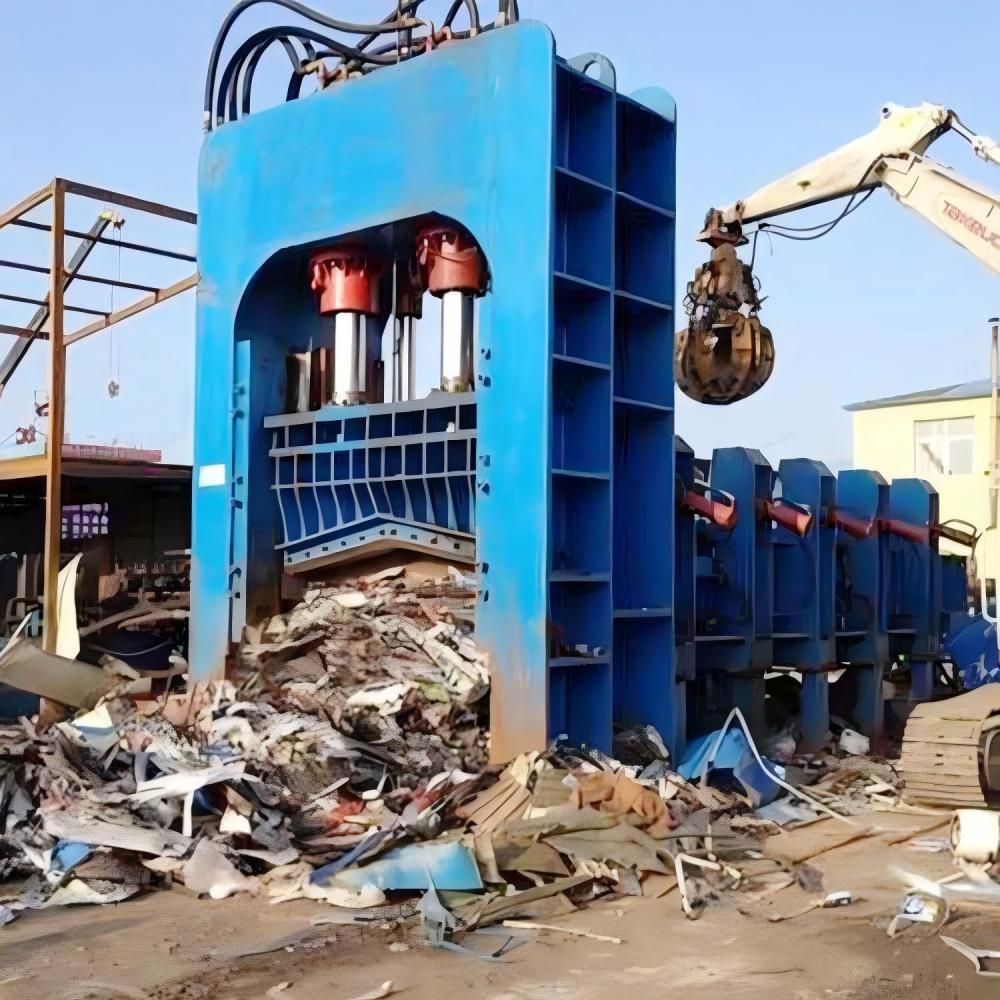
The core of any HARSLE gantry shear is its hydraulic power unit. These systems utilize high-pressure pumps and precision-engineered cylinders to deliver consistent shearing force across the entire width of the blade. The hydraulic architecture is designed to handle shock loads, which are common when shearing irregular scrap metal. By using high-quality seals and advanced filtration systems, HARSLE ensures that the hydraulic fluid remains clean, extending the life of the valves and pumps significantly.
The blade design is another technical marvel. In a real-world gantry shear case study for large scale metal fabrication, the longevity of the cutting edge is a key performance indicator. HARSLE employs specialized alloy steels that are heat-treated to achieve the perfect balance between hardness and toughness. This prevents the blades from chipping when encountering high-tensile materials while maintaining a sharp edge that produces clean, burr-free cuts, which is essential for downstream processes like welding or smelting.
Structural rigidity is the foundation of precision. The gantry frame is constructed from heavy-gauge steel, welded and stress-relieved to prevent warping under load. This rigidity ensures that the blade gap remains constant throughout the entire shearing stroke. If the frame were to flex, the blade gap would widen, leading to poor cut quality and increased wear on the machine. HARSLE’s engineering team uses finite element analysis (FEA) to ensure that every structural member is optimized for maximum load-bearing capacity.
Control systems have also evolved significantly. Modern HARSLE shears feature PLC-based controls that allow operators to program specific cutting cycles, adjust pressure settings, and monitor machine health in real-time. These digital interfaces provide diagnostic data that can predict maintenance needs before a failure occurs. This level of connectivity is vital for large-scale operations where unplanned downtime can cost thousands of dollars per hour. The ability to track production data also allows managers to optimize shift schedules and material flow.
Selection Advice for Industrial Buyers
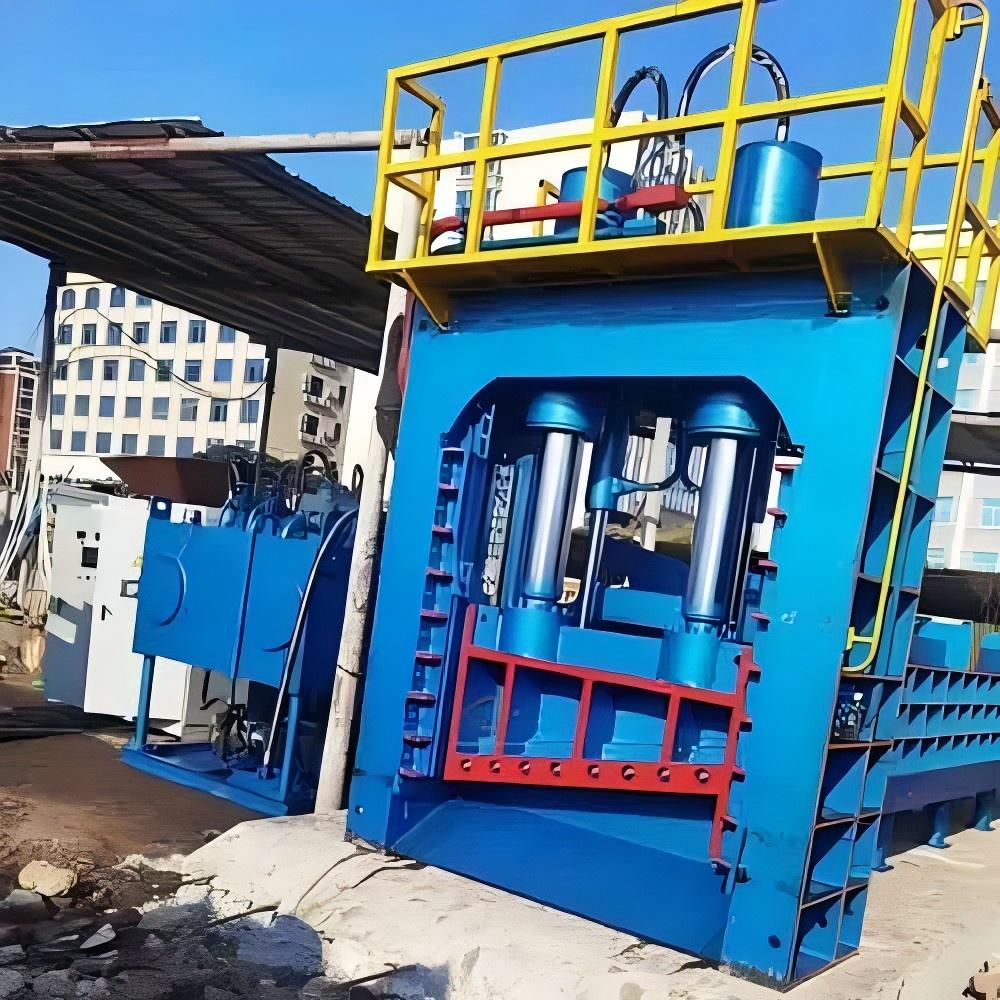
Selecting the right gantry shear requires a deep dive into your specific operational requirements. Start by conducting a material audit. What is the maximum thickness of the steel you process? What is the average length of the scrap? These numbers will dictate the required shear force (measured in tons) and the blade length. Buying a machine that is underpowered will lead to frequent jams and premature wear, while buying one that is significantly overpowered may result in unnecessary capital expenditure.
Consider the power source and energy efficiency. Large-scale shears consume significant amounts of electricity. Look for machines with energy-efficient hydraulic pumps and variable frequency drives (VFDs) that adjust power consumption based on the load. This can lead to substantial savings in utility costs over the lifespan of the machine. Furthermore, evaluate the ease of maintenance. Can the blades be changed quickly? Are the hydraulic components easily accessible? A machine that is difficult to service will inevitably lead to longer downtime.
Vendor support is just as important as the machine itself. When reviewing a real-world gantry shear case study for large scale metal fabrication, look for evidence of reliable after-sales support. Does the manufacturer offer remote diagnostics? Are spare parts readily available? HARSLE prides itself on a global support network that ensures technicians and parts are accessible, minimizing the impact of any technical issues. A strong partnership with your machinery provider is a long-term strategic advantage.
Finally, think about future-proofing. As your business grows, your material volume may increase, or you may start processing different types of alloys. Choose a machine that offers modularity or the ability to upgrade software and control systems. Investing in a high-quality, reputable brand like HARSLE ensures that your equipment retains its value and remains relevant as industry standards evolve. Always request a demonstration or a site visit to see the machine in action before finalizing your purchase.
Frequently Asked Questions (FAQ)
- What is the primary advantage of a gantry shear over a standard alligator shear? A gantry shear offers significantly higher cutting force and a wider blade, making it suitable for large-scale, high-volume processing of heavy structural steel that an alligator shear simply cannot handle.
- How often should the blades on a gantry shear be sharpened? The frequency depends on the material type and volume. However, regular inspection is key. If you notice burrs on the cut edges or an increase in the force required to make a cut, it is time for maintenance.
- Can a gantry shear be integrated into an automated production line? Yes, HARSLE gantry shears are designed to be integrated with conveyors, feeding systems, and sorting equipment to create a fully automated scrap processing line.
- What foundation requirements are needed for a heavy-duty gantry shear? These machines require a reinforced concrete foundation designed to handle the weight and the dynamic forces generated during the shearing process. Consult the manufacturer’s installation manual for specific load-bearing requirements.
- How does HARSLE ensure the safety of operators? HARSLE machines are equipped with multiple safety layers, including physical barriers, light curtains, and emergency stop buttons, all compliant with international industrial safety standards.
Conclusión
The implementation of a gantry shear is a major milestone for any large-scale metal fabrication facility. As demonstrated in this real-world gantry shear case study for large scale metal fabrication, the right equipment can drastically improve throughput, reduce operational costs, and enhance the overall quality of the processed material. By focusing on technical specifications, structural integrity, and long-term maintenance, companies can ensure that their investment provides a competitive edge for years to come.
HARSLE remains committed to providing the industry with robust, efficient, and reliable shearing solutions. Whether you are upgrading an existing facility or building a new one from the ground up, the principles of high-capacity shearing remain the same: precision, power, and performance. We encourage you to evaluate your current processes and consider how a modern gantry shear can help you achieve your production goals.
Investing in high-quality machinery is not just about buying a tool; it is about investing in the future of your business. With the right partner and the right equipment, the challenges of large-scale metal fabrication become opportunities for growth and efficiency. Contact HARSLE today to learn more about how our gantry shear solutions can be tailored to your specific operational needs.