
How Industrial Shredding Improved After Installing a Four-Shaft Shredder: A Comprehensive Guide

Introducción
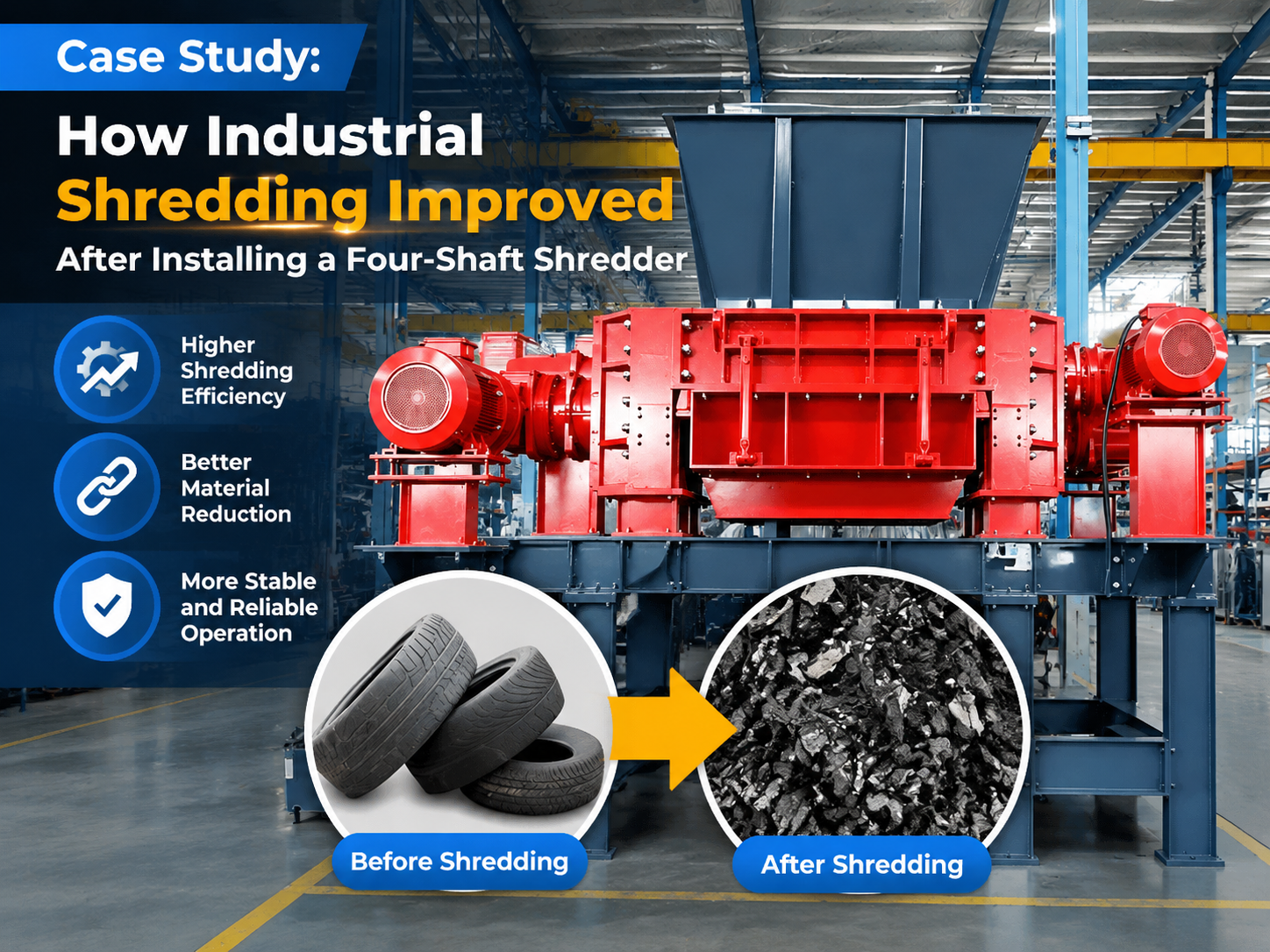
In the modern landscape of metal fabrication and industrial waste management, the efficiency of material processing is a critical determinant of profitability. Many facilities struggle with bulky scrap, inconsistent output sizes, and frequent downtime caused by outdated shredding technology. When companies ask, “How industrial shredding improved after installing a four-shaft shredder,” the answer often lies in the fundamental shift from basic shearing to precision-engineered, multi-stage reduction.
HARSLE has observed a significant trend in the manufacturing sector: the transition from two-shaft or single-shaft systems to robust four-shaft configurations. This transition is not merely an equipment upgrade; it is a strategic overhaul of the production line. By utilizing four shafts, facilities can achieve a level of control over particle size and throughput that was previously unattainable with traditional machinery.
This article explores the technical advantages, operational improvements, and strategic benefits of integrating a four-shaft shredder into your facility. Whether you are managing high-volume metal scrap or complex industrial waste, understanding the mechanics of four-shaft technology is essential for optimizing your bottom line and ensuring long-term operational success.

Key Considerations for Shredding Efficiency
Before investing in new machinery, it is vital to evaluate the specific challenges of your current waste stream. Industrial shredding is not a one-size-fits-all process. The primary consideration is the material composition. Are you processing thin-gauge sheet metal, heavy structural steel, or mixed industrial waste? A four-shaft shredder excels in these environments because it utilizes a secondary set of shafts to act as a sizing screen, ensuring that material is only discharged when it reaches the desired dimensions.
Another key consideration is the throughput requirement. Facilities often face bottlenecks where the shredder cannot keep up with the volume of scrap generated by press brakes, laser cutters, or shearing machines. By installing a four-shaft shredder, operators can maintain a continuous flow, preventing the accumulation of scrap that often leads to safety hazards and floor space congestion.
Energy consumption and maintenance cycles are also paramount. Older shredding systems often require frequent stops to clear jams or replace worn blades. The four-shaft design distributes the cutting load across more blades and shafts, which reduces the stress on individual components. This leads to longer intervals between maintenance sessions and lower overall energy costs per ton of processed material.
Finally, consider the downstream requirements of your scrap. If you are selling your metal to recyclers, the density and uniformity of the shredded material directly impact the price you receive. A four-shaft shredder produces a consistent, high-density output that is easier to transport and more valuable to smelting facilities, effectively turning your waste into a revenue stream. By controlling the particle size, you minimize the “air space” in shipping containers, significantly reducing logistics costs.
Technical Details of Four-Shaft Technology
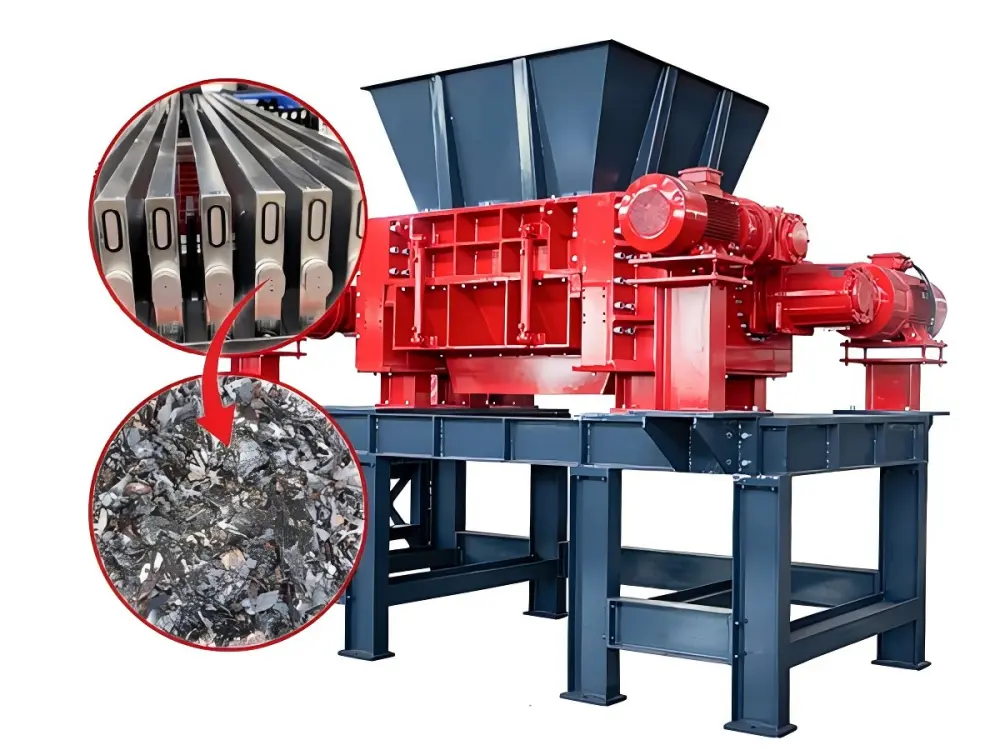
The core of the four-shaft shredder’s superiority lies in its unique mechanical architecture. Unlike two-shaft shredders, which rely primarily on a shearing action, a four-shaft system incorporates two main cutting shafts and two auxiliary sizing shafts. This dual-stage process ensures that material is shredded, then sized, and finally discharged, resulting in a highly uniform output.
The cutting shafts are typically equipped with high-strength alloy steel blades that are hardened to withstand the rigors of metal fabrication. These blades are arranged in a specific pattern to maximize the “grab” on the material, pulling it into the cutting chamber with significant torque. The low-speed, high-torque operation is essential for processing tough metals without overheating the motor or causing excessive wear on the cutting edges.
The sizing shafts, located beneath the main cutting shafts, act as a mechanical gatekeeper. If a piece of material is larger than the gap between the sizing blades, it is pulled back into the main cutting zone for further reduction. This closed-loop system is the primary reason why industrial shredding improved after installing a four-shaft shredder; it eliminates the need for external screening equipment, which often clogs and requires additional maintenance.
Advanced control systems are also a hallmark of modern four-shaft shredders. HARSLE-integrated systems feature PLC-based monitoring that detects torque spikes. If a non-shreddable object enters the chamber, the system automatically reverses the shafts to prevent damage, then resumes operation. This intelligent automation protects the machine’s investment and ensures that the production line remains operational even when dealing with contaminated scrap streams.
Operational Advantages: A Deep Dive
When analyzing how industrial shredding improved after installing a four-shaft shredder, one must look at the reduction in labor intensity. In traditional setups, operators often spend hours manually sorting or cutting oversized scrap to fit into smaller shredders. The four-shaft design features a large, aggressive infeed hopper that accepts bulky items directly from forklifts or conveyor systems, drastically reducing the need for manual intervention.
Furthermore, the noise pollution and vibration levels are significantly lower compared to high-speed hammer mills. Because the four-shaft system operates at a low RPM, it maintains a quieter work environment, which is crucial for facilities located in urban areas or those adhering to strict OSHA noise regulations. The structural integrity of the machine frame, often reinforced with heavy-duty steel plating, ensures that vibration is dampened, protecting the surrounding concrete floor and adjacent sensitive equipment.
Selection Advice: Choosing the Right Shredder
Selecting the right four-shaft shredder requires a deep dive into your facility’s specific needs. Start by calculating your daily volume of scrap. A shredder that is under-sized will lead to premature wear and constant downtime, while an over-sized unit represents unnecessary capital expenditure. Consult with HARSLE engineers to perform a material analysis, which helps determine the required torque, blade configuration, and motor power.
Consider the physical layout of your factory floor. Four-shaft shredders can be configured with various infeed and discharge options, such as conveyor belts, vibratory feeders, or gravity chutes. Integrating the shredder directly into your existing scrap handling system can significantly reduce labor costs and improve workplace safety by minimizing the manual handling of sharp metal edges.
Look for modular design features. A high-quality four-shaft shredder should allow for easy access to the cutting chamber for blade replacement or maintenance. Blades should be easily removable and sharpenable, or replaceable in segments to minimize downtime. The ability to swap out blade profiles for different material types is also a significant advantage for facilities that handle diverse scrap streams.
Finally, prioritize support and spare parts availability. Industrial shredders are heavy-duty machines that require periodic maintenance. Partnering with a manufacturer like HARSLE ensures that you have access to technical support, genuine spare parts, and expert guidance on optimizing your shredding parameters. A shredder is a long-term asset; choose a partner that is committed to your success throughout the machine’s lifecycle.
Maintenance Best Practices
To maintain the performance gains achieved after installation, a proactive maintenance schedule is essential. First, establish a daily inspection routine to check for loose bolts, hydraulic leaks, and unusual noises. Second, monitor the blade wear patterns. Even with high-grade steel, blades will eventually dull. Rotating the blades or having them re-sharpened at the first sign of performance degradation prevents the motor from working harder than necessary, which extends the life of the drivetrain.
Lubrication is another critical factor. Ensure that the automatic lubrication systems are filled and functioning correctly to keep the bearings and shafts moving smoothly. Finally, keep the area around the shredder clean. Dust and metal fines can accumulate and cause overheating in the electrical cabinet or motor housing. By keeping the machine clean, you ensure optimal cooling and longevity.
FAQ: Common Questions About Four-Shaft Shredders
- Q: Why is a four-shaft shredder better than a two-shaft model?
A: The four-shaft design provides superior control over particle size due to the integrated sizing shafts. This eliminates the need for external screens and produces a more uniform, high-density output. - Q: How often do the blades need to be replaced?
A: Blade life depends on the material being shredded and the volume. However, because the load is distributed across four shafts, the blades typically last significantly longer than those in two-shaft systems. - Q: Can a four-shaft shredder handle contaminated scrap?
A: Yes, modern four-shaft shredders are equipped with intelligent PLC systems that detect non-shreddable items and automatically reverse the shafts to prevent damage. - Q: Does the shredder require a lot of floor space?
A: While they are robust machines, their vertical design often makes them more space-efficient than two-shaft systems that require external screening equipment. - Q: How does this improve my recycling revenue?
A: By producing a consistent, high-density shredded product, you can command higher prices from recyclers who prefer uniform material for their smelting processes. - Q: Is the installation process complex?
A: While the machine is heavy, HARSLE provides comprehensive installation guides and on-site support to ensure that the integration into your existing production line is seamless and efficient.
Conclusión
The question of “How industrial shredding improved after installing a four-shaft shredder” is best answered by the tangible results seen on the factory floor: increased throughput, reduced maintenance costs, and higher-quality scrap output. For metal fabrication facilities, the transition to four-shaft technology is a proven method for optimizing waste management and enhancing overall operational efficiency.
By investing in a high-performance HARSLE four-shaft shredder, you are not just buying a machine; you are implementing a solution that addresses the complexities of modern industrial waste. With the right selection, proper maintenance, and a focus on integration, your facility can transform its scrap handling process from a bottleneck into a streamlined, profitable component of your production line.
As the industry continues to evolve, the demand for efficient, reliable, and sustainable processing solutions will only grow. Stay ahead of the curve by upgrading your infrastructure today. Contact HARSLE to learn more about our range of industrial shredding solutions and how we can help you achieve the next level of fabrication excellence.












