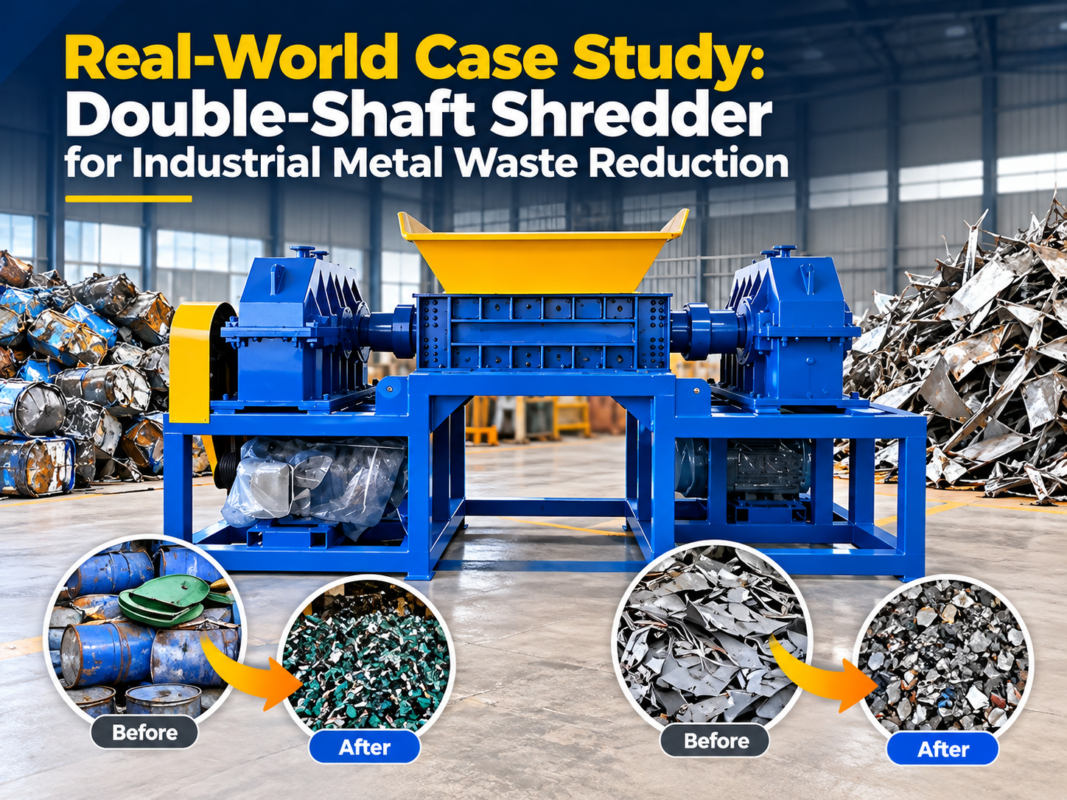
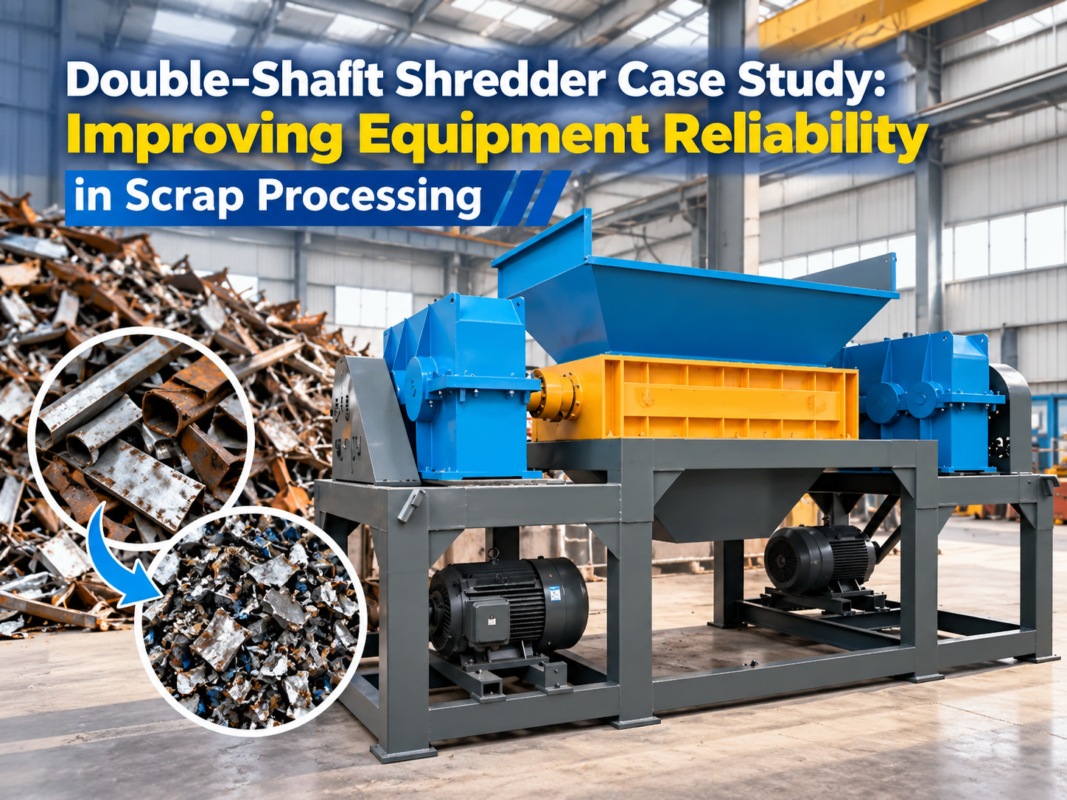
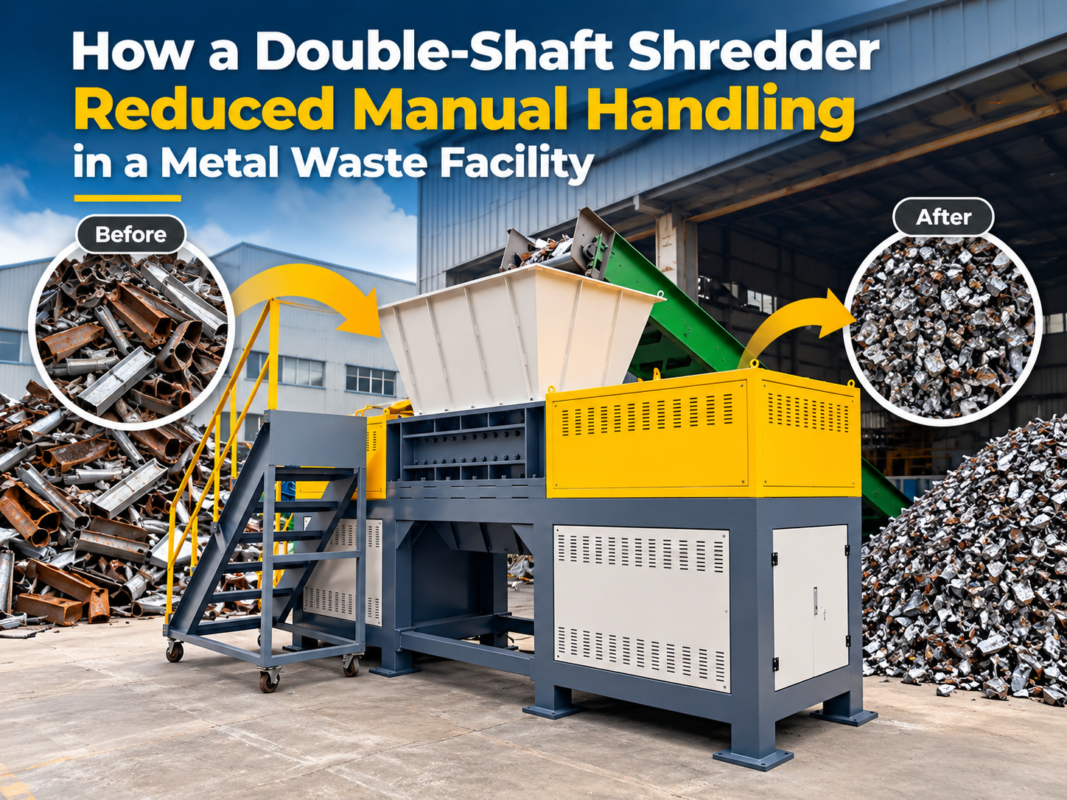
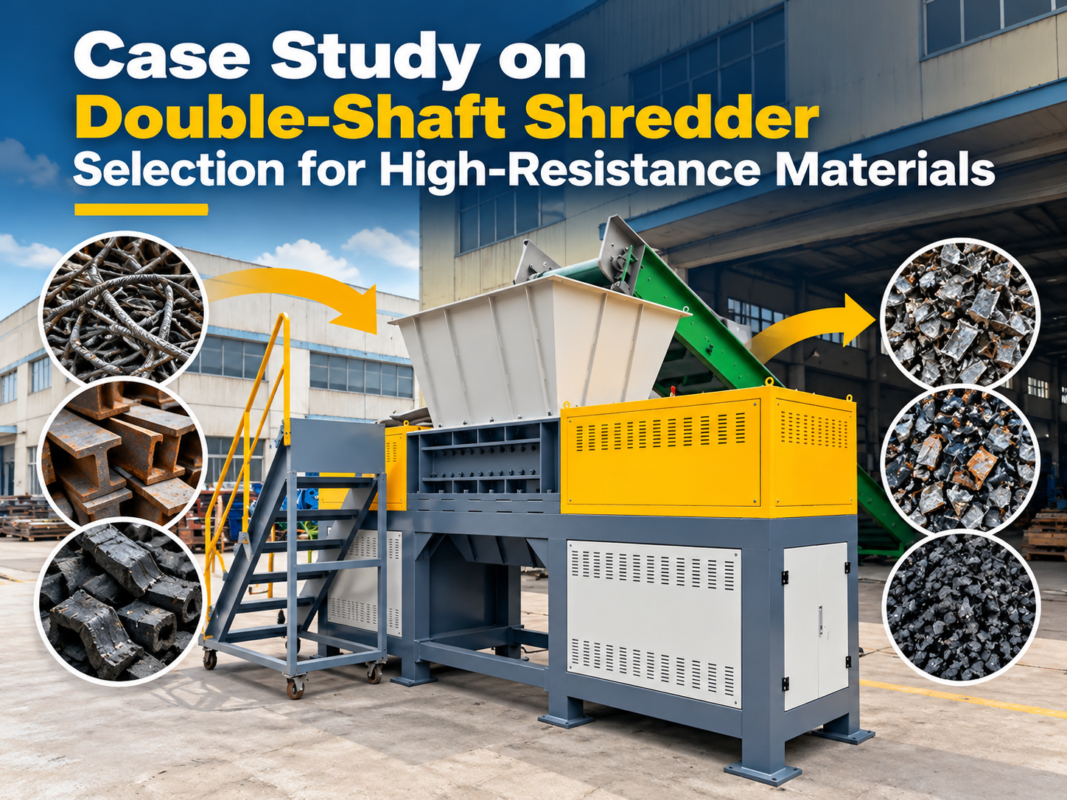
How a Single-Shaft Shredder Lowered Transportation Costs by Compacting Waste Volume

Introduction: The Hidden Cost of Industrial Waste
In the competitive landscape of modern metal fabrication and industrial manufacturing, operational efficiency is often measured by what happens on the factory floor. However, a significant portion of overhead costs is frequently hidden in the logistics of waste management. Many facilities struggle with the sheer volume of scrap metal, plastic offcuts, and bulky industrial waste that requires frequent, expensive transportation to recycling centers or landfills. When waste is left in its raw, bulky state, companies are essentially paying to transport air, significantly inflating their logistics budget.
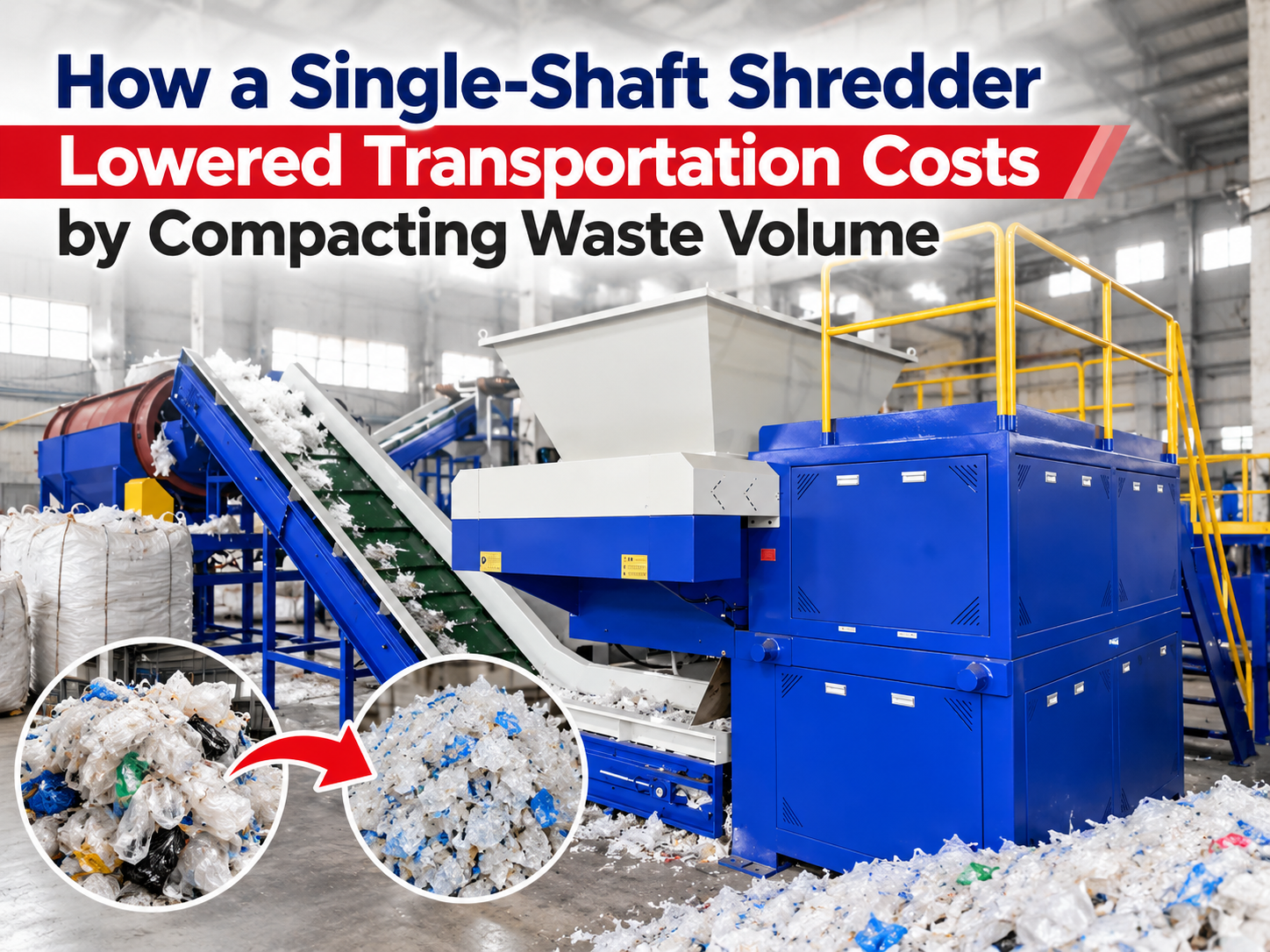
This is where the strategic implementation of a single-shaft shredder becomes a game-changer. By transforming bulky, irregular waste into uniform, dense particles, manufacturers can drastically increase the payload capacity of their transport vehicles. The narrative of how a single-shaft shredder lowered transportation costs by compacting waste volume is becoming a standard success story for HARSLE clients worldwide. This article explores the technical, financial, and operational advantages of integrating shredding technology into your waste management workflow.
Understanding the relationship between material density and transportation efficiency is critical. Most logistics providers charge based on volume rather than weight when dealing with low-density scrap. By shredding materials, you increase the bulk density of the waste, allowing you to fit significantly more material into a single container or truckload. This simple physical transformation directly translates into fewer trips, lower fuel consumption, and reduced labor costs associated with waste handling.
HARSLE has observed that facilities adopting this technology often see a return on investment within the first 12 to 18 months, driven primarily by the reduction in waste disposal logistics. As environmental regulations tighten and the cost of carbon-heavy transportation rises, the ability to compact waste on-site is no longer just a convenience—it is a strategic necessity for sustainable and profitable manufacturing.
Key Considerations for Waste Volume Reduction
Before investing in a shredding solution, facility managers must evaluate the specific nature of their waste stream. Not all waste is created equal, and the mechanical properties of your scrap—such as hardness, elasticity, and size—will dictate the type of shredder required. A single-shaft shredder is particularly effective for high-volume, consistent waste streams, but understanding the throughput requirements is essential for long-term success.
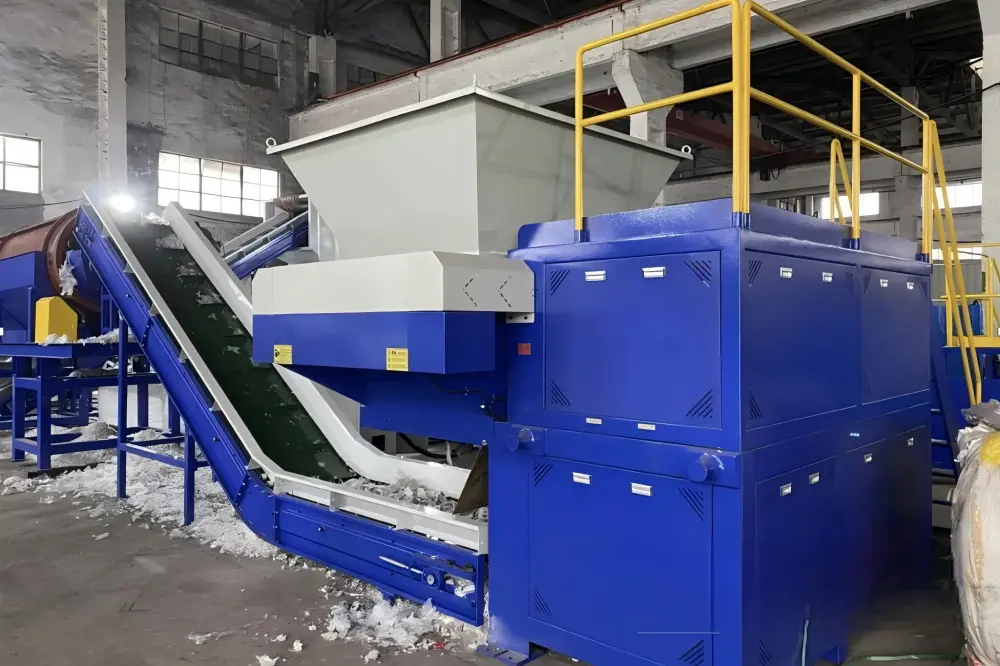
Space constraints on the factory floor are another vital consideration. Industrial shredders must be integrated into the existing production flow without creating bottlenecks. HARSLE engineers emphasize the importance of a “lean” layout where the shredder is positioned near the source of the waste, minimizing the need for manual handling or complex conveyor systems. This proximity ensures that waste is processed immediately, preventing the accumulation of bulky scrap in high-traffic areas.
Safety and regulatory compliance also play a major role. Shredding equipment must meet local safety standards, including emergency stop mechanisms, noise suppression, and dust control systems. When you choose to implement a shredder, you are not just buying a machine; you are upgrading your facility’s safety profile. Properly managed waste is less of a fire hazard and reduces the risk of workplace injuries associated with handling sharp or heavy scrap.
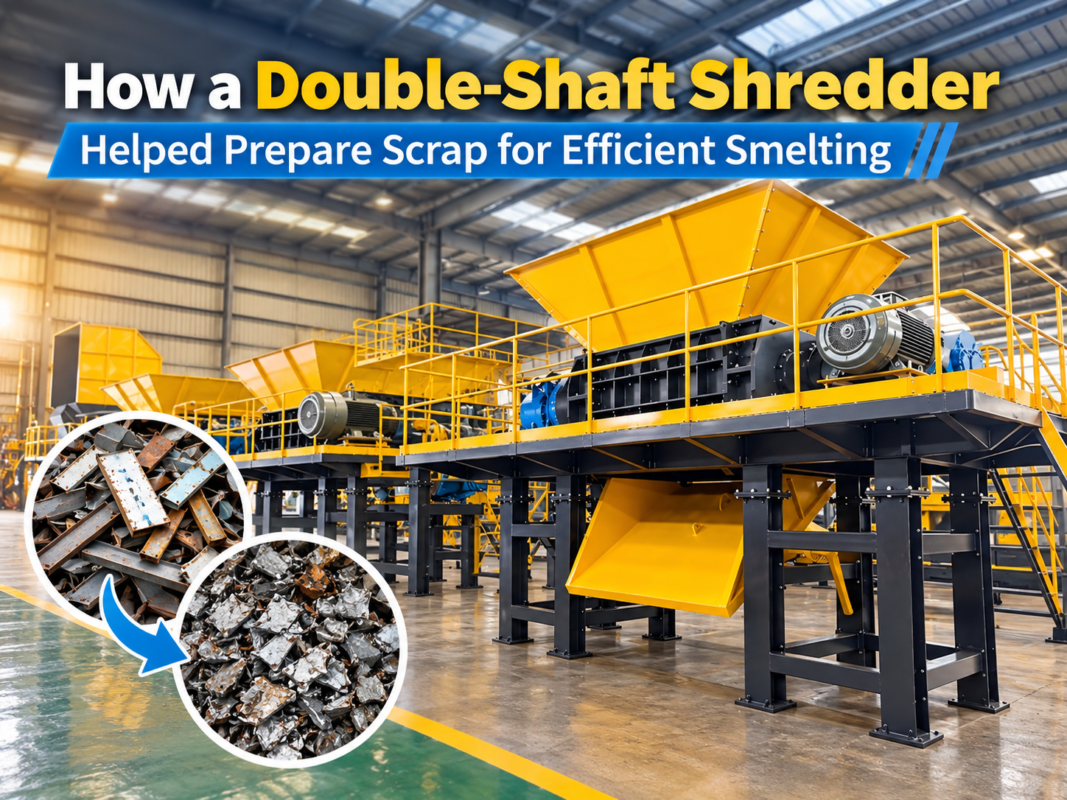
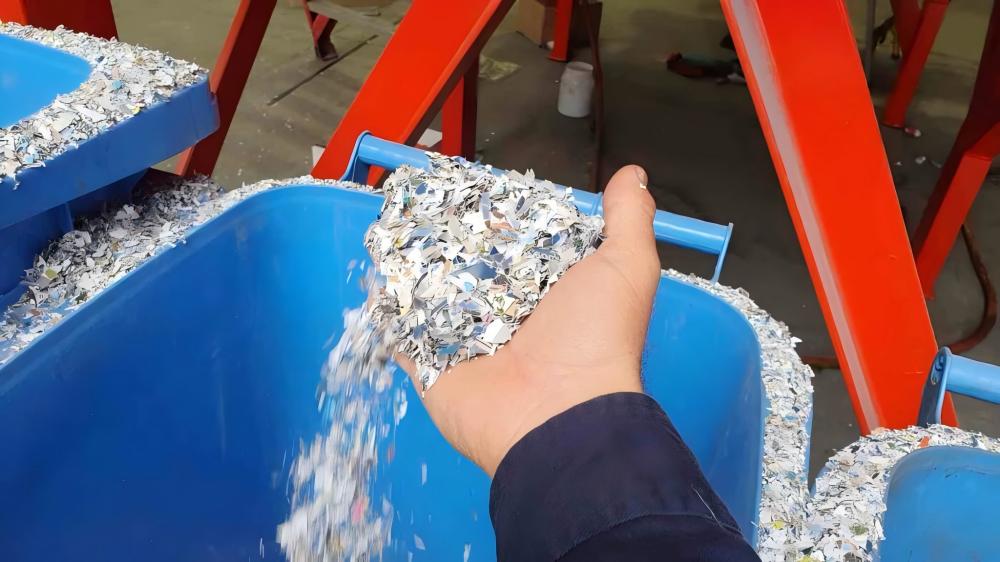
Finally, consider the downstream value of your shredded material. In many cases, shredded metal or plastic scrap can be sold at a higher price point to recyclers because it is already processed and ready for smelting or reprocessing. By turning waste into a refined commodity, you shift from a model of “paying for disposal” to “generating revenue from scrap,” further offsetting the costs of your industrial machinery investment.
Technical Details: How the Shredding Process Works
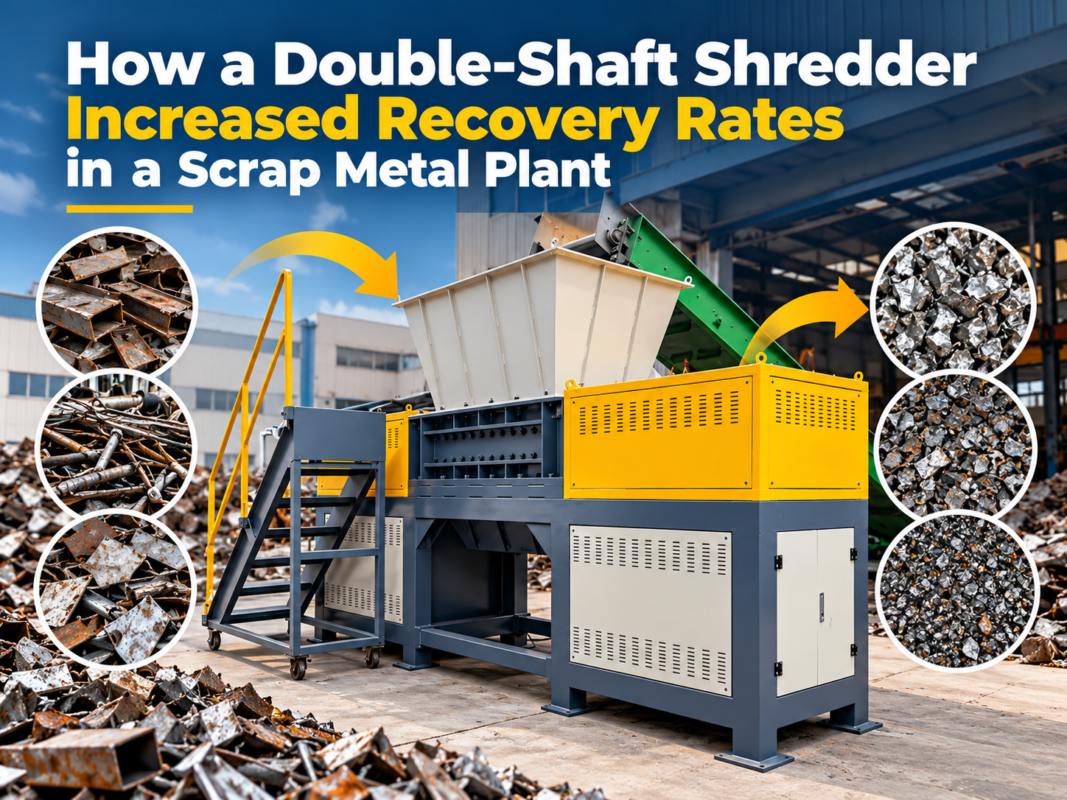
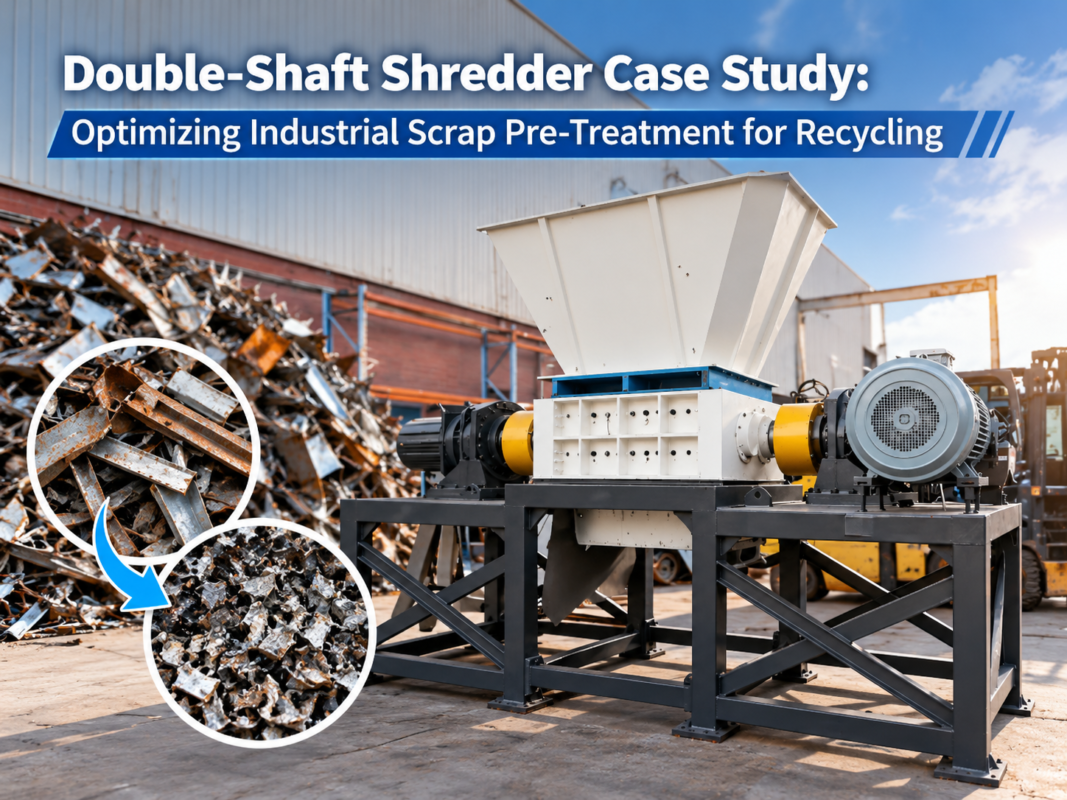
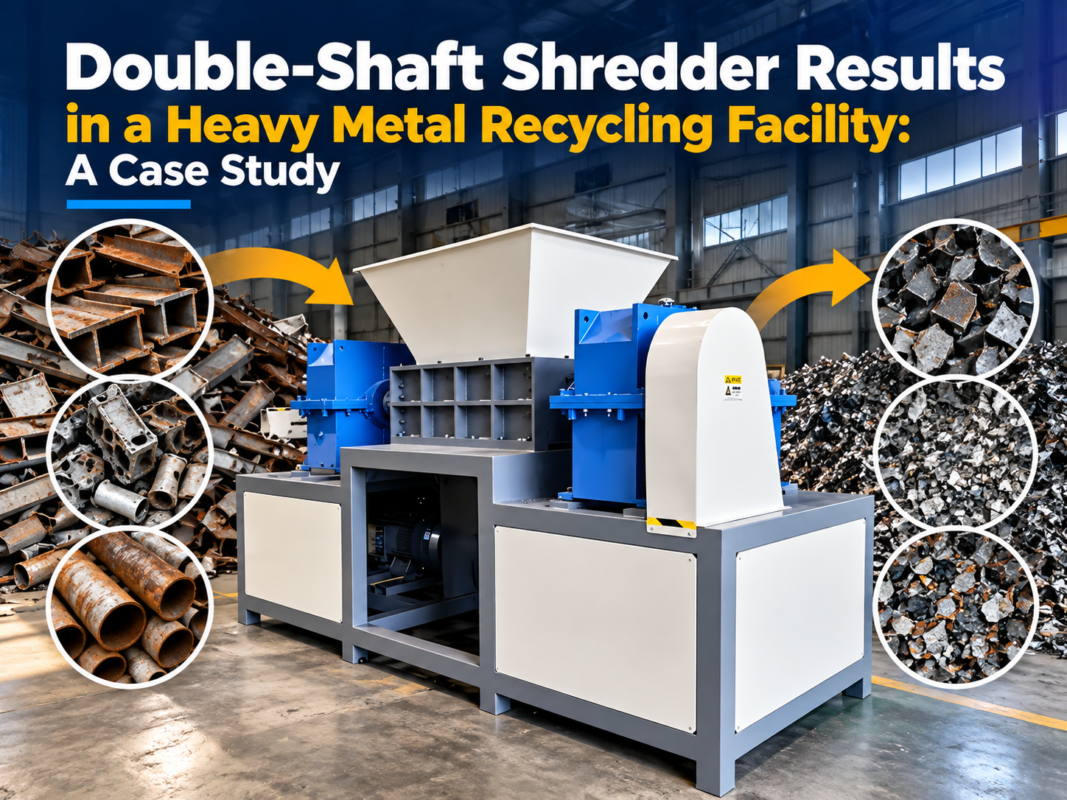
The core mechanism of a single-shaft shredder relies on a high-torque, low-speed rotor equipped with hardened cutting knives. As material is fed into the hopper, a hydraulic ram pushes the waste against the rotating cutter shaft. This controlled pressure ensures that even the most stubborn materials are gripped and torn apart by the knives, which pass against a stationary counter-knife to achieve a precise cut.
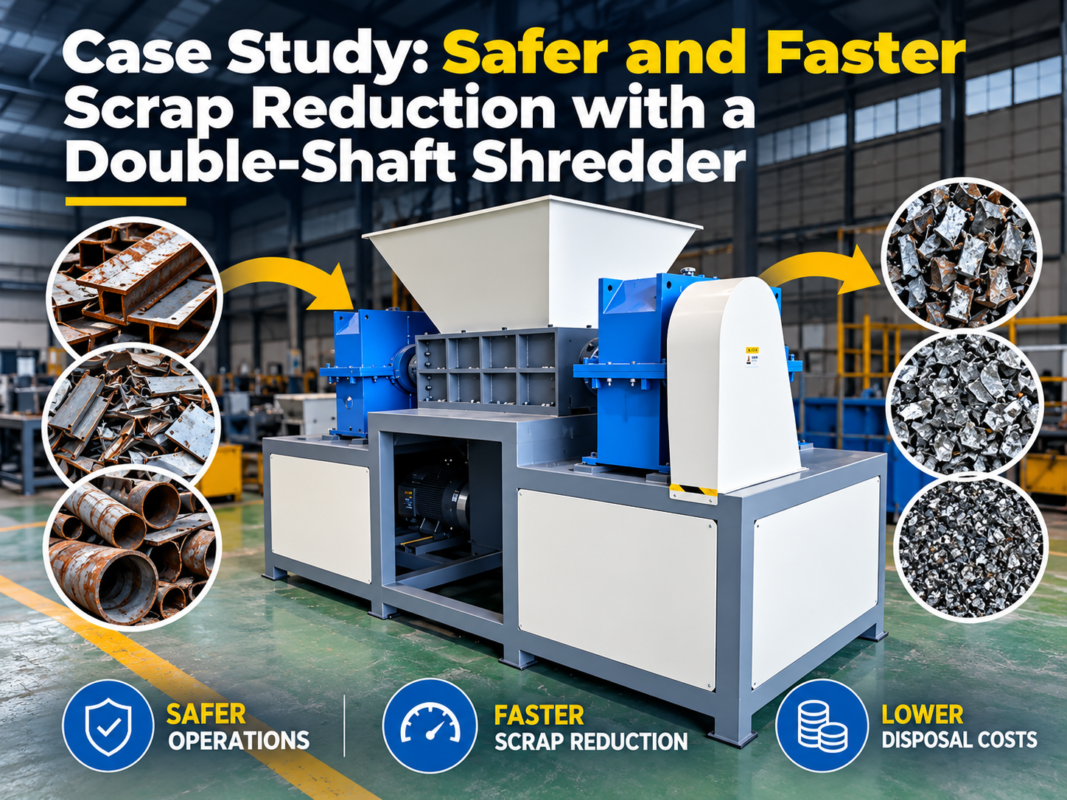
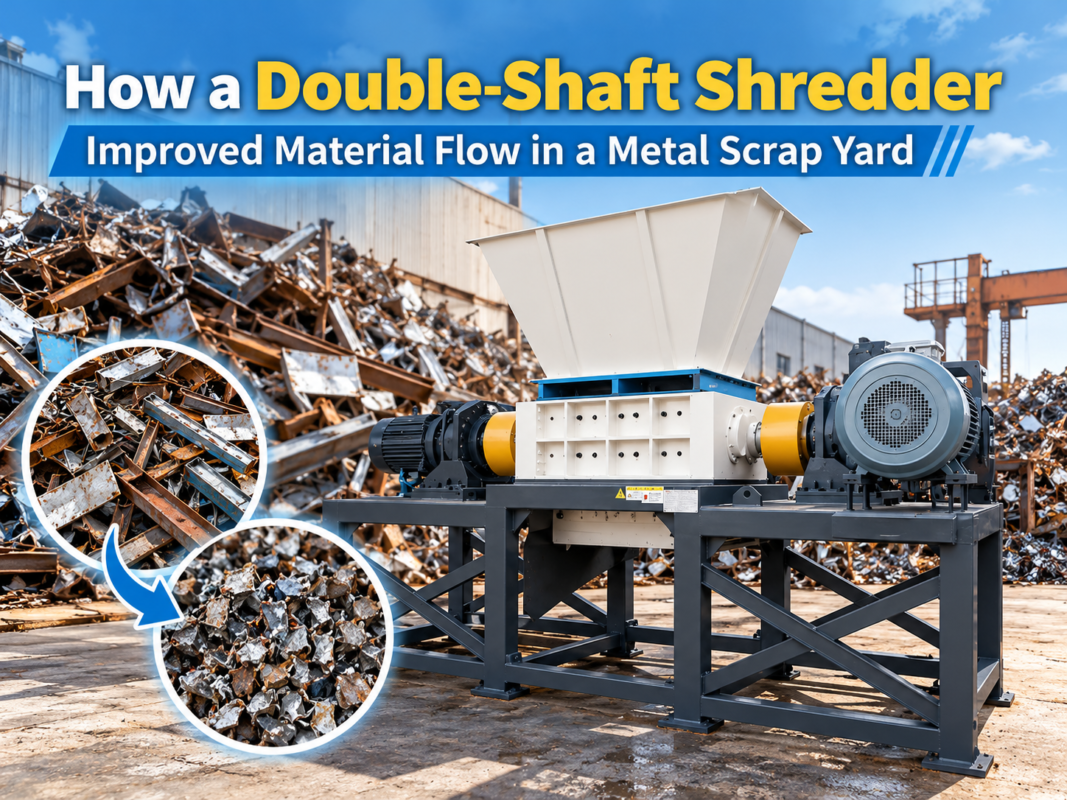
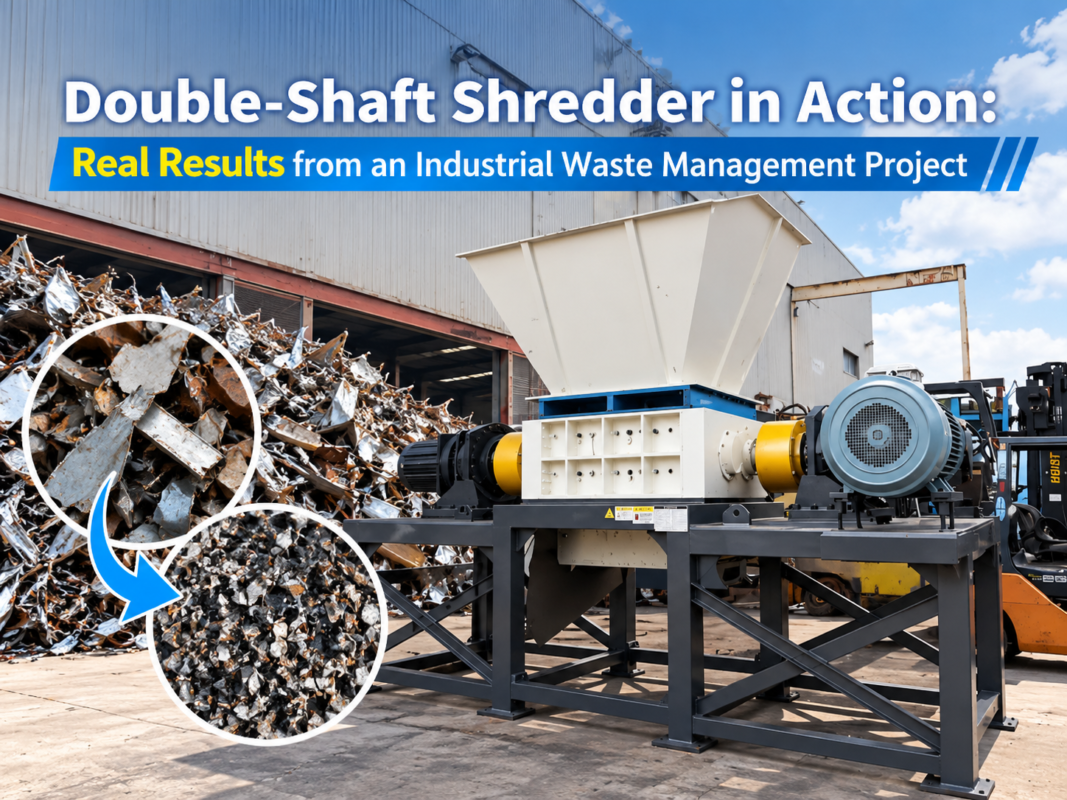
One of the primary reasons a single-shaft shredder lowered transportation costs by compacting waste volume is the ability to control the output size through a screen. The screen, located at the bottom of the cutting chamber, ensures that material is only discharged once it has been shredded to the desired dimensions. This uniformity is what allows for maximum compaction; smaller, uniform pieces pack together much more tightly than raw, jagged scrap, eliminating the large air gaps that typically occupy space in transport containers.
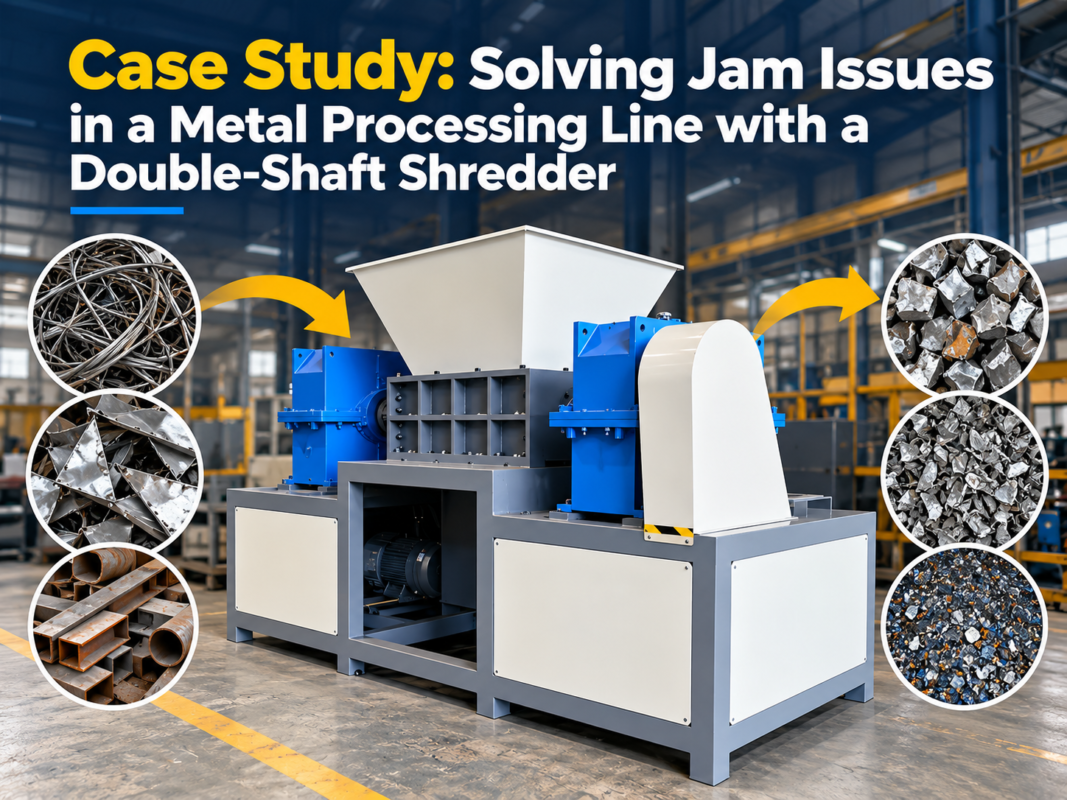
The hydraulic ram system is a critical technical component that distinguishes high-quality shredders from inferior models. HARSLE’s shredders utilize an intelligent PLC-controlled ram that adjusts its pressure based on the load in the cutting chamber. This prevents the machine from jamming and ensures consistent throughput, even when processing mixed material streams. This automation allows the machine to operate with minimal supervision, freeing up personnel for more value-added tasks.
Maintenance of the cutting tools is the most important technical aspect of long-term operation. The knives are typically made from high-alloy steel, designed to withstand the abrasive nature of metal fabrication waste. Depending on the material being shredded, these knives can be rotated or replaced to maintain peak cutting efficiency. A well-maintained shredder ensures that the compaction ratio remains high, directly protecting your logistics savings over the life of the equipment.
Selection Advice: Choosing the Right Equipment
Selecting the right shredder requires a deep dive into your specific operational needs. Start by auditing your waste stream: what is the volume per day, and what are the physical characteristics of the material? A shredder designed for thin aluminum sheets will require different knife geometry and motor power than one designed for thick steel offcuts or industrial plastics. HARSLE recommends conducting a material test to determine the optimal rotor speed and screen size for your specific application.
Consider the power requirements and energy efficiency of the motor. While high-torque motors are necessary for shredding, modern industrial machinery should also feature energy-saving modes. Look for systems that include automatic “sleep” functions when no material is being fed, which can significantly reduce electricity consumption in facilities with intermittent waste generation. This is a key factor in calculating the total cost of ownership.
Integration capabilities are equally important. Does the shredder need to be fed by a conveyor belt, or will it be manually loaded? Does the output need to be blown into a silo, or will it fall directly into a bin? HARSLE provides customizable feed and discharge options to ensure that the shredder fits seamlessly into your existing production line. A poorly integrated machine will create more work than it saves, so prioritize systems that offer modular design and flexible installation options.
Finally, evaluate the manufacturer’s support network. Industrial shredders are heavy-duty machines that require periodic servicing. Ensure that the supplier offers readily available spare parts, such as replacement knives and screens, and provides technical support to troubleshoot any operational issues. A reliable partner like HARSLE ensures that your investment continues to deliver cost savings by minimizing downtime and maximizing machine availability.
FAQ: Common Questions About Industrial Shredding
How much space can I save by using a shredder?
On average, shredding can reduce the volume of industrial waste by 70% to 90%. This means that a single truckload of shredded material can replace three to five truckloads of raw, bulky scrap, leading to massive savings in transportation costs.
Is a single-shaft shredder suitable for all types of metal?
While single-shaft shredders are highly versatile, they are best suited for light to medium-gauge metals, plastics, and wood. For extremely heavy, thick-gauge steel, a dual-shaft or four-shaft shredder might be more appropriate. Always consult with a HARSLE technician to match the machine to your specific material hardness.
How often do the knives need to be replaced?
Knife life depends on the abrasiveness of the material and the volume processed. With proper maintenance and regular sharpening, high-quality knives can last for thousands of hours. HARSLE provides wear-resistant knife options specifically designed for high-abrasion environments.
Can the shredder be integrated into an automated line?
Yes, HARSLE shredders are designed with PLC interfaces that allow them to be integrated into fully automated production lines, including conveyor systems and automated sorting equipment.
Conclusion: Investing in Efficiency
The decision to invest in a single-shaft shredder is a strategic move toward a more efficient, profitable, and sustainable manufacturing operation. As demonstrated, the primary driver for many businesses is the immediate impact on logistics: how a single-shaft shredder lowered transportation costs by compacting waste volume is a testament to the power of simple, effective engineering. By reducing the physical footprint of your waste, you are not only cutting costs but also streamlining your entire facility’s workflow.
Beyond the financial benefits, adopting shredding technology aligns your business with modern environmental standards. Reducing the number of transport trips lowers your carbon footprint, making your operations more attractive to eco-conscious clients and compliant with increasingly stringent waste management regulations. It is a rare instance in industrial manufacturing where an investment pays for itself through both operational savings and improved corporate responsibility.
HARSLE remains committed to providing the metal fabrication industry with the tools necessary to thrive in a competitive market. Our range of shredders is built with the same precision and durability as our world-class press brakes and shearing machines. We invite you to analyze your current waste management costs and consider how a tailored shredding solution could transform your logistics strategy. The path to a leaner, more profitable factory floor starts with managing your waste as efficiently as you manage your production.
In summary, the transition to shredded waste management is a logical step for any facility looking to optimize its bottom line. Whether you are dealing with metal offcuts, plastic packaging, or general industrial debris, the compaction benefits are undeniable. Contact HARSLE today to discuss your specific requirements and take the first step toward reducing your transportation overhead and maximizing your operational efficiency.