How a Horizontal Baler Transformed Waste Management in a Press Shop: A HARSLE Case Study

Introduction: The Hidden Cost of Scrap in Metal Fabrication
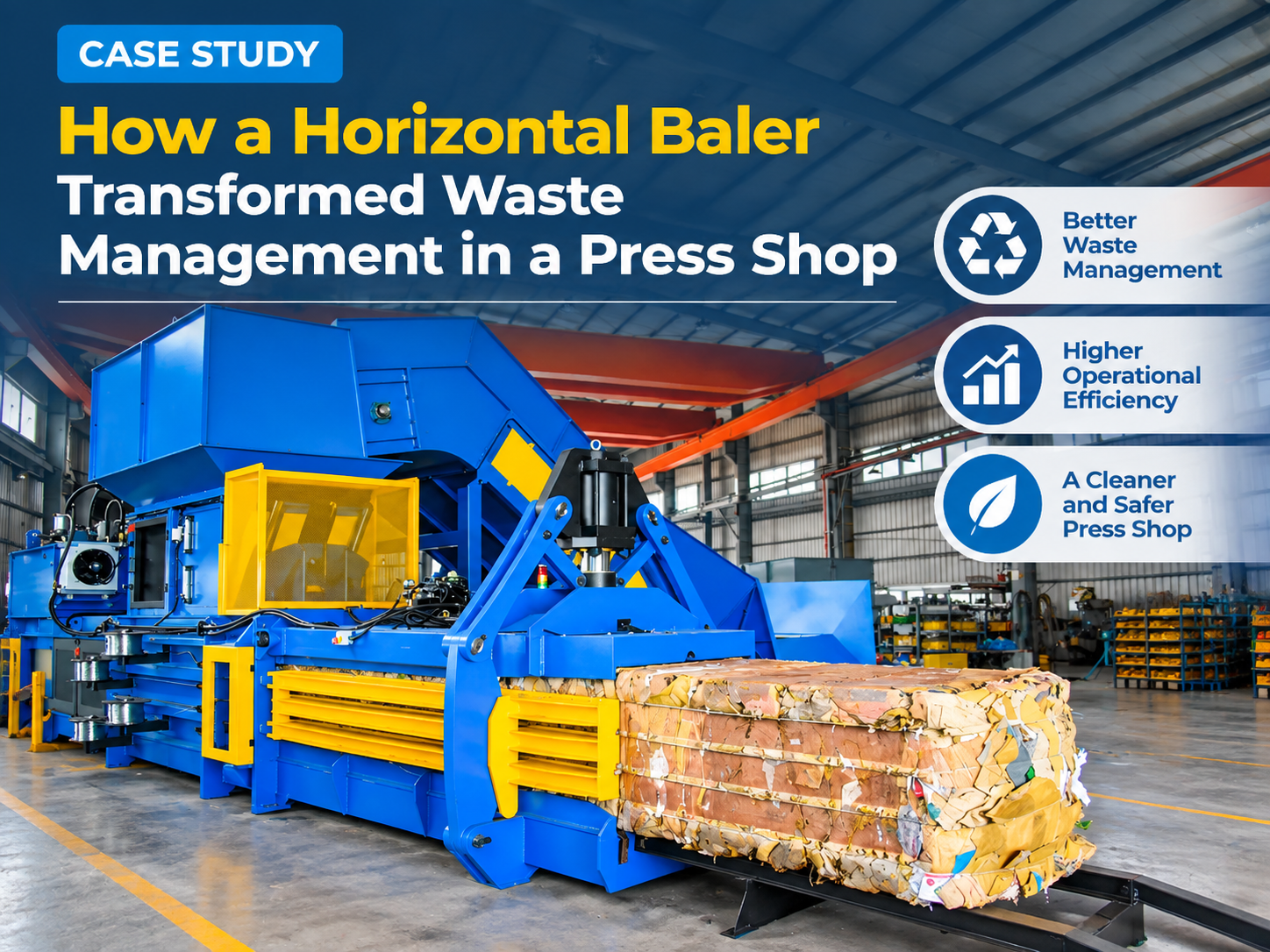
In the high-speed environment of a modern press shop, efficiency is usually measured by parts per hour, tool life, and downtime reduction. However, one of the most significant operational bottlenecks often goes unnoticed until it begins to impact the bottom line: scrap metal management. For many fabrication facilities, the accumulation of offcuts, skeleton sheets, and metal trimmings creates a logistical nightmare that consumes valuable floor space and labor hours. This is where the narrative of how a horizontal baler transformed waste management in a press shop becomes a critical lesson for plant managers.
HARSLE has observed that as production volumes scale, the traditional method of manual scrap handling—tossing loose metal into open bins—becomes unsustainable. It creates safety hazards, increases fire risks, and significantly lowers the resale value of scrap materials. By transitioning to an automated baling solution, shops can convert a chaotic waste stream into a streamlined, revenue-generating asset. This article explores the technical and operational shift that occurs when a facility upgrades its waste handling infrastructure.
The transformation is not merely about tidiness; it is about reclaiming the shop floor. When scrap is compressed into dense, uniform bales, the footprint required for storage shrinks by up to 80%. This reclaimed space can then be repurposed for additional press lines or assembly stations, directly contributing to the facility’s overall throughput. Furthermore, the logistical ease of transporting baled scrap compared to loose, jagged metal reduces the risk of workplace injuries and equipment damage.
Ultimately, the decision to invest in a horizontal baler is a strategic move toward lean manufacturing. By integrating this equipment, press shops can achieve a more predictable workflow, reduce the frequency of waste removal pickups, and command higher prices from recycling centers. As we delve into the technical aspects and selection criteria, it becomes clear that this piece of machinery is not just a waste management tool—it is a production efficiency engine.
Key Considerations for Implementing Baling Solutions
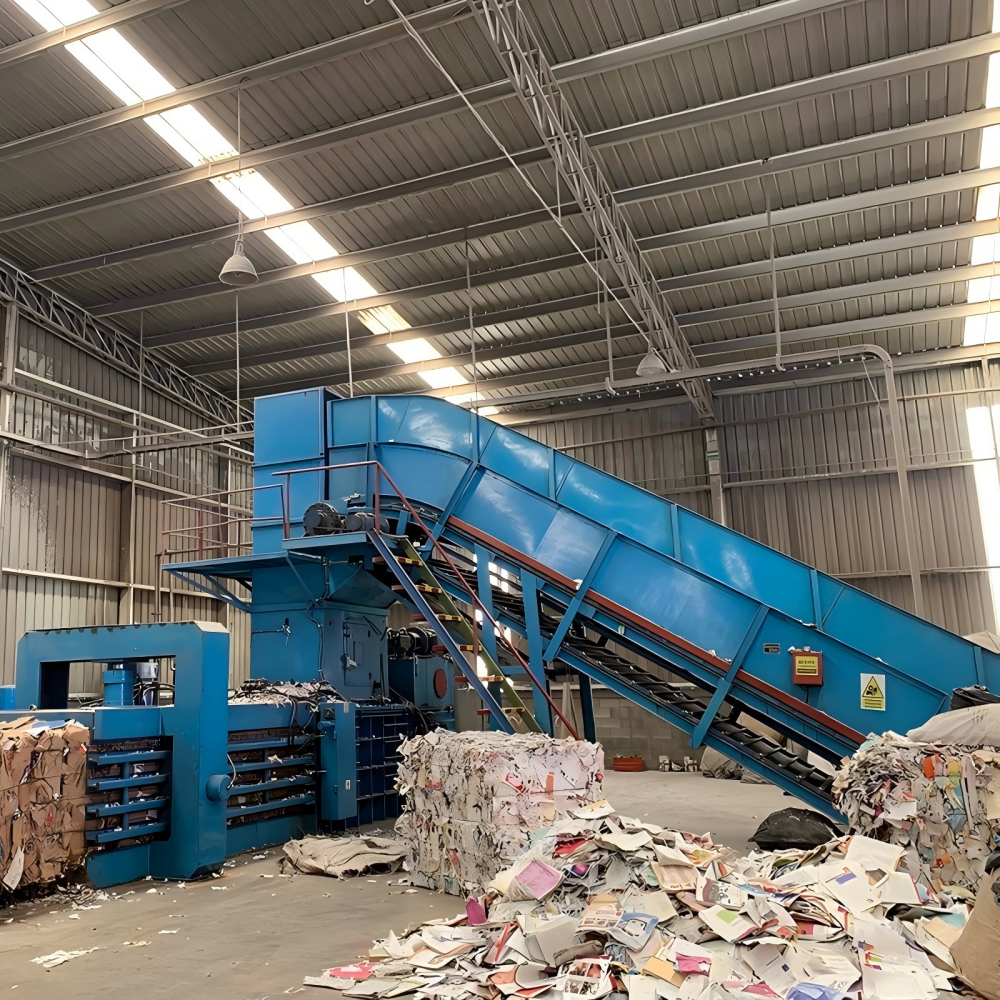
Before integrating a horizontal baler into a press shop, management must conduct a thorough audit of their current waste stream. Not all scrap is created equal; the gauge, material type (steel, aluminum, copper), and volume of the offcuts dictate the required force and cycle time of the baler. Understanding these variables is the first step in ensuring that the equipment will actually solve the problem rather than creating a new bottleneck.
Space allocation is another critical factor. A horizontal baler requires a dedicated area that is accessible to both the press operators and the logistics team responsible for loading the finished bales onto transport vehicles. The layout must account for the flow of scrap from the press discharge to the baler infeed. If the baler is located too far from the source, the labor cost of transporting loose scrap can negate the efficiency gains of the baling process itself.
Safety protocols must be updated alongside the installation of new machinery. While a baler significantly reduces the risks associated with handling sharp, loose metal, it introduces new operational hazards such as high-pressure hydraulic systems and moving rams. Comprehensive training for operators is mandatory. This includes understanding the emergency stop procedures, proper loading techniques to avoid bridging, and the correct method for tying off and ejecting finished bales.
Finally, consider the long-term maintenance requirements. A horizontal baler is a heavy-duty machine that operates under immense pressure. Regular inspections of hydraulic seals, ram guides, and electrical sensors are necessary to prevent unplanned downtime. Partnering with a manufacturer like HARSLE, which provides robust technical support and readily available spare parts, ensures that the waste management system remains a reliable component of the production line rather than a maintenance liability.
Technical Details: How the Machinery Works
The core of the transformation lies in the hydraulic power and structural integrity of the horizontal baler. Unlike vertical balers, which are often limited by manual loading and lower throughput, horizontal balers are designed for continuous, high-volume operation. They feature a large feed hopper that can be integrated with conveyor systems, allowing for a steady stream of scrap to be processed without stopping the press machines.
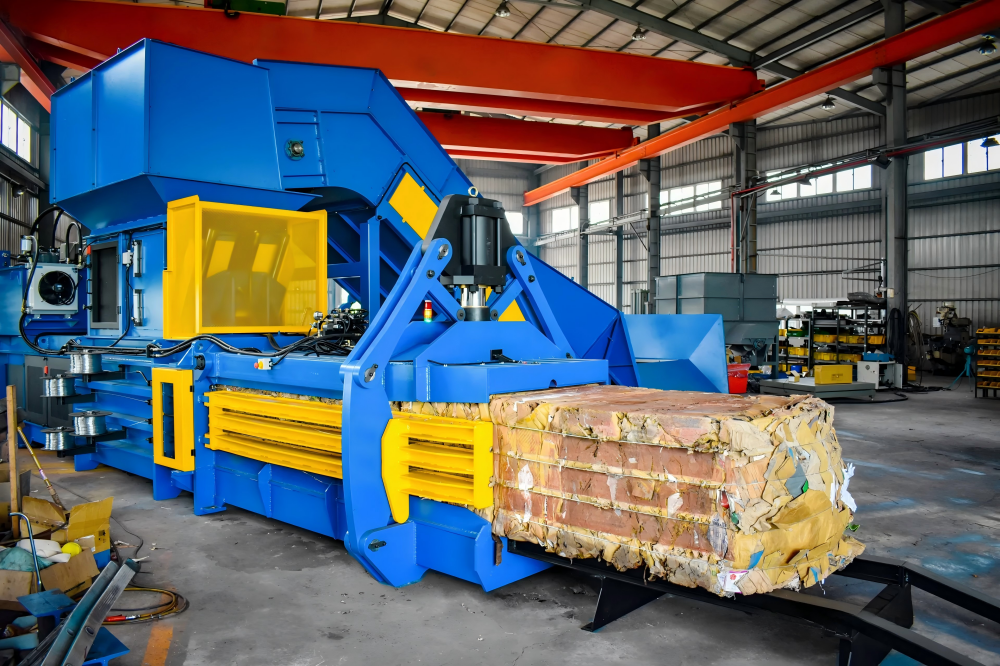
The compression cycle is governed by a programmable logic controller (PLC) that monitors the density of the material. As the ram moves forward, it compresses the metal against the chamber walls. HARSLE balers utilize high-grade wear-resistant steel liners to withstand the abrasive nature of metal offcuts. This technical design ensures that the machine maintains its structural integrity over millions of cycles, providing a consistent bale size that is optimized for standard shipping containers or flatbed trucks.
Hydraulic efficiency is a hallmark of modern baling technology. By utilizing variable displacement pumps and energy-efficient motors, these machines minimize power consumption during idle periods. The hydraulic system is also equipped with cooling units to prevent overheating during peak production shifts, ensuring that the baler can keep pace with the most demanding press shop schedules.
Another technical advantage is the automated tying system. Once the bale reaches the desired length and density, the system signals the operator or automatically initiates the wire-tying process. This eliminates the need for manual intervention inside the chamber, drastically improving safety. The resulting bales are dense, uniform, and easy to stack, which maximizes the payload capacity of scrap transport vehicles, thereby reducing the number of trips required to clear the shop floor.
Selection Advice: Choosing the Right Baler for Your Shop
Selecting the right horizontal baler requires balancing current needs with future growth. A common mistake is purchasing a machine that is perfectly sized for current output, leaving no room for expansion. When evaluating options, look for machines that offer modularity or have the capacity to handle a 20-30% increase in volume. This future-proofing approach prevents the need for a costly equipment upgrade within a few years.
Consider the feed method. If your press shop generates a high volume of small, consistent offcuts, an automated conveyor feed is essential. If the scrap is bulky or irregular, a wider hopper opening might be necessary to prevent bridging. Discussing these specific material characteristics with HARSLE engineers can help in selecting the right ram force and chamber dimensions to ensure optimal compression ratios.
The quality of the hydraulic components and the ease of maintenance should be at the top of your checklist. Look for machines that use standard, globally available hydraulic parts. This ensures that if a seal or valve fails, you can source a replacement quickly without waiting for proprietary components to be shipped from overseas. Furthermore, check for user-friendly control interfaces that provide diagnostic feedback, allowing maintenance teams to troubleshoot issues before they lead to a total system shutdown.
Finally, evaluate the total cost of ownership rather than just the initial purchase price. This includes energy consumption, maintenance labor, wire costs, and the potential increase in scrap resale value. Often, a slightly higher initial investment in a more robust, energy-efficient HARSLE baler yields a much faster return on investment through reduced operating costs and higher scrap revenue. Always request a site assessment from the manufacturer to ensure the machine footprint and power requirements align with your facility’s infrastructure.
FAQ: Common Questions About Horizontal Balers
- How much space does a horizontal baler typically require? A standard horizontal baler requires a footprint ranging from 15 to 30 square meters, depending on the model and the inclusion of an infeed conveyor. It is important to leave additional clearance for maintenance access and bale removal.
- Can a horizontal baler handle mixed metal scrap? Yes, but it is generally recommended to segregate materials where possible. Baling mixed metals can lower the resale value. Most HARSLE balers are versatile enough to handle various metals, but the settings may need adjustment for different material densities.
- How often does a horizontal baler require maintenance? Routine maintenance, such as checking hydraulic fluid levels and inspecting the ram guides, should be performed monthly. A comprehensive service check by a qualified technician is recommended every 6 to 12 months to ensure peak performance.
- Does the baler require a special power supply? Most industrial horizontal balers require a 3-phase power supply. It is essential to verify the voltage and amperage requirements with your facility’s electrical capacity before installation.
- How does a horizontal baler improve safety? By automating the compression and tying process, the baler removes the need for workers to manually handle sharp, jagged metal scrap. It also reduces the clutter on the shop floor, minimizing trip hazards and fire risks.
Conclusion: The Strategic Value of Waste Management
The transition to an automated baling system is a definitive step toward modernizing a press shop. As demonstrated, the impact of how a horizontal baler transformed waste management in a press shop goes far beyond simple housekeeping. It is a fundamental shift in how a facility manages its resources, safety, and profitability. By reducing the logistical burden of scrap, shops can focus their energy on what they do best: high-precision metal fabrication.
HARSLE remains committed to providing the industrial machinery necessary to drive this transformation. Our horizontal balers are engineered to withstand the rigors of the metal fabrication industry, offering the reliability, power, and efficiency required to turn waste into a valuable commodity. When you invest in the right equipment, you are not just buying a machine; you are investing in the long-term operational excellence of your shop.
As the industry continues to evolve, the pressure to reduce environmental impact and increase operational efficiency will only grow. Facilities that embrace advanced waste management solutions today will be the ones that remain competitive tomorrow. We invite you to evaluate your current scrap handling processes and consider how a HARSLE horizontal baler can help you reclaim your floor space, improve your safety record, and boost your bottom line.