How a Container Shear Improved Scrap Processing Efficiency in a Heavy Fabrication Plant

Introducción
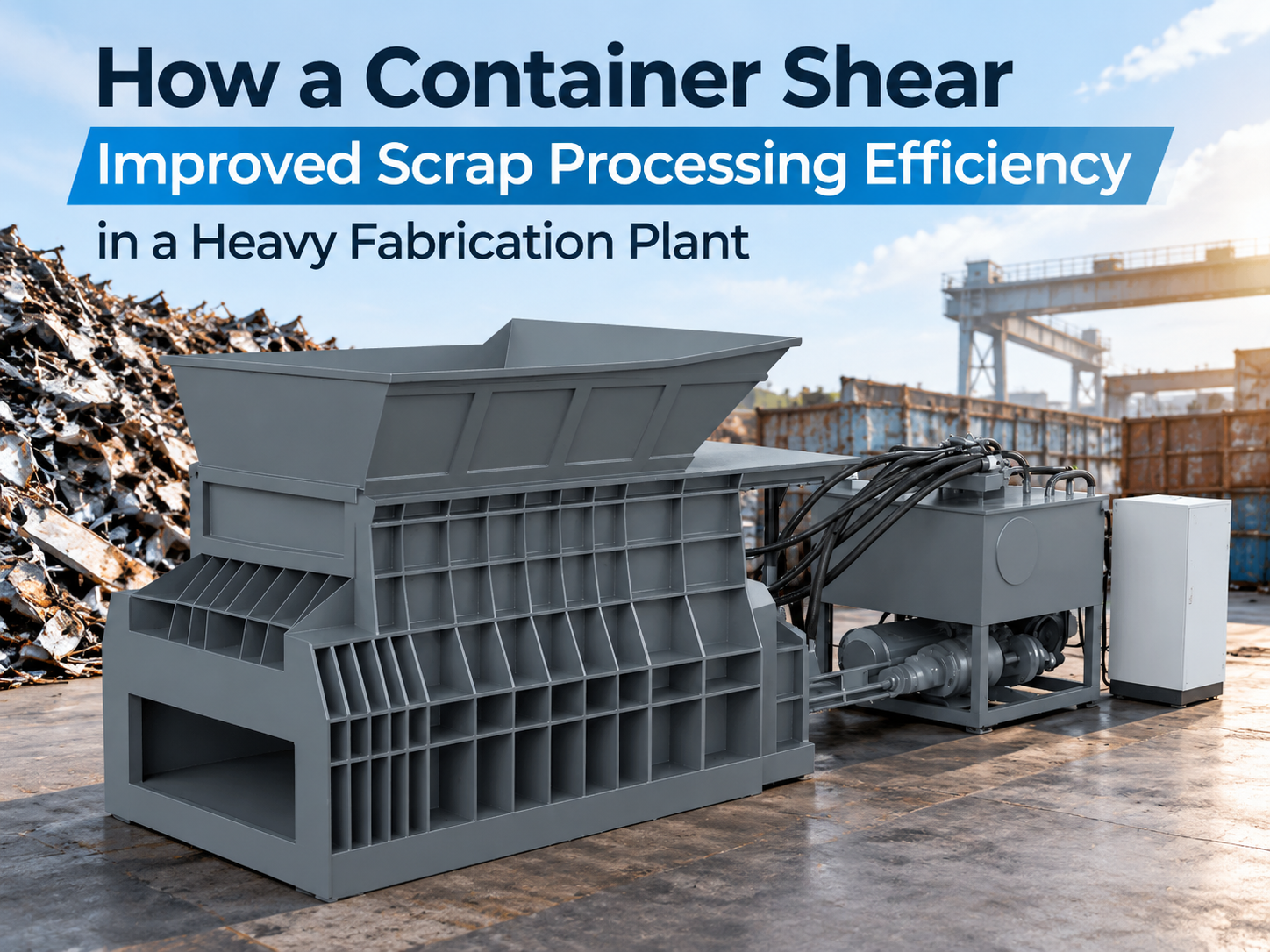
In the modern landscape of heavy metal fabrication, the management of scrap material is often the hidden variable that determines a facility’s overall profitability. For years, many plants have struggled with the logistical nightmare of bulky, irregular scrap metal that consumes valuable floor space and incurs high transportation costs. The implementation of advanced processing technology has become a necessity rather than a luxury. This article explores how a container shear improved scrap processing efficiency in a heavy fabrication plant, providing a blueprint for operational excellence.
HARSLE has been at the forefront of this industrial evolution, engineering machinery that transforms waste management from a cost center into a streamlined process. When a heavy fabrication plant integrates a container shear, they are not just buying a machine; they are investing in a systematic approach to material handling. By reducing the volume of scrap through high-force shearing, plants can optimize their logistics, improve safety, and increase the value of their recycled output.
The transition from traditional cutting methods to automated container shearing represents a significant leap in industrial capability. In this guide, we will analyze the technical mechanics, the strategic advantages, and the long-term ROI associated with these powerful machines. Whether you are managing a large-scale fabrication facility or a specialized recycling center, understanding the impact of container shears is essential for staying competitive in a market that demands efficiency and sustainability.
As we delve into the specifics of how a container shear improved scrap processing efficiency in a heavy fabrication plant, we will look at real-world operational shifts. From the reduction of labor hours to the optimization of container loading, the benefits are multifaceted. HARSLE’s commitment to engineering excellence ensures that these machines are built to withstand the harshest environments, providing consistent performance where it matters most.
Key Considerations for Scrap Management
Before selecting a container shear, plant managers must evaluate their current scrap flow. The primary challenge in heavy fabrication is the sheer volume of offcuts, skeleton plates, and structural steel remnants. Without a centralized processing strategy, these materials create bottlenecks. A container shear addresses this by allowing for the continuous feeding of scrap, which is then compressed and cut into uniform, dense pieces that are easy to transport.
Space optimization is another critical factor. In a busy fabrication plant, every square foot of floor space has a dollar value. Bulky scrap piles are not only an eyesore but a significant safety hazard. By utilizing a container shear, plants can process scrap at the source, moving material out of the production zone and into shipping containers immediately. This “just-in-time” approach to scrap management keeps the shop floor clear and improves workflow efficiency.
Labor costs associated with manual scrap handling are often underestimated. Workers spending hours torch-cutting or manually sorting scrap are not adding value to the primary production line. Automating this process with a container shear allows skilled labor to focus on fabrication tasks rather than waste management. This shift in human resource allocation is one of the most significant ways a container shear improved scrap processing efficiency in a heavy fabrication plant.
Finally, environmental compliance and recycling revenue are becoming increasingly important. Scrap metal buyers pay a premium for dense, clean, and uniform material. A container shear produces high-density bales or cut pieces that fetch a higher price per ton compared to loose, irregular scrap. By improving the quality of the output, the plant can turn a waste management expense into a consistent revenue stream, effectively paying for the machinery over time.
Technical Details of HARSLE Container Shears
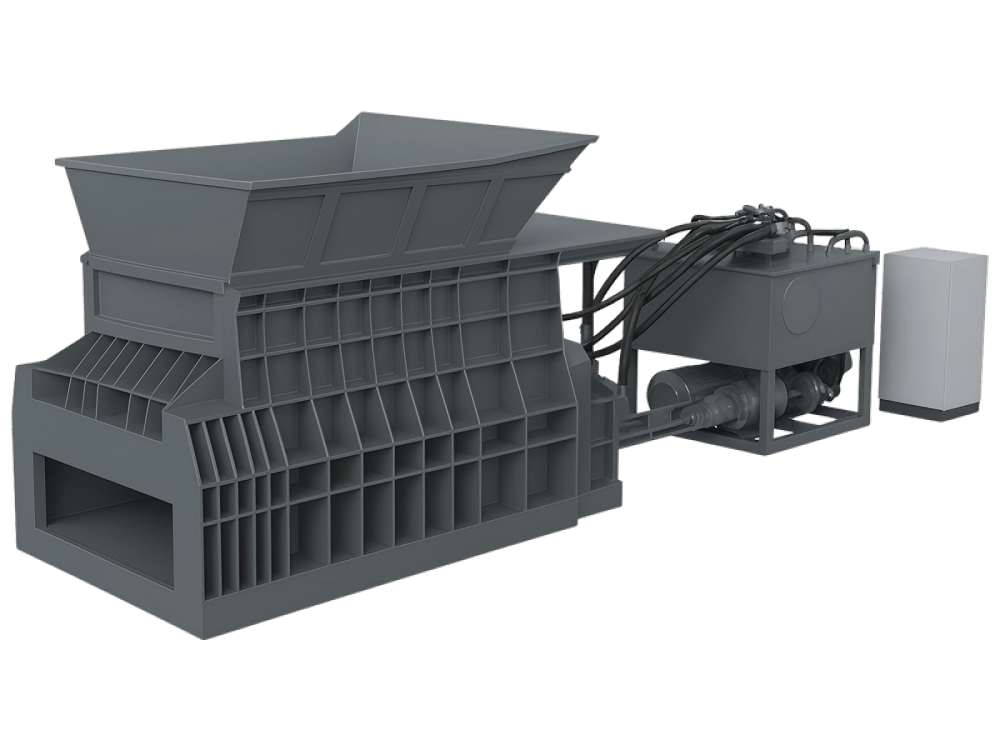
The technical superiority of HARSLE container shears lies in their robust hydraulic design and precision engineering. These machines are built with high-tensile steel frames to withstand the immense pressures required to shear heavy-duty structural steel. The hydraulic system is designed for rapid cycle times, ensuring that the machine can keep pace with the high output of a modern fabrication plant.
One of the standout features is the integrated compression chamber. Before the shearing action occurs, the material is compressed into a dense block. This ensures that the shear blades are always working at maximum efficiency, cutting through material with minimal air gaps. This compression process is vital for achieving the high-density output that scrap recyclers demand. HARSLE’s hydraulic cylinders are engineered for longevity, featuring advanced sealing technology to prevent leaks and maintain pressure under continuous operation.
The control systems on HARSLE machines are designed for ease of use and safety. Programmable Logic Controllers (PLCs) allow operators to adjust cutting lengths and compression force based on the type of metal being processed. This versatility is crucial for plants that handle a variety of materials, from thin-gauge sheet metal to thick structural beams. Safety sensors and emergency stop systems are integrated throughout the machine, ensuring that the high-force operation remains safe for all personnel in the vicinity.
Maintenance is a critical aspect of industrial machinery, and HARSLE has simplified this with modular design components. Critical wear parts, such as the shear blades, are easily accessible and replaceable, minimizing downtime. The lubrication systems are automated, ensuring that all moving parts remain properly greased, which extends the lifespan of the machine significantly. This focus on durability and ease of maintenance is a cornerstone of why a container shear improved scrap processing efficiency in a heavy fabrication plant.
Selection Advice: Choosing the Right Equipment
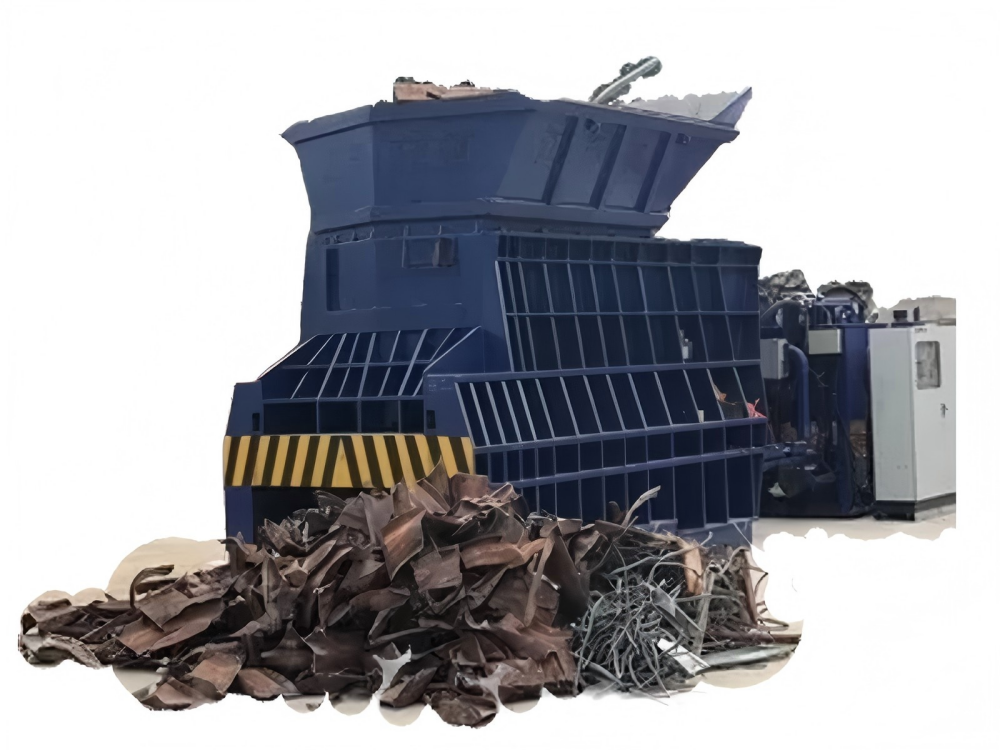
When selecting a container shear, the first step is to conduct a thorough audit of your scrap volume and material types. A plant processing primarily aluminum offcuts will have different requirements than one handling heavy carbon steel beams. HARSLE offers a range of models with varying shearing forces, chamber sizes, and throughput capacities. Matching the machine to your specific material profile is the most important step in ensuring long-term success.
Consider the power source and energy efficiency. Modern HARSLE shears are designed with energy-saving hydraulic pumps that reduce power consumption during idle periods. In a facility running multiple shifts, these energy savings can accumulate into significant operational cost reductions. Additionally, look for machines that offer remote monitoring capabilities, allowing your maintenance team to track performance metrics and receive alerts before a potential issue becomes a breakdown.
Installation and integration are also key. A container shear should be positioned to minimize the distance scrap needs to be moved. Ideally, it should be located near the primary cutting stations or the end of the production line. Discussing the layout with HARSLE’s engineering team during the procurement phase can help you design a workflow that maximizes the efficiency gains. Proper foundation preparation is also essential, as the weight and force of these machines require a stable, reinforced concrete base.
Finally, evaluate the support and training provided by the manufacturer. A container shear is a sophisticated piece of equipment, and your operators need to be properly trained to use it safely and effectively. HARSLE provides comprehensive training programs and ongoing technical support to ensure that your team can troubleshoot minor issues and perform routine maintenance. Choosing a partner who stands behind their product is just as important as the machine specifications themselves.
FAQ: Frequently Asked Questions
How does a container shear differ from a standard alligator shear?
A container shear is designed for high-volume, continuous processing. It includes a compression chamber that compacts scrap before shearing, whereas an alligator shear is typically used for smaller, individual pieces of scrap. The container shear is far more efficient for large-scale industrial operations.
What types of metal can be processed in a HARSLE container shear?
HARSLE container shears are versatile and can process a wide range of metals, including carbon steel, stainless steel, aluminum, and copper. The machine settings can be adjusted to accommodate different material thicknesses and densities.
How much maintenance does a container shear require?
Routine maintenance includes checking hydraulic fluid levels, inspecting shear blades for wear, and ensuring all safety sensors are functional. HARSLE machines are designed for easy access to these components, making regular maintenance straightforward for your internal team.
Can a container shear be integrated into an existing production line?
Yes, HARSLE container shears can be integrated into existing workflows. We recommend a site assessment to determine the best placement for optimal material flow and safety.
What is the expected lifespan of a HARSLE container shear?
With proper maintenance and regular service, a HARSLE container shear is built to provide decades of reliable service in a heavy fabrication environment. The use of high-quality materials and robust hydraulic systems ensures long-term durability.
Conclusión
The evidence is clear: the integration of a container shear is a transformative step for any heavy fabrication plant. By addressing the logistical challenges of scrap management, these machines allow facilities to reclaim floor space, reduce labor costs, and increase the value of their recycled output. As we have explored, the way a container shear improved scrap processing efficiency in a heavy fabrication plant is through a combination of high-force compression, automated shearing, and strategic workflow integration.
HARSLE remains committed to providing the industrial sector with the tools necessary to thrive in a competitive market. Our container shears are more than just machinery; they are a strategic asset that supports sustainable growth and operational excellence. By choosing the right equipment and partnering with an experienced manufacturer, your plant can turn the challenge of scrap management into a streamlined, profitable process.
As you look toward the future of your fabrication operations, consider the long-term benefits of investing in high-performance scrap processing technology. The initial investment is quickly offset by the reduction in waste handling costs and the increased efficiency of your production floor. Contact HARSLE today to learn more about how our container shears can be tailored to meet the unique needs of your fabrication facility and help you achieve new levels of productivity.