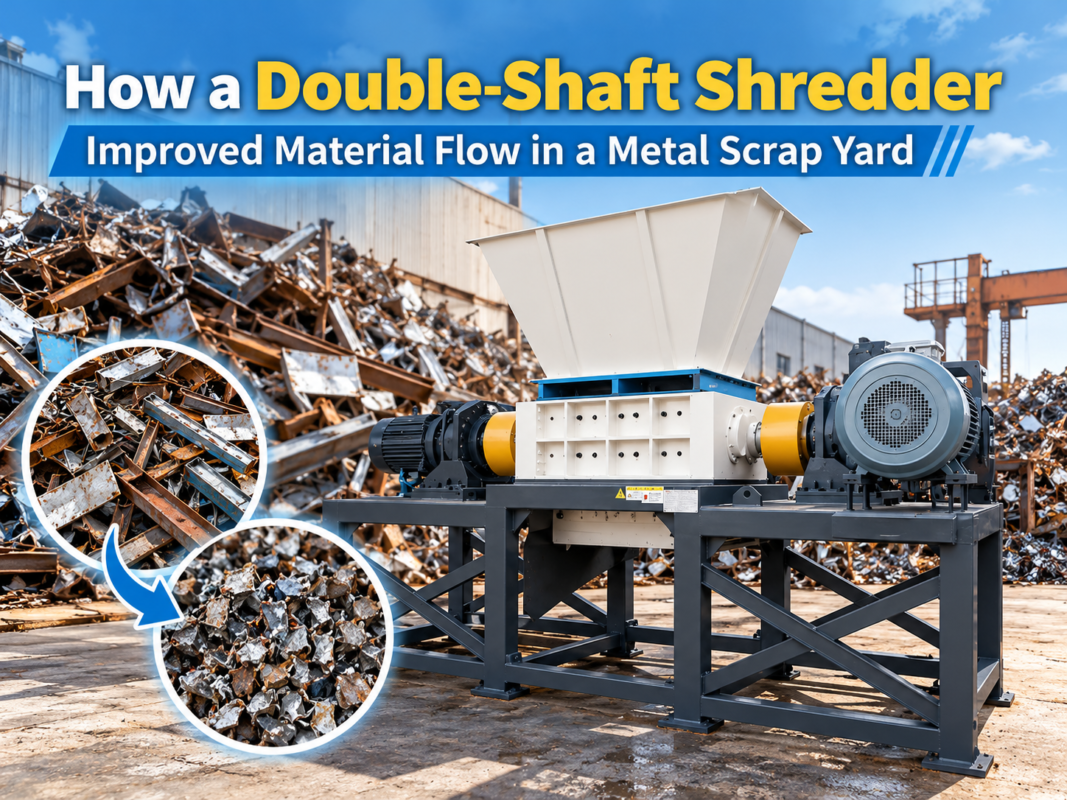
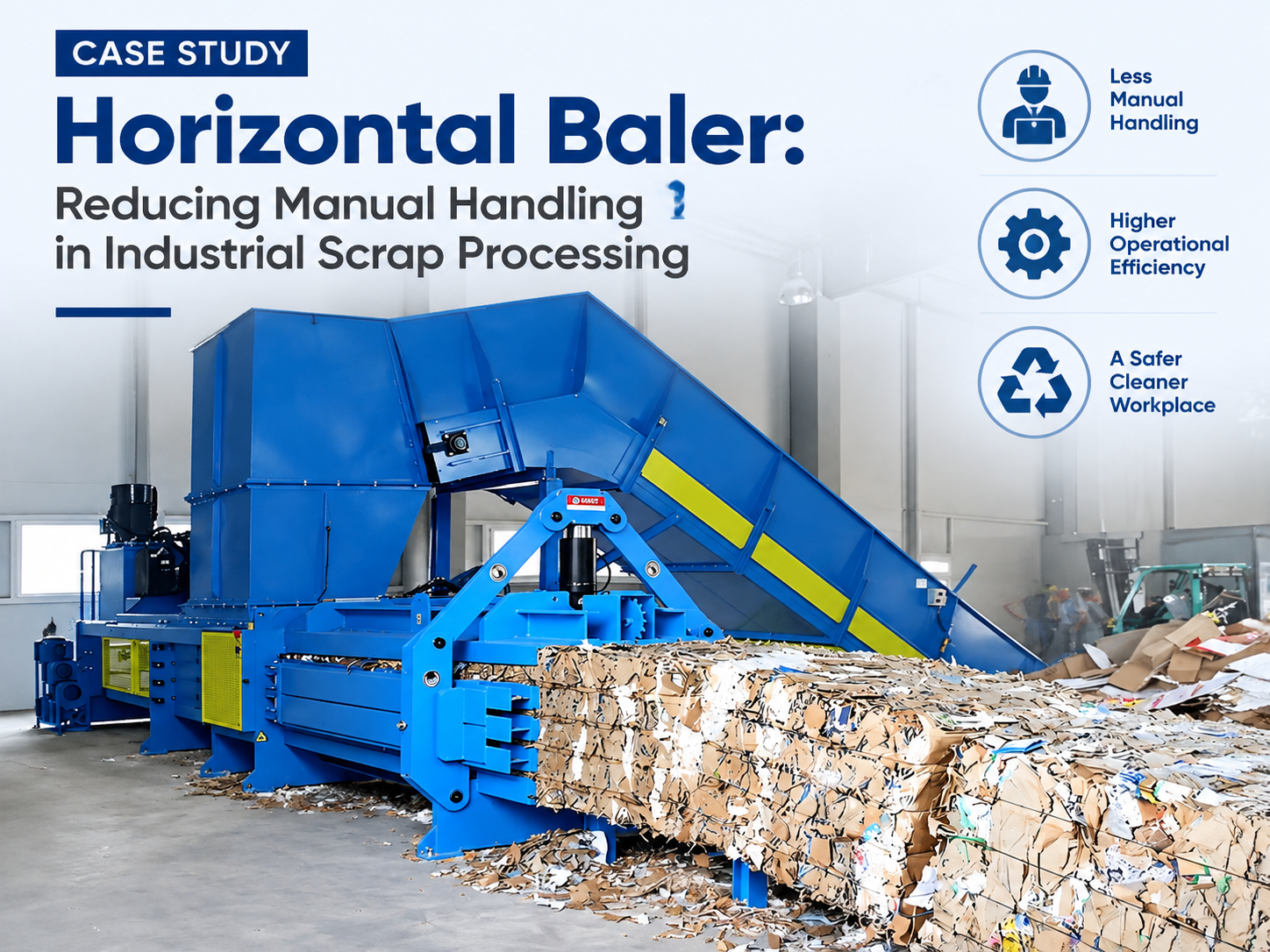
Horizontal Baler Case Study: Reducing Manual Handling In Industrial Scrap Processing

Introducción
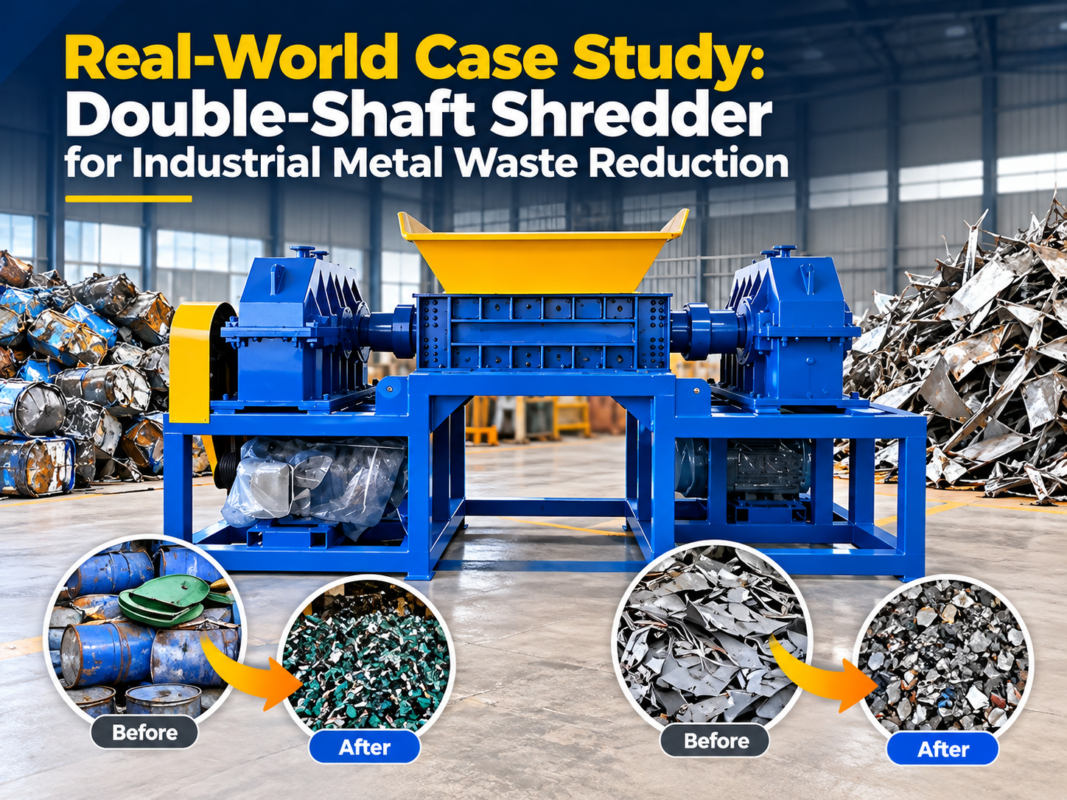
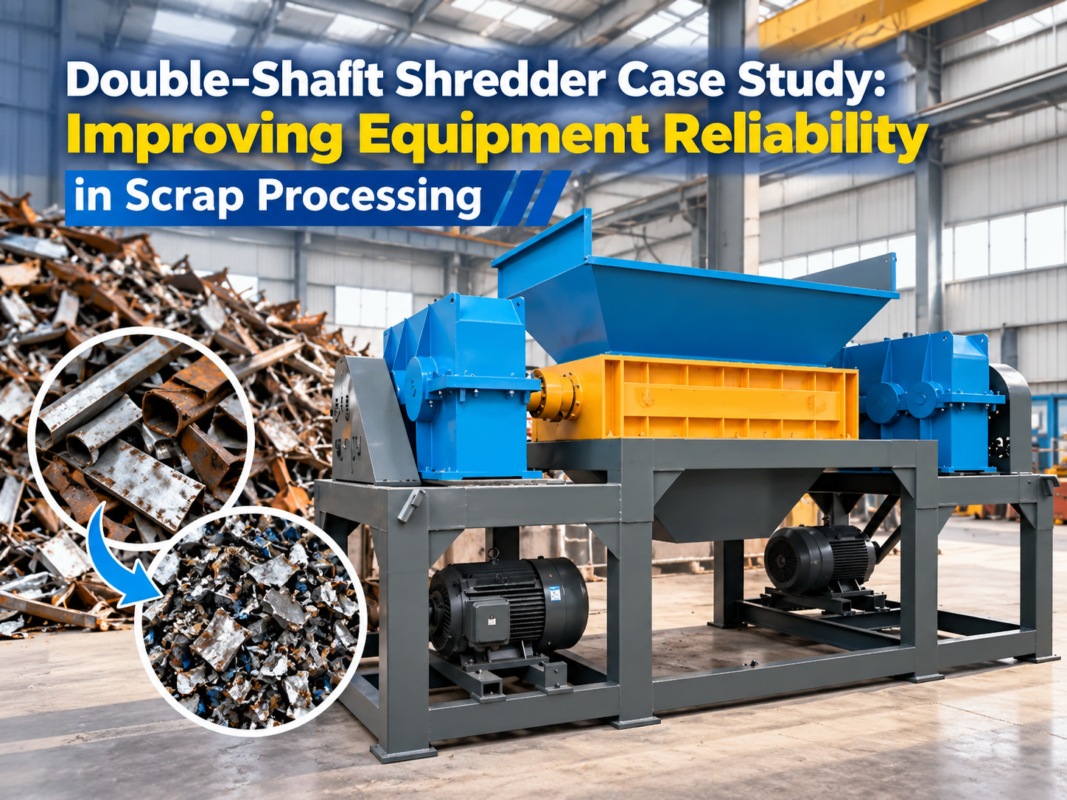
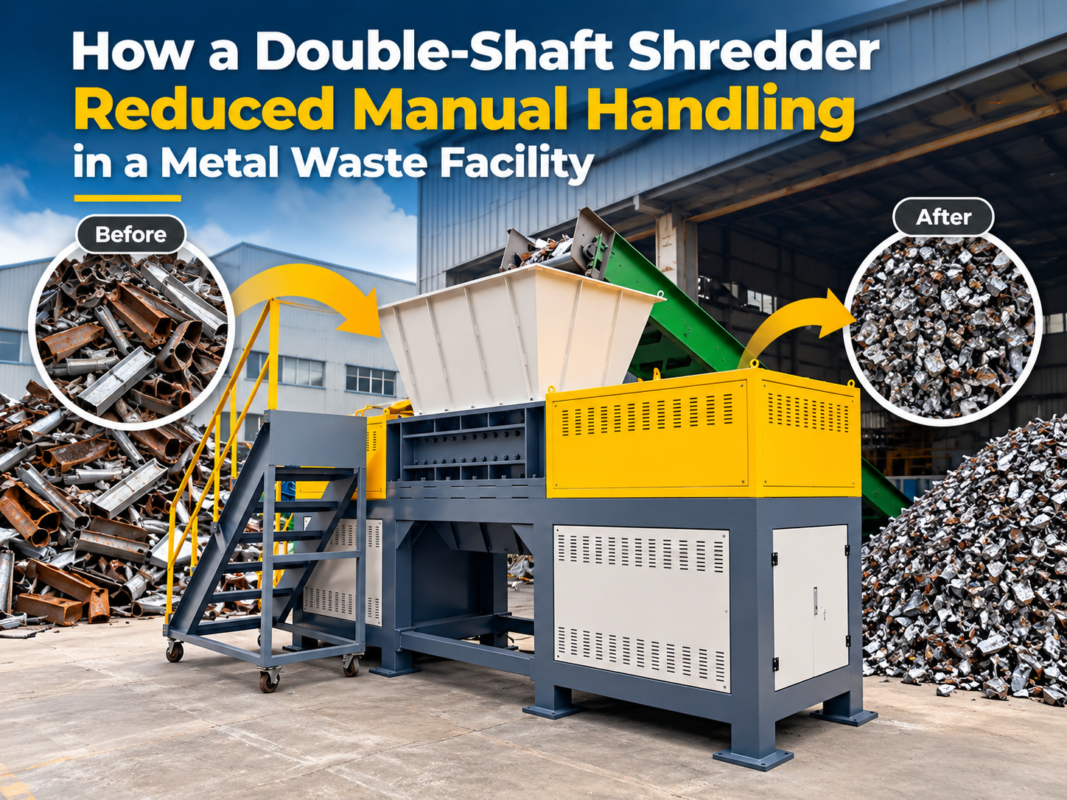
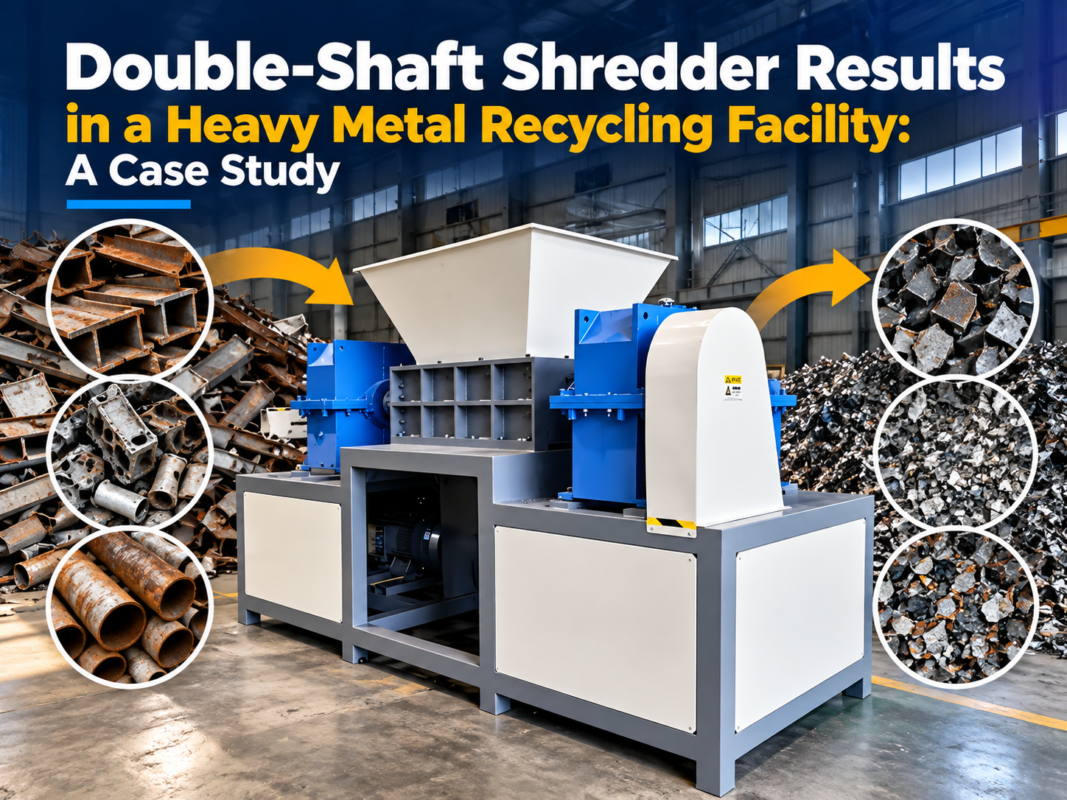
In the modern metal fabrication landscape, the efficiency of scrap management is often the deciding factor between a profitable operation and one burdened by excessive overhead. For many facilities, the accumulation of metal offcuts, shavings, and discarded components creates a logistical bottleneck. Manual handling of these materials is not only labor-intensive but also presents significant safety risks to personnel. This Horizontal Baler Case Study: Reducing Manual Handling In Industrial Scrap Processing examines how HARSLE machinery transforms chaotic scrap yards into streamlined, automated production environments.
The transition from manual scrap management to automated baling systems is a critical evolution for any industrial facility. By integrating a high-performance horizontal baler, companies can consolidate loose scrap into dense, uniform bales that are easier to transport, store, and sell. This process significantly reduces the physical strain on employees, minimizes the footprint of waste storage areas, and enhances the overall cleanliness of the fabrication floor. In this article, we explore the technical and operational benefits of adopting HARSLE’s advanced baling solutions.
HARSLE has long been a leader in metal fabrication equipment, providing robust machinery designed to withstand the rigors of heavy-duty industrial use. Our approach to scrap processing focuses on durability, ease of operation, and maximum throughput. By analyzing real-world applications, we demonstrate how the implementation of a horizontal baler serves as a catalyst for operational excellence, allowing businesses to reclaim valuable floor space and improve their bottom line through better scrap recovery rates.
As we delve into this case study, we will address the specific challenges faced by medium-to-large scale fabrication plants. From the initial collection of scrap to the final output of high-density bales, every step of the process is optimized to reduce human intervention. This shift not only improves safety metrics but also allows skilled labor to be redirected toward higher-value tasks, such as precision machining and assembly, rather than manual waste sorting.
Key Considerations for Scrap Processing Efficiency
When evaluating the need for a horizontal baler, facility managers must first assess the volume and type of scrap being generated. Metal fabrication facilities often produce a diverse range of waste, including aluminum extrusions, steel sheets, and copper wiring. Each material type requires specific compaction forces to achieve the desired bale density. Understanding the material characteristics is the first step in selecting the right equipment for your facility.
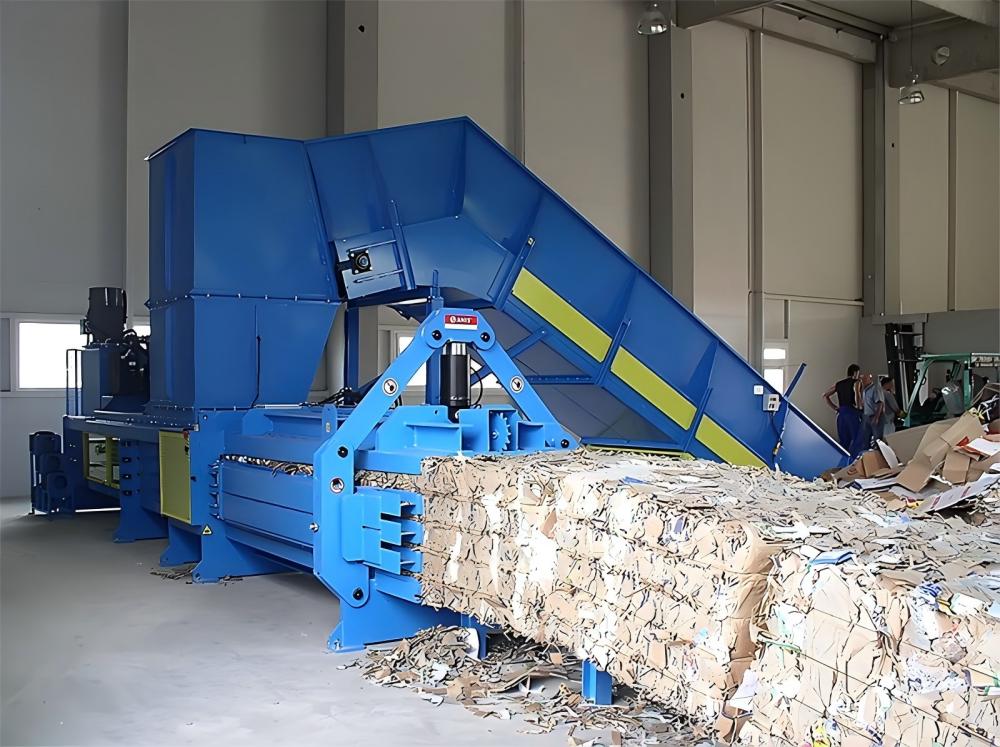
Another critical consideration is the layout of the production floor. Scrap collection points should be strategically located near the source of waste to minimize the distance materials need to travel. A horizontal baler is most effective when integrated into a continuous workflow, where conveyors or pneumatic systems feed scrap directly into the baler’s hopper. This setup eliminates the need for manual loading, which is the primary source of workplace injuries and operational delays.
Safety and ergonomics are paramount in any industrial setting. Manual handling of sharp metal scrap is a leading cause of lacerations and musculoskeletal injuries. By automating the baling process, companies can significantly reduce the frequency of manual lifting and sorting. A well-designed baling system includes safety interlocks, emergency stop mechanisms, and automated bale ejection systems that keep operators at a safe distance from the compaction chamber.
Finally, the economic impact of scrap processing cannot be overstated. High-density bales command higher prices from recycling centers and metal refineries. By investing in a horizontal baler, a facility can transform its waste stream into a revenue stream. The ability to store more material in a smaller footprint also reduces logistics costs, as fewer trips are required to transport the scrap to the recycling facility.
Technical Details of HARSLE Horizontal Balers
HARSLE horizontal balers are engineered with precision hydraulics and reinforced structural steel to handle the most demanding industrial environments. The core of our baling technology lies in the high-pressure hydraulic cylinders, which exert consistent force to compress loose material into compact, stackable blocks. These cylinders are designed for longevity, featuring high-quality seals and wear-resistant components that minimize maintenance downtime.
The control systems integrated into HARSLE balers are designed for intuitive operation. Programmable Logic Controllers (PLCs) allow operators to adjust compaction cycles based on the material type, ensuring optimal bale density and energy efficiency. These systems also provide real-time diagnostics, alerting maintenance teams to potential issues before they lead to system failures. This level of automation is essential for maintaining a consistent production pace in high-volume fabrication plants.
Material throughput is a key technical metric for any horizontal baler. HARSLE models are equipped with large feed openings and high-speed ram cycles, allowing for the rapid processing of bulky scrap. The inclusion of shear blades at the mouth of the compaction chamber ensures that oversized pieces are cut to size, preventing jams and ensuring a smooth, continuous operation. This feature is particularly beneficial for facilities dealing with long, irregular metal offcuts.
Durability is built into every aspect of our machinery. The compaction chamber is lined with replaceable wear plates, protecting the main structure from the abrasive nature of metal scrap. Furthermore, the hydraulic power units are housed in weather-resistant, sound-dampened enclosures, ensuring that the equipment can operate reliably in various environmental conditions while maintaining a safe noise level for the surrounding workforce.
Selection Advice: Choosing the Right Equipment
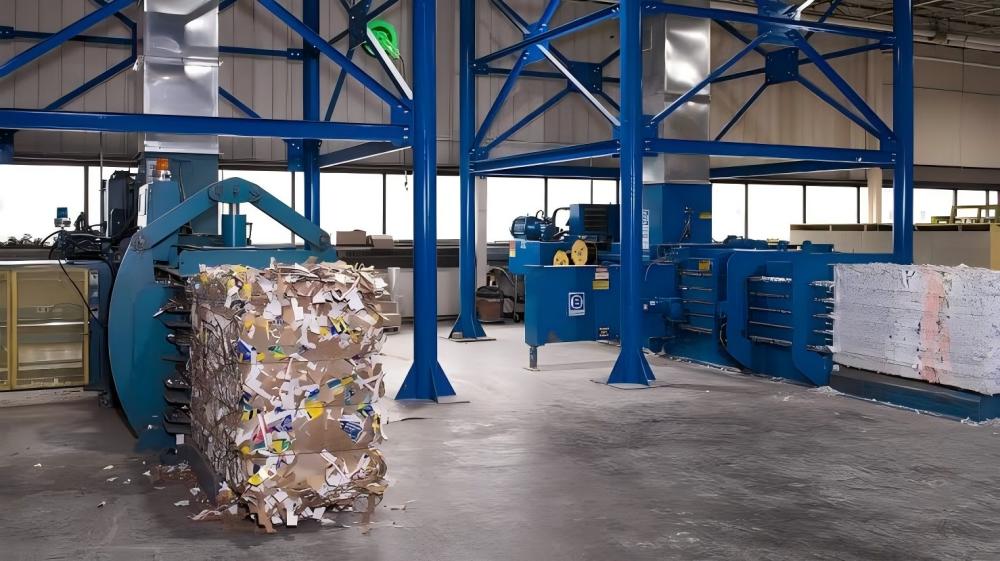
Selecting the appropriate horizontal baler requires a thorough analysis of your facility’s specific needs. Start by calculating your daily or weekly scrap volume. A baler that is too small will become a bottleneck, while an oversized unit may represent an unnecessary capital expenditure. HARSLE offers a range of models, from compact units for smaller workshops to heavy-duty industrial balers for large-scale manufacturing plants.
Consider the physical dimensions of your scrap. If your facility produces large, bulky items, a baler with a wide feed opening is essential. Conversely, if your waste consists primarily of small shavings or chips, a baler with a specialized hopper and high-density compaction capabilities will be more effective. Consulting with a HARSLE representative can help you match the machine’s specifications to your material profile.
Integration capabilities should also be a priority. Does your facility already use conveyors or automated sorting systems? A horizontal baler should be compatible with your existing infrastructure to ensure a seamless transition. HARSLE provides customizable feed systems and discharge conveyors that can be tailored to fit the unique layout of your production floor, ensuring that the baler becomes an integral part of your workflow rather than an isolated piece of equipment.
Finally, consider the long-term support and maintenance requirements. A horizontal baler is a significant investment, and its performance depends on regular servicing. Choose a manufacturer that offers comprehensive technical support, readily available spare parts, and training for your operators. HARSLE is committed to providing ongoing assistance, ensuring that your equipment remains operational and efficient throughout its entire service life.
FAQ: Frequently Asked Questions
1. How does a horizontal baler improve workplace safety?
A horizontal baler eliminates the need for manual handling of sharp, heavy metal scrap. By automating the compaction process, it reduces the risk of lacerations, back injuries, and other accidents associated with manual waste management.
2. Can a horizontal baler handle all types of metal scrap?
While horizontal balers are highly versatile, it is important to match the machine’s force and design to the specific material. HARSLE balers are designed to handle a wide range of metals, including aluminum, steel, and copper, but specific configurations may be required for particularly dense or abrasive materials.
3. What is the typical maintenance schedule for a HARSLE baler?
Regular maintenance includes checking hydraulic fluid levels, inspecting wear plates, and ensuring that all safety interlocks are functioning correctly. HARSLE provides a detailed maintenance manual with every unit, and our support team is available to assist with scheduled service intervals.
4. How much space does a horizontal baler require?
The footprint of a horizontal baler varies depending on the model and the associated feeding/discharge systems. We work with clients to design layouts that maximize space efficiency, often utilizing vertical space or custom conveyor configurations to minimize the floor area required.
5. Is it possible to automate the entire scrap processing line?
Yes, HARSLE balers can be integrated into fully automated systems that include scrap collection conveyors, magnetic separators, and automated bale ejection. This creates a “hands-off” process that maximizes efficiency and safety.
Conclusión
The implementation of a horizontal baler is a transformative step for any metal fabrication facility looking to modernize its operations. As demonstrated in this Horizontal Baler Case Study: Reducing Manual Handling In Industrial Scrap Processing, the benefits extend far beyond simple waste management. By reducing manual labor, enhancing safety, and increasing the value of scrap output, HARSLE machinery provides a clear path to improved profitability and operational efficiency.
Choosing the right equipment is a strategic decision that requires careful consideration of material volume, facility layout, and long-term goals. With HARSLE’s commitment to quality, innovation, and customer support, you can be confident that your investment will deliver consistent results for years to come. We invite you to explore our full range of metal fabrication equipment and discover how we can help you optimize your production environment.
In an era where efficiency and safety are non-negotiable, automating your scrap processing is not just an advantage—it is a necessity. Let HARSLE be your partner in building a cleaner, safer, and more productive future for your fabrication business. Contact our team today to discuss your specific requirements and take the first step toward a more streamlined industrial operation.