Gantry Shear Case Study: High-Strength Steel Cutting in Industrial Production

Introduction to High-Strength Steel Processing
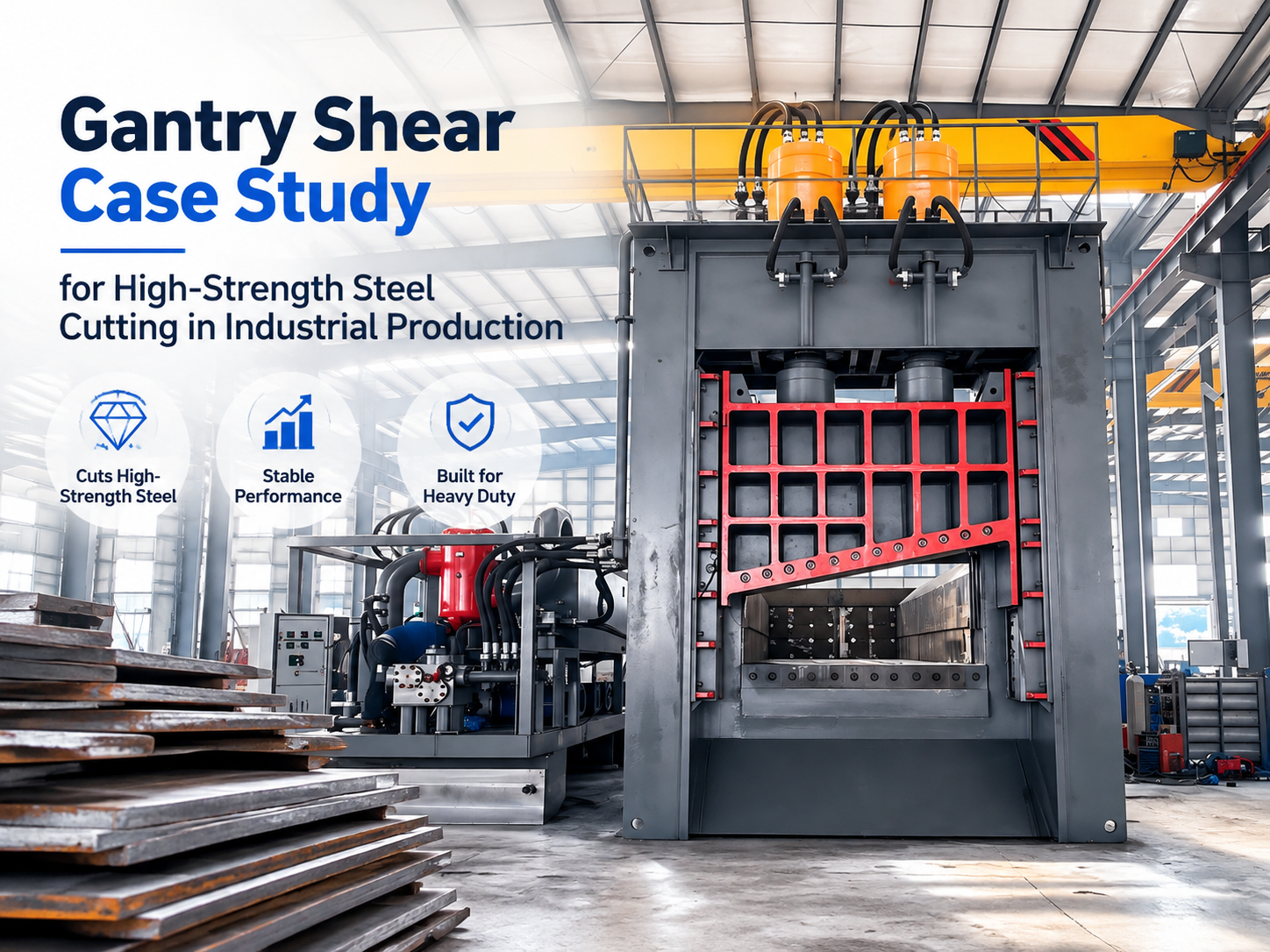
In the modern landscape of heavy metal fabrication, the demand for high-strength steel (HSS) has surged across sectors ranging from automotive manufacturing to bridge construction and wind energy infrastructure. As engineers push for lighter, more durable structures, the materials required to meet these specifications have become increasingly difficult to process. This is where the Gantry Shear Case Study High-Strength Steel Cutting In Industrial Production becomes a critical reference point for plant managers and production engineers.
HARSLE has consistently addressed these challenges by engineering robust, high-tonnage gantry shears capable of handling the extreme yield strengths associated with modern alloys. Unlike standard shearing equipment, a gantry shear designed for HSS must account for significant elastic deformation, vibration dampening, and blade longevity. This article explores a real-world application where HARSLE machinery transformed a bottlenecked production line into a high-efficiency operation.
The transition to high-strength steel often reveals the limitations of legacy equipment. Many facilities find that their existing hydraulic shears suffer from blade chipping, frame deflection, or insufficient cutting force when tasked with materials exceeding 600 MPa yield strength. By examining this case study, we aim to provide a roadmap for industrial facilities looking to upgrade their cutting capabilities while maintaining strict safety and quality standards.
Understanding the physics of the cut is essential. When shearing high-strength steel, the energy required is significantly higher than that of mild steel. The gantry shear must provide a consistent, rigid cutting stroke that prevents the material from twisting or ‘bowing’ during the process. HARSLE’s approach integrates advanced hydraulic synchronization and reinforced structural frames to ensure that every cut is precise, clean, and repeatable.
Key Considerations for High-Strength Steel Cutting
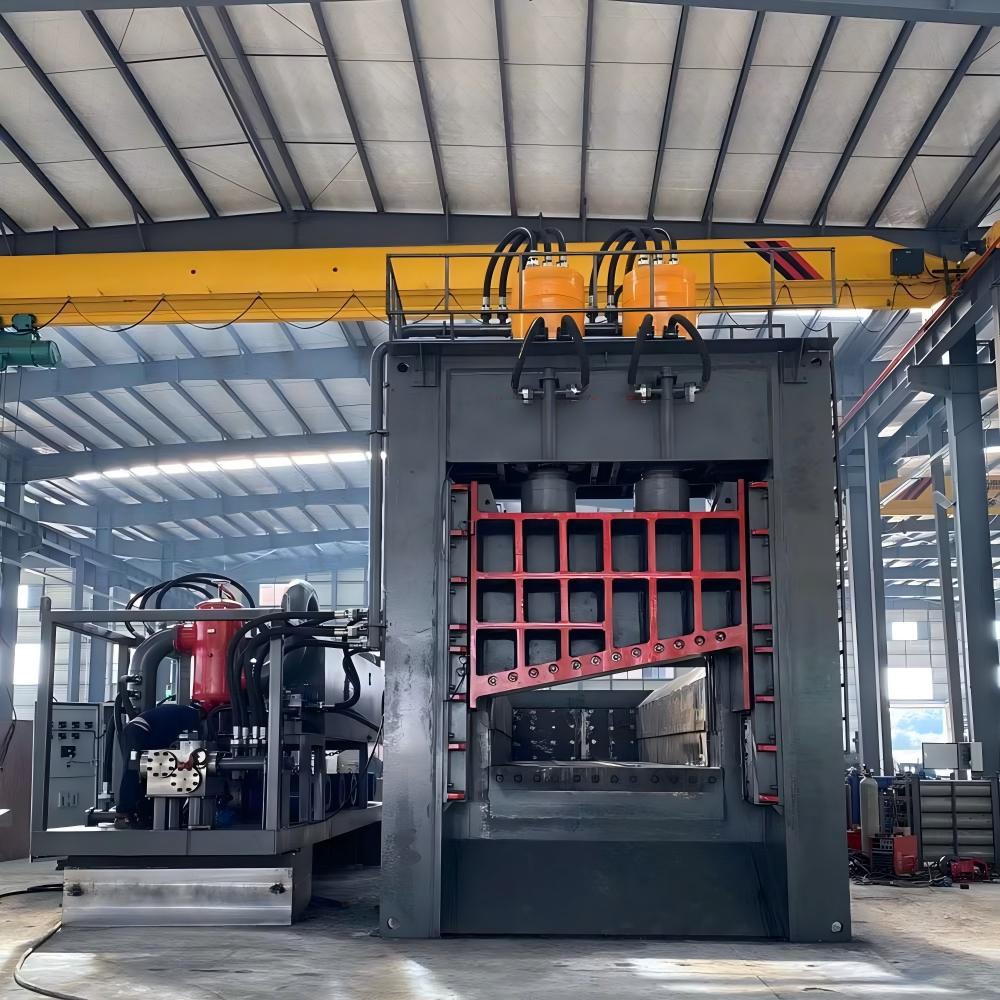
When implementing a Gantry Shear Case Study High-Strength Steel Cutting In Industrial Production, the first consideration is the material’s mechanical properties. High-strength steel is characterized by its high yield point and limited ductility. This means that the material resists deformation until it reaches a critical stress level, at which point it snaps or shears. If the shear machine is not rigid enough, the sudden release of energy can cause catastrophic damage to the blade assembly or the machine bed.
Another critical factor is the blade clearance. For mild steel, standard clearance settings are often sufficient, but for high-strength alloys, the clearance must be precisely adjusted to prevent ‘burr’ formation and excessive wear on the cutting edges. HARSLE gantry shears feature motorized clearance adjustment systems that allow operators to dial in the exact gap required for specific material thicknesses and hardness levels, ensuring a clean edge that requires minimal secondary processing.
Thermal management also plays a vital role in high-volume production. Cutting high-strength steel generates significant heat at the shear interface. If this heat is not dissipated, it can alter the metallurgical properties of the steel at the cut line, potentially leading to micro-cracking. HARSLE incorporates advanced cooling systems and high-grade tool steel blades that maintain their hardness even under thermal stress, ensuring that the machine remains operational during long shifts.
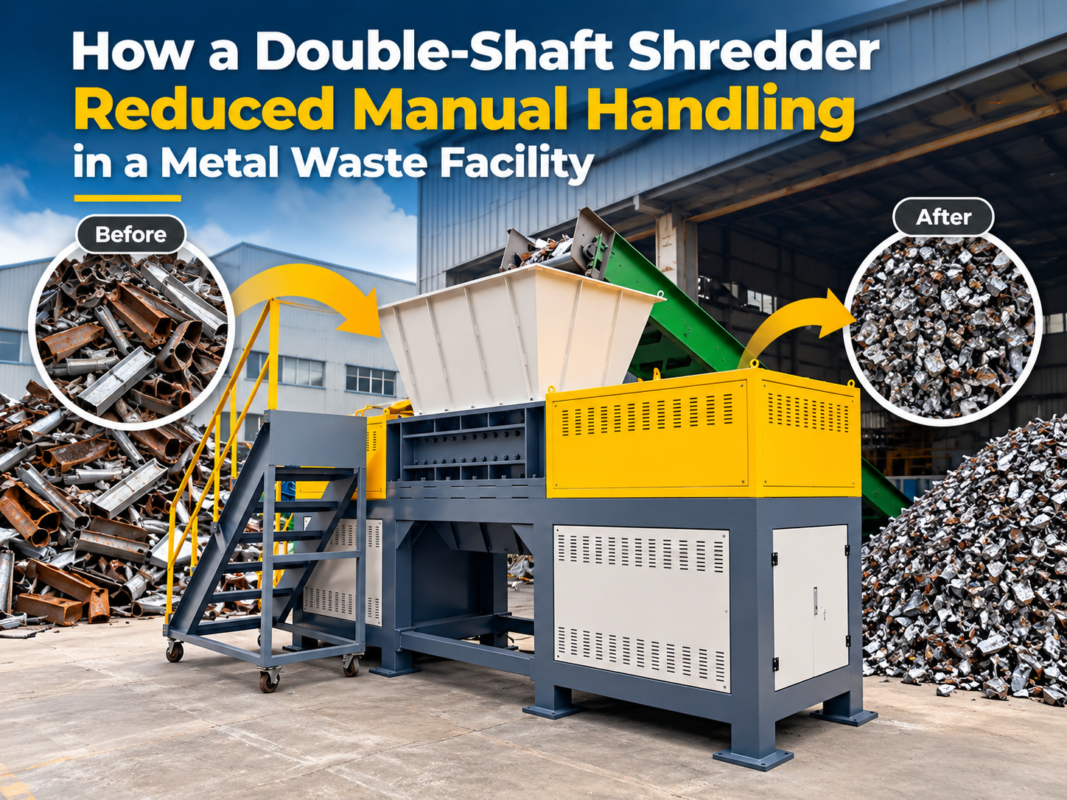
Finally, safety and automation cannot be overlooked. High-strength steel plates are often heavy and difficult to maneuver. Integrating a gantry shear with automated material handling systems—such as vacuum lifters, conveyor belts, and scrap removal chutes—reduces the risk of workplace injuries and increases throughput. In our case study, the client saw a 40% reduction in manual handling time after integrating a fully automated HARSLE gantry shear line.
Technical Details of the HARSLE Gantry Shear Solution
The HARSLE gantry shear utilized in this case study is a testament to precision engineering. The machine frame is constructed from stress-relieved, high-tensile steel plate, ensuring that the structure remains rigid even under maximum load. This rigidity is the cornerstone of the machine’s ability to handle high-strength steel without frame deflection, which is the primary cause of inaccurate cuts in lesser machinery.
The hydraulic system is the heart of the operation. HARSLE employs a multi-stage hydraulic pump configuration that provides high-speed approach and return strokes, while maintaining a slow, powerful cutting speed. This dual-speed capability is essential for high-strength steel, as it allows for a controlled penetration of the blade, reducing the shock load on the hydraulic cylinders and the structural frame.
Blade geometry is another area where HARSLE differentiates itself. The blades are manufactured from specialized alloy steel, heat-treated to a specific Rockwell hardness that balances wear resistance with toughness. The rake angle of the blade is optimized to minimize the force required for the cut, which in turn reduces the energy consumption and extends the life of the hydraulic components.
Control systems are equally advanced. The HARSLE gantry shear is equipped with a programmable logic controller (PLC) that stores cutting parameters for various material grades. Operators can select the material type and thickness from a touchscreen interface, and the machine automatically adjusts the blade gap, rake angle, and cutting stroke length. This level of automation ensures that the quality of the cut remains consistent regardless of operator experience.
Selection Advice for Industrial Facilities
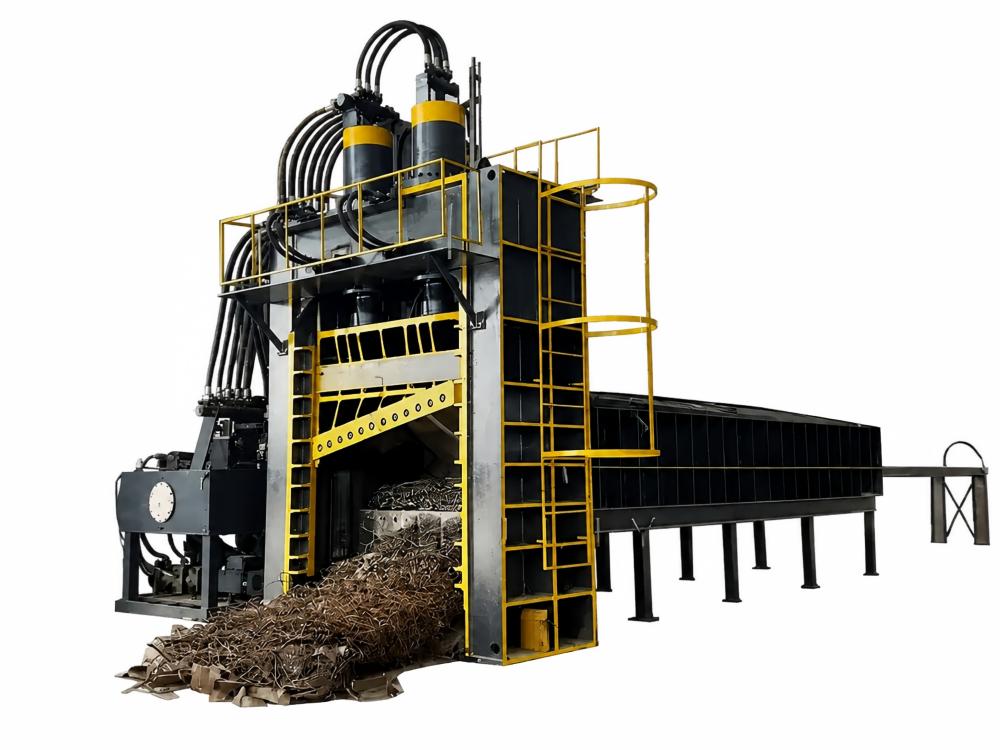
Choosing the right gantry shear for your facility requires a thorough assessment of your current and future production needs. Start by analyzing the maximum thickness and yield strength of the materials you intend to process. It is always advisable to select a machine with a 20% capacity buffer to ensure that the equipment is not constantly running at its limit, which significantly reduces maintenance costs and extends the machine’s lifespan.
Consider the integration capabilities of the machine. In a modern industrial environment, a standalone shear is rarely sufficient. Look for equipment that can be easily integrated into your existing workflow, including compatibility with ERP systems for production tracking and automated material handling interfaces. HARSLE offers modular designs that allow for the addition of conveyors, stackers, and scrap management systems as your production needs evolve.
Maintenance accessibility is another crucial selection criterion. A gantry shear is a significant investment, and downtime can be costly. Evaluate the ease of blade replacement, the availability of spare parts, and the quality of the manufacturer’s technical support. HARSLE provides comprehensive training for maintenance teams and maintains a global supply chain for critical components, ensuring that your production line stays up and running.
Finally, do not ignore the importance of energy efficiency. Modern gantry shears should feature variable frequency drives (VFDs) that adjust motor speed based on the actual load. This not only reduces electricity consumption but also minimizes wear on the hydraulic system. By focusing on total cost of ownership rather than just the initial purchase price, you will find that HARSLE machinery offers superior long-term value.
Frequently Asked Questions (FAQ)
- What makes HARSLE gantry shears suitable for high-strength steel? HARSLE shears are built with reinforced frames and high-precision hydraulic systems that prevent deflection and ensure clean cuts on materials with high yield strengths.
- How often should blades be sharpened when cutting high-strength steel? The frequency depends on the material thickness and volume. However, HARSLE’s high-grade alloy blades are designed for extended intervals between sharpenings compared to standard blades.
- Can these shears be integrated into an automated production line? Yes, HARSLE gantry shears are designed with modular interfaces for seamless integration with conveyors, loaders, and automated scrap removal systems.
- What is the advantage of motorized blade gap adjustment? It allows for precise, repeatable cuts across different material thicknesses, reducing burrs and preventing damage to the blades.
- Does HARSLE provide installation and training? Yes, HARSLE offers comprehensive installation services and operator training to ensure your team can maximize the machine’s potential safely and efficiently.
Conclusión
The Gantry Shear Case Study High-Strength Steel Cutting In Industrial Production demonstrates that success in heavy metal fabrication is not just about having the right material, but having the right machinery to process it. HARSLE has proven that with the right combination of structural rigidity, advanced hydraulic control, and intelligent automation, even the most challenging high-strength steel can be processed with precision and efficiency.
For industrial facilities looking to scale their operations, the transition to high-performance gantry shears is a strategic move that pays dividends in product quality, reduced waste, and increased throughput. By prioritizing equipment that is designed for the specific demands of high-strength alloys, manufacturers can stay ahead of the competition and meet the rigorous standards of modern engineering projects.
HARSLE remains committed to pushing the boundaries of metal fabrication technology. Whether you are upgrading an existing line or building a new facility from the ground up, our team of experts is ready to assist you in selecting the perfect gantry shear solution to meet your production goals. Invest in reliability, invest in precision, and choose HARSLE for your industrial metal cutting needs.