Double-Shaft Shredder Performance Case Study for Steel Scrap Pre-Processing Operations

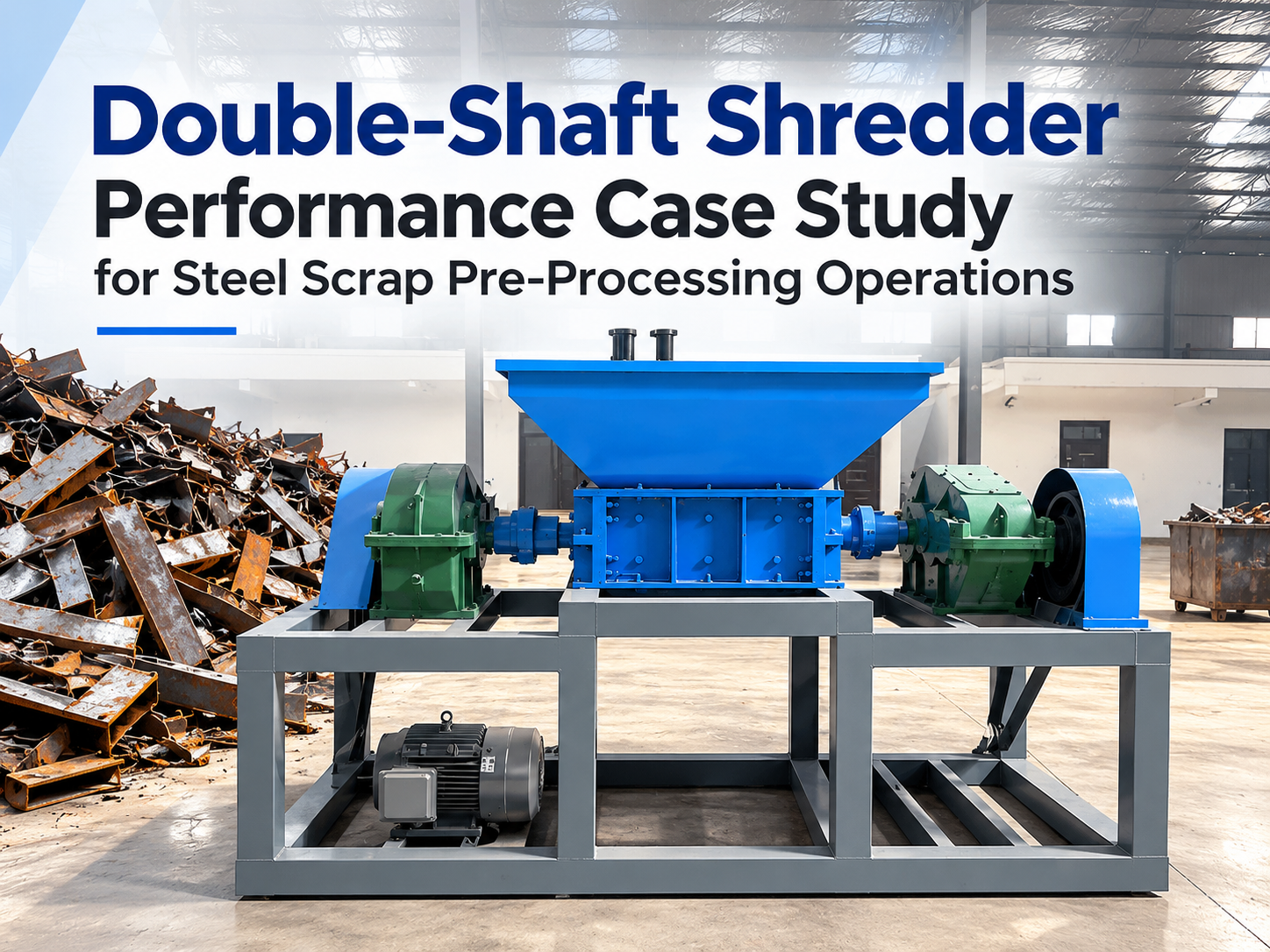
Double-Shaft Shredder Performance Case Study for Steel Scrap Pre-Processing Operations
In the modern metal fabrication and recycling industry, the efficiency of pre-processing operations dictates the overall profitability of a facility. As steel scrap volumes increase, the need for robust, high-torque machinery becomes paramount. This article presents a comprehensive Double-Shaft Shredder Performance Case Study for Steel Scrap Pre-Processing Operations, focusing on how HARSLE industrial equipment transforms raw, bulky scrap into manageable, high-density feedstock.
By analyzing real-world operational data, we explore how the integration of advanced shredding technology reduces logistics costs, improves furnace efficiency, and enhances the safety of downstream metal processing. Whether you are managing a large-scale recycling plant or a specialized fabrication shop, understanding the mechanical advantages of double-shaft systems is essential for long-term operational success.
Key Considerations for Steel Scrap Pre-Processing
The primary challenge in steel scrap pre-processing is the sheer variability of the material. Scrap arrives in diverse forms—from automotive body panels and structural beams to tangled wire and industrial offcuts. A successful pre-processing operation must account for material density, contamination levels, and the required output size for subsequent smelting or baling processes.
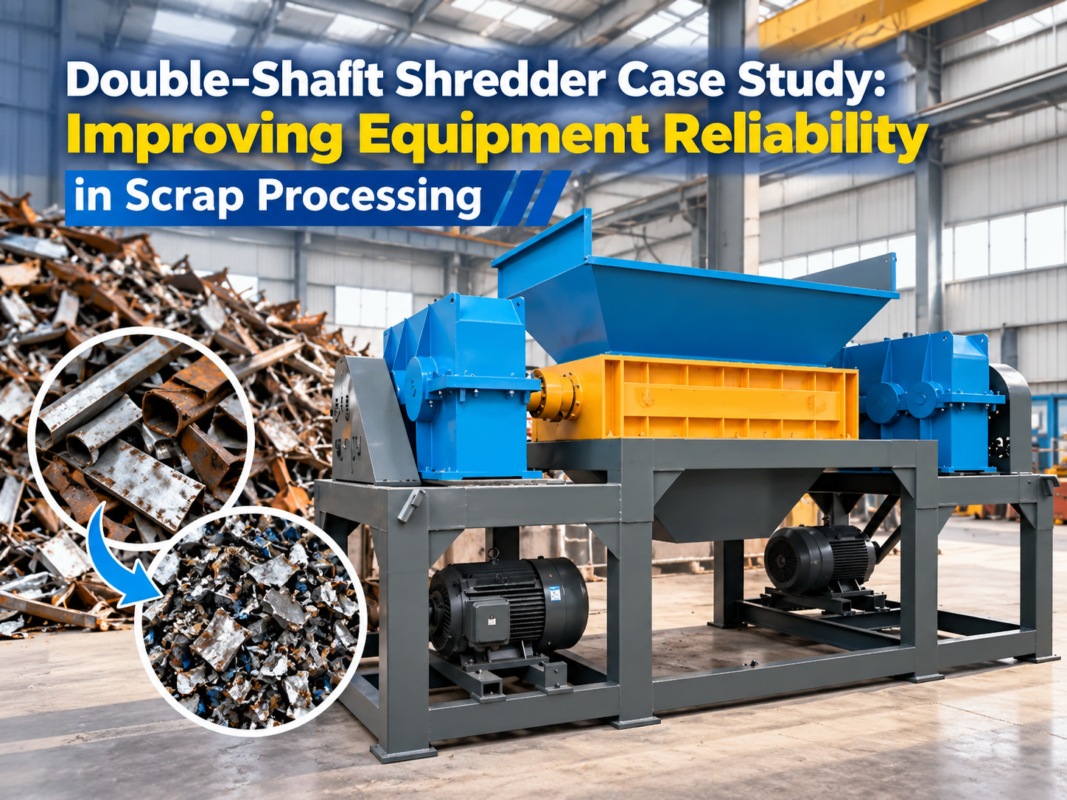
Operational throughput is another critical factor. Facilities often face bottlenecks where the shredding speed fails to keep pace with the incoming supply. A high-performance double-shaft shredder must be capable of continuous operation under heavy loads without overheating or suffering from premature mechanical fatigue. This requires a balance between motor power, torque output, and structural rigidity.
Environmental and safety regulations also play a significant role in equipment selection. Modern steel scrap facilities are under pressure to minimize noise pollution and dust emissions. Advanced shredders now incorporate sound-dampening enclosures and integrated dust suppression systems, ensuring that the facility remains compliant with local environmental standards while maintaining high productivity levels.
Finally, the cost of ownership—including energy consumption, maintenance intervals, and spare parts availability—must be evaluated. A machine that is cheap to purchase but expensive to maintain will quickly erode profit margins. Our case study highlights how HARSLE equipment addresses these concerns through modular design and high-grade alloy components, ensuring that the total cost of ownership remains competitive over the machine’s lifespan.
Technical Details of HARSLE Shredding Technology
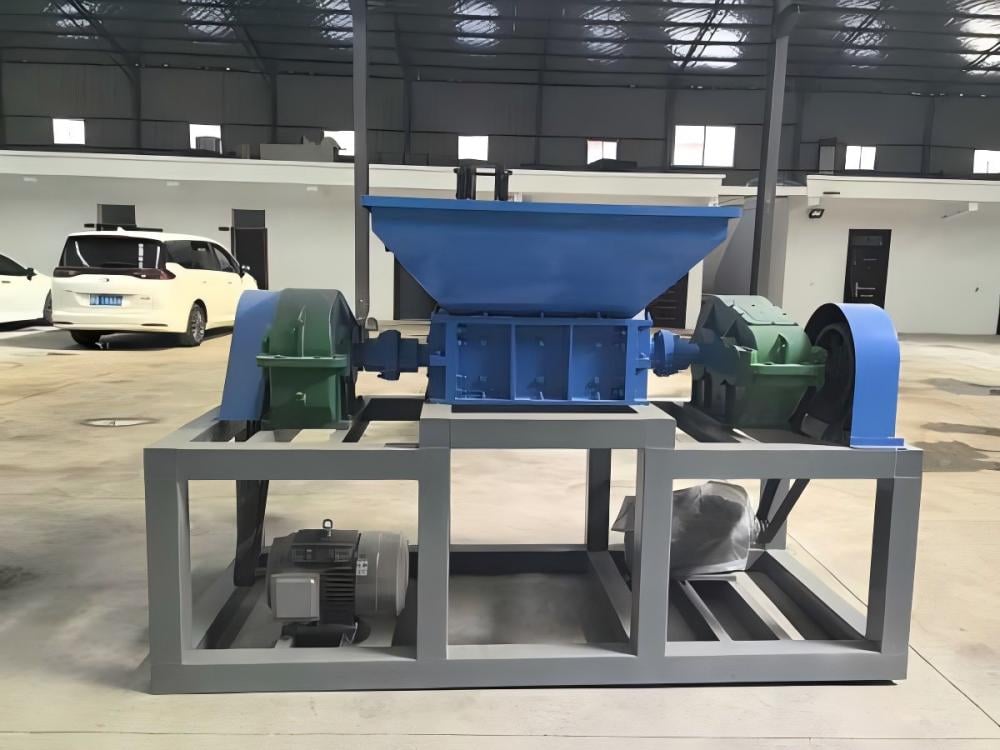
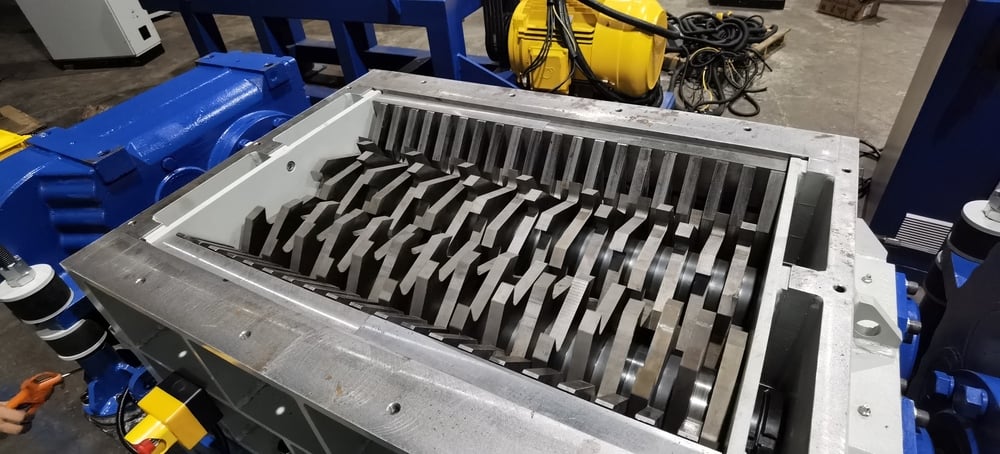
The core of the HARSLE double-shaft shredder lies in its low-speed, high-torque design. Unlike high-speed hammer mills that rely on impact, the double-shaft system utilizes a shearing action. This is achieved through two counter-rotating shafts equipped with hardened steel blades. The shearing mechanism is significantly more energy-efficient when dealing with thick steel sections, as it slices through the material rather than attempting to shatter it.
The rotor design is the heart of the machine. HARSLE utilizes specialized alloy steels for the blades, which are heat-treated to achieve the perfect balance between hardness and toughness. This prevents the blades from chipping when they encounter high-strength steel or unexpected contaminants like hardened tool steel. The blade geometry is also customizable, allowing operators to adjust the cutting profile based on the specific type of scrap being processed.
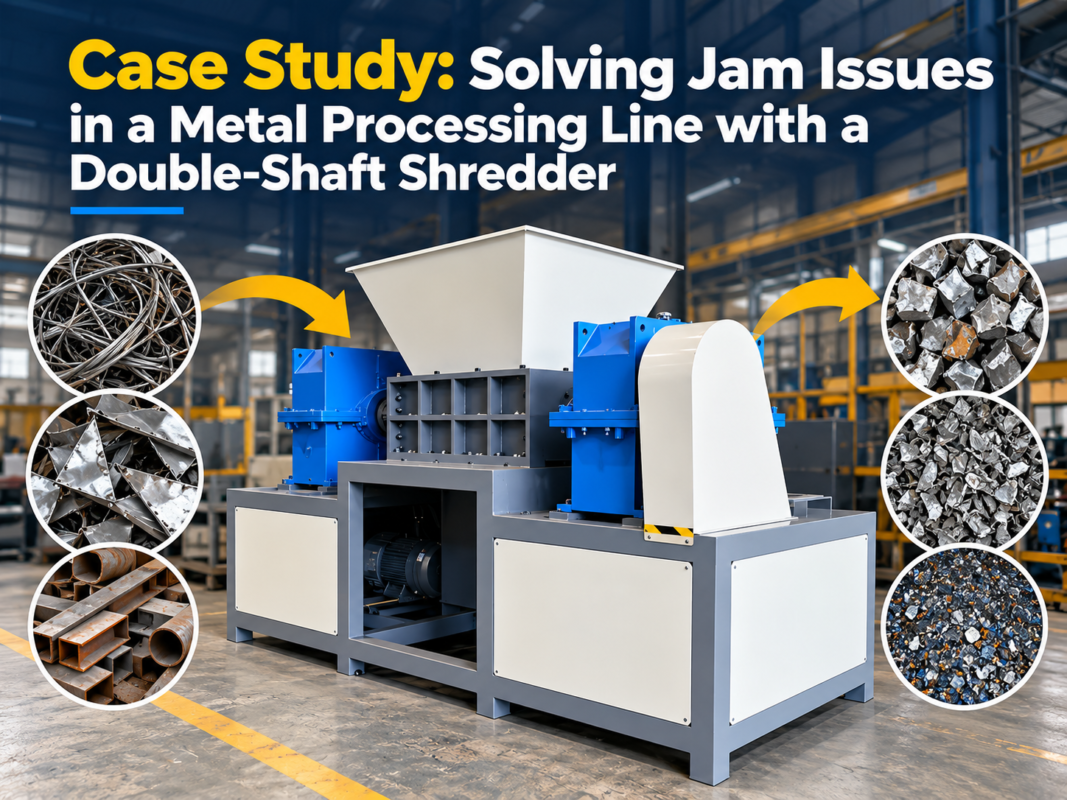
Control systems in modern HARSLE shredders are highly sophisticated. They feature PLC-based monitoring that tracks motor current, shaft speed, and temperature in real-time. If the shredder encounters an un-shreddable object, the system automatically triggers an auto-reverse function. This prevents mechanical damage to the shafts and gearboxes, significantly extending the life of the drivetrain.
The transmission system is equally robust. HARSLE employs heavy-duty planetary gearboxes that provide the necessary torque multiplication to handle massive steel sections. These gearboxes are designed for high shock-load resistance, ensuring that the power from the electric motors is transferred efficiently to the cutting shafts without slippage or excessive vibration. Furthermore, the integration of fluid couplings allows for a soft start, reducing the mechanical stress on the motor during the initial engagement with heavy scrap loads.
Operational Case Study: Scaling Throughput
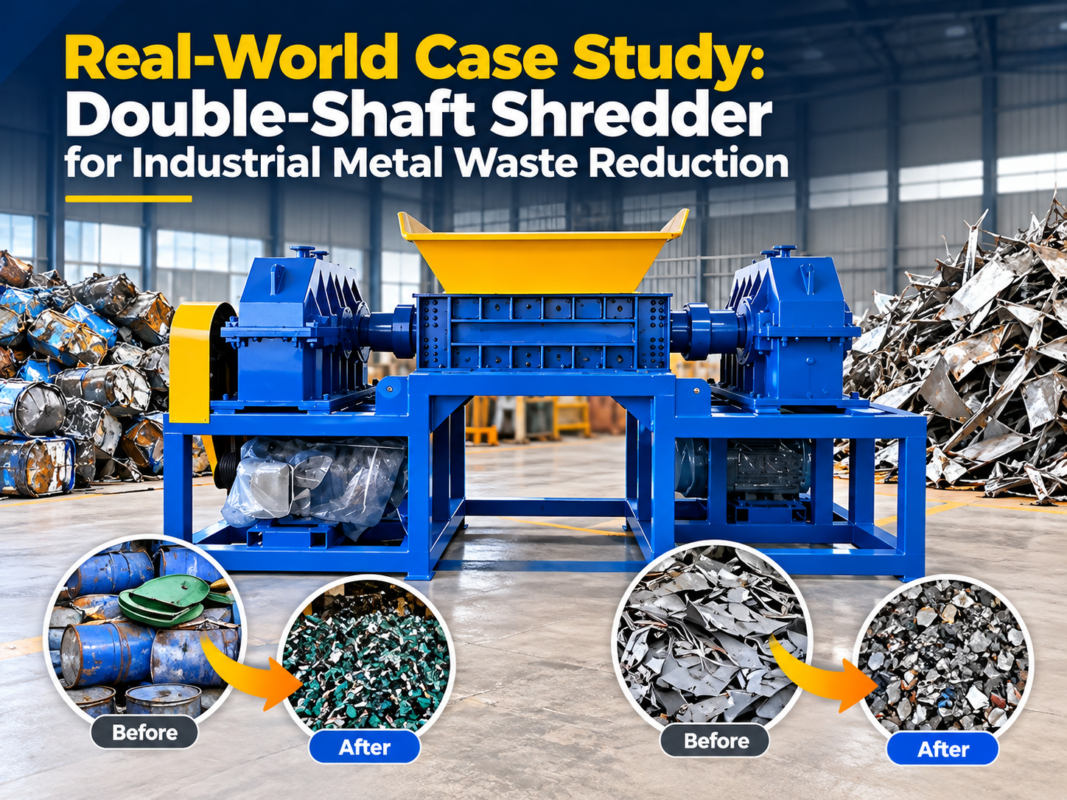
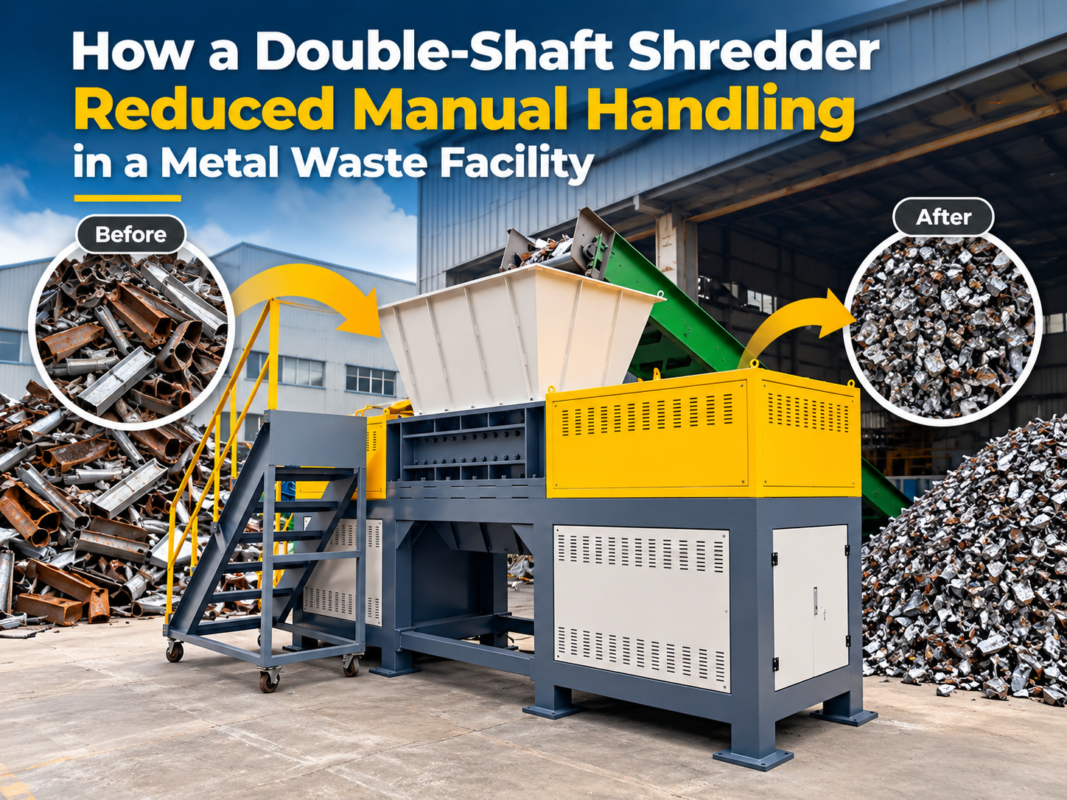
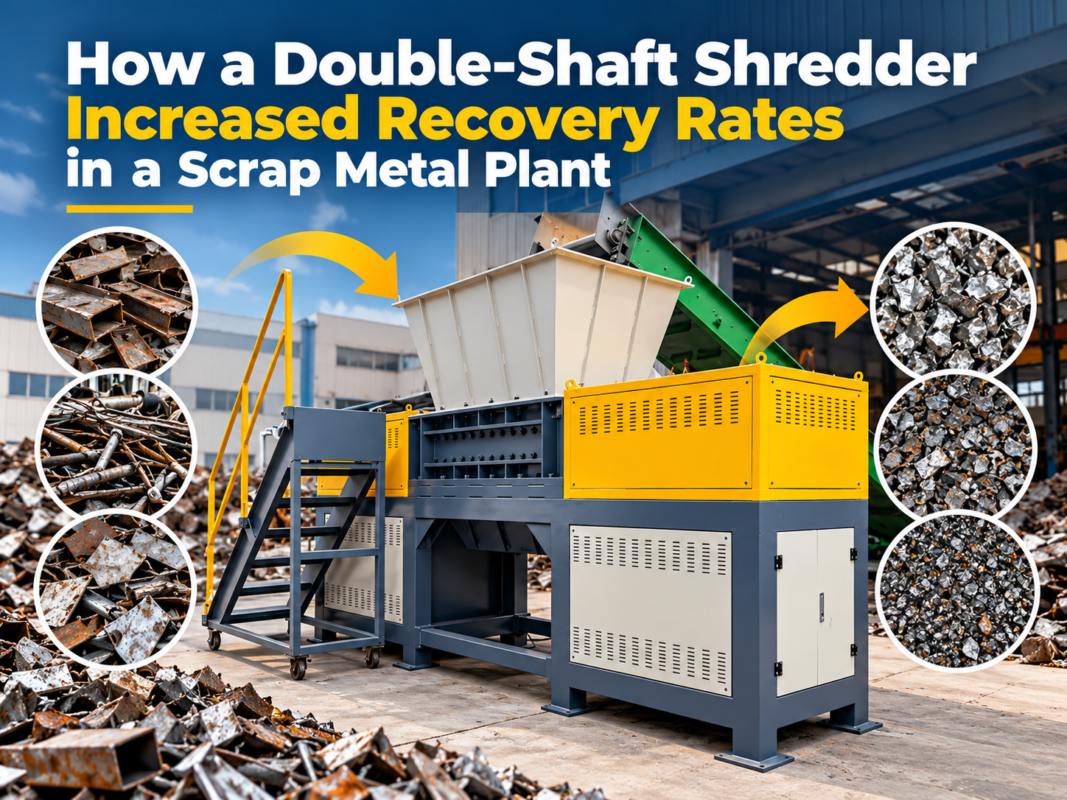
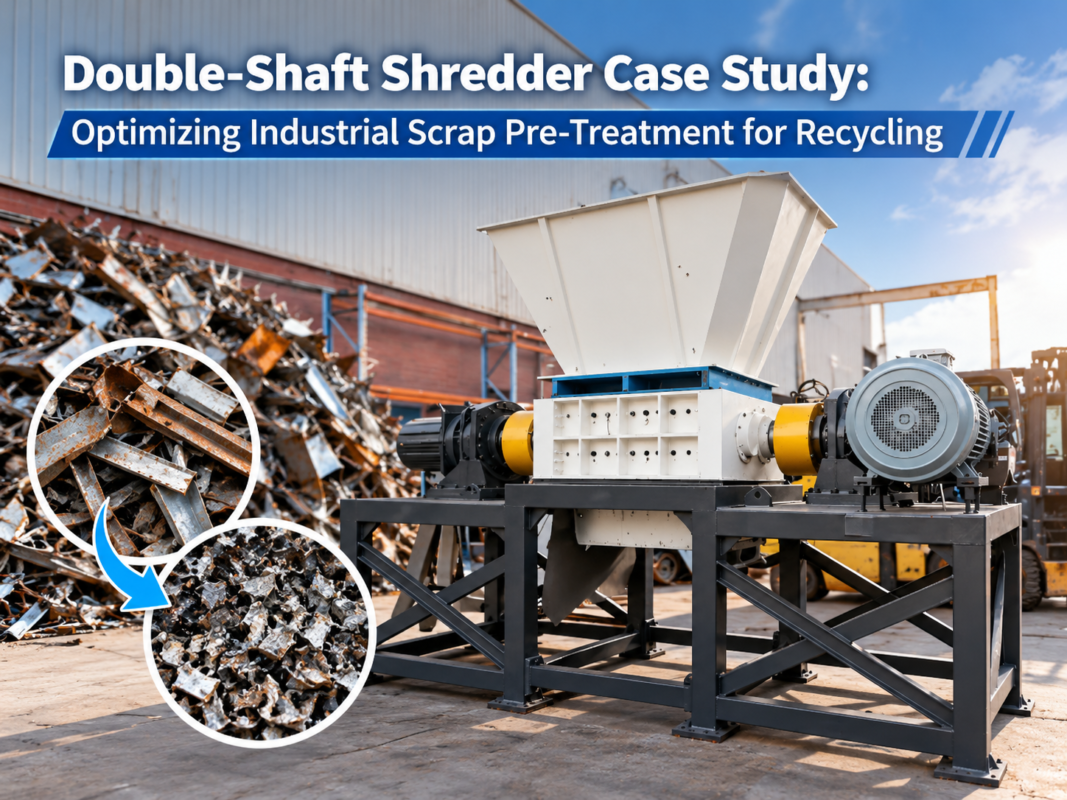
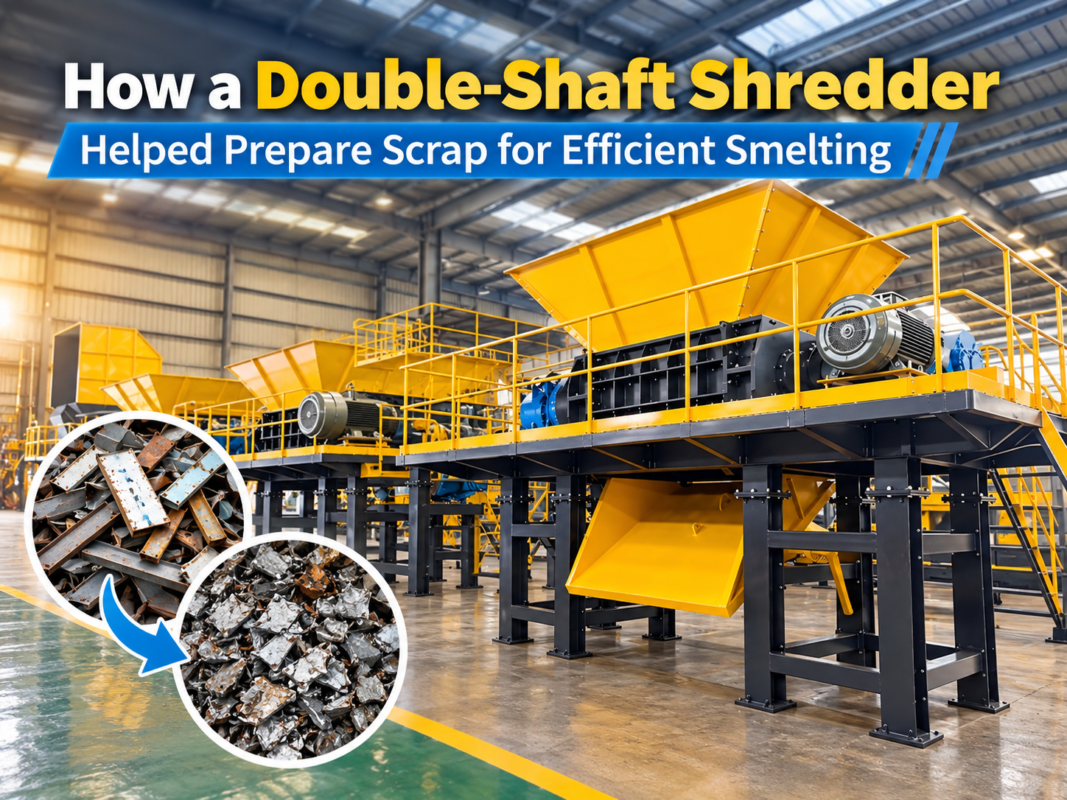
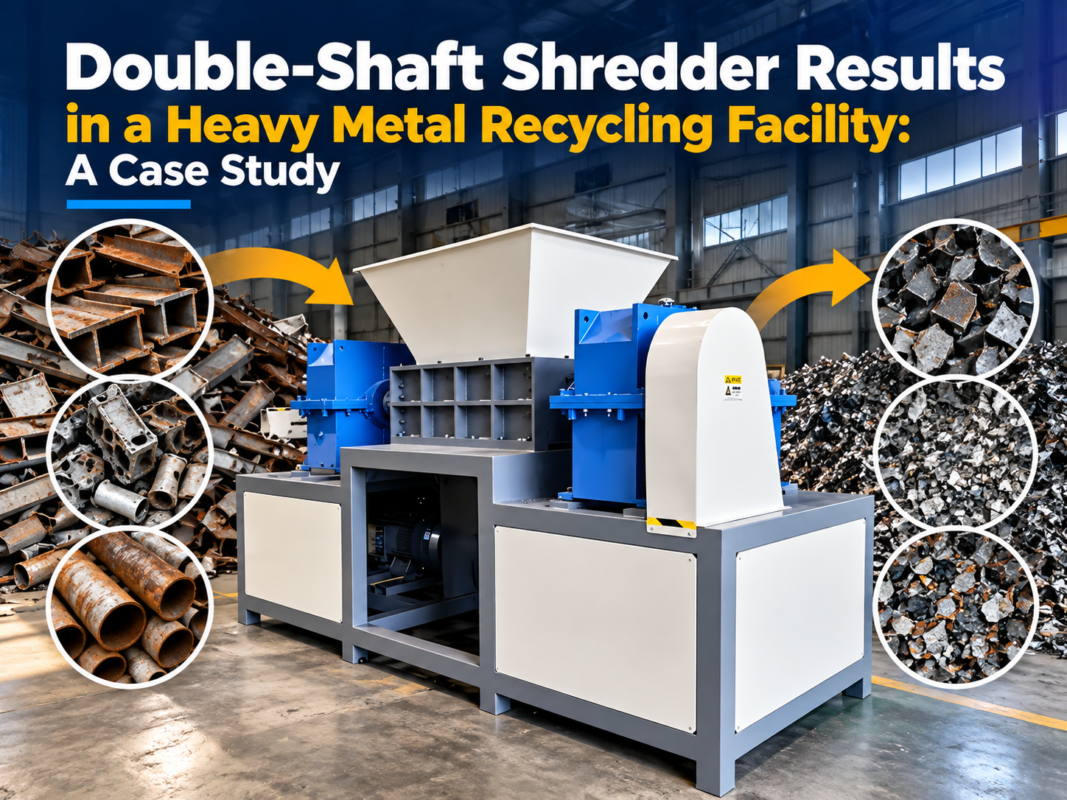
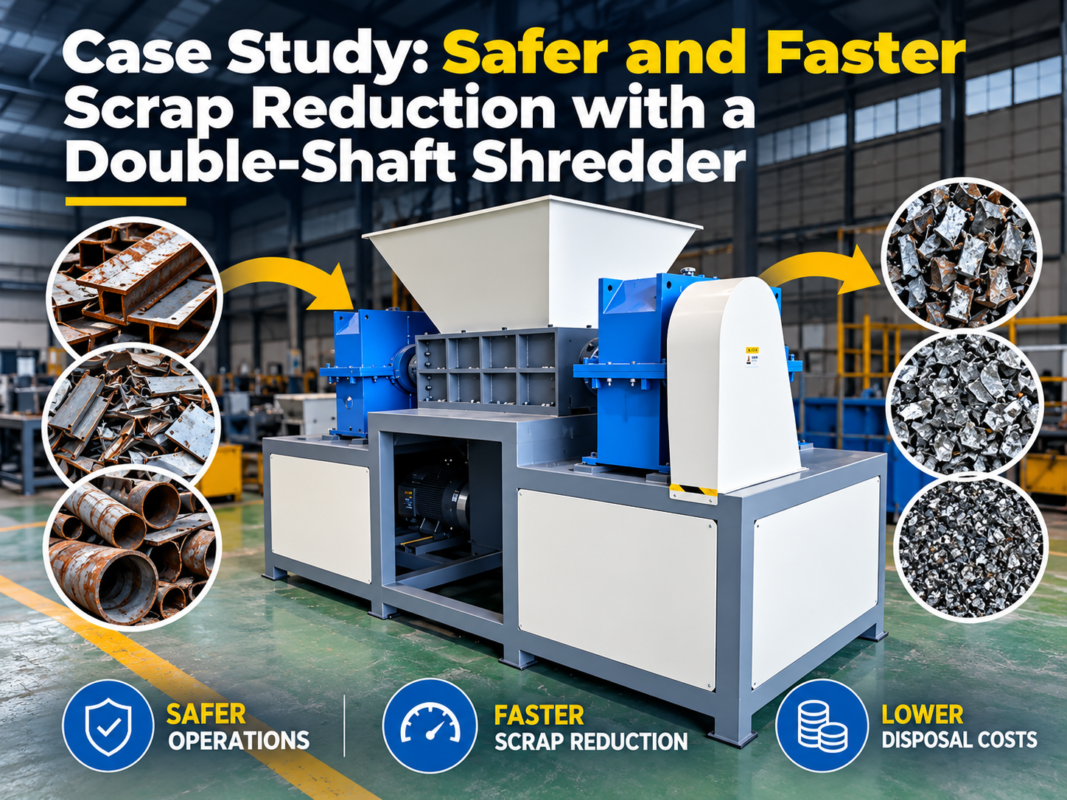
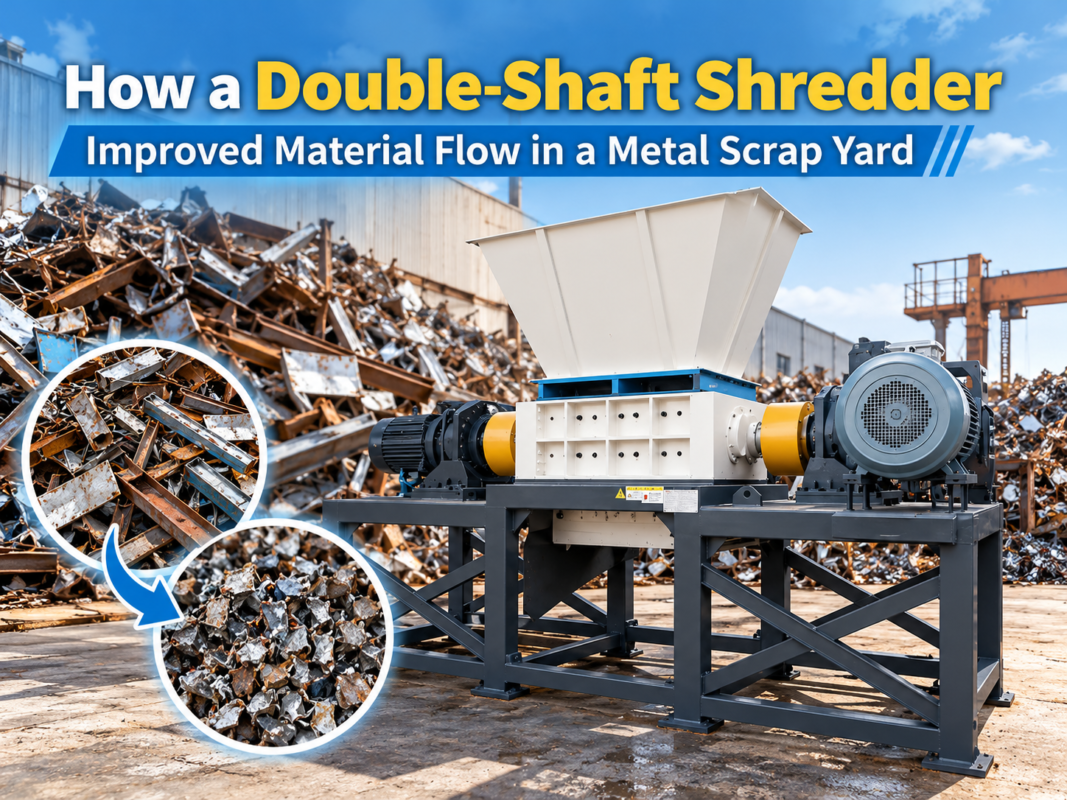
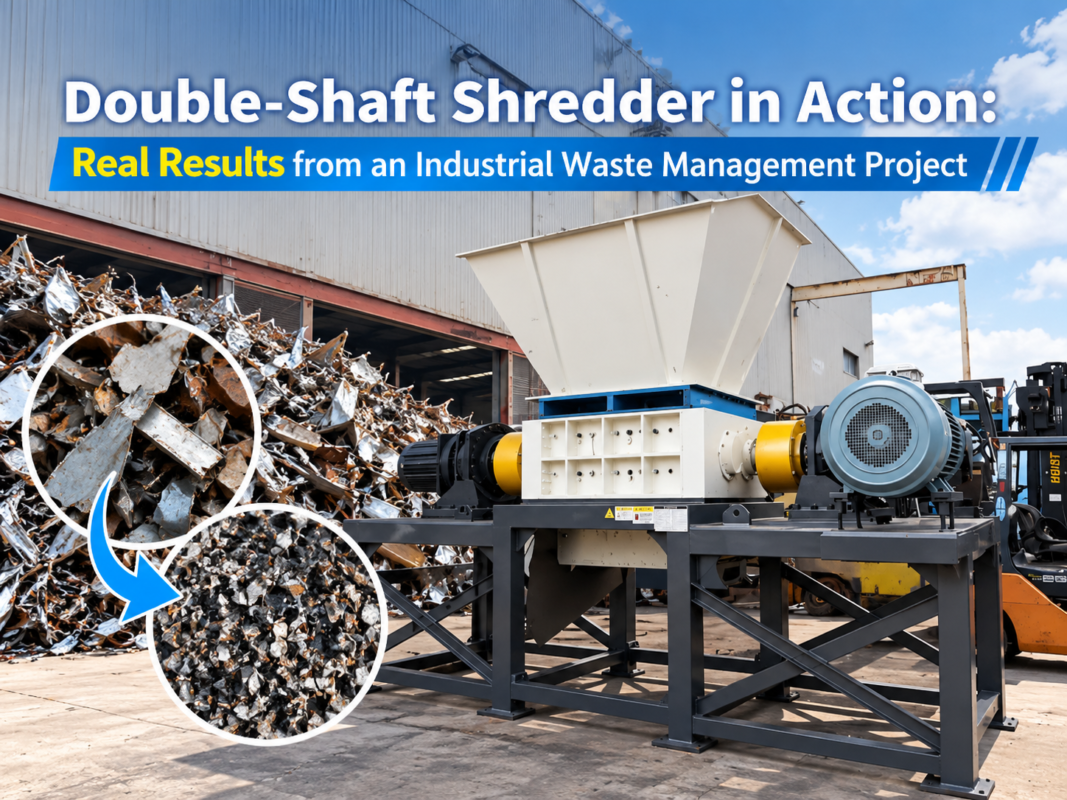
In a recent case study involving a mid-sized steel recycling facility, the implementation of a HARSLE double-shaft shredder resulted in a 35% increase in daily throughput. Previously, the facility relied on manual cutting and basic shearing, which created a significant bottleneck. By transitioning to an automated shredding line, the facility was able to reduce the volume of scrap by 60%, drastically lowering transport costs to the foundry. The consistent particle size produced by the shredder also led to a 12% improvement in furnace melting times, as the uniform density allowed for better heat distribution during the smelting process.
Selection Advice for Industrial Shredders
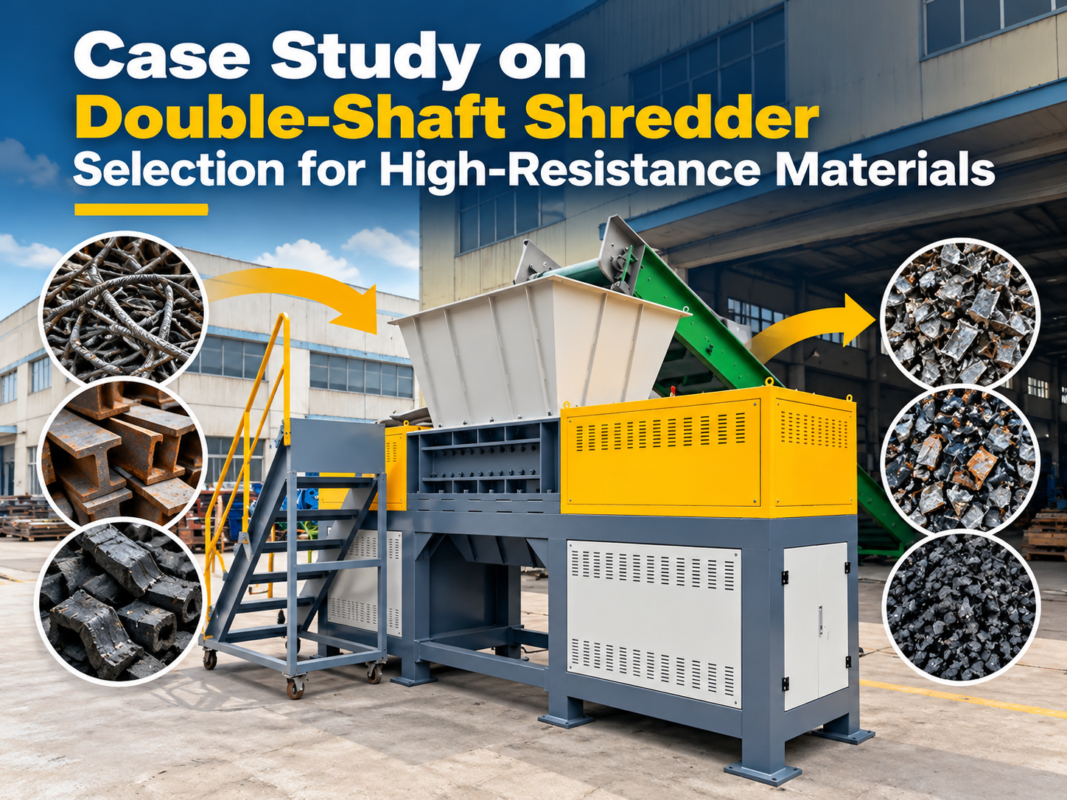
Choosing the right double-shaft shredder requires a thorough audit of your current scrap stream. Start by categorizing your material: is it light-gauge sheet metal, heavy structural steel, or a mix? The thickness and tensile strength of the material will dictate the required motor horsepower and the necessary blade thickness. A common mistake is undersizing the motor, which leads to frequent stalls and increased downtime.
Consider the desired output size. If your downstream process requires a specific particle size for optimal furnace melting, you may need a shredder with a screen or grate system. While this adds a step to the process, it ensures that the material is uniform, which improves the efficiency of the melting process and reduces energy consumption in the furnace. Discuss these requirements with your HARSLE representative to ensure the machine configuration matches your output goals.
Space constraints and material handling logistics are also vital. How will the scrap be fed into the shredder? Will you use a conveyor belt, a crane, or a forklift? The shredder’s hopper design must be compatible with your existing material handling equipment. A poorly designed hopper can lead to bridging, where material gets stuck and fails to enter the cutting chamber, causing significant operational delays. Always ensure the feed opening is sized appropriately for the largest expected piece of scrap to prevent manual pre-cutting requirements.
Finally, prioritize after-sales support and spare parts availability. Industrial shredders are subject to extreme wear and tear. Having a reliable partner who can provide timely maintenance, blade sharpening services, and replacement parts is just as important as the machine itself. HARSLE provides comprehensive support packages that include remote diagnostics and on-site training to ensure your team can maintain peak performance.
Maintenance Best Practices
To maximize the lifespan of your double-shaft shredder, a proactive maintenance schedule is non-negotiable. Daily inspections should include checking for loose bolts, monitoring gearbox oil levels, and ensuring that the lubrication system is functioning correctly. Weekly, operators should inspect the cutting blades for signs of excessive wear or chipping. If the blades become dull, the shredder will require more power to process the same amount of material, leading to increased energy costs and potential motor strain. Implementing a scheduled blade rotation or sharpening program will keep the machine operating at peak efficiency. Additionally, keeping the area around the shredder clean of debris prevents dust buildup in the motor cooling vents, which is a common cause of premature electrical failure.
Frequently Asked Questions (FAQ)
What is the primary advantage of a double-shaft shredder over a single-shaft model?
Double-shaft shredders provide superior torque and are better suited for bulky, heavy-duty steel scrap. The shearing action is more effective at cutting through thick materials, whereas single-shaft shredders are typically better for smaller, uniform materials or plastics.
How often should the shredder blades be sharpened or replaced?
The frequency depends on the abrasiveness and hardness of the scrap. On average, HARSLE recommends a blade inspection every 500-1000 operational hours. Regular maintenance and proper material sorting can significantly extend the life of the blades.
Can these shredders handle non-metallic contaminants?
While designed for steel, HARSLE shredders can handle incidental contaminants like wood or plastic. However, excessive non-metallic material can reduce efficiency and increase wear. We recommend pre-sorting for optimal performance.
What safety features are standard on HARSLE shredders?
Standard features include emergency stop buttons, auto-reverse functionality to prevent jams, overload protection for the motors, and safety interlocks on the hopper and maintenance access panels.
How does the shredder handle unexpected hard objects?
The PLC system monitors motor load. If an object exceeds the torque capacity, the shafts will automatically reverse to clear the obstruction, preventing damage to the gearboxes and shafts.
Conclusión
The Double-Shaft Shredder Performance Case Study for Steel Scrap Pre-Processing Operations demonstrates that investing in high-quality, purpose-built machinery is the most effective way to optimize scrap processing. By focusing on the shearing efficiency, robust drivetrain design, and intelligent control systems offered by HARSLE, facilities can achieve higher throughput, lower energy costs, and improved material quality.
As the metal fabrication industry continues to evolve, the ability to process scrap efficiently will remain a key competitive advantage. Whether you are looking to upgrade your current facility or establish a new recycling line, HARSLE provides the technical expertise and equipment reliability needed to succeed. Remember that the right shredder is not just a piece of machinery; it is a long-term investment in the productivity and sustainability of your operations. Contact our team today to discuss your specific scrap processing needs and discover how our solutions can transform your workflow.