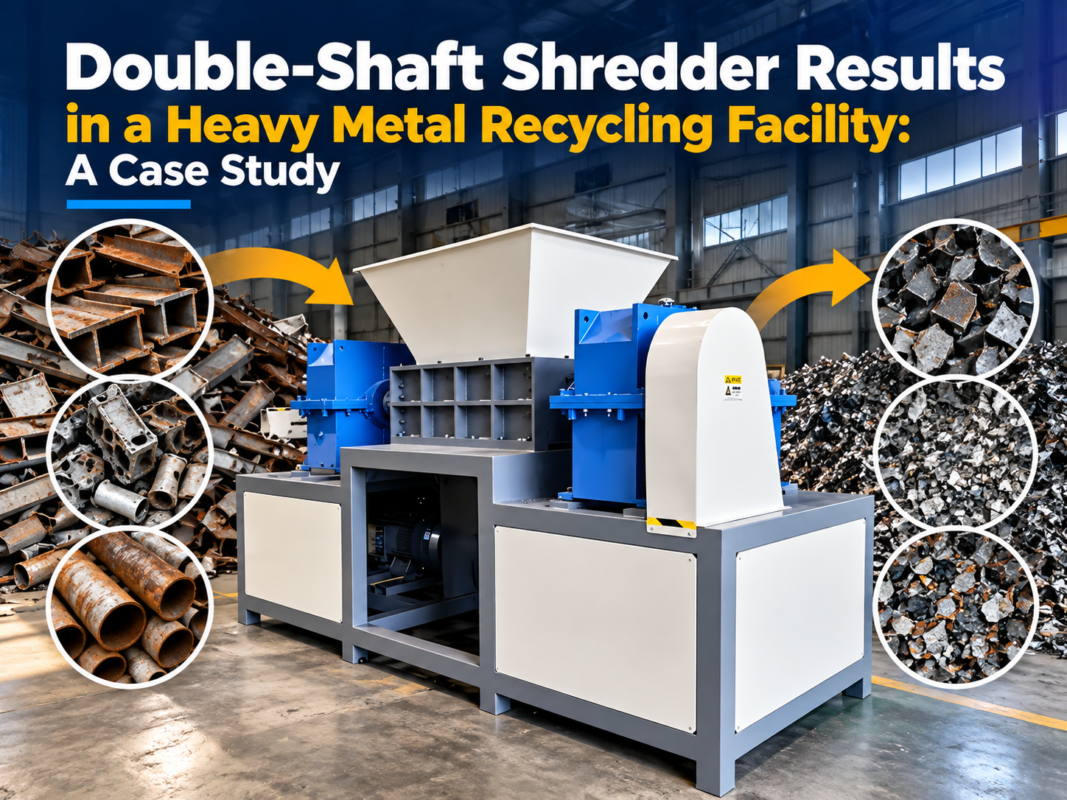
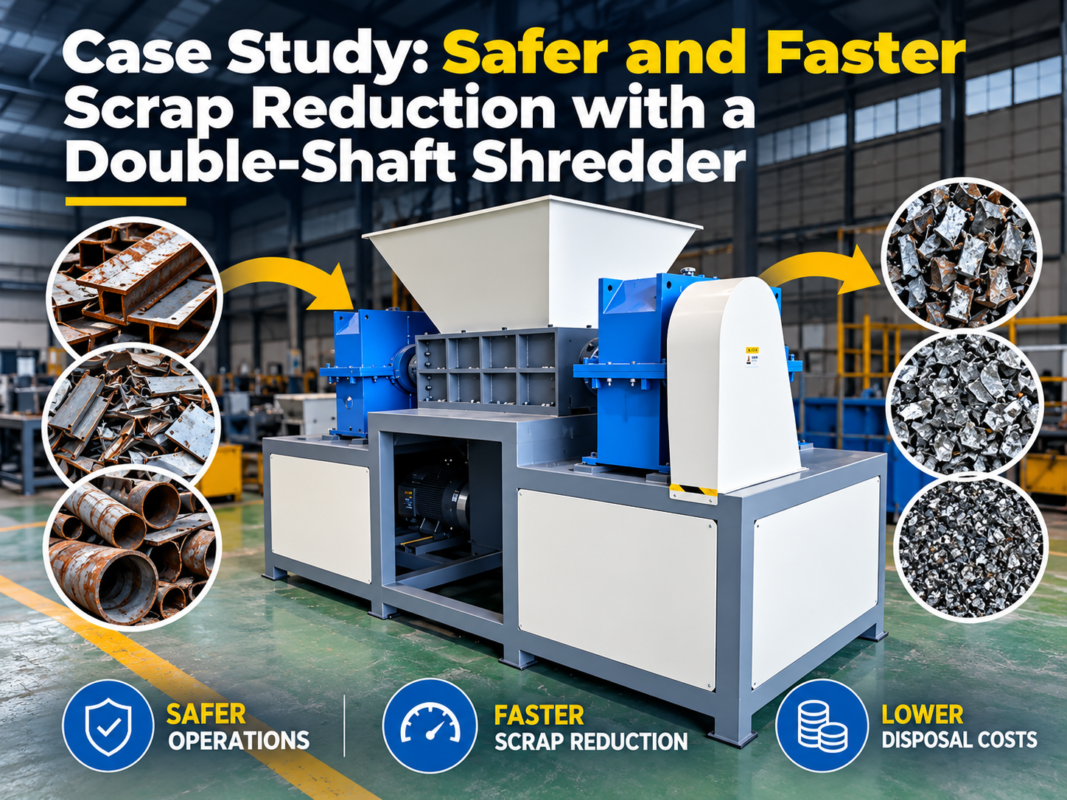
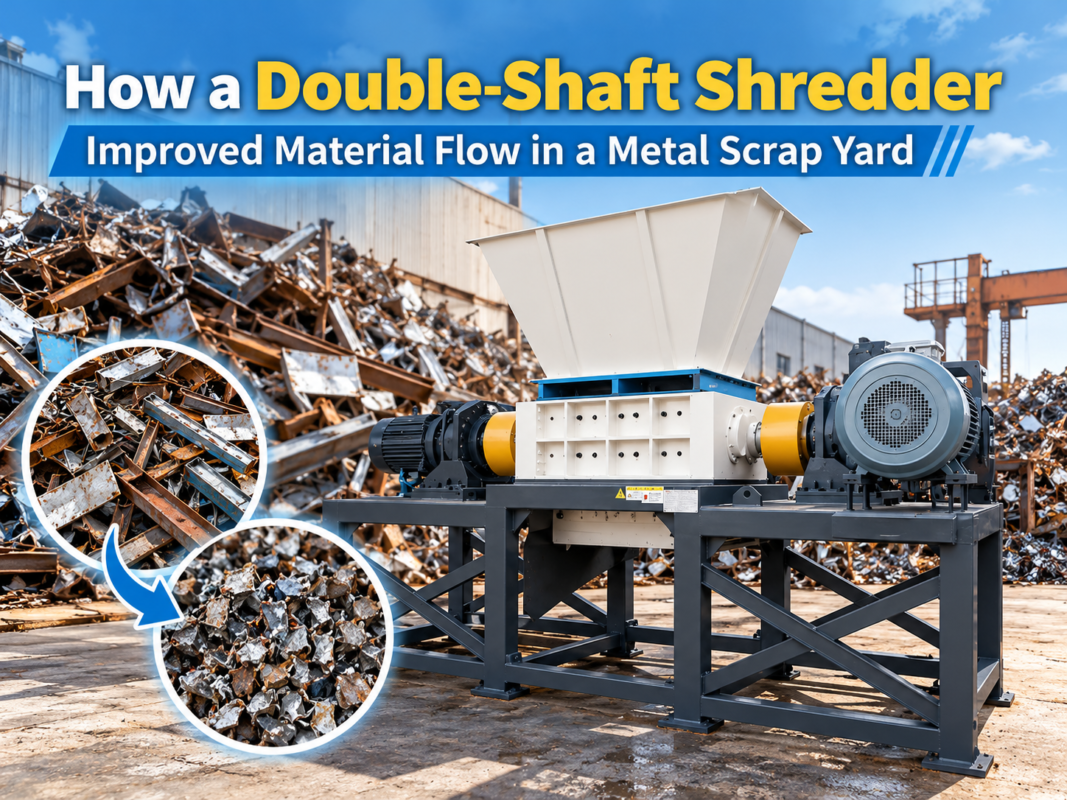
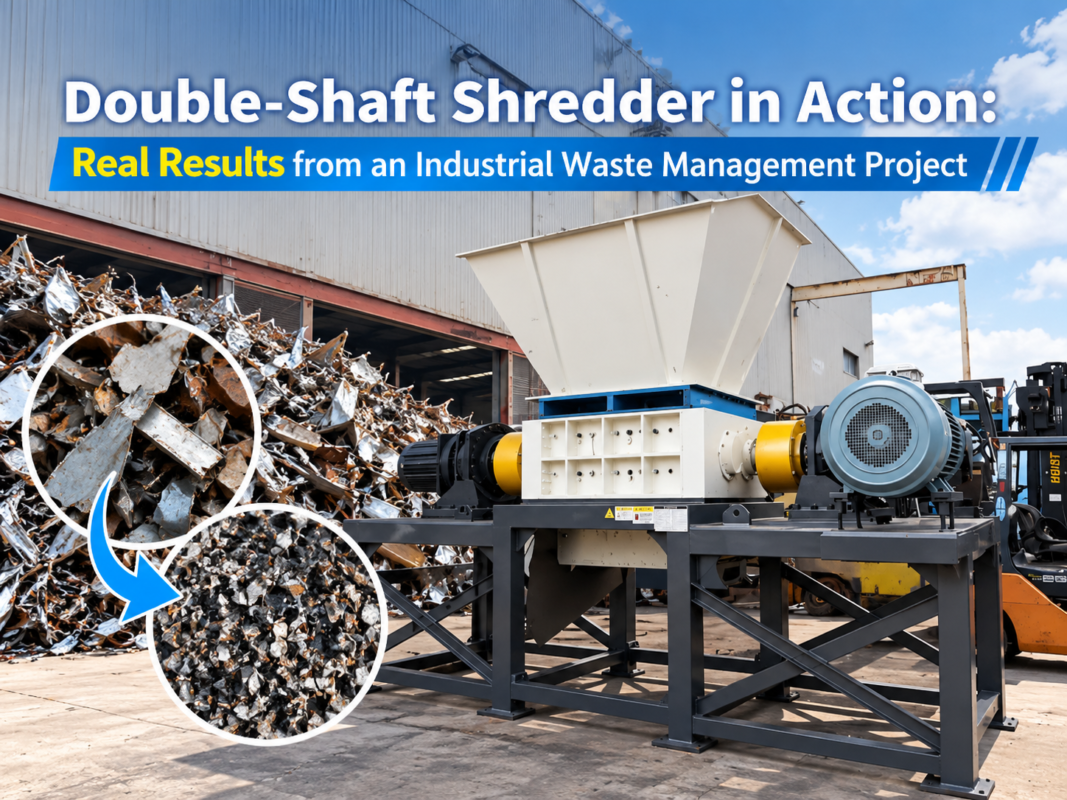
Case Study: Single-Shaft Shredder for Palletized Waste and Bulk Material Handling

Introducción
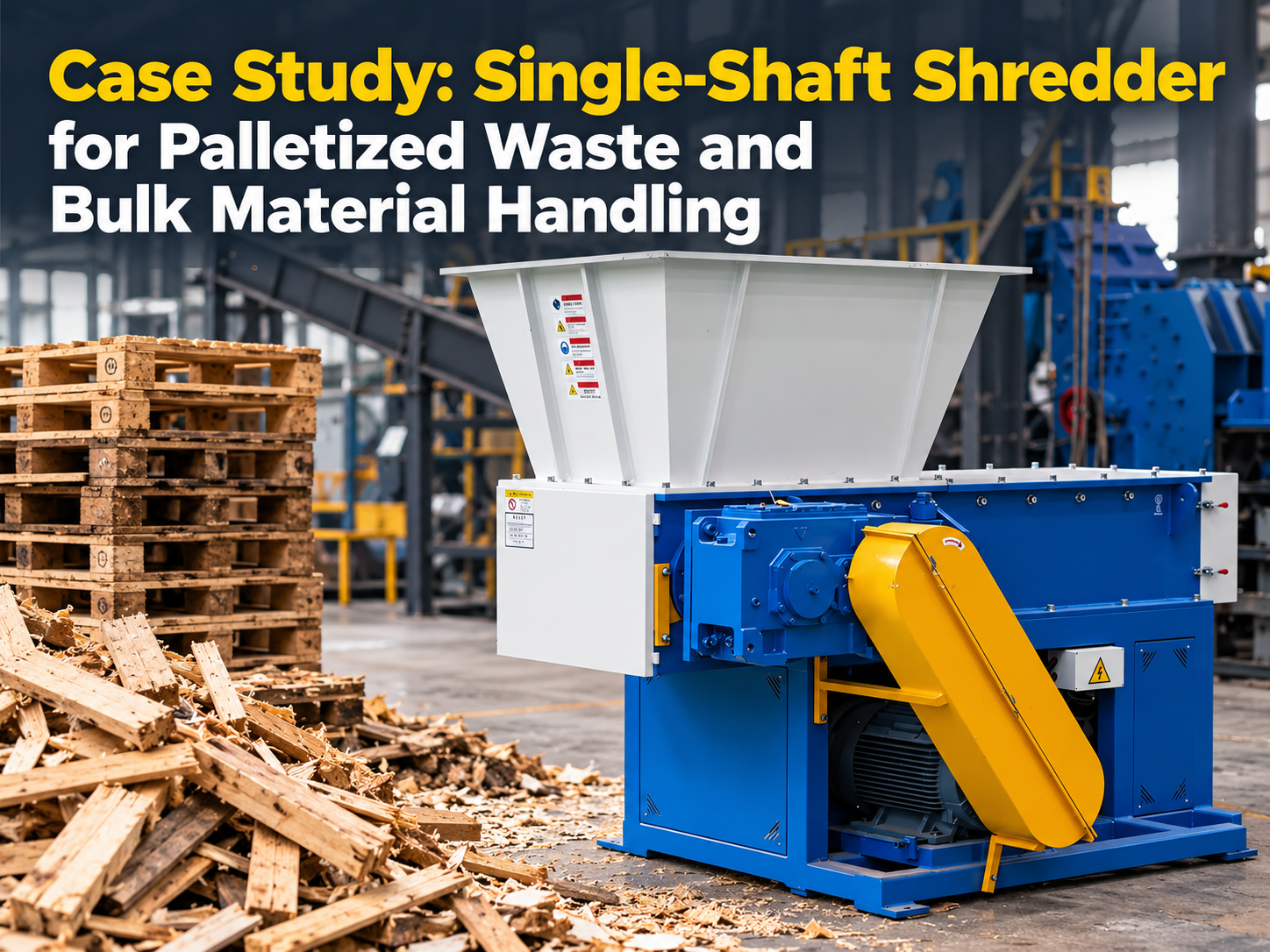
In the modern landscape of industrial manufacturing and logistics, the efficient management of waste is no longer just an environmental mandate; it is a critical component of operational profitability. Among the various materials that clog up warehouse floors and logistics centers, palletized waste remains one of the most significant challenges. Wooden pallets, plastic crates, and mixed bulk materials occupy vast amounts of space, leading to increased transport costs and inefficient storage. This article presents a comprehensive Case Study: Single-Shaft Shredder Palletized Waste Bulk Material Handling, demonstrating how HARSLE machinery transforms waste management into a streamlined, value-added process.
The HARSLE single-shaft shredder is engineered to address the specific physical challenges posed by bulky, high-volume waste. Unlike traditional crushers that may struggle with the structural integrity of reinforced pallets, our shredders utilize a high-torque, low-speed cutting mechanism that ensures consistent throughput. By reducing the volume of waste by up to 80%, facilities can significantly lower their carbon footprint and logistics overhead. This case study explores the technical implementation, operational benefits, and strategic advantages of integrating such equipment into a modern industrial facility.
For many metal fabrication and logistics companies, the primary bottleneck is the accumulation of scrap. Whether it is wood, plastic, or light-gauge metal components, the ability to process these materials on-site is a game-changer. Throughout this guide, we will analyze how a specific client utilized HARSLE technology to solve their bulk material handling issues, providing a blueprint for other businesses seeking to optimize their waste streams.
As we delve into the technical specifications and operational strategies, it is important to understand that the selection of a shredder is not a one-size-fits-all endeavor. Factors such as material density, throughput requirements, and final particle size play a vital role in machine configuration. This article serves as an essential resource for plant managers, sustainability officers, and procurement specialists looking to invest in high-performance industrial machinery.

Key Considerations for Bulk Material Handling
When approaching the challenge of palletized waste, the first consideration is the sheer volume of the material. Wooden pallets are designed for durability, which makes them inherently difficult to break down. A standard industrial shredder must possess enough torque to shear through nails, staples, and dense timber without stalling. The HARSLE single-shaft design incorporates a hydraulic ram that pushes material toward the cutting rotor, ensuring that even the most awkward shapes are processed efficiently.
Another critical factor is the consistency of the output. In many recycling workflows, the shredded material must be uniform to be accepted by downstream processing equipment, such as pelletizers or biomass boilers. If the output size is inconsistent, it can lead to blockages in conveyors or inefficient combustion in energy recovery systems. Our shredders allow for adjustable screen sizes, giving operators precise control over the final particle dimensions, which is essential for maximizing the resale value of the processed material.
Safety and dust control are also paramount in bulk material handling. Shredding wood and plastic generates significant amounts of particulate matter. HARSLE machines are designed with integrated dust suppression systems and enclosed cutting chambers to minimize airborne contaminants. Furthermore, the inclusion of advanced safety sensors ensures that the machine automatically reverses or shuts down if an uncrushable object, such as a large steel beam or concrete block, is detected, protecting the rotor from catastrophic damage.
Finally, the integration of the shredder into the existing facility layout is a key operational consideration. Many clients struggle with the logistics of moving bulky waste from the production floor to the shredding station. By utilizing modular conveyor systems and automated feeding hoppers, HARSLE helps clients design a closed-loop system that minimizes manual handling. This not only reduces labor costs but also significantly lowers the risk of workplace injuries associated with heavy lifting and manual pallet dismantling.
Technical Details of the HARSLE Shredder
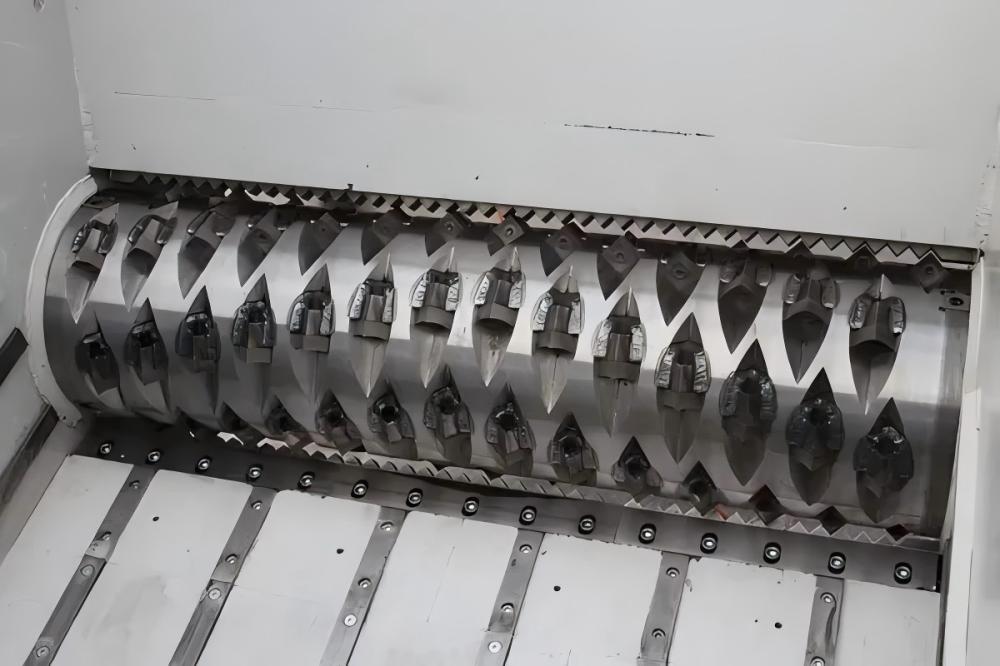
The core of the HARSLE single-shaft shredder is the high-performance rotor, which is manufactured from hardened alloy steel to withstand the abrasive nature of industrial waste. The rotor is equipped with reversible cutting knives that can be rotated to provide four distinct cutting edges, effectively quadrupling the lifespan of the blades before replacement is required. This design choice is a direct response to the high maintenance costs often associated with industrial shredding equipment.
The hydraulic pusher system is another technical highlight. It operates on a load-dependent basis, meaning the speed of the ram adjusts automatically based on the resistance encountered by the rotor. This intelligent control system prevents the motor from overheating and ensures that the shredder operates at peak efficiency regardless of the material density. Whether processing soft pine pallets or high-density polyethylene crates, the machine maintains a steady, reliable throughput.
The drive system utilizes a heavy-duty gearbox coupled with a high-efficiency electric motor. This combination provides the high torque necessary for shredding while maintaining energy efficiency. In our case study, the client noted a 30% reduction in energy consumption compared to their previous dual-shaft shredding system. This is largely due to the precision-engineered cutting geometry that requires less force to achieve the same shearing effect.
Control interfaces are designed with the operator in mind. The PLC (Programmable Logic Controller) system provides real-time data on rotor speed, motor temperature, and hydraulic pressure. This allows for predictive maintenance, where operators can identify potential issues before they lead to downtime. The system can also be integrated with remote monitoring software, enabling HARSLE technicians to provide support and diagnostics from anywhere in the world, ensuring that your Case Study: Single-Shaft Shredder for Palletized Waste and Bulk Material Handling remains a success story for years to come.
Selection Advice: Choosing the Right Equipment
Selecting the right shredder requires a deep understanding of your specific waste stream. Before purchasing, it is essential to conduct a material audit. Ask yourself: What is the maximum thickness of the material? Is there a high risk of metal contamination? What is the required throughput per hour? These questions will dictate the horsepower, rotor diameter, and screen size required for your application. HARSLE offers a range of models, from compact units for small workshops to heavy-duty industrial shredders for large-scale recycling facilities.
Another aspect of selection is the configuration of the discharge system. Depending on your facility’s layout, you may need a discharge conveyor, a screw auger, or a pneumatic extraction system to move the shredded material to a storage bin or baler. We recommend working closely with our engineering team to map out the flow of materials. A well-designed system should account for the volume of the shredded output, which is significantly higher than the input volume due to the change in density.
Consider the long-term maintenance requirements. While HARSLE machines are built for durability, they are industrial tools that require regular care. When selecting your model, ensure that the maintenance access points are easily reachable. Our designs prioritize “tool-less” access to the cutting chamber, allowing for quick blade changes and screen cleaning. This reduces the time your machine spends offline, ensuring that your production schedule remains uninterrupted.
Finally, do not overlook the importance of after-sales support. An industrial shredder is a long-term investment. Ensure that the manufacturer provides a comprehensive warranty, readily available spare parts, and technical training for your staff. At HARSLE, we believe that the sale is just the beginning of the relationship. We provide extensive documentation and on-site training to ensure that your team is fully equipped to operate and maintain the shredder at peak performance.
FAQ: Frequently Asked Questions
1. What materials can a HARSLE single-shaft shredder process?
Our shredders are highly versatile and can process a wide range of materials, including wooden pallets, plastic crates, cardboard, paper, light-gauge metals, and various types of industrial scrap. They are specifically designed for bulk material handling.
2. How often do the blades need to be replaced?
The lifespan of the blades depends on the material being shredded and the volume of throughput. However, because our blades are reversible with four cutting edges, they offer an exceptionally long service life. Regular maintenance and avoiding non-shreddable contaminants will maximize blade longevity.
3. Can the shredder handle metal nails in wooden pallets?
Yes, the HARSLE single-shaft shredder is specifically designed to handle wood containing nails, staples, and other small metal fasteners. The high-torque rotor is built to shear through these materials without damaging the cutting edges.
4. What is the difference between single-shaft and dual-shaft shredders?
Single-shaft shredders are typically used when a specific, uniform particle size is required, thanks to the screen system. Dual-shaft shredders are often used for primary shredding where size uniformity is less critical and high-volume throughput of bulky items is the priority.
5. How do I determine the right size shredder for my facility?
The right size depends on your daily waste volume and the physical dimensions of the material. Our team performs a site assessment to calculate your throughput requirements and recommends the model that offers the best balance of performance and cost-efficiency.
Conclusión
The transition to efficient waste management is a hallmark of a forward-thinking industrial operation. As demonstrated in this Case Study: Single-Shaft Shredder for Palletized Waste and Bulk Material Handling, the implementation of HARSLE technology provides a clear path to reducing operational costs, improving safety, and enhancing sustainability. By choosing the right equipment and maintaining it with care, businesses can turn their waste streams into manageable, and often profitable, assets.
HARSLE remains committed to providing the metal fabrication and industrial sectors with the highest quality machinery. Our single-shaft shredders are more than just tools; they are integrated solutions designed to solve the complex challenges of modern logistics. Whether you are dealing with palletized waste, bulk plastic, or mixed industrial scrap, our team is ready to help you design a system that works for your unique needs. Contact us today to learn more about how our shredding solutions can transform your facility’s waste management strategy.
Investing in the right machinery is the first step toward a more efficient future. With HARSLE, you gain a partner dedicated to your success, providing the technical expertise and robust equipment necessary to keep your operations running smoothly. Explore our full range of metal fabrication equipment and discover why industry leaders trust HARSLE for their most demanding material handling applications.