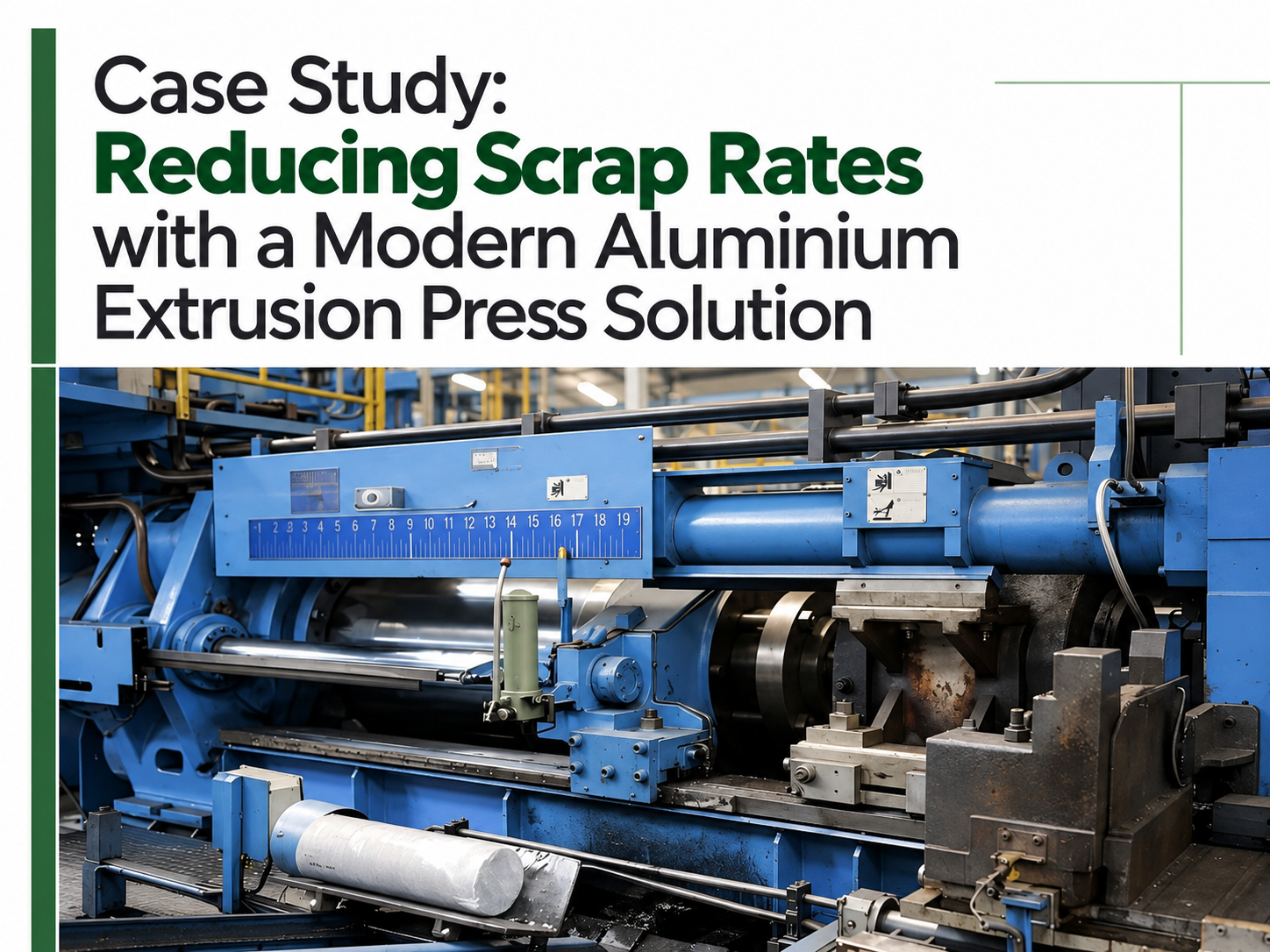
Case Study: Reducing Scrap Rates with a Modern Aluminium Extrusion Press Solution

Introduction: The Challenge of Scrap in Aluminium Extrusion
In the competitive landscape of modern metal fabrication, the efficiency of an aluminium extrusion line is measured not just by output speed, but by the precision and consistency of the final product. For many manufacturers, the primary obstacle to profitability is the accumulation of scrap material. High scrap rates do not merely represent wasted raw material; they signify lost energy, wasted labor hours, and reduced throughput capacity. When a facility operates with outdated machinery, the margin for error increases, leading to surface defects, dimensional inaccuracies, and structural inconsistencies that force operators to discard otherwise valuable aluminium billets.
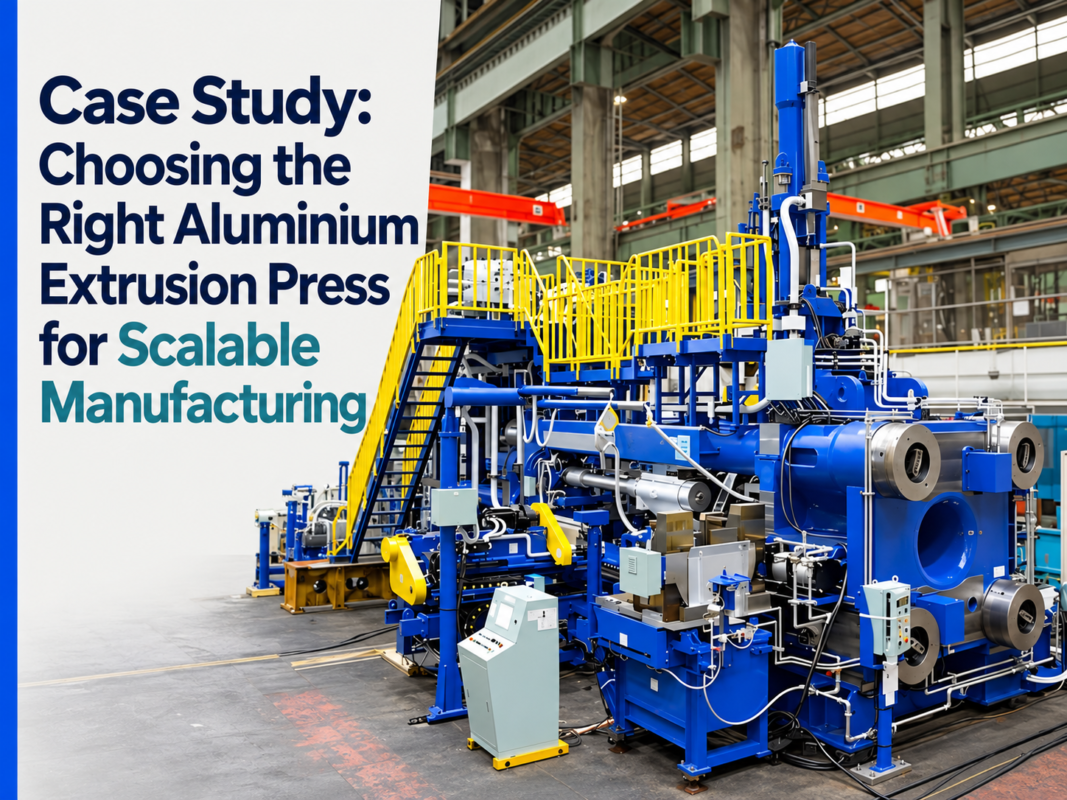
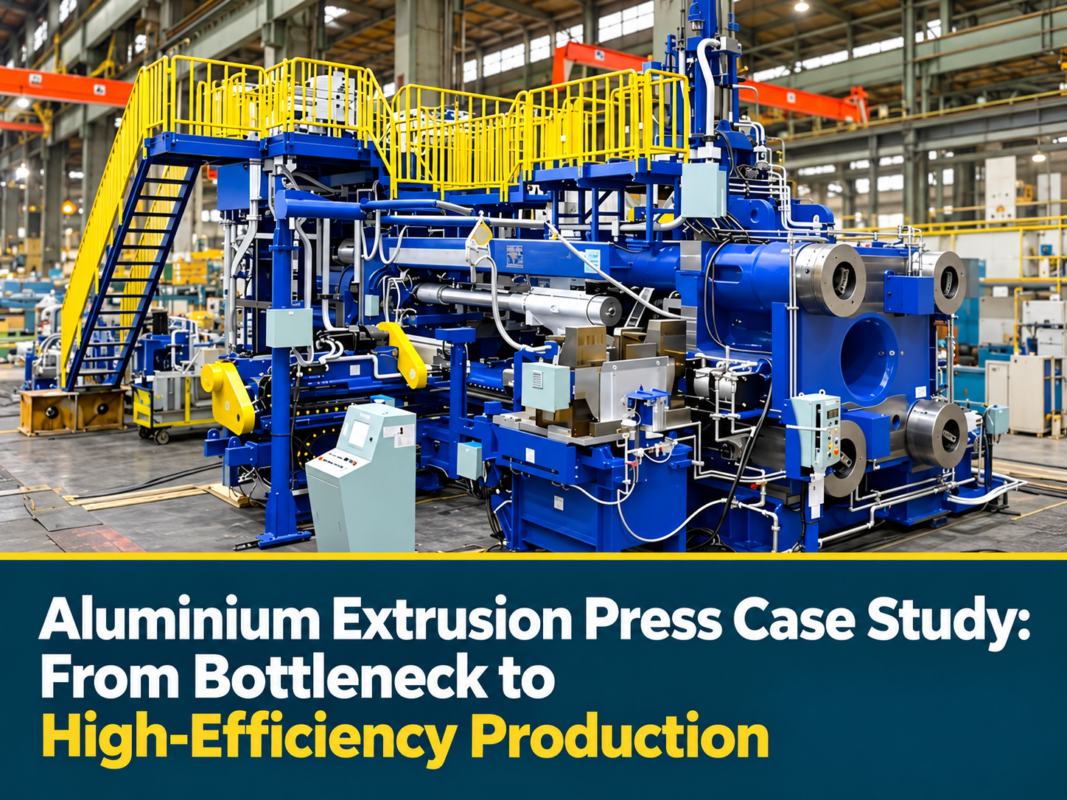
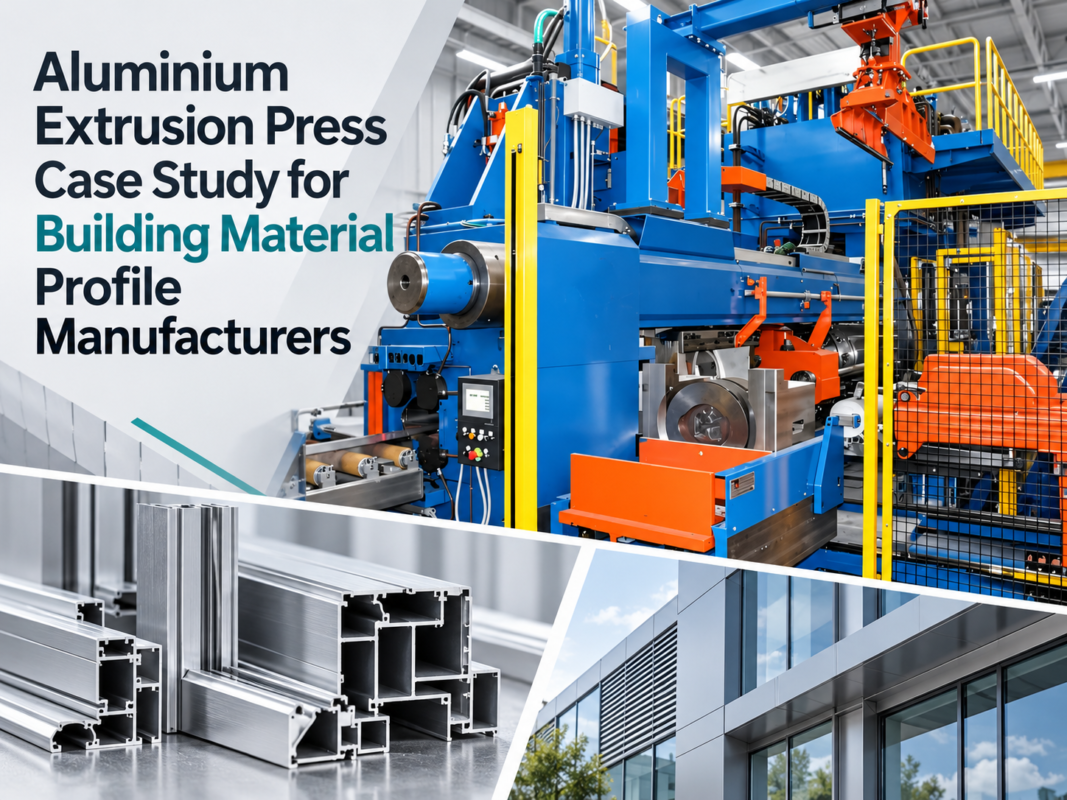
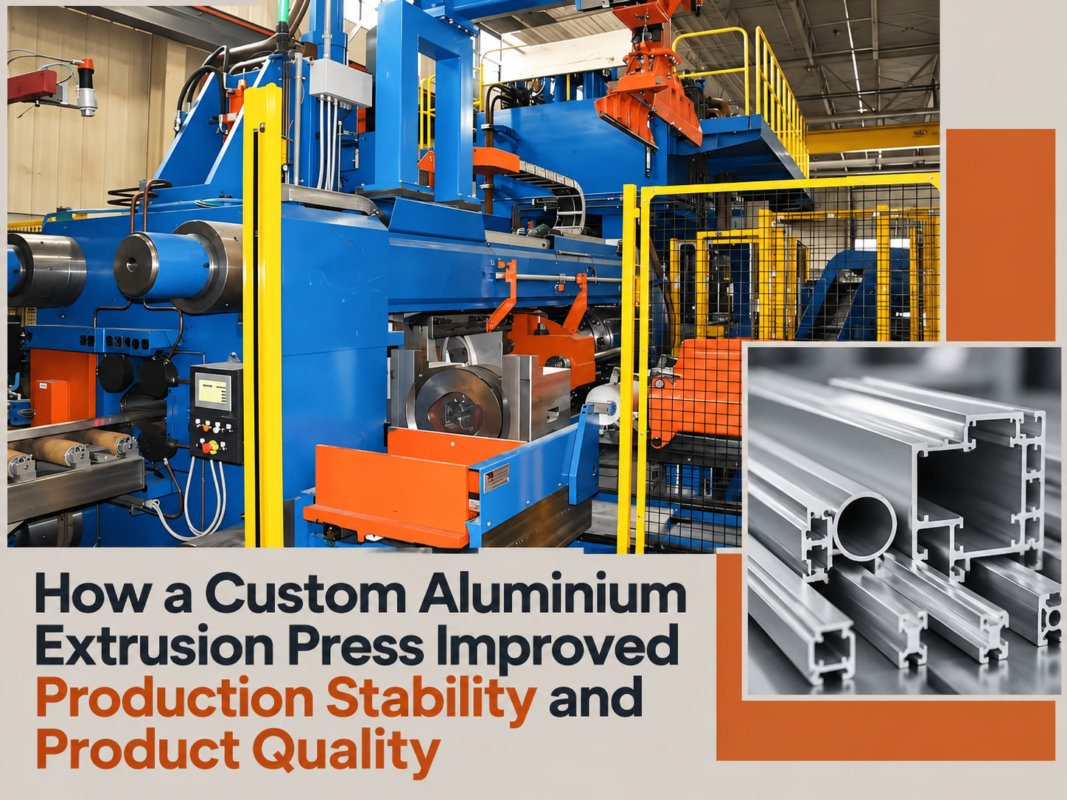
This article explores a comprehensive Case Study: Reducing Scrap Rates A Modern Aluminium Extrusion Press Solution. By examining the transition from legacy hydraulic systems to modern, HARSLE-engineered extrusion technology, we uncover how precision control, thermal management, and automated monitoring can transform a production floor. For manufacturers struggling with high rejection rates, the solution often lies in upgrading the core of their operation: the extrusion press itself.
The shift toward Industry 4.0 standards has made it possible to monitor every variable of the extrusion process in real-time. Modern presses are no longer just mechanical force-generators; they are sophisticated data-driven systems. By integrating advanced sensors and programmable logic controllers (PLCs), HARSLE equipment allows manufacturers to maintain tight tolerances that were previously unattainable. This case study highlights the tangible benefits of such an investment, focusing on the reduction of scrap through technological intervention.
As we delve into the technical specifications and operational strategies, it is important to understand that scrap reduction is a multi-faceted goal. It involves optimizing the billet heating process, ensuring die integrity, and maintaining constant ram speed. When these elements are synchronized through a modern control interface, the result is a significant increase in yield and a drastic reduction in the environmental and financial costs associated with scrap metal.
Key Considerations for Minimizing Extrusion Scrap
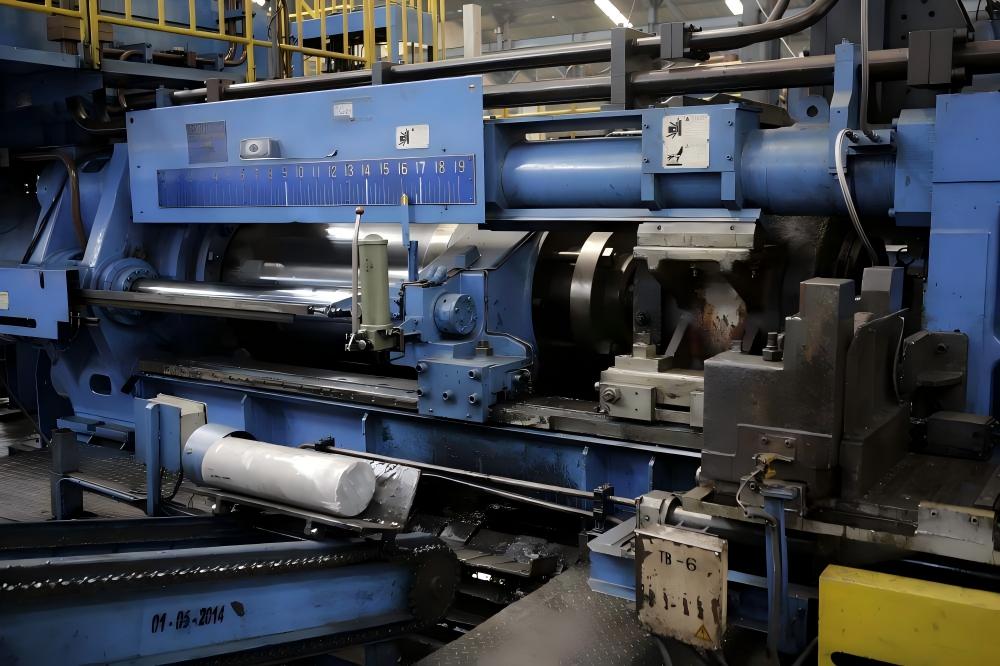
Reducing scrap rates begins with a deep understanding of the causes of failure. In most aluminium extrusion facilities, scrap is categorized into two types: process scrap and product scrap. Process scrap includes the butt end of the billet, the dummy block residue, and the initial start-up material. Product scrap, on the other hand, is caused by surface tearing, dimensional deviation, or cooling issues. A modern extrusion press solution addresses both categories by optimizing the mechanical cycle and the thermal profile of the extrusion.
One of the most critical factors is the consistency of the billet temperature. If a billet is unevenly heated, the metal flow through the die will be inconsistent, leading to variations in wall thickness and potential surface defects. Modern HARSLE presses utilize advanced induction heating systems that ensure the billet reaches the optimal temperature profile before it even touches the container. By maintaining this thermal stability, the press reduces the likelihood of “sticking” or “tearing” at the die face, which are common causes of scrap.
Another key consideration is the alignment of the press components. Over time, older presses suffer from mechanical wear that causes the ram, container, and die to lose perfect axial alignment. Even a fraction of a millimeter of misalignment can result in uneven pressure distribution, leading to profiles that do not meet strict quality standards. Modern presses are engineered with high-rigidity frames and automated alignment verification systems, ensuring that the pressure applied is perfectly centered throughout the entire stroke.
Furthermore, the integration of automated lubrication systems plays a vital role in scrap reduction. Inadequate lubrication between the dummy block and the container can lead to metal buildup, which eventually causes surface scratches on the extruded profile. Modern solutions provide precise, metered lubrication that minimizes friction without contaminating the aluminium surface. This attention to detail is what separates high-yield production lines from those plagued by frequent quality rejections.
Technical Details: The HARSLE Advantage
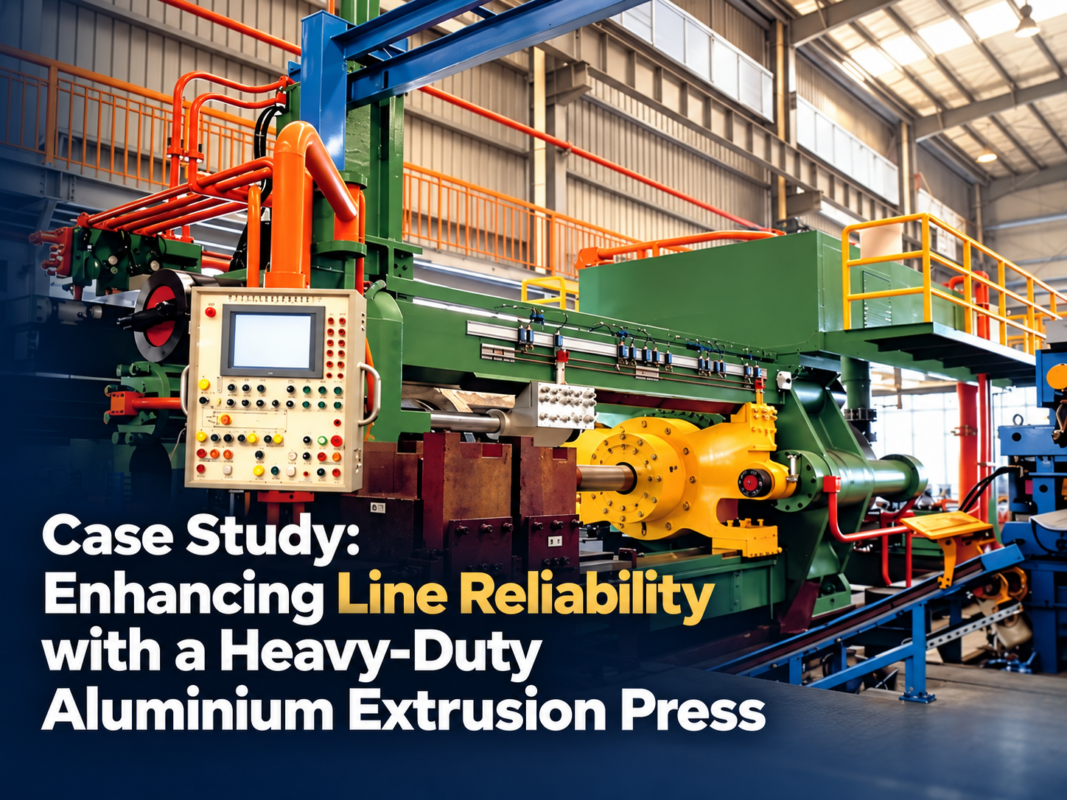
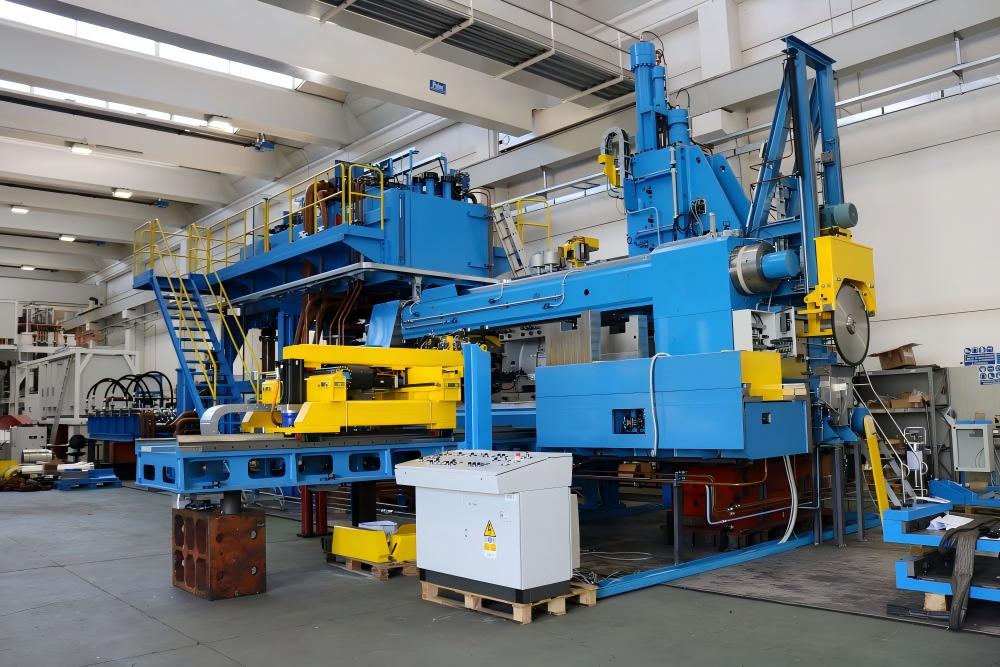
The technical superiority of a modern HARSLE aluminium extrusion press lies in its hydraulic and control architecture. Traditional presses often relied on manual adjustments, which were prone to human error and lacked the responsiveness required for complex profiles. In contrast, our modern systems utilize proportional valve technology and high-speed feedback loops that allow the press to adjust its speed and pressure in milliseconds based on real-time resistance data.
The hydraulic system is the heart of the press. By implementing energy-efficient variable displacement pumps, HARSLE presses not only reduce electricity consumption but also provide smoother, more stable pressure delivery. This stability is crucial when extruding thin-walled or complex profiles, where even a minor pressure fluctuation can cause the metal to buckle or deform. The ability to maintain a constant ram speed, regardless of the changing resistance as the billet shortens, is a hallmark of our modern design.
Beyond the hydraulics, the control software is where the magic happens. HARSLE’s proprietary control interface allows operators to store specific recipes for different alloys and profile geometries. Once a successful run is achieved, the parameters—such as billet temperature, ram speed, and container pressure—are saved. Future production runs can be initiated with the push of a button, ensuring that the process is identical every time. This repeatability is the single most effective way to eliminate the “trial and error” phase that often results in large amounts of scrap during setup.
Finally, the die handling and cooling systems integrated into the press design are optimized for rapid heat dissipation. By controlling the cooling rate of the profile immediately after it exits the die, the press prevents thermal distortion. This ensures that the final product meets the required mechanical properties and dimensional tolerances, significantly reducing the amount of material that must be rejected due to warping or improper hardness.
Selection Advice: Choosing the Right Press for Your Facility
When selecting an aluminium extrusion press, the most common mistake is focusing solely on the tonnage. While tonnage is important, it is the capability of the press to manage the extrusion process that determines your scrap rate. A 2000-ton press that lacks precise control will produce more scrap than a 1500-ton press equipped with advanced automation. When evaluating potential equipment, consider the following selection criteria:
- Control System Sophistication: Does the press offer real-time data logging and automated parameter adjustment?
- Rigidity and Alignment: Is the frame designed to resist deflection under maximum load?
- Energy Efficiency: Does the hydraulic system utilize modern variable-speed drives to minimize power waste?
- Maintenance Accessibility: Are the critical components, such as the container and die slide, easily accessible for routine inspection?
- After-Sales Support: Does the manufacturer provide comprehensive training and remote diagnostic capabilities?
It is also essential to assess the compatibility of the press with your existing downstream equipment. A modern press that produces high-quality profiles at high speeds is useless if your cooling table or puller cannot keep up. A holistic approach to the extrusion line, where the press is the anchor of a synchronized system, is the best way to ensure long-term success. HARSLE consultants work with clients to evaluate their entire production flow, ensuring that the new press integrates seamlessly with existing infrastructure.
Furthermore, consider the flexibility of the press. If your business model involves small-batch production of diverse profiles, you need a press that allows for rapid die changes and quick setup times. Features like automatic dummy block changing and quick-change die systems can save hours of downtime per week. By reducing the time spent on setup, you not only increase throughput but also reduce the amount of scrap generated during the calibration of the machine for new profiles.
Frequently Asked Questions (FAQ)
How does a modern extrusion press reduce scrap compared to older models?
Modern presses use advanced sensors and PLC-controlled hydraulics to maintain constant pressure and speed. This eliminates the manual variability that leads to surface defects and dimensional inaccuracies, which are the primary causes of scrap in older, manually operated machines.
What role does billet temperature play in scrap reduction?
Billet temperature is critical for material flow. If the temperature is too low, the pressure required increases, potentially damaging the die. If it is too high, the surface quality suffers. Modern HARSLE presses use precise induction heating to ensure the billet is at the perfect temperature, resulting in a consistent, defect-free extrusion.
Can I retrofit my existing extrusion line with HARSLE technology?
Yes, HARSLE offers various upgrade packages, including control system retrofits and hydraulic component replacements, which can significantly improve the performance and scrap rates of older presses without requiring a full machine replacement.
How often should I perform maintenance to keep scrap rates low?
Regular maintenance is vital. We recommend daily checks of the lubrication system, weekly inspections of the die and dummy block, and quarterly calibration of the hydraulic pressure sensors. Following a strict maintenance schedule prevents the mechanical wear that leads to profile defects.
What is the typical ROI for upgrading to a modern extrusion press?
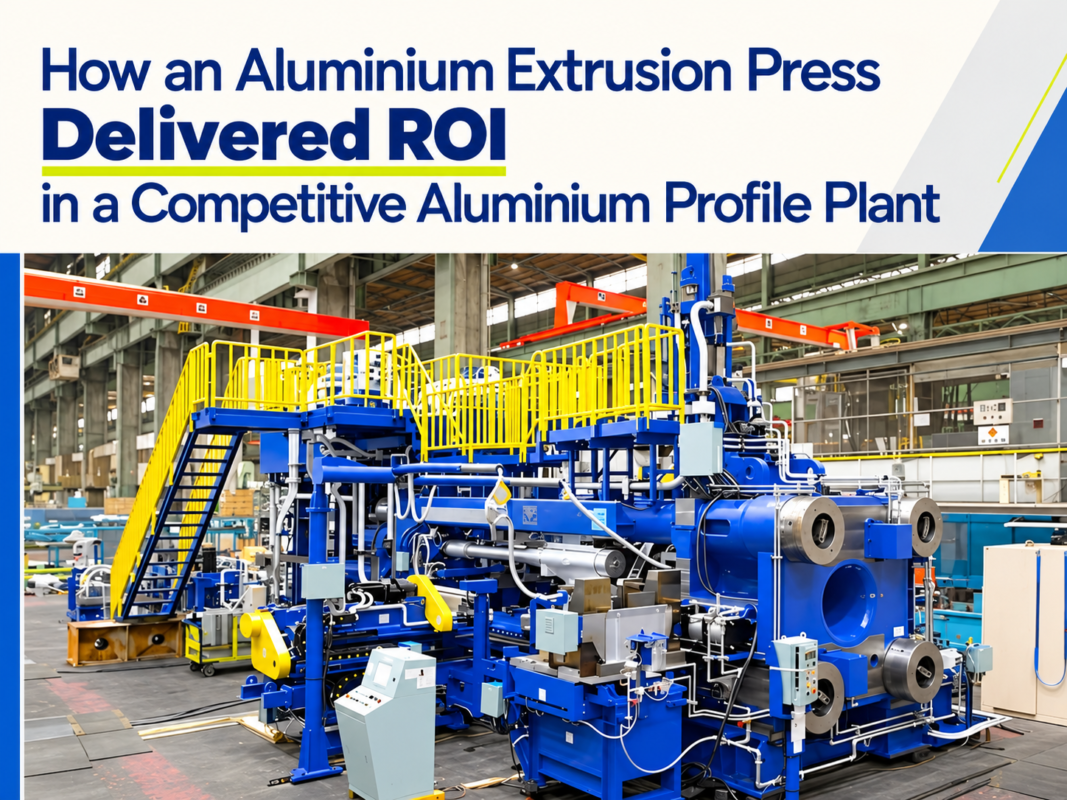
The ROI is achieved through a combination of reduced raw material waste, lower energy consumption, and increased production speed. Many of our clients see a return on investment within 18 to 24 months, depending on their production volume and the cost of their aluminium scrap.
Conclusion: Investing in the Future of Fabrication
The Case Study: Reducing Scrap Rates A Modern Aluminium Extrusion Press Solution demonstrates that scrap is not an inevitable cost of doing business. It is a symptom of process limitations that can be overcome with the right technology. By investing in a modern HARSLE aluminium extrusion press, manufacturers can transition from a reactive production model to a proactive, data-driven operation. The benefits extend beyond simple scrap reduction; they include improved product quality, lower energy costs, and a more sustainable manufacturing footprint.
As the demand for high-quality aluminium profiles continues to grow across the automotive, construction, and aerospace industries, the ability to produce consistent, high-precision parts will be the defining factor for market leaders. HARSLE remains committed to providing the metal fabrication equipment necessary to meet these challenges. Whether you are looking to replace an aging press or optimize your current line, our team is ready to help you implement a solution that minimizes waste and maximizes your bottom line.
In summary, the path to a more profitable extrusion facility is paved with precision. By focusing on the integration of advanced control systems, thermal management, and robust mechanical design, you can effectively eliminate the inefficiencies that lead to scrap. We invite you to contact HARSLE today to discuss how our modern extrusion press solutions can be tailored to your specific production needs, helping you achieve the highest standards of quality and efficiency in the industry.