Case Study of a Gantry Shear Delivering Better Accuracy for Thick Plate Cutting

Introducción
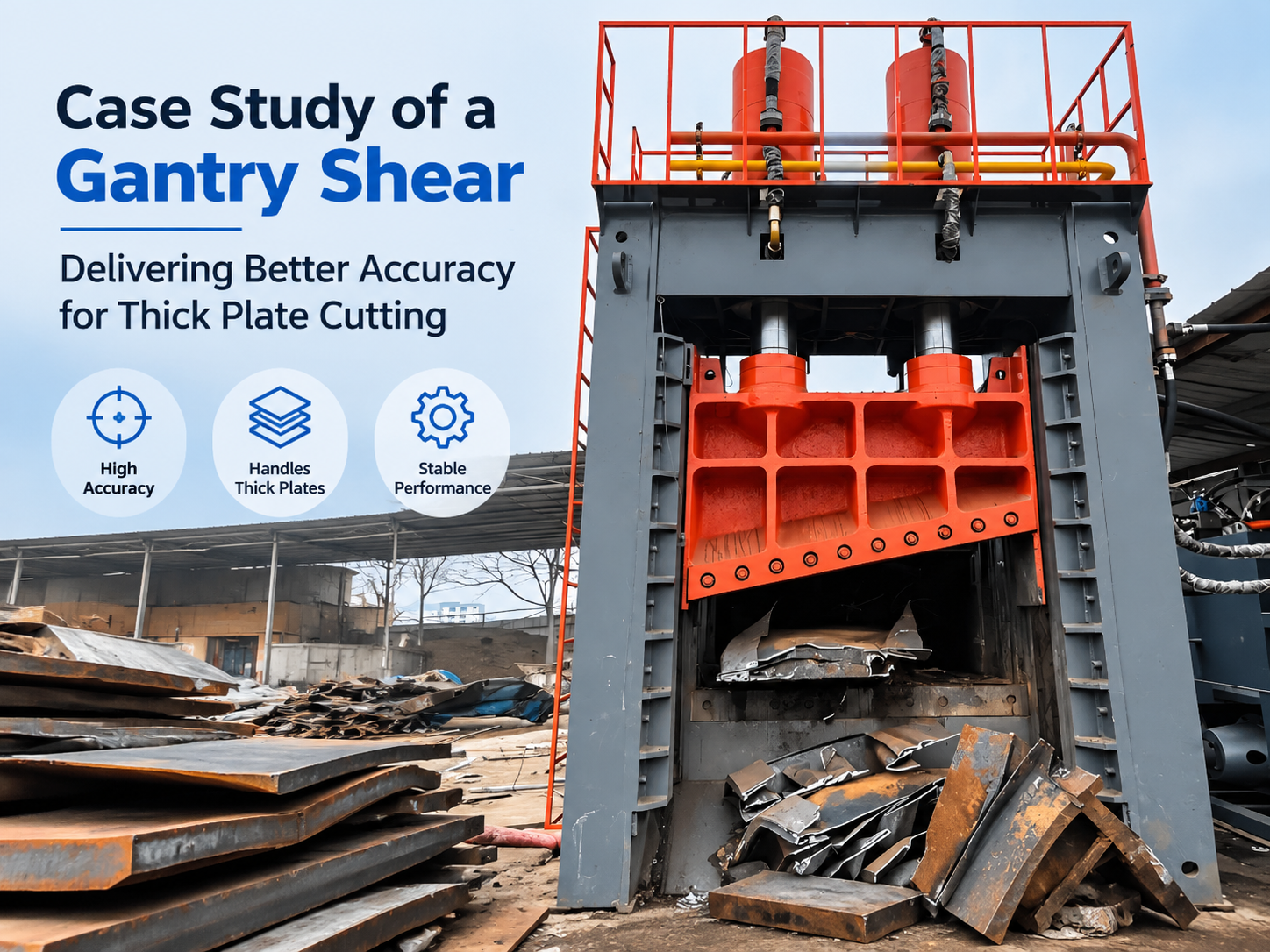
In the demanding world of heavy metal fabrication, the ability to process thick plates with absolute precision is not just a competitive advantage—it is a fundamental requirement. Many manufacturers struggle with traditional shearing methods that lead to plate deformation, edge burrs, and dimensional inaccuracies. This article explores a comprehensive Case Study Of A Gantry Shear Delivering Better Accuracy Thick Plate Cutting, highlighting how HARSLE’s advanced engineering solutions solve these persistent industrial challenges.
The shift toward high-capacity gantry shears represents a significant evolution in how workshops handle structural steel, shipbuilding components, and heavy machinery parts. Unlike standard swing-beam shears, the gantry design offers a rigid, bridge-like structure that minimizes deflection during the cutting cycle. This structural integrity is the cornerstone of achieving the tight tolerances required for modern engineering projects.
Throughout this analysis, we will examine the specific technical hurdles faced by a leading heavy-duty fabrication plant and how the implementation of a HARSLE gantry shear transformed their production line. By focusing on the mechanics of force distribution and blade clearance, we provide a blueprint for shops looking to upgrade their cutting capabilities.
As we delve into the technical specifications and operational benefits, it becomes clear that the transition to gantry-style shearing is a strategic investment. Whether you are dealing with carbon steel, stainless steel, or high-tensile alloys, understanding the relationship between machine rigidity and cut quality is essential for long-term operational success.
Key Considerations for Thick Plate Processing
When processing plates exceeding 20mm in thickness, the primary enemy of accuracy is material deflection. Traditional machines often lack the clamping force or the structural mass to prevent the plate from ‘bowing’ during the initial contact of the blade. This leads to uneven edges and, in severe cases, damage to the machine’s internal hydraulic components.
Material hardness and yield strength are secondary factors that dictate the required shearing force. A gantry shear must be equipped with high-pressure hydraulic cylinders that ensure consistent downward force across the entire length of the cut. Without this, the center of the blade may experience ‘blade gap opening,’ resulting in a tapered cut that fails quality control inspections.
Furthermore, the maintenance of blade clearance is critical. For thick plates, the clearance must be adjusted precisely according to the material thickness and type. If the gap is too wide, the material is pulled into the gap, causing heavy burrs. If it is too tight, the machine experiences excessive stress, leading to premature blade wear and potential structural fatigue.
Finally, operator safety and material handling play a massive role in overall accuracy. A gantry shear that integrates automated back-gauge systems and support tables ensures that the plate remains perfectly aligned from the moment it is loaded until the final cut is completed. This eliminates human error and ensures repeatable results across large production batches.
Technical Details of the HARSLE Gantry Shear
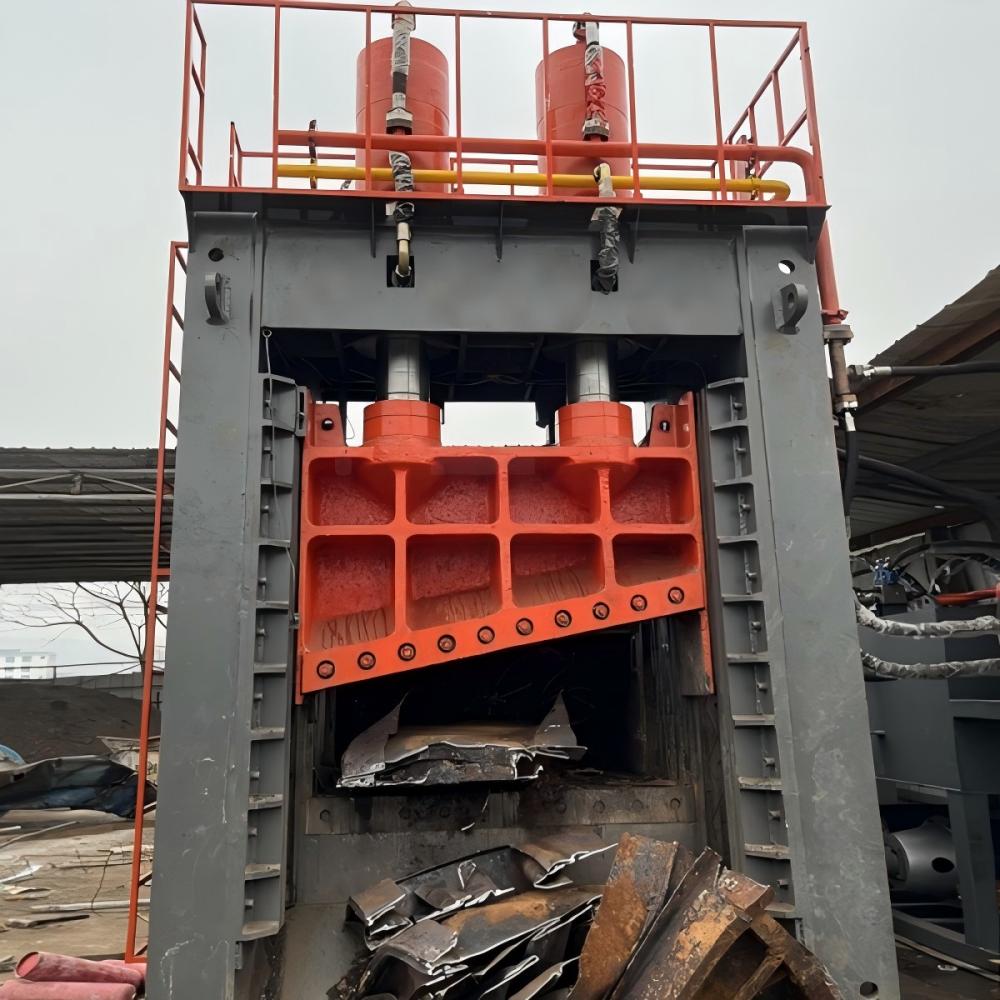
The HARSLE gantry shear stands out due to its heavy-duty welded steel frame, which is stress-relieved to prevent warping over years of operation. The ‘gantry’ design refers to the bridge-like structure that supports the upper blade carrier, ensuring that the cutting force is distributed evenly across the entire width of the machine. This design is fundamentally superior to cantilevered designs for thick plate applications.
Equipped with a sophisticated CNC control system, the HARSLE gantry shear allows operators to input material thickness and type, automatically calculating the optimal blade clearance and rake angle. This automation is a game-changer for shops that handle diverse materials, as it removes the guesswork and ensures that every cut is optimized for the specific metallurgical properties of the plate.
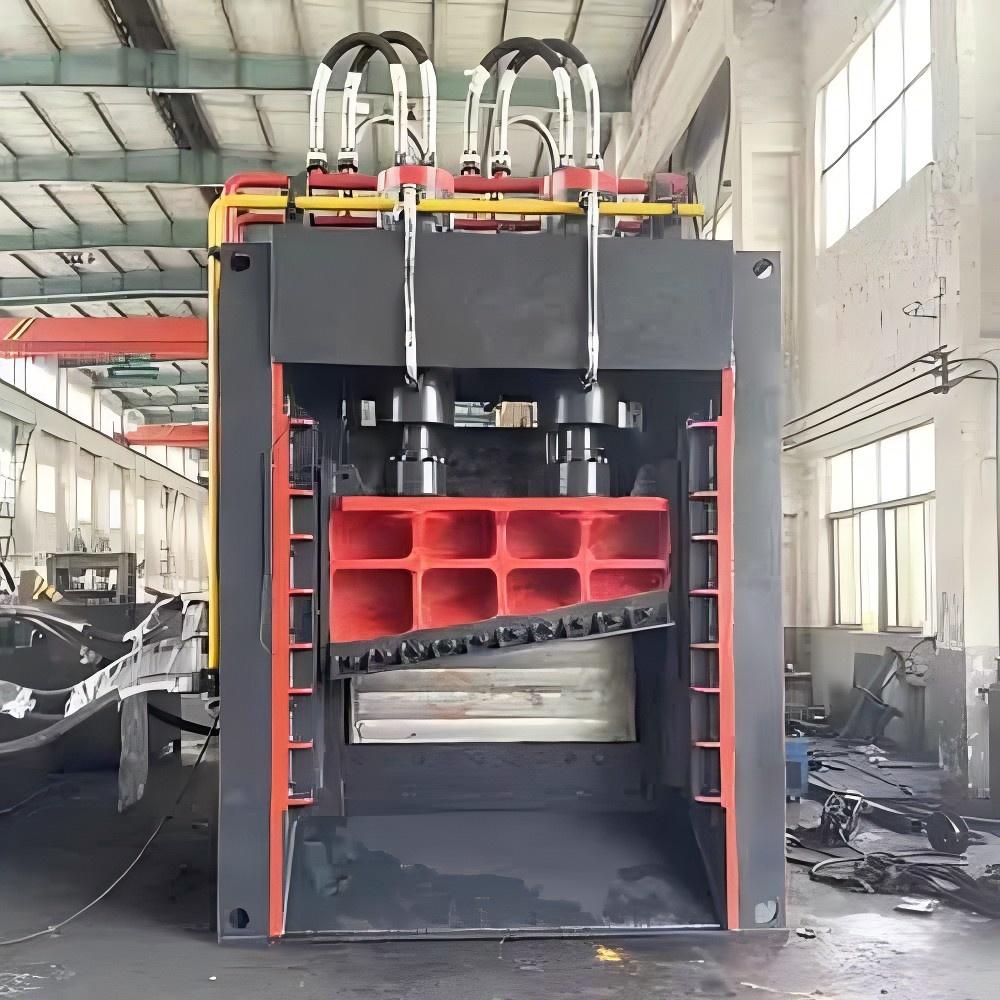
The hydraulic system utilizes high-performance valves and pumps that provide smooth, consistent motion. By controlling the speed of the descent, the machine prevents the ‘shock’ that often occurs when the blade first hits the metal. This smooth transition is vital for maintaining the structural integrity of the plate edge, resulting in a clean, square finish that requires minimal secondary grinding or machining.
Additionally, the back-gauge system on HARSLE machines is built with high-precision ball screws and linear guides. This ensures that the positioning accuracy remains within ±0.1mm, even when handling plates weighing several tons. The integration of these components creates a robust system capable of 24/7 operation in the most demanding industrial environments.
Deep Dive: The Mechanics of Precision
To truly understand the Case Study Of A Gantry Shear Delivering Better Accuracy Thick Plate Cutting, one must analyze the interaction between the rake angle and the shear force. In a gantry system, the rake angle is adjustable. By reducing the rake angle for thinner materials, the machine minimizes the twisting effect on the cut piece. Conversely, for thicker plates, a slightly higher rake angle allows the blade to penetrate the material progressively, reducing the total instantaneous force required and preventing the machine from stalling.
The HARSLE gantry shear also incorporates a multi-point hydraulic hold-down system. These hold-downs are synchronized to apply pressure just milliseconds before the blade makes contact. This prevents the plate from lifting or shifting, which is the most common cause of dimensional error in heavy-duty shearing. By locking the material in place across the entire cutting line, the gantry shear ensures that the cut remains perpendicular to the plate surface, a critical requirement for welding preparation.
Selection Advice for Heavy Fabrication Shops
Choosing the right gantry shear requires a thorough assessment of your current and future production needs. Start by analyzing the maximum thickness and length of the plates you process most frequently. While it is tempting to buy the largest machine available, selecting a machine that is appropriately sized for your average workload ensures better energy efficiency and lower maintenance costs.
Consider the material types you work with. If your shop frequently processes high-tensile or stainless steel, you will need a machine with higher shearing force and specialized blade materials. HARSLE offers various blade options, including high-carbon, high-chrome alloys, which are essential for maintaining edge sharpness when cutting abrasive or hardened materials.
Look for machines that offer modularity. As your business grows, you may need to add automated loading/unloading systems or scrap conveyors. A HARSLE gantry shear is designed with future expansion in mind, featuring an open architecture that allows for the integration of peripheral equipment without requiring a complete machine overhaul.
Finally, evaluate the manufacturer’s support network. A gantry shear is a long-term asset, and you need a partner who provides comprehensive training, readily available spare parts, and responsive technical support. HARSLE prides itself on a global service network, ensuring that your production remains uninterrupted regardless of your location.
Maintenance Best Practices for Longevity
To maintain the high accuracy levels demonstrated in this case study, a rigorous maintenance schedule is mandatory. First, daily inspection of the hydraulic fluid levels and temperature is essential. Overheating can lead to viscosity changes, which directly impact the consistency of the cutting stroke. Second, the blade gap must be verified weekly using feeler gauges, even if the CNC system is automated, to ensure the sensors remain calibrated.
Lubrication of the guide ways and the gantry slide mechanism should be performed according to the manufacturer’s intervals. Using high-grade lubricants prevents friction-induced heat, which can cause thermal expansion of the frame and lead to micro-inaccuracies in the cut. Finally, blade sharpening should never be delayed. A dull blade increases the force required to cut, putting unnecessary strain on the hydraulic cylinders and the gantry frame.
Frequently Asked Questions
- What makes a gantry shear better than a swing-beam shear for thick plates? The gantry design provides superior structural rigidity, preventing blade deflection and ensuring a square cut on thick materials that would otherwise cause a swing-beam machine to flex.
- How does HARSLE ensure accuracy in thick plate cutting? Through a combination of a stress-relieved frame, precise CNC-controlled blade clearance, and high-quality hydraulic components that maintain consistent force throughout the stroke.
- Is the maintenance of a gantry shear difficult? While the machine is complex, HARSLE provides detailed maintenance schedules and user-friendly interfaces that simplify lubrication, blade gap adjustment, and hydraulic system checks.
- Can these machines handle different material types? Yes, the CNC system allows for quick adjustments to rake angle and blade clearance, making it suitable for everything from mild steel to high-strength alloys.
- What is the typical lifespan of a HARSLE gantry shear? With proper maintenance and regular blade sharpening, these machines are designed to provide decades of reliable service in heavy industrial environments.
- How does the gantry design affect floor space? While gantry shears have a larger footprint than smaller shears, their efficiency in processing large plates often allows for the consolidation of multiple smaller machines into one, ultimately saving floor space.
Conclusión
The Case Study Of A Gantry Shear Delivering Better Accuracy For Thick Plate Cutting demonstrates that precision is not an accident; it is the result of choosing the right equipment for the job. By investing in HARSLE’s gantry shear technology, fabrication shops can overcome the limitations of traditional cutting methods, achieving superior edge quality, dimensional accuracy, and operational efficiency.
As the metal fabrication industry continues to evolve, the demand for higher precision and faster turnaround times will only increase. HARSLE remains committed to providing the innovative machinery necessary to meet these challenges head-on. Whether you are upgrading your current facility or setting up a new production line, our gantry shears offer the reliability and performance required to stay ahead of the competition.
We invite you to contact our technical team to discuss your specific requirements. By analyzing your material throughput and precision needs, we can help you select the ideal configuration to maximize your ROI and elevate your fabrication capabilities to the next level.