Cheap Vs Premium Vertical Baler Prices: Which Model Gives Better Value?

Price Range Overview
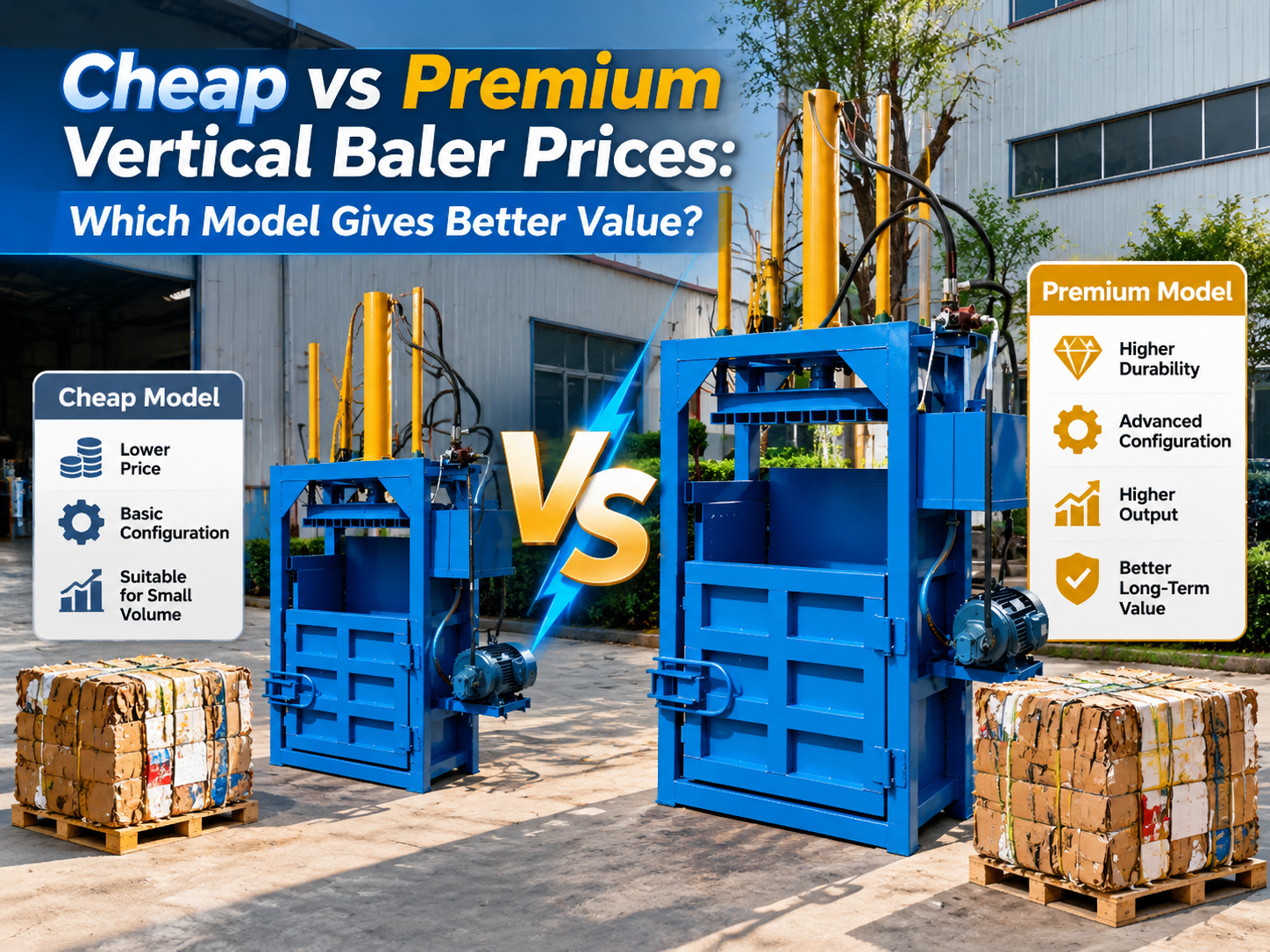
When navigating the market for waste management solutions, the disparity between cheap vs premium vertical baler prices often leaves facility managers and procurement officers in a state of confusion. On the lower end of the spectrum, entry-level vertical balers can be sourced for a fraction of the cost of premium industrial units. These budget-friendly options are often mass-produced with standardized components, designed for light-duty applications where volume is low and the material stream is consistent.
Conversely, premium vertical balers represent a significant capital investment. These machines are engineered for high-throughput environments, utilizing heavy-duty steel construction, advanced hydraulic systems, and sophisticated control interfaces. While the initial price tag might be double or triple that of a budget model, the premium category is built to withstand 24/7 operation in demanding industrial settings, such as large-scale metal fabrication facilities or distribution centers.
Understanding the price range requires looking beyond the sticker price. A cheap baler might cost between $3,000 and $7,000, whereas a premium, high-force industrial baler can range from $15,000 to over $40,000 depending on the tonnage and automation features. The value proposition is not merely about the purchase price, but about the total cost of ownership over the machine’s lifecycle.
Market volatility and raw material costs for steel also play a role in these price fluctuations. HARSLE and other leading manufacturers often adjust pricing based on the grade of hydraulic components and the thickness of the structural steel used in the frame. When comparing these prices, it is essential to request detailed specifications to ensure you are comparing apples to apples regarding force, cycle time, and build quality.
Main Cost Drivers
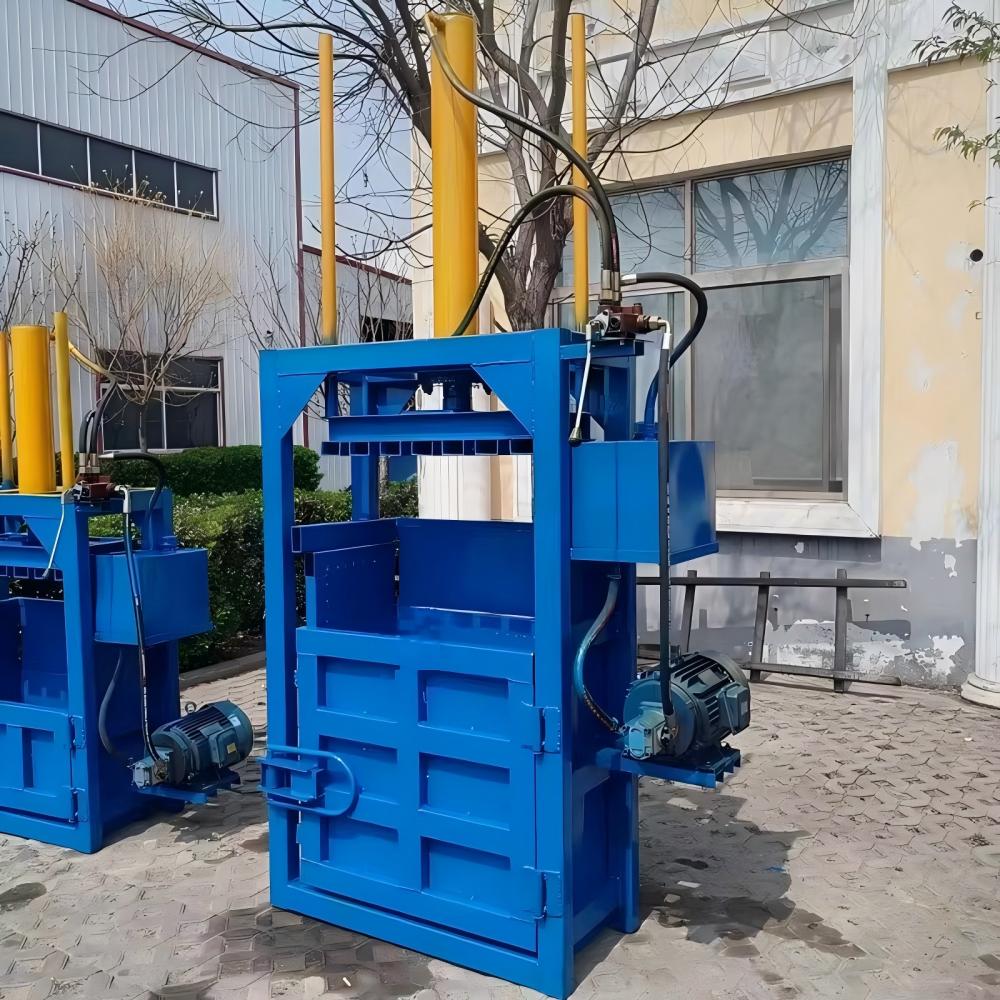
The primary driver behind the cost of a vertical baler is the structural integrity of the machine. Premium balers utilize thicker gauge steel and reinforced welding techniques to prevent frame deflection under high pressure. When you pay for a premium model, you are essentially paying for the machine’s ability to maintain its structural geometry over millions of cycles without cracking or warping.
Hydraulic power units (HPUs) represent another significant cost factor. Cheap balers often use smaller, lower-quality pumps and cylinders that may struggle to reach their rated tonnage consistently. Premium models incorporate high-efficiency hydraulic systems that provide faster cycle times and more reliable pressure, which is critical when processing dense materials like scrap metal or high-density plastics.
Control systems and safety features also drive the price gap. Premium balers come equipped with advanced PLC (Programmable Logic Controller) systems that allow for automated bale ejection, cycle monitoring, and diagnostic alerts. These systems reduce the need for manual intervention and significantly enhance operator safety, which is a major concern in industrial metal fabrication environments.
Finally, the quality of the paint finish and corrosion resistance is a hidden cost driver. Premium machines undergo rigorous powder coating or multi-stage painting processes to prevent rust, especially if the baler is located in a semi-outdoor or humid environment. Budget models may use thinner coatings that degrade quickly, leading to premature structural corrosion and higher maintenance costs down the line.
Configuration Impact
The configuration of a vertical baler significantly alters its price and performance. A standard manual-tie baler is generally the most affordable configuration, suitable for businesses with moderate waste volumes. However, as you move toward semi-automatic or fully automatic bale tying systems, the price increases due to the complexity of the mechanical components required to automate the process.
Feed opening size and chamber dimensions are also critical configuration factors. Larger feed openings allow for the processing of bulky materials without pre-cutting, which saves labor time. Premium balers often offer customizable chamber sizes and specialized feed doors, such as sliding or hydraulic doors, which add to the manufacturing cost but provide immense operational value in high-traffic facilities.
Another configuration aspect is the inclusion of bale extraction systems. Premium models often feature hydraulic bale ejectors that make the removal of heavy, dense bales effortless and safe. In contrast, cheaper models may require manual effort or simple mechanical levers, which can lead to operator fatigue and increased risk of workplace injury, ultimately impacting the long-term value of the machine.
Integration with peripheral equipment, such as conveyors or dust extraction systems, is another layer of configuration that separates premium from budget. A premium baler is designed to be part of a larger, integrated waste management system. The engineering required to ensure seamless communication between the baler and other equipment adds to the initial cost but provides a much higher return on investment through streamlined workflows.
Hidden Costs
When analyzing cheap vs premium vertical baler prices, buyers often overlook the hidden costs associated with maintenance and downtime. A cheap baler may have a lower upfront cost, but if it requires frequent repairs, the cost of replacement parts and the labor for technicians can quickly exceed the initial savings. Furthermore, the cost of downtime—where waste accumulates and disrupts production—is often the most expensive hidden factor.
Energy consumption is another frequently ignored cost. Premium balers are often engineered with energy-efficient motors and hydraulic systems that consume less power per cycle. Over a five-year period, the electricity savings of a premium machine can be substantial, effectively offsetting the higher purchase price. Budget machines often utilize older, less efficient motor technology that draws more current and generates more heat.
Consumables represent a long-term operational cost. Premium balers are often designed to be more efficient with baling wire or strapping. A machine that creates a more compact, uniform bale uses less wire and requires less frequent reloading, which adds up to significant savings in high-volume operations. Cheap machines may produce “fluffy” or uneven bales that require more strapping material to keep them secure during transport.
Finally, consider the cost of compliance and safety. Premium balers are built to meet the latest international safety standards (such as CE or ANSI). A cheap baler that lacks proper safety interlocks or emergency stop systems may require expensive retrofitting to meet local workplace safety regulations. Investing in a premium machine from the start ensures compliance and avoids the risk of fines or liability issues.
ROI Calculation
Calculating the Return on Investment (ROI) for a vertical baler involves more than just looking at the purchase price. You must factor in labor savings, waste disposal cost reductions, and potential revenue from baled recyclables. A premium baler typically offers a faster ROI in high-volume settings because it processes material more efficiently, reducing the man-hours required for waste management.
To calculate your ROI, start by determining your current waste disposal costs. If you are paying for frequent dumpster pickups for loose waste, a baler will significantly reduce these costs by increasing the density of your waste, allowing you to fit more material into fewer pickups. Premium balers, with their higher compaction force, create denser bales, which maximizes the weight per pickup and minimizes transportation costs.
Next, evaluate the labor component. How much time do your employees spend breaking down boxes or managing scrap metal? A premium baler with a large feed opening and fast cycle time can reduce this time by 50% or more. Multiply the hours saved by the hourly wage of your employees to see the annual labor savings. This figure is often the most compelling argument for choosing a premium model.
Finally, consider the scrap value. In metal fabrication, the ability to sort and bale high-quality scrap metal can turn a waste stream into a revenue stream. Premium balers are better suited for handling heavy metal scrap, ensuring that the bales are clean and meet the specifications of recycling centers, which can command higher prices. When you combine reduced disposal costs, labor savings, and potential revenue, the premium model often pays for itself much faster than a cheap alternative.
Buying Advice
When choosing between cheap and premium vertical balers, start by assessing your daily volume. If you are processing less than one ton of material per week, a mid-range or even a budget-friendly model may suffice. However, if your facility generates multiple tons of waste daily, the structural integrity and reliability of a premium machine are non-negotiable.
Always prioritize the manufacturer’s reputation and support network. A cheap baler is only a bargain if you can get parts and service when it breaks down. HARSLE and other established manufacturers provide comprehensive documentation, readily available spare parts, and technical support that can save you weeks of downtime. Avoid “white-label” or unbranded machines where parts are proprietary and difficult to source.
Request a site visit or a consultation with a sales engineer. They can analyze your specific waste stream—whether it is cardboard, plastic, or metal—and recommend the appropriate tonnage. A common mistake is buying a baler that is underpowered for the material, which leads to immediate mechanical failure. It is better to have a machine that is slightly overpowered than one that is constantly pushed to its limit.
Finally, look at the warranty and service contracts. A premium manufacturer will stand behind their equipment with a robust warranty. When comparing quotes, ensure that the warranty covers critical components like the hydraulic cylinder and the main motor. A longer warranty period is often a sign of the manufacturer’s confidence in their build quality and a key indicator of long-term value.
FAQ
- What is the main difference between cheap and premium balers? The main difference lies in the quality of materials, the robustness of the hydraulic system, and the level of automation. Premium balers are built for high-frequency, long-term industrial use.
- How do I know if I need a premium baler? If your facility operates multiple shifts, processes dense materials like metal, or has high waste volumes that require constant baling, a premium model is necessary for reliability.
- Are cheap balers ever a good choice? Yes, for low-volume, light-duty applications where the machine will only be used occasionally, a budget-friendly model can provide adequate service without the high capital expenditure.
- How long should a vertical baler last? A well-maintained premium vertical baler can last 10 to 15 years or more, whereas budget models may show significant wear within 3 to 5 years.
- Does the baler type affect the price? Yes, vertical balers are generally cheaper than horizontal balers, but within the vertical category, features like automatic tying and hydraulic doors significantly increase the price.
- What maintenance is required for a vertical baler? Regular maintenance includes checking hydraulic fluid levels, inspecting hoses for leaks, lubricating moving parts, and ensuring all safety interlocks are functioning correctly.