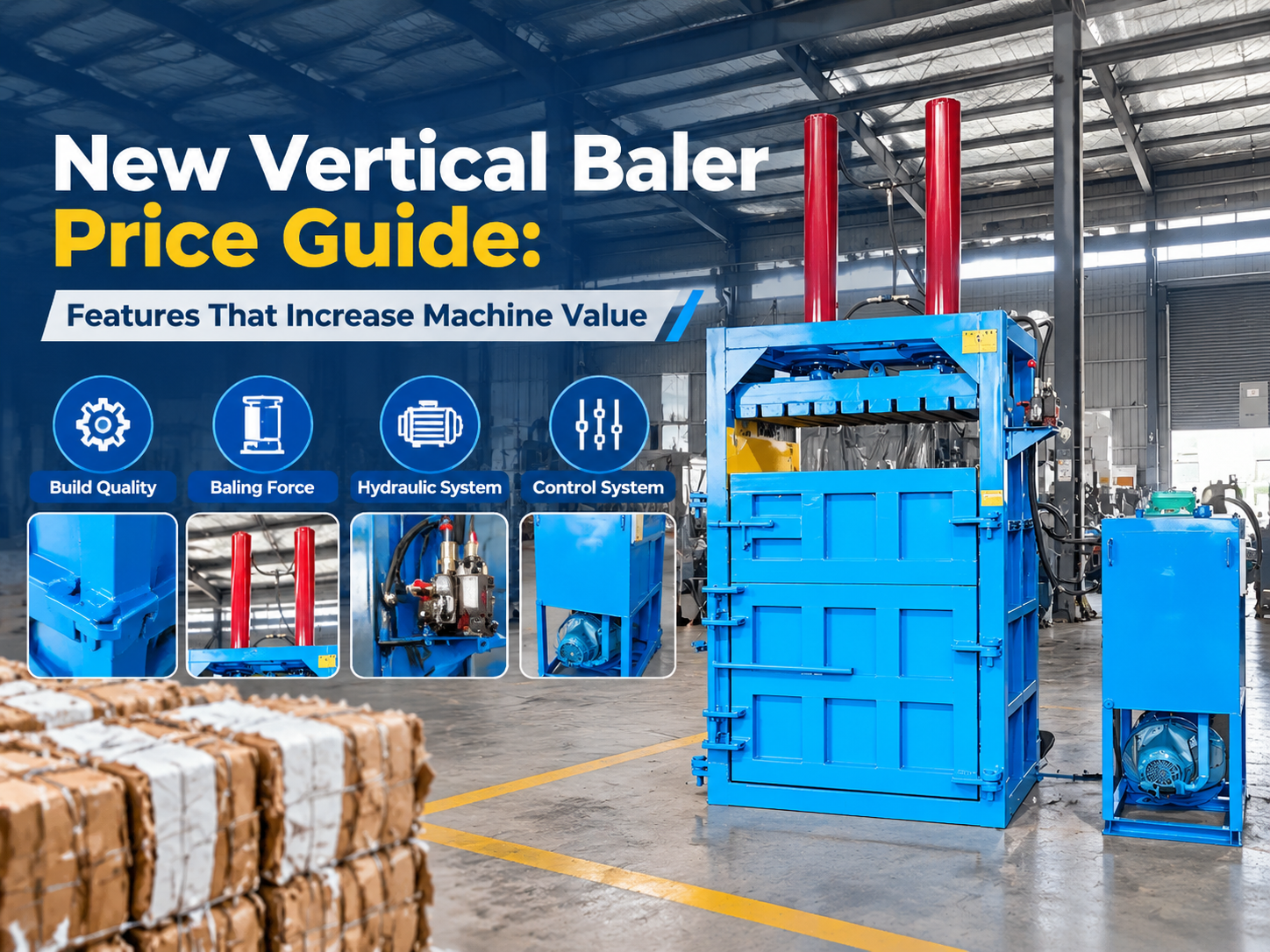
New Vertical Baler Price Guide: Features That Increase Machine Value

Price Range Overview
When researching a new vertical baler price, buyers often encounter a wide spectrum of costs. Generally, entry-level vertical balers designed for light-duty retail or small office environments start in the range of $5,000 to $8,000. These machines are typically manual-tie units with lower compaction forces, suitable for cardboard and light plastic film. As you move into mid-range industrial models, which feature semi-automatic tying systems and higher hydraulic pressure, the investment typically climbs to between $10,000 and $20,000.
High-capacity, heavy-duty industrial vertical balers represent the top tier of the market, often ranging from $25,000 to over $50,000. These machines are engineered for continuous operation, handling dense materials like scrap metal, heavy plastics, and large volumes of corrugated cardboard. The price variation is not arbitrary; it reflects the structural integrity, motor power, and safety integration required to handle high-throughput environments safely and efficiently.
Understanding the new vertical baler price guide requires looking beyond the sticker price. A machine that costs more upfront often utilizes higher-grade steel, more robust hydraulic cylinders, and advanced PLC (Programmable Logic Controller) systems that reduce downtime. For businesses in the metal fabrication industry, the initial capital expenditure must be weighed against the long-term durability and the potential for reduced maintenance costs over the machine’s lifecycle.
Furthermore, regional availability, shipping costs, and installation requirements can significantly influence the final invoice. HARSLE provides comprehensive quotes that account for these variables, ensuring that clients understand exactly what they are paying for. When comparing prices, always ensure you are comparing “apples to apples” regarding motor horsepower, cycle times, and bale weight output, as these are the true indicators of machine value.
Main Cost Drivers
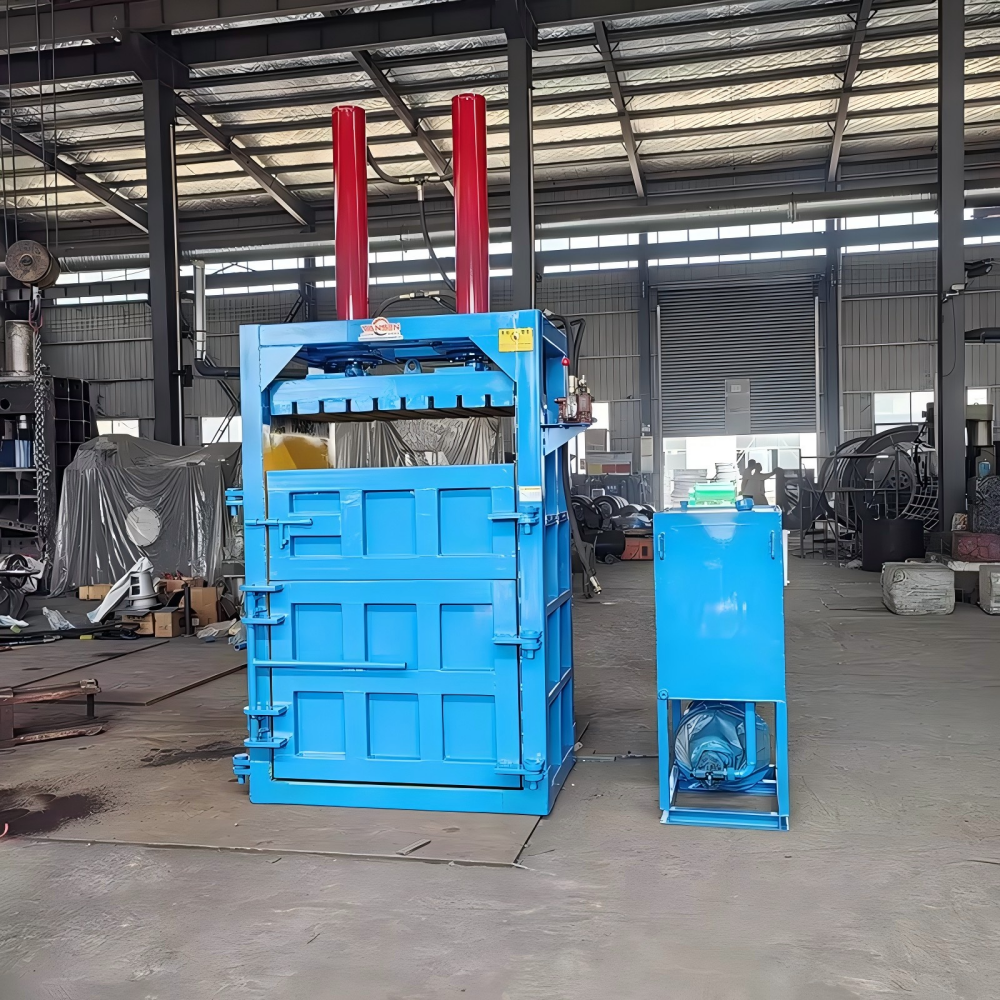
The primary driver of a new vertical baler price is the compaction force, measured in tons. A machine capable of exerting 50 tons of pressure requires a much heavier frame, larger hydraulic cylinders, and a more powerful motor than a 10-ton unit. The structural steel thickness is a critical cost factor; high-pressure balers must be reinforced to prevent frame fatigue or deformation during the compression cycle. Investing in a machine with a higher safety factor in its structural design ensures a longer operational lifespan.
Hydraulic system components are another significant cost driver. High-quality pumps, valves, and hoses are essential for consistent performance. Cheaper components may save money initially but often lead to hydraulic leaks, pressure drops, and frequent repairs. HARSLE prioritizes industrial-grade hydraulic components that are designed for high-cycle environments, ensuring that the machine maintains its compaction force over thousands of cycles.
The control system and automation level also dictate the price. Basic machines use simple push-button controls, while advanced models feature PLC-based systems with touchscreens, diagnostic monitoring, and automated cycle sequences. These features increase the machine’s value by reducing operator error, improving safety, and providing data on bale counts and system health. While these systems add to the initial cost, they significantly improve operational efficiency.
Finally, the size of the feed opening and the bale chamber dimensions affect the price. Larger openings allow for the processing of bulkier materials without pre-cutting, which saves labor time. However, larger chambers require more material and more robust structural support to maintain bale density. Balancing the size of your waste stream with the machine’s capacity is essential to avoid overpaying for features you do not need or under-investing in a machine that cannot keep up with your production volume.
Configuration Impact
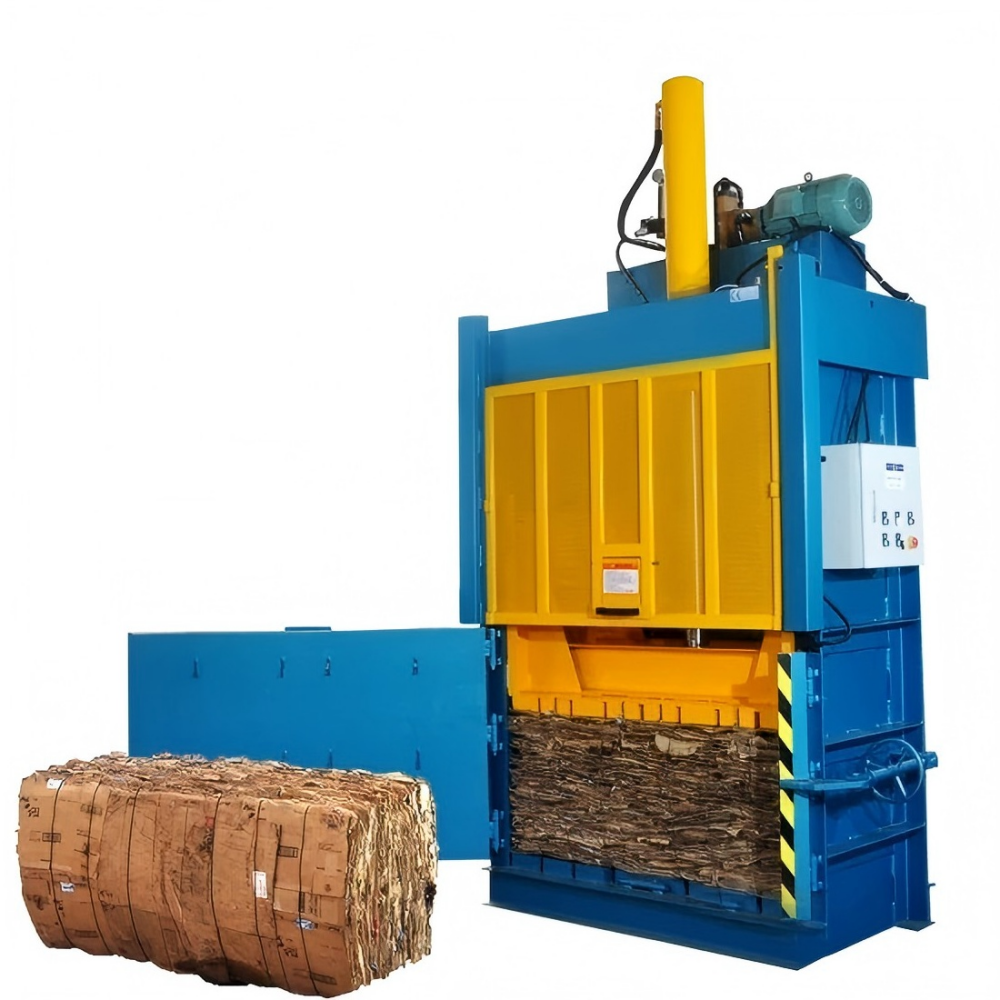
Customizing your vertical baler configuration can drastically change the machine’s value and utility. For example, adding a cross-cylinder design or a specific bale ejection system can streamline the workflow. A front-loading door versus a side-loading door might be chosen based on the floor space available in your facility. These configuration choices are not just about convenience; they are about optimizing the baler for your specific material flow.
Consider the integration of automatic bale tying systems. While manual tying is standard on many entry-level units, an automatic or semi-automatic tying system can save hours of labor per week. In a high-volume facility, the labor savings provided by an automated system can pay for the price difference within the first year of operation. This is a classic example of how a higher initial investment leads to a lower total cost of ownership.
Another configuration factor is the type of material being processed. If you are baling scrap metal or dense plastics, you may need a reinforced ram face or specialized wear-resistant liners. These additions increase the new vertical baler price but are necessary to prevent premature wear and tear. HARSLE offers modular configurations that allow clients to tailor the machine to their specific waste streams, ensuring that the equipment is perfectly suited for the task at hand.
Safety configurations also play a role in pricing. Modern vertical balers include light curtains, interlocked doors, and emergency stop systems that exceed basic regulatory requirements. While these features add to the cost, they are non-negotiable for modern industrial safety standards. Investing in a machine with advanced safety features protects your workforce and reduces the risk of costly workplace accidents and insurance liabilities.
Hidden Costs
When budgeting for a new vertical baler, it is easy to focus solely on the purchase price. However, hidden costs can quickly accumulate if not accounted for during the planning phase. Installation is the first major hidden cost. Depending on the machine’s size, you may need professional rigging, electrical upgrades to accommodate the motor’s power requirements, and potentially a reinforced concrete pad to support the weight and vibration of the baler.
Shipping and logistics are often overlooked. Large industrial balers require specialized flatbed transport and heavy-duty forklifts or cranes for unloading. If your facility does not have a loading dock or the necessary lifting equipment, you will need to hire third-party logistics providers, which can add thousands to the total project cost. HARSLE works closely with clients to provide clear logistics planning to avoid these surprises.
Maintenance and consumables are ongoing costs that should be factored into the total cost of ownership. This includes hydraulic oil, replacement filters, bale wire or strapping, and periodic professional inspections. Choosing a machine that uses standard, widely available parts can reduce long-term maintenance costs. Proprietary parts that can only be sourced from the manufacturer at a premium can become a significant financial burden over the life of the machine.
Finally, consider the cost of training and downtime. While a new machine should be reliable, your staff needs to be trained on proper operation and basic troubleshooting to ensure longevity. Factor in the time required for training and the potential for minor production slowdowns during the initial integration phase. A well-planned implementation strategy minimizes these costs and ensures a smooth transition to your new waste management solution.
ROI Calculation
Calculating the Return on Investment (ROI) for a new vertical baler involves comparing the cost of the machine against the savings and revenue it generates. The primary revenue stream is the sale of baled recyclables. Baled material is significantly more valuable than loose waste because it is easier to transport and process. By baling your cardboard, plastic, or metal scrap, you can often command a higher price from recycling centers.
The second major component of ROI is waste disposal savings. If you are currently paying for frequent dumpster pickups for loose waste, a baler can reduce the volume of your waste by up to 90%. This leads to fewer dumpster hauls, lower tipping fees, and reduced waste management service costs. For many businesses, the reduction in waste disposal fees alone is enough to justify the purchase of a vertical baler within 18 to 36 months.
Labor savings are the third pillar of ROI. Manual waste handling is time-consuming and physically demanding. By automating the compaction process, your staff can focus on core production tasks rather than breaking down boxes or managing loose trash. When calculating ROI, assign a dollar value to the hours saved per week and multiply this by your average labor rate. The efficiency gains are often the most significant, yet most overlooked, factor in the ROI equation.
To perform a formal ROI calculation, use the following formula: (Annual Savings + Annual Revenue) / Total Investment Cost = ROI Percentage. Include all costs, such as the purchase price, installation, and annual maintenance. A positive ROI is usually achieved quickly, especially for businesses that generate high volumes of recyclable waste. HARSLE can assist you in modeling these savings based on your specific waste volume and local recycling market rates.
Buying Advice
Before purchasing, conduct a thorough waste audit. Measure the volume and type of waste your facility generates on a daily and weekly basis. This data is crucial for selecting the right size and capacity of the baler. Buying a machine that is too small will lead to bottlenecks, while buying one that is too large is a waste of capital. Aim for a machine that can handle your peak waste volume with room for future growth.
Always prioritize build quality and manufacturer support. A vertical baler is a long-term asset; you want a partner who provides reliable technical support, readily available spare parts, and clear documentation. HARSLE prides itself on providing comprehensive after-sales support, ensuring that your machine remains operational and productive for years to come. Check for warranties and the availability of local service technicians in your area.
Consider the ease of use. A machine with an intuitive control panel and simple loading procedures will be used more effectively by your staff. If the machine is difficult to operate, employees may bypass safety protocols or fail to use it altogether, which defeats the purpose of the investment. Look for features like automatic cycle start, easy-to-read pressure gauges, and simple bale ejection mechanisms.
Finally, do not hesitate to ask for references or case studies from the manufacturer. Speaking with other businesses in the metal fabrication or manufacturing sector who have purchased similar equipment can provide invaluable insights into the machine’s real-world performance. A reputable manufacturer will be happy to connect you with satisfied customers. By following these steps, you can make an informed decision that maximizes the value of your new vertical baler.
FAQ
- What is the typical lifespan of a new vertical baler? With proper maintenance, a high-quality industrial vertical baler can last 10 to 20 years.
- How often does a vertical baler require maintenance? It is recommended to perform a professional inspection every 6 to 12 months, depending on usage intensity.
- Can one baler handle multiple types of materials? Yes, most vertical balers are versatile, but you must ensure the compaction force is sufficient for the densest material you intend to process.
- What are the electrical requirements for a vertical baler? Most industrial balers require 3-phase power, though some smaller models can run on single-phase. Always check the specifications before installation.
- Is it better to buy new or used? While used balers are cheaper, new machines offer the latest safety features, full warranties, and guaranteed performance, which usually results in a better long-term ROI.