How to Estimate Vertical Baler Installation Cost for Your Facility: A Comprehensive Guide

Price Range Overview
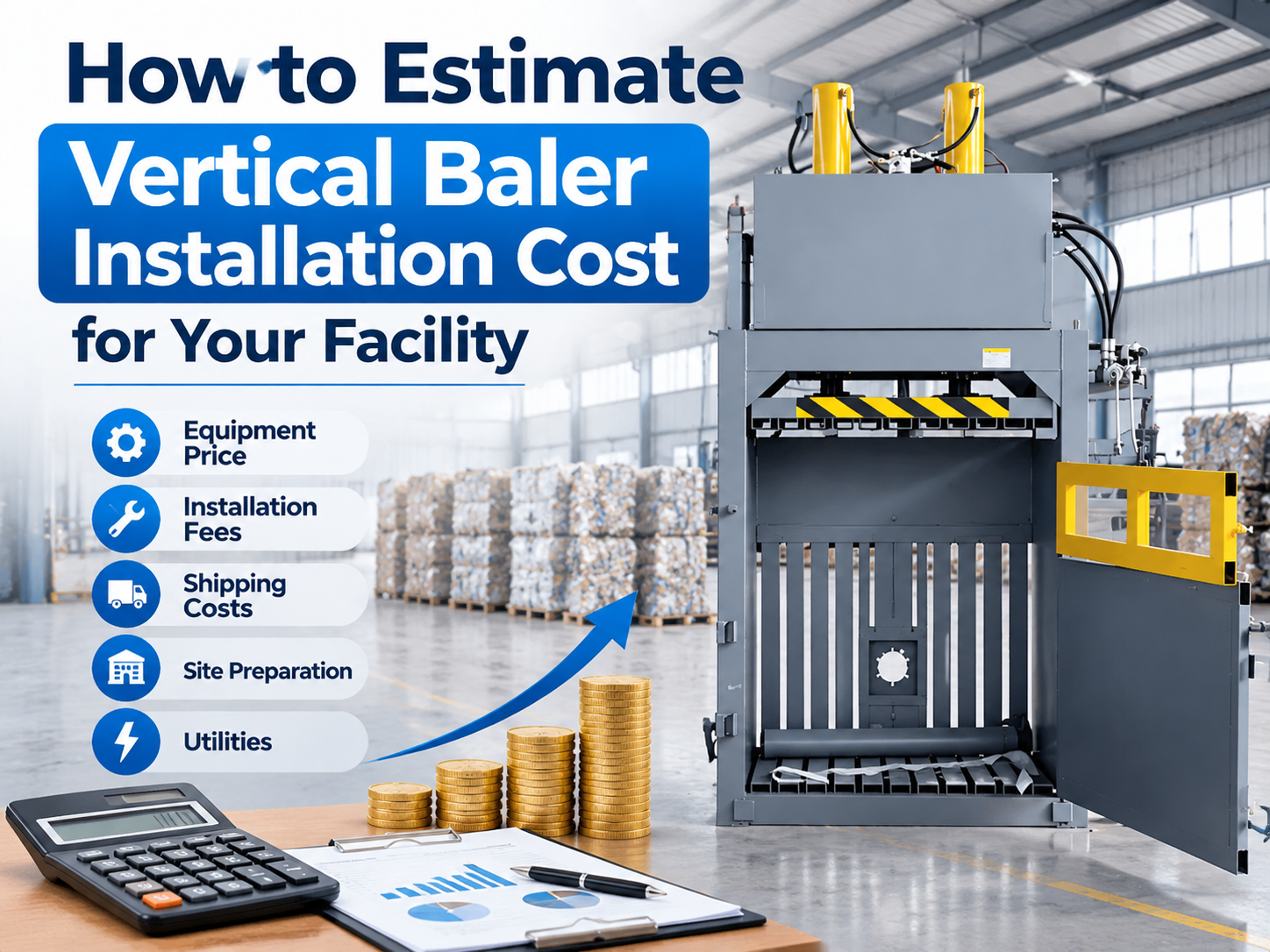
When you decide to integrate waste management solutions into your production line, the first step is to understand the financial commitment. To estimate vertical baler installation cost for your facility, you must look beyond the sticker price of the machine itself. Generally, the installation process for a standard industrial vertical baler can range from $1,500 to $5,000, depending on the complexity of the site preparation and the specific requirements of the baler model.
Entry-level vertical balers, often used in retail or small-scale workshops, require less intensive installation. These units are typically plug-and-play or require minimal electrical work, keeping costs on the lower end of the spectrum. However, heavy-duty industrial balers used in metal fabrication or high-volume recycling centers demand professional rigging, specialized electrical circuits, and potentially concrete foundation modifications.
It is crucial to distinguish between the purchase price and the total cost of ownership. While the machine might cost between $5,000 and $25,000, the installation budget should be treated as a separate line item. Failing to account for site-specific variables often leads to budget overruns that can disrupt your facility’s operational cash flow.
HARSLE recommends that facility managers set aside a contingency fund of at least 15% of the total equipment cost to cover unforeseen installation challenges. By planning for these variables early, you ensure that your waste management system is operational without unnecessary delays or hidden expenses that could impact your bottom line.
Main Cost Drivers
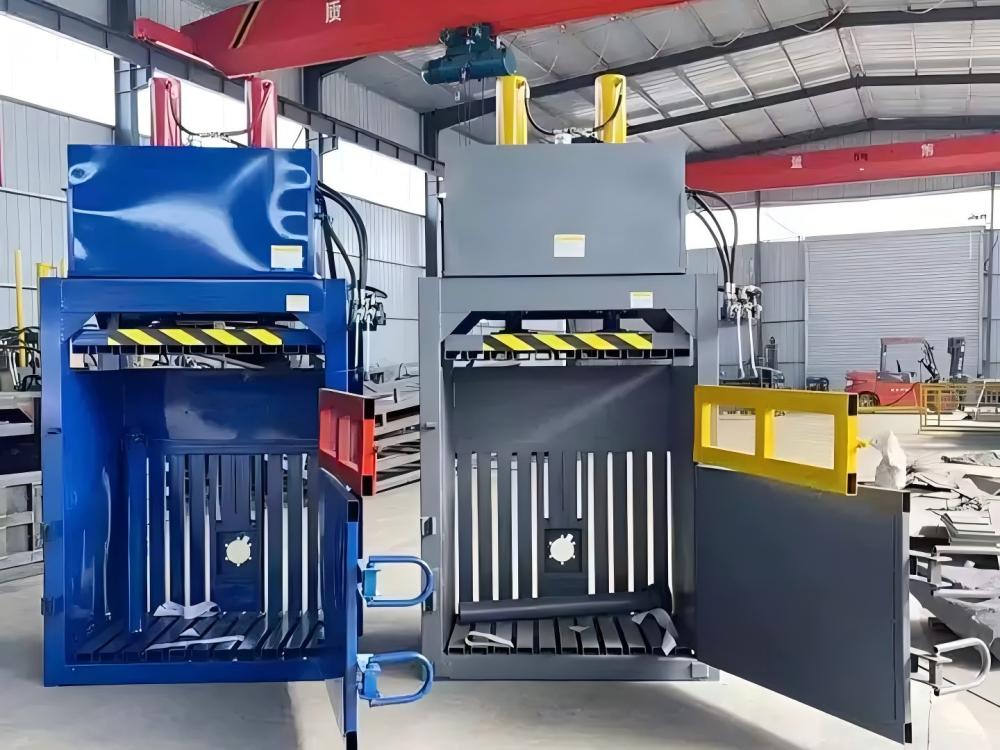
The primary driver when you estimate vertical baler installation cost for your facility is the labor required for rigging and placement. Moving a multi-ton hydraulic machine from a delivery truck to its final position on your factory floor requires specialized equipment such as forklifts, pallet jacks, or even cranes. If your facility lacks a loading dock or has narrow doorways, the labor hours for rigging will increase significantly.
Electrical requirements represent another major cost component. Most industrial vertical balers operate on 3-phase power. If your facility does not have an existing 3-phase outlet near the designated installation site, you will need to hire a licensed electrician to run conduit, install a disconnect switch, and ensure the voltage matches the machine’s specifications. This can add hundreds or even thousands of dollars to the installation bill.
Site preparation is a critical factor that many facility managers overlook. A vertical baler exerts significant downward pressure during the compaction cycle. If the floor is not level or lacks the structural integrity to support the weight and vibration of the machine, you may need to pour a reinforced concrete pad. This involves excavation, concrete pouring, and curing time, which can extend the installation timeline by several days.
Finally, the distance from the equipment supplier to your facility plays a role in the total cost. If the installation team must travel long distances, you will be billed for their travel time, lodging, and per diem expenses. Opting for a local certified installer or coordinating with the manufacturer’s regional service partners can help mitigate these logistical costs.
Configuration Impact
The specific configuration of your vertical baler directly influences the complexity and cost of installation. For instance, a standard front-loading baler is relatively straightforward to position. However, if you choose a model with a rear-loading chute or an automated conveyor feed system, the installation footprint expands, requiring more floor space and more complex mechanical assembly.
Safety features also impact installation time. Modern vertical balers come equipped with advanced safety interlocks, light curtains, and emergency stop systems. Integrating these into your facility’s existing safety protocols requires careful calibration and testing. A technician must ensure that all safety sensors are properly aligned and that the machine communicates correctly with your facility’s central control system if applicable.
Hydraulic system setup is another configuration variable. While most HARSLE balers arrive pre-filled with hydraulic oil, some larger industrial units may require onsite filling and bleeding of the hydraulic lines to remove air pockets. This process requires specialized tools and expertise to prevent leaks and ensure the hydraulic pump operates at peak efficiency from day one.
Lastly, consider the impact of peripheral equipment. If your facility requires a baler with an integrated bale ejector or a specialized strapping system, the installation team will need to spend extra time configuring these components. Each additional feature adds a layer of complexity to the setup, which should be factored into your initial estimate to avoid surprises during the commissioning phase.
Hidden Costs
When you estimate vertical baler installation cost for your facility, it is easy to focus on the obvious expenses like labor and shipping. However, hidden costs often lurk in the fine print of the installation contract. One common hidden cost is the disposal of packaging materials. Industrial machinery is often crated in heavy timber and wrapped in protective plastic; removing and disposing of this debris can incur waste removal fees.
Permitting and compliance costs are frequently overlooked. Depending on your local jurisdiction, you may need an electrical permit or a fire marshal inspection to ensure the baler meets local safety codes. These permits come with application fees and may require you to make minor adjustments to your facility, such as installing additional fire suppression equipment near the baler.
Training your staff is a cost that should be included in the installation budget. While the installation team is on-site, it is the perfect time to conduct operator training. If you wait until later to train your team, you may have to pay for a return visit from a technician. Investing in training during the installation phase ensures that your staff understands how to operate the machine safely and efficiently, reducing the risk of costly repairs down the line.
Finally, consider the cost of downtime. During the installation process, you may need to clear a section of your production floor, which could temporarily disrupt your workflow. If the installation takes longer than expected, the lost productivity can be a significant hidden cost. Planning the installation during a scheduled maintenance shutdown or a slow production period can help minimize this impact.
ROI Calculation
To justify the installation cost, you must calculate the Return on Investment (ROI). A vertical baler improves your facility’s efficiency by reducing the volume of waste, which lowers your waste hauling fees. By compacting cardboard, plastic, or metal scraps into dense bales, you can significantly reduce the number of dumpster pickups required per month. This is often the fastest way to recoup your initial investment.
Another aspect of ROI is the potential for revenue generation. If your facility produces high volumes of recyclable materials like aluminum or high-grade plastic, the baled material can be sold to recycling centers. Instead of paying to have waste hauled away, you turn your waste stream into a revenue stream. The higher the density of the bale, the more value it holds in the secondary materials market.
Labor savings also contribute to ROI. Manually breaking down boxes or managing loose scrap is time-consuming and physically demanding for your employees. A vertical baler automates this process, allowing your staff to focus on more productive tasks. When you calculate your ROI, include the reduction in man-hours spent on waste management as a tangible financial benefit.
Finally, consider the improvement in facility safety and organization. A clean, clutter-free floor reduces the risk of workplace accidents and improves overall operational efficiency. While this is a qualitative benefit, it translates into lower insurance premiums and higher employee morale, both of which have a positive impact on your facility’s long-term financial health.
Buying Advice
Before you finalize your purchase, HARSLE recommends conducting a thorough site assessment. Measure your available floor space, the height of your ceilings, and the width of your doorways. Ensure that the path from your loading dock to the installation site is clear and can support the weight of the machinery. Providing these details to your supplier early on will result in a much more accurate installation estimate.
Always request a detailed quote that breaks down the costs of shipping, rigging, electrical work, and commissioning. If a quote seems unusually low, ask what is excluded. A transparent supplier will be happy to explain every line item, ensuring you have a clear understanding of the total cost before you sign the contract.
Choose a supplier that offers comprehensive after-sales support. A vertical baler is a long-term investment, and you want to ensure that you have access to spare parts and technical assistance when you need it. Check the warranty terms and ask about the availability of local service technicians who can respond quickly to any issues that may arise after the installation is complete.
Lastly, involve your maintenance team in the selection process. They will be the ones responsible for the daily upkeep of the machine. Their input on the ease of access for maintenance, the quality of the components, and the overall design can help you choose a machine that is not only easy to install but also easy to maintain over its entire service life.
FAQ
How long does it typically take to install a vertical baler?
A standard vertical baler installation usually takes between one to two days. This includes positioning the machine, electrical connection, testing, and operator training. More complex setups involving conveyor systems may take longer.
Do I need a special floor for my vertical baler?
Most vertical balers require a level, reinforced concrete floor. If your floor is cracked or thin, you may need to pour a new pad to prevent the machine from shifting or damaging the floor during operation.
Can I install the baler myself?
While some small balers are simple to set up, HARSLE strongly recommends professional installation. Improper installation can void your warranty, lead to safety hazards, and cause premature mechanical failure.
What electrical requirements should I prepare for?
Most industrial vertical balers require 3-phase power. Check the technical specifications of your chosen model and consult with a licensed electrician to ensure your facility’s power supply meets the machine’s voltage and amperage requirements.
How often should I perform maintenance after installation?
Regular maintenance is essential for longevity. We recommend a monthly inspection of hydraulic lines, safety interlocks, and structural welds. Refer to your HARSLE operation manual for a detailed maintenance schedule tailored to your specific model.