Scrap Metal Baler Price Guide 2026: Costs, Types, and Buying Tips

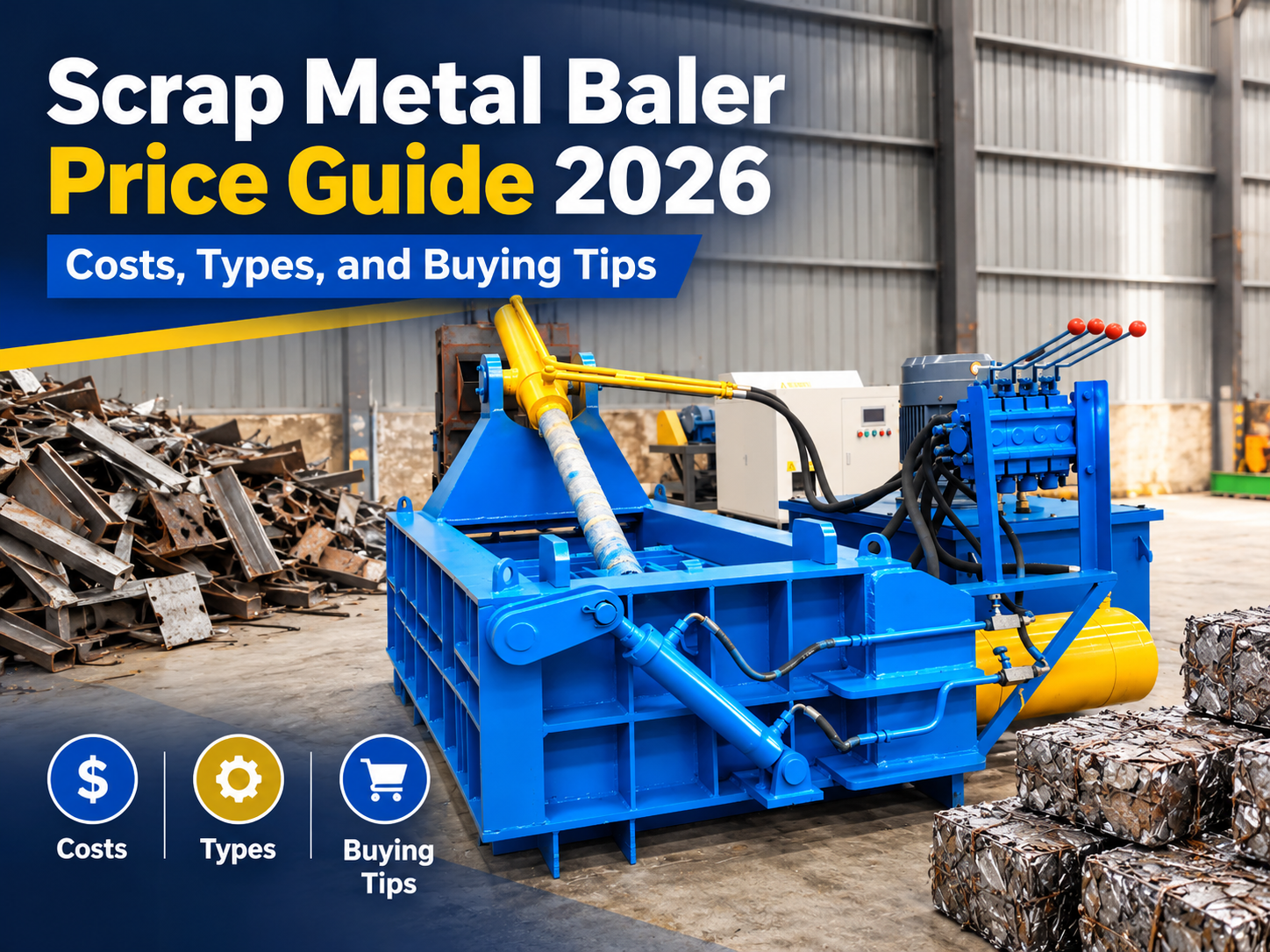
Scrap Metal Baler Price 2026: Costs, Types, and Buying Tips
As the global metal recycling industry continues to evolve, efficiency has become the primary driver for profitability. For metal fabrication shops, demolition contractors, and recycling centers, investing in the right equipment is no longer just about capacity; it is about precision, energy efficiency, and long-term reliability. Our Scrap Metal Baler Price Guide 2026: Costs, Types, and Buying Tips is designed to help you navigate the complex market landscape and make an informed capital investment.
In 2026, the market for scrap metal balers is characterized by a shift toward automation and smart monitoring systems. While initial purchase prices remain a critical factor, total cost of ownership (TCO) is increasingly influencing procurement decisions. Whether you are looking for a small-scale vertical baler for aluminum cans or a heavy-duty horizontal shear baler for industrial steel scrap, understanding the price drivers is essential for your bottom line.
Price Range Overview
The cost of a scrap metal baler in 2026 varies significantly based on throughput capacity, automation level, and material density requirements. For entry-level vertical balers, which are typically used by smaller workshops or retail recycling centers, prices generally range from $8,000 to $25,000. These machines are ideal for non-ferrous metals and light-gauge scrap, offering a compact footprint and manual operation.
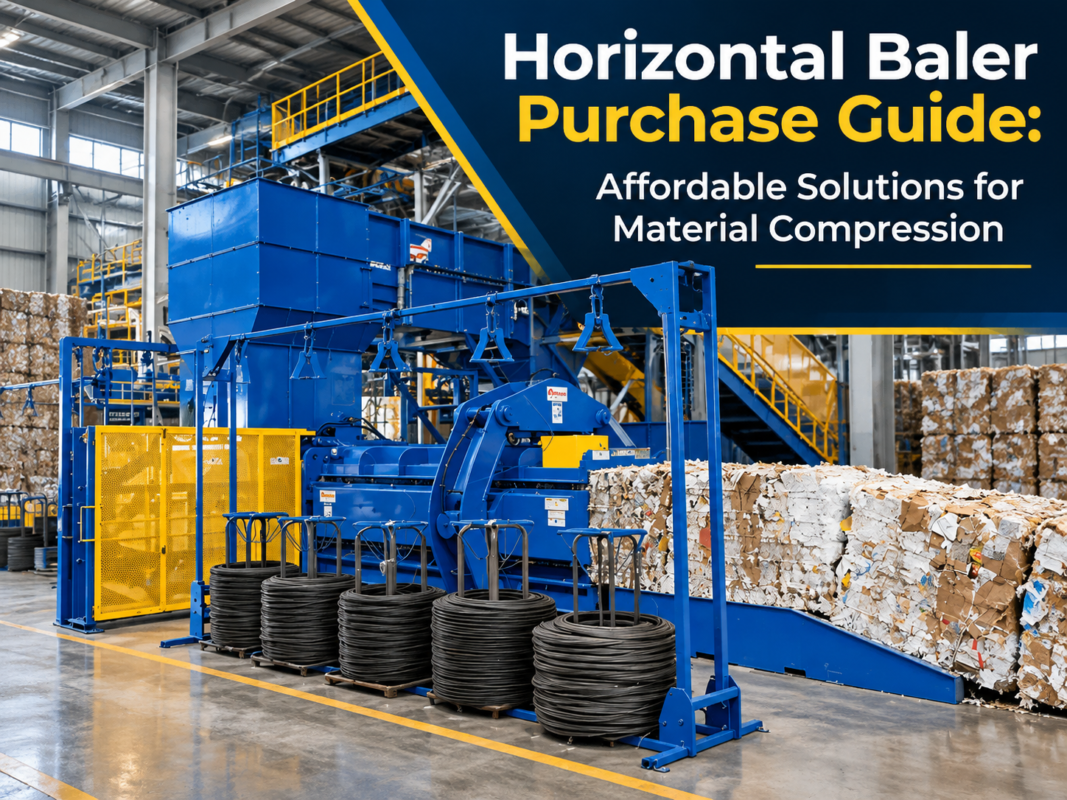
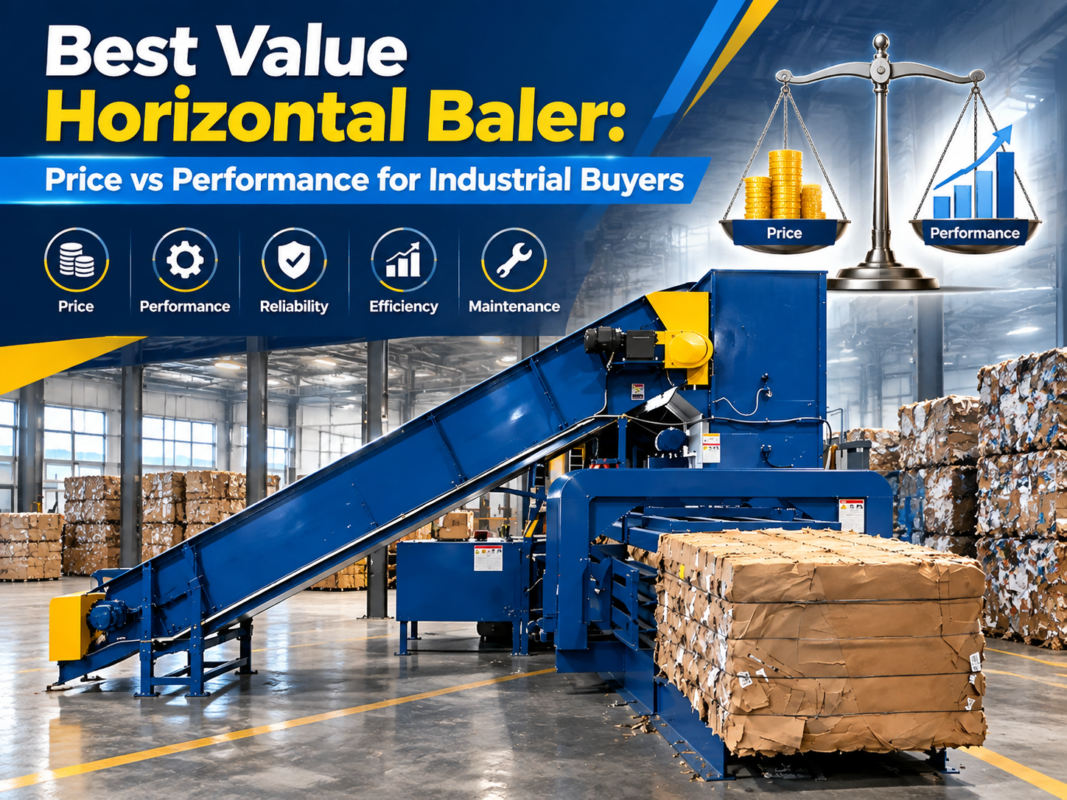
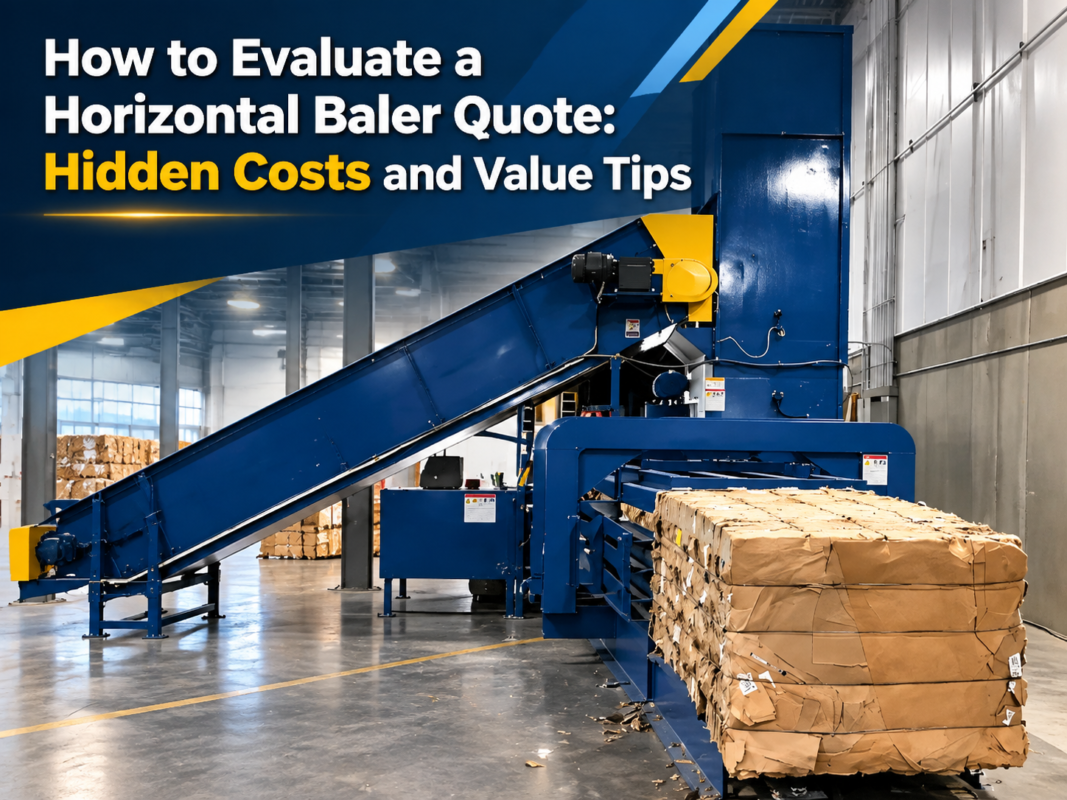
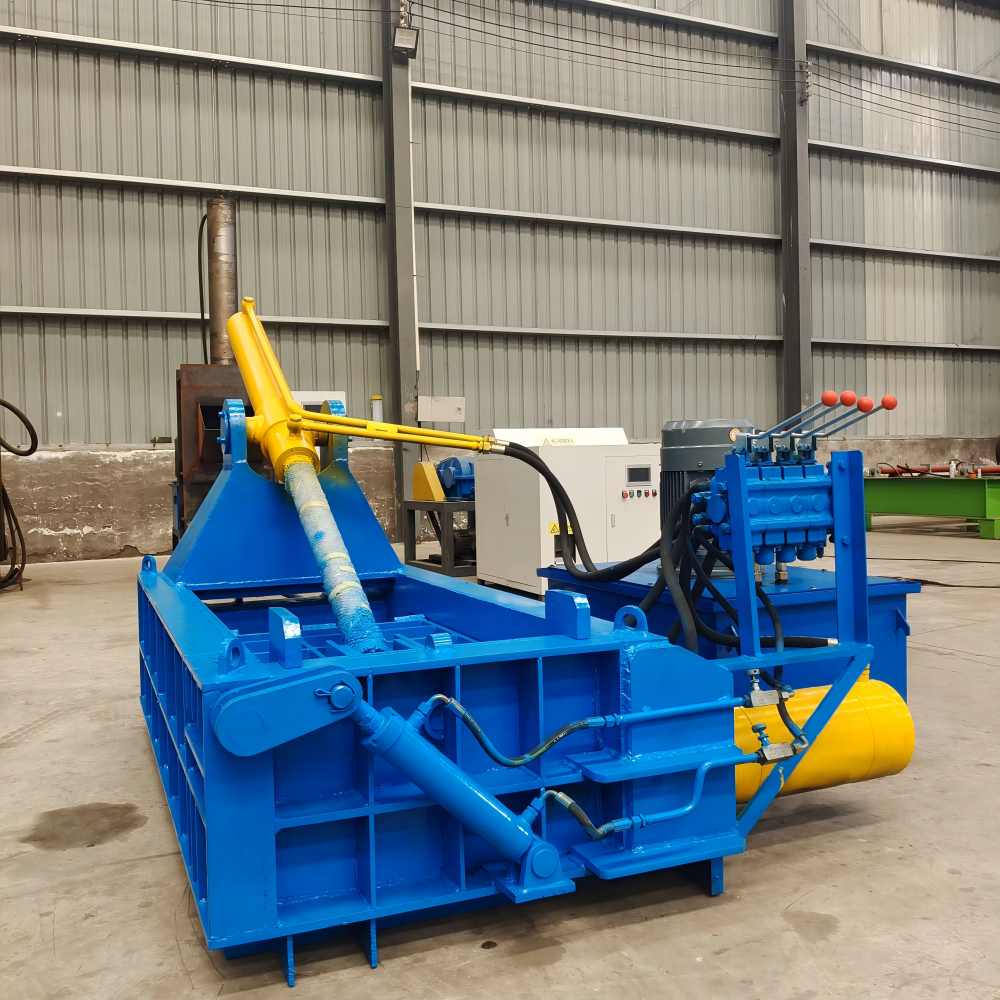
Moving into the mid-range, semi-automatic horizontal balers are the workhorses of the industry. These units typically cost between $35,000 and $90,000. They are designed for higher volumes and provide consistent bale density, which is crucial for maximizing shipping logistics and scrap yard storage. These machines often feature hydraulic systems with advanced pressure sensors to ensure uniform bale formation.
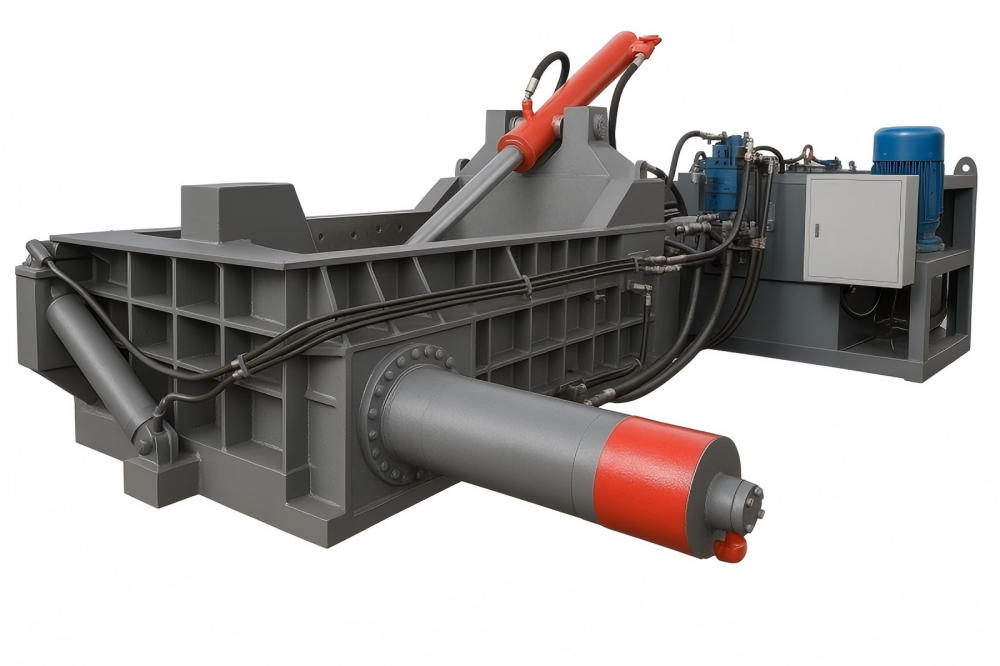
At the top end of the spectrum, fully automatic, high-capacity shear balers represent a significant investment, often ranging from $150,000 to over $500,000. These heavy-duty systems are engineered for continuous operation in large-scale recycling facilities. They incorporate advanced shearing blades, high-force hydraulic cylinders, and PLC-controlled automation that minimizes human intervention, significantly increasing the safety and efficiency of the processing line.
Main Cost Drivers
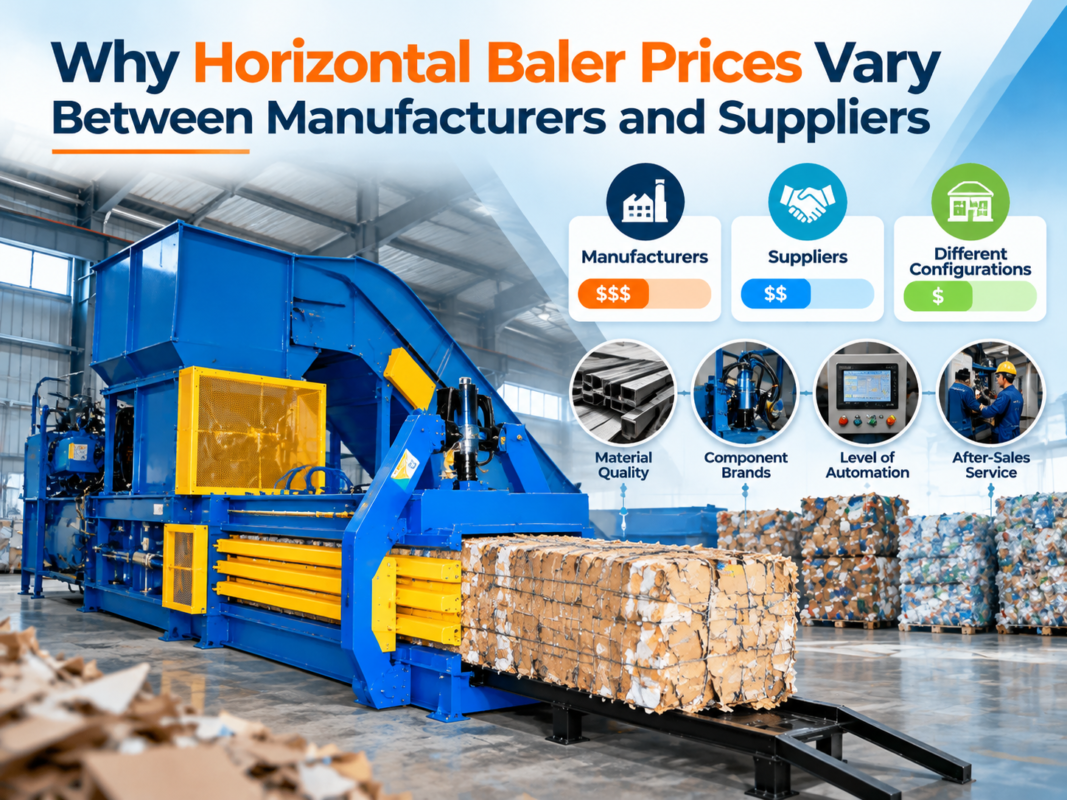
Several technical factors dictate the final price of a scrap metal baler. The most significant driver is the hydraulic system’s force, measured in tons. Higher force capabilities require more robust structural steel frames, larger hydraulic pumps, and more powerful motors, all of which increase the manufacturing cost. A baler designed to compress heavy steel plate will naturally cost more than one designed for thin-gauge aluminum.
Automation level is another primary cost driver. In 2026, the industry is seeing a high demand for PLC-integrated machines that can monitor oil temperature, pressure levels, and cycle times in real-time. While these features add to the upfront cost, they provide invaluable data that helps in predictive maintenance, ultimately saving thousands in potential downtime costs over the life of the machine.
Material handling integration also plays a role. If your facility requires conveyors, sorting belts, or magnetic separators to feed the baler, these peripheral systems add to the total project cost. Customization for specific scrap types—such as specialized wear-resistant liners for abrasive materials—also contributes to the final price tag, as these components require high-grade alloys and precision engineering.
Configuration Impact
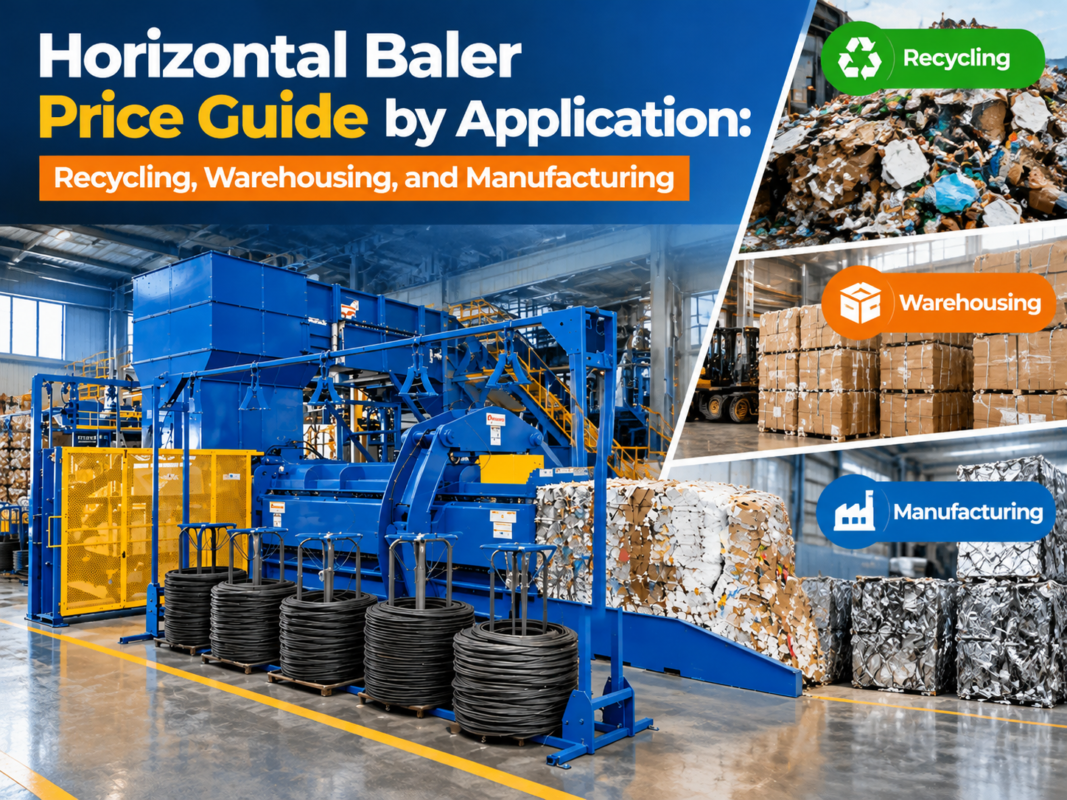
The configuration of your baler should be dictated by your specific material stream. A baler configured for copper wire will have different requirements than one configured for automotive scrap. For instance, a baler with a pre-load chamber allows for continuous feeding while the previous bale is being tied, which significantly increases throughput but adds complexity and cost to the machine design.
Door configurations also impact price and operational efficiency. Side-ejection doors are standard for many horizontal balers, but specialized configurations like multi-door systems or automatic bale-ejection conveyors can streamline the workflow. Choosing the right configuration is a balancing act between initial capital expenditure and the labor savings achieved through improved material flow.
Furthermore, the choice between a single-ram and a double-ram baler is a major configuration decision. Single-ram balers are generally more affordable and efficient for uniform materials, while double-ram balers offer superior density and are capable of handling a wider variety of mixed scrap. The flexibility of a double-ram system often justifies the higher price point for facilities that process diverse metal streams.
Hidden Costs
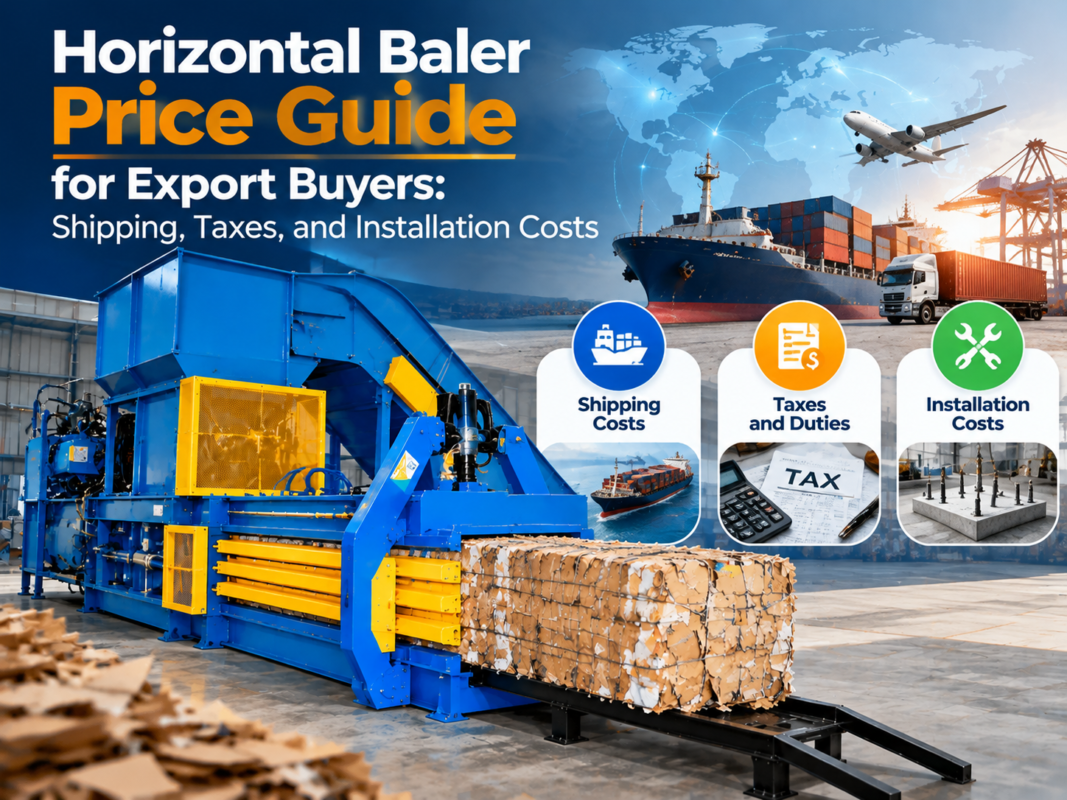
When budgeting for a scrap metal baler, many buyers focus solely on the purchase price, overlooking the “hidden” costs of installation and operation. Site preparation is a major factor; heavy-duty balers require reinforced concrete pads to handle the weight and vibration of the machine. Additionally, electrical upgrades, such as installing high-voltage lines or specialized transformers, can add significant costs to the project.
Shipping and logistics should also be factored into your budget. Because these machines are massive and often require specialized transport, freight costs can be substantial, especially for international shipments. It is crucial to obtain a detailed quote that includes delivery, offloading, and positioning of the machine within your facility.
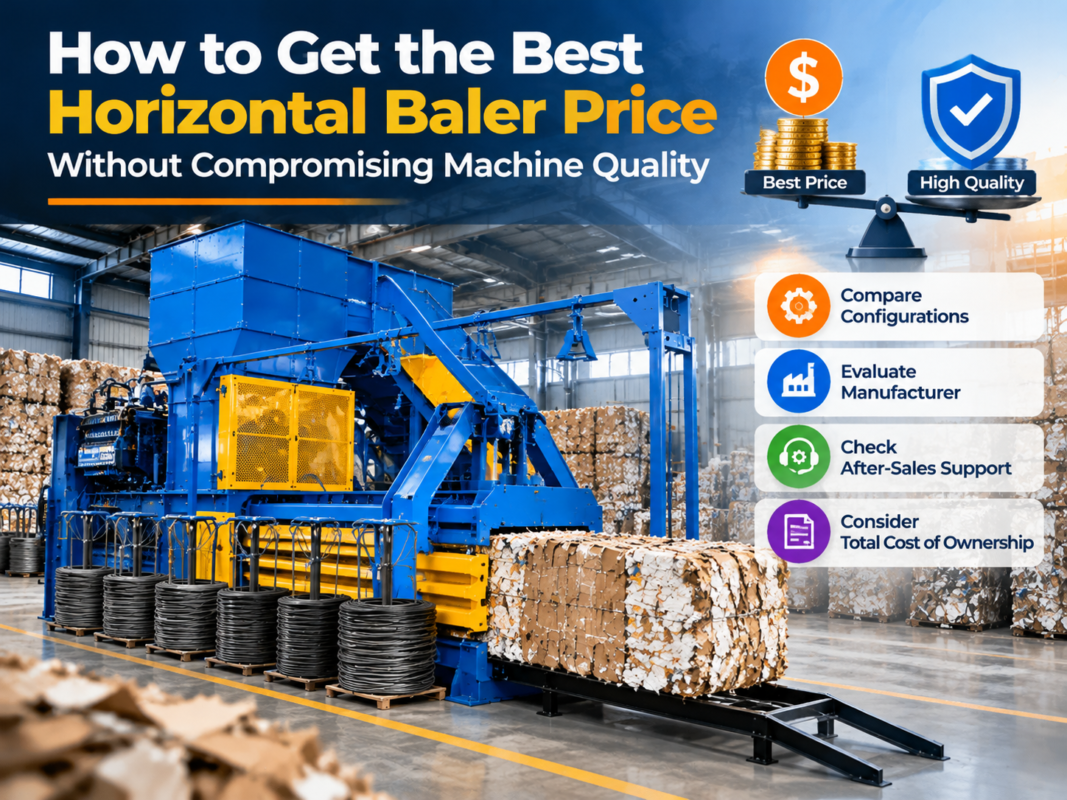
Finally, consider the cost of consumables and spare parts. High-quality baling wire, hydraulic fluid, and replacement wear plates are ongoing expenses. Choosing a manufacturer like HARSLE, which provides a comprehensive inventory of spare parts and local support, can mitigate the long-term costs associated with machine maintenance and potential downtime.
ROI Calculation
Calculating the Return on Investment (ROI) for a scrap metal baler involves looking at both revenue generation and cost reduction. The primary revenue driver is the increased value of baled scrap compared to loose scrap. Baled material is easier to transport, store, and process, which allows recyclers to command higher prices from mills and foundries. By reducing the volume of your scrap, you also significantly lower your logistics and transportation costs.
Labor savings are another key component of the ROI. An automated baler can replace several manual labor positions, allowing your team to focus on higher-value tasks like sorting and quality control. When calculating ROI, factor in the reduction in man-hours required to process a ton of metal. Over a 3-5 year period, the labor savings alone often cover the cost of the machine.
Energy efficiency is an increasingly important factor in ROI calculations. Modern hydraulic systems with variable frequency drives (VFDs) consume significantly less power than older, constant-speed systems. By reducing your electricity consumption per bale, you lower your operational costs and improve your facility’s environmental footprint, which can also lead to tax incentives or green energy grants.
Buying Advice
Before purchasing, conduct a thorough audit of your scrap volume and material types. Do not over-specify your machine; buying a baler with more capacity than you need is a waste of capital. Conversely, under-specifying will lead to bottlenecks and premature wear. Work with a HARSLE representative to analyze your current throughput and project your growth over the next five years.
Always prioritize safety features. In 2026, safety standards are stricter than ever. Ensure your chosen baler includes light curtains, emergency stop buttons, and interlocked safety gates. A machine that is difficult to operate or poses safety risks will ultimately lead to lower productivity and higher insurance premiums.
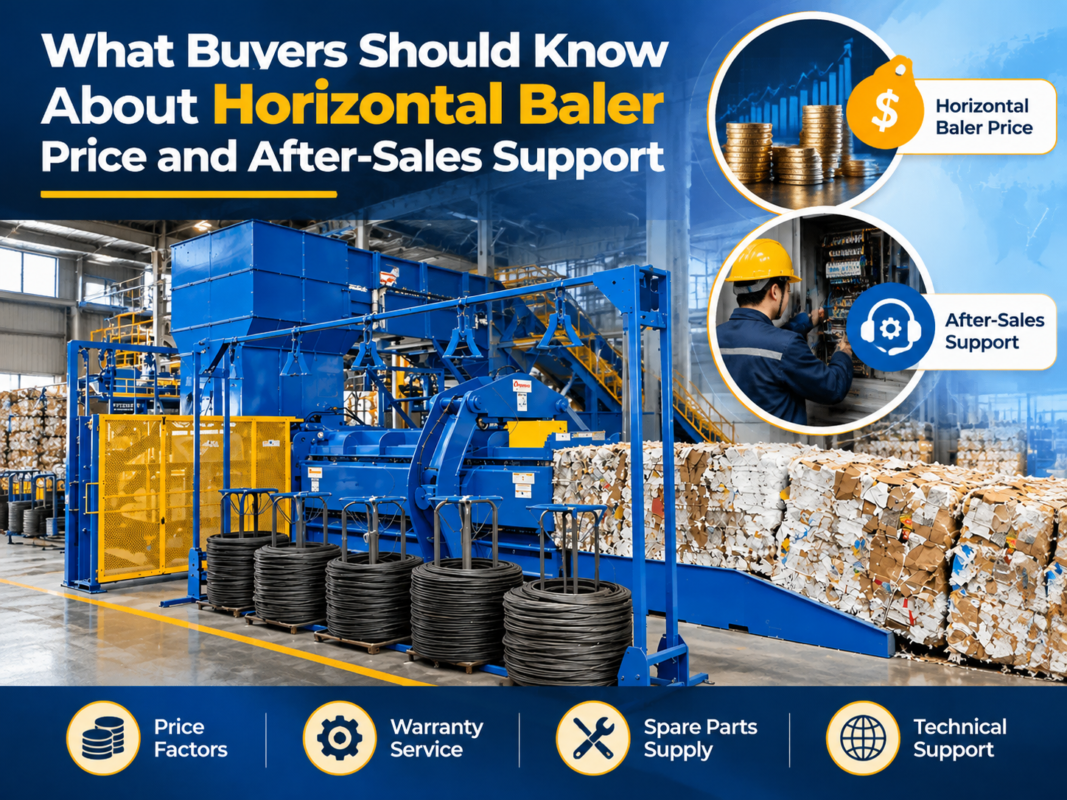
Finally, evaluate the manufacturer’s support network. A scrap metal baler is a long-term asset. You need a partner who offers remote diagnostics, rapid response times for service calls, and a clear warranty policy. Ask for references from other companies in your industry and inquire about their experience with the machine’s reliability and the manufacturer’s after-sales support.
FAQ
- What is the typical lifespan of an industrial scrap metal baler? With proper maintenance and regular service, a high-quality industrial baler can last between 15 and 20 years.
- How often should I change the hydraulic oil? Depending on usage, hydraulic oil should typically be checked every 1,000 hours and replaced annually to ensure optimal system performance.
- Can a single baler handle both ferrous and non-ferrous metals? Yes, but it requires careful consideration of the baler’s force and the wear-resistance of the chamber liners.
- Does HARSLE offer custom baler solutions? Yes, HARSLE specializes in tailoring machinery configurations to meet the specific material processing needs of our clients.
- What is the most important factor when choosing a baler? The most important factor is matching the machine’s throughput capacity and bale density requirements to your specific material stream.