The Impact of a Briquetting Machine on Scrap Value and Production Efficiency

Introducción
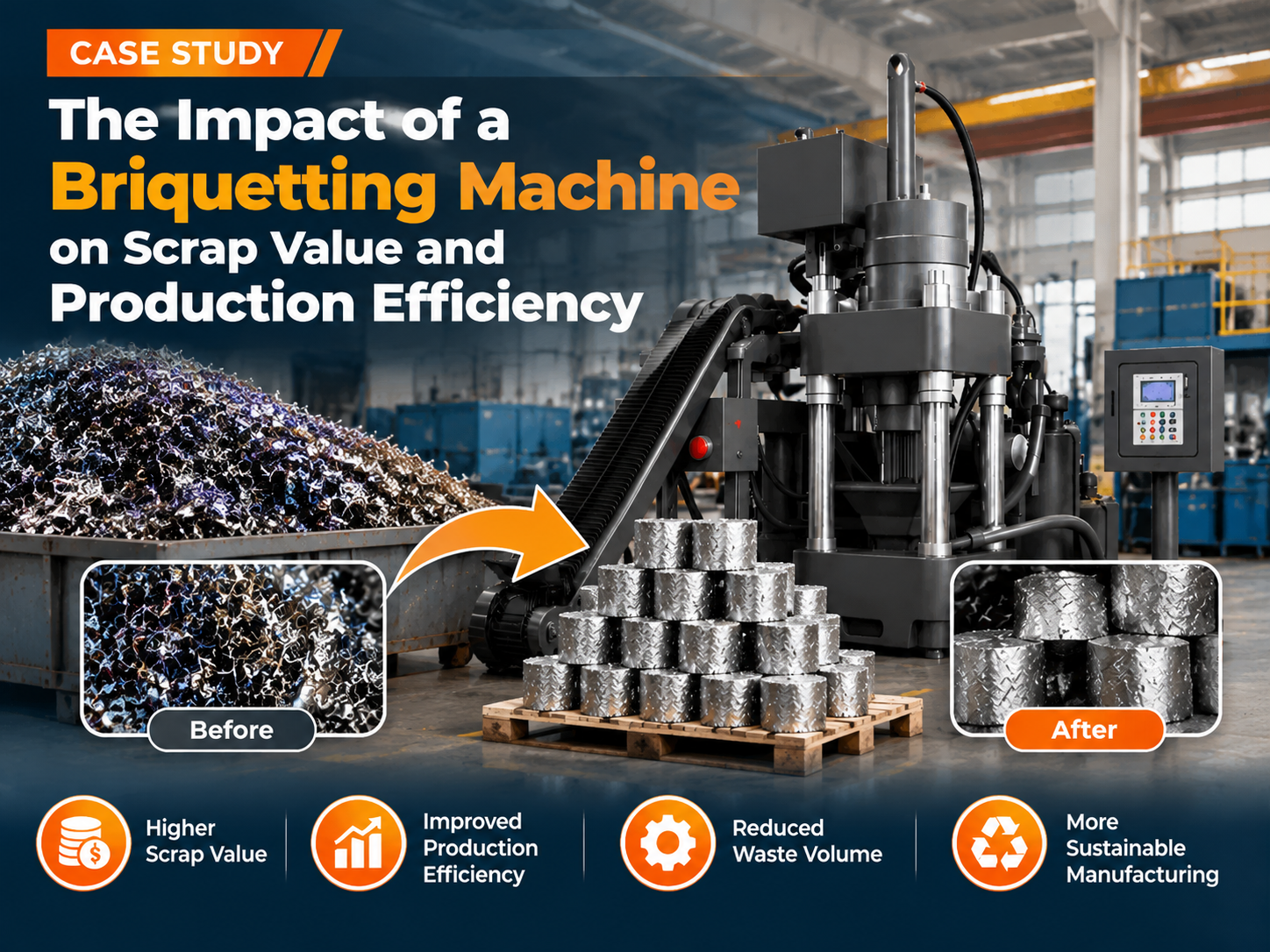
In the modern metal fabrication industry, the management of waste—specifically metal chips, turnings, and swarf—is often overlooked as a mere operational necessity. However, for forward-thinking manufacturers, this waste represents a significant untapped revenue stream. The impact of a briquetting machine on scrap value and production efficiency is profound, turning bulky, low-value metal waste into dense, high-value briquettes that are easier to handle, transport, and sell.
As global metal prices fluctuate and environmental regulations become increasingly stringent, HARSLE provides advanced briquetting solutions designed to integrate seamlessly into existing production lines. By compressing loose metal waste into compact forms, shops can reclaim valuable cutting fluids, reduce logistics costs, and significantly increase the market price of their scrap. This article explores the technical and economic advantages of adopting briquetting technology in your facility.
Understanding the full scope of the impact of a briquetting machine on scrap value and production efficiency requires looking at the entire lifecycle of metal waste. From the moment a CNC machine finishes a part to the final sale of the recycled material, briquetting acts as a catalyst for profitability. It is not just about waste disposal; it is about resource recovery and operational excellence.
HARSLE’s commitment to engineering excellence ensures that our briquetting machines are built for durability and high throughput. Whether you are dealing with aluminum, steel, copper, or brass, our systems are engineered to handle the rigors of high-volume industrial environments. In the following sections, we will break down the key considerations, technical specifications, and strategic advantages of implementing this technology.
Key Considerations for Scrap Management
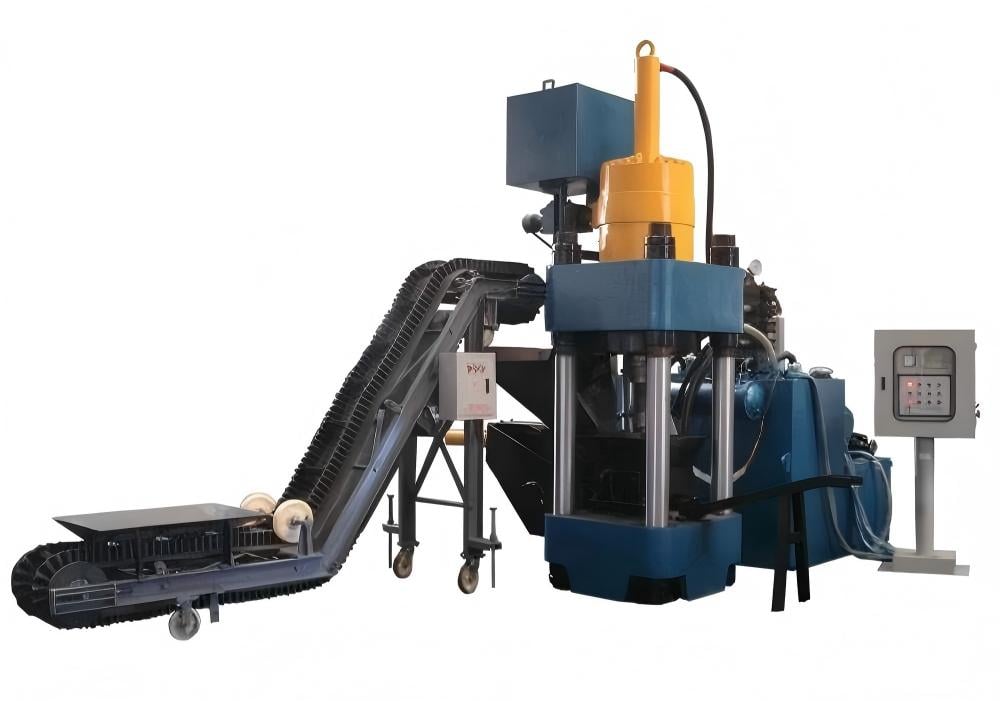
The primary challenge in metal fabrication is the sheer volume of loose chips generated during machining processes. These chips occupy massive amounts of floor space, create fire hazards, and are notoriously difficult to transport. When left loose, they are classified as low-grade scrap, fetching the lowest possible market price due to their high surface area and contamination levels.
Efficiency in a fabrication shop is often measured by the speed of production, but it should also be measured by the efficiency of waste removal. If your team spends hours shoveling, bagging, and moving loose swarf, you are losing valuable labor hours that could be spent on high-margin production tasks. A briquetting machine automates this process, allowing for a cleaner, safer, and more organized shop floor.
Another critical consideration is the recovery of cutting fluids. Metal chips are often saturated with expensive coolants and lubricants. When chips are loose, this fluid is lost to the environment or requires costly disposal methods. A briquetting machine exerts immense pressure, squeezing out the coolant so it can be filtered and reused. This not only saves money on fluid procurement but also reduces the environmental impact of your facility.
Finally, consider the logistics of scrap disposal. Transporting loose chips is essentially transporting air. By densifying the material, you can fit significantly more weight into a single shipping container or truck. This drastically reduces the number of trips required to move your scrap, lowering your carbon footprint and transportation costs. The cumulative effect of these factors is what defines the true impact of a briquetting machine on scrap value and production efficiency.
Technical Details of HARSLE Briquetting Systems
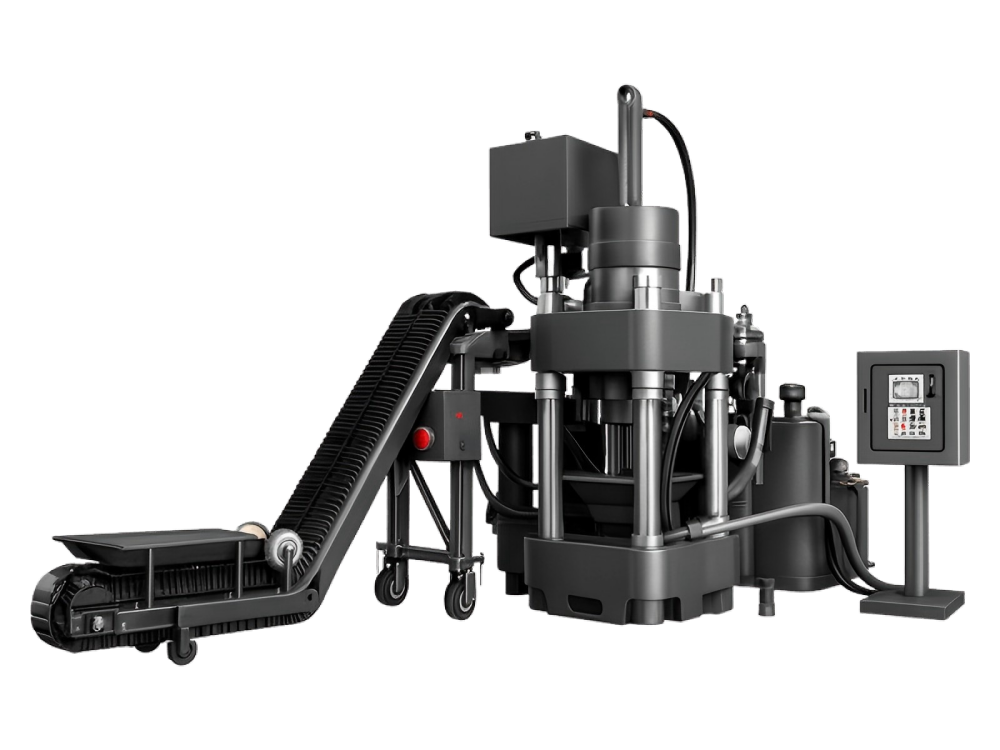
HARSLE briquetting machines utilize high-pressure hydraulic systems to compress metal waste into dense, uniform cylinders or blocks. The process begins with a hopper that feeds the loose chips into a compression chamber. Once the chamber is full, a hydraulic ram applies force, typically ranging from 200 to 500 tons depending on the model, to solidify the material.
The technical superiority of HARSLE equipment lies in the precision of the hydraulic control. Our machines are equipped with advanced sensors that monitor the density of the briquette in real-time. This ensures that every briquette produced meets the quality standards required by smelters and foundries. Consistent density is crucial because it prevents the briquettes from crumbling during transport, ensuring they arrive at the recycling facility in perfect condition.
Material compatibility is a cornerstone of our design. Different metals have different flow characteristics and compression ratios. HARSLE machines feature adjustable pressure settings and specialized die designs to accommodate a wide range of materials, including aluminum, cast iron, copper, brass, and stainless steel. This versatility makes our machines an ideal investment for shops that handle diverse metal types.
Maintenance and durability are also key technical features. Our machines are built with wear-resistant alloys in the compression chamber and ram head to withstand the abrasive nature of metal chips. Automated lubrication systems and intuitive PLC interfaces allow operators to monitor machine health, track production volume, and perform routine maintenance with minimal downtime. This reliability is essential for maintaining the high production efficiency that our clients expect.
Selection Advice: Choosing the Right Machine
Selecting the right briquetting machine requires a thorough analysis of your shop’s output. Start by calculating the total volume of metal chips generated per week. If your volume is low, a smaller, semi-automatic unit may suffice. However, for high-volume production environments, a fully automated system with an integrated conveyor and fluid filtration unit is the recommended choice.
Consider the physical characteristics of your scrap. Are you dealing with long, stringy turnings or small, granular chips? Long turnings often require a pre-crusher or shredder before they can be fed into the briquetting press. HARSLE offers integrated shredding solutions that can be paired with our briquetting presses to create a complete, turnkey waste management system.
Space constraints are another factor. Our machines are designed with a compact footprint, but you must account for the space required for chip storage bins, conveyors, and the briquette discharge area. We recommend conducting a site visit or providing our engineering team with a floor plan to ensure the machine is positioned for optimal workflow efficiency.
Finally, look at the long-term return on investment (ROI). While the initial capital expenditure is a factor, the real value lies in the increased scrap price, reduced fluid costs, and labor savings. HARSLE provides detailed ROI calculators to help you estimate the payback period based on your current scrap volume and local market prices. Investing in a high-quality machine today will yield dividends for years to come.
Case Study: Transforming Operations
A mid-sized automotive parts manufacturer recently integrated a HARSLE briquetting system into their CNC machining line. Previously, they were paying for the removal of loose aluminum swarf, which was often contaminated with coolant. The logistics of moving the loose material were cumbersome, and the scrap dealer offered only the lowest market rate due to the high volume and low density of the waste.
After installing the HARSLE briquetting machine, the company saw an immediate shift. The briquettes were clean, dense, and easy to stack. Because the material was now high-grade, the scrap dealer increased the purchase price by 30%. Furthermore, the company was able to recover 85% of the cutting fluid that was previously lost, resulting in a 20% reduction in annual fluid procurement costs.
The production floor also became significantly cleaner. The removal of loose, slippery chips improved safety ratings and reduced the time spent on housekeeping. By automating the chip management process, the company redirected two full-time employees to higher-value assembly tasks. This case study perfectly illustrates the impact of a briquetting machine on scrap value and production efficiency, proving that waste management is a strategic business advantage.
FAQ
How much space does a briquetting machine require?
HARSLE machines are designed for industrial efficiency and have a relatively small footprint. However, you should allow space for the input conveyor and the output collection bin. We provide detailed dimension sheets for every model.
Can a briquetting machine handle different types of metal?
Yes, our machines are highly versatile. By adjusting the pressure and using the correct die, you can process aluminum, steel, copper, brass, and more. We recommend consulting with our team if you plan to switch between vastly different materials frequently.
How does the machine affect coolant recovery?
The high-pressure compression process forces the coolant out of the chips. The fluid is then collected in a dedicated tank, filtered, and can be returned to the CNC machine’s reservoir, significantly reducing waste and procurement costs.
What is the typical ROI period for a briquetting machine?
The ROI depends on your volume of scrap and local market prices. Many of our clients see a full return on their investment within 12 to 18 months due to the combined savings in logistics, fluid recovery, and increased scrap value.
Conclusión
The impact of a briquetting machine on scrap value and production efficiency is undeniable. By transforming waste into a valuable commodity, manufacturers can turn a cost center into a profit center. HARSLE’s range of briquetting machines offers the reliability, precision, and performance needed to thrive in today’s competitive fabrication landscape.
Whether you are looking to improve your sustainability metrics, reduce operational costs, or simply clean up your shop floor, a briquetting solution is a smart, forward-thinking investment. We invite you to contact our team to discuss your specific needs and discover how HARSLE can help you maximize the value of your metal scrap. Let us help you turn your waste into wealth.