How a Briquetting Machine Increased ROI in a Metal Processing Plant: A Comprehensive Guide

Introduction: The Hidden Value of Metal Scrap
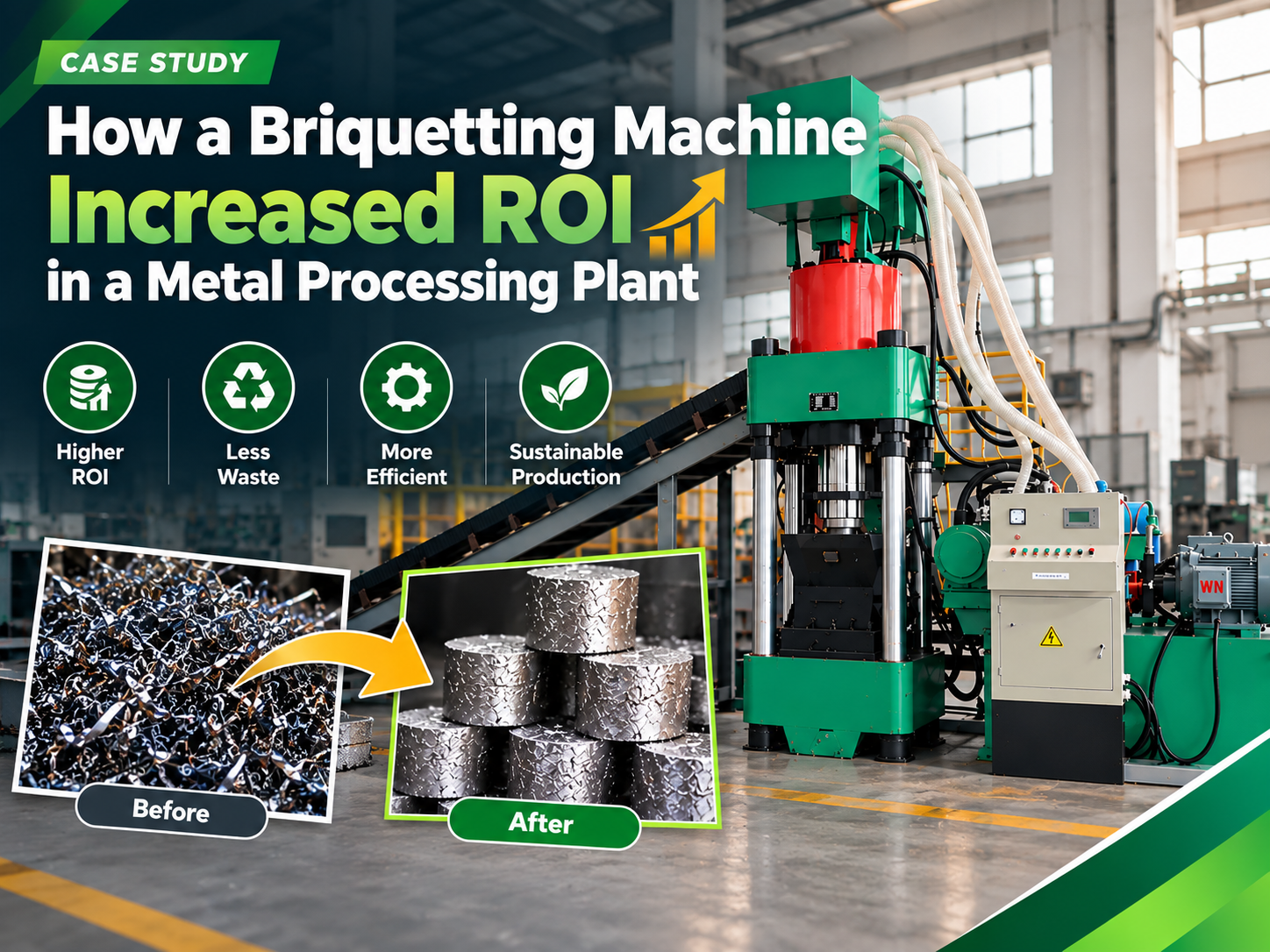
In the modern metal fabrication industry, the difference between a profitable operation and one struggling with overhead costs often lies in how effectively a facility manages its waste. For years, metal processing plants viewed loose metal chips, turnings, and swarf as a logistical burden—a byproduct that occupied valuable floor space and yielded minimal returns when sold to recyclers. However, the narrative has shifted significantly as manufacturers discover how a briquetting machine increased ROI in a metal processing plant.
By transforming loose, voluminous metal waste into dense, high-quality briquettes, fabrication facilities are effectively turning a waste stream into a revenue stream. This process not only simplifies material handling but also significantly enhances the purity of the scrap, which commands a higher price in the secondary metal market. HARSLE has been at the forefront of this transition, providing advanced hydraulic solutions that allow plants to reclaim cutting fluids, reduce transportation costs, and optimize their environmental footprint.
This article explores the technical and economic mechanisms behind this transformation. We will delve into the operational advantages of briquetting, the specific ROI drivers that plant managers should monitor, and the strategic considerations for integrating this technology into an existing production line. Whether you are dealing with aluminum, steel, copper, or cast iron, the principles of briquetting remain a cornerstone of lean manufacturing.
Key Considerations: Why Briquetting is a Financial Game Changer
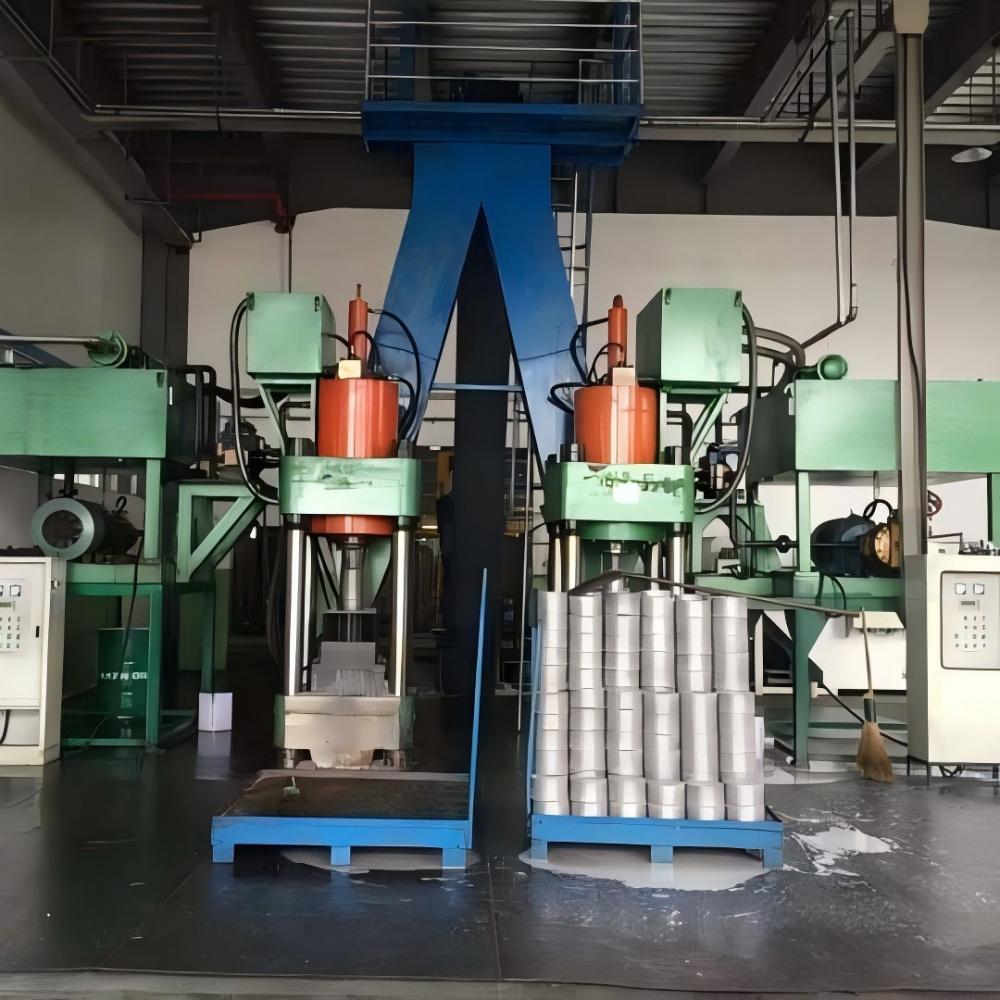
The primary reason a briquetting machine increased ROI in a metal processing plant is the drastic reduction in volume. Loose metal chips have a high void ratio, meaning they take up significant space in bins and transport vehicles. When these chips are compressed into dense briquettes, the volume can be reduced by up to 90%. This reduction directly translates into lower logistics costs, as fewer trips are required to transport the same weight of material to a recycling center.
Beyond logistics, the recovery of expensive cutting fluids is a major financial incentive. In many machining processes, chips are saturated with coolant or oil. When these chips are sold loose, that fluid is lost, representing a significant recurring expense. A high-pressure briquetting machine squeezes the fluid out of the chips during the compression cycle. This reclaimed fluid can be filtered and reused, significantly lowering the plant’s annual chemical and lubricant procurement costs.
Another critical consideration is the market value of the scrap itself. Recyclers prefer briquettes over loose chips because they are easier to handle, store, and melt down. Briquettes have a lower surface-area-to-volume ratio, which means they oxidize less during the melting process, leading to higher metal recovery rates for the foundry. Consequently, scrap dealers are willing to pay a premium for briquetted material compared to loose, contaminated swarf.
Finally, environmental compliance and workplace safety play a role in the overall ROI. Loose metal chips are sharp, hazardous, and often slippery due to oil coatings. By consolidating this waste into solid blocks, the plant floor becomes cleaner and safer, reducing the risk of workplace injuries and lowering insurance premiums. Furthermore, many regions now impose stricter regulations on the disposal of oily metal waste; briquetting helps plants meet these environmental standards with ease.
Technical Details: How Briquetting Technology Works
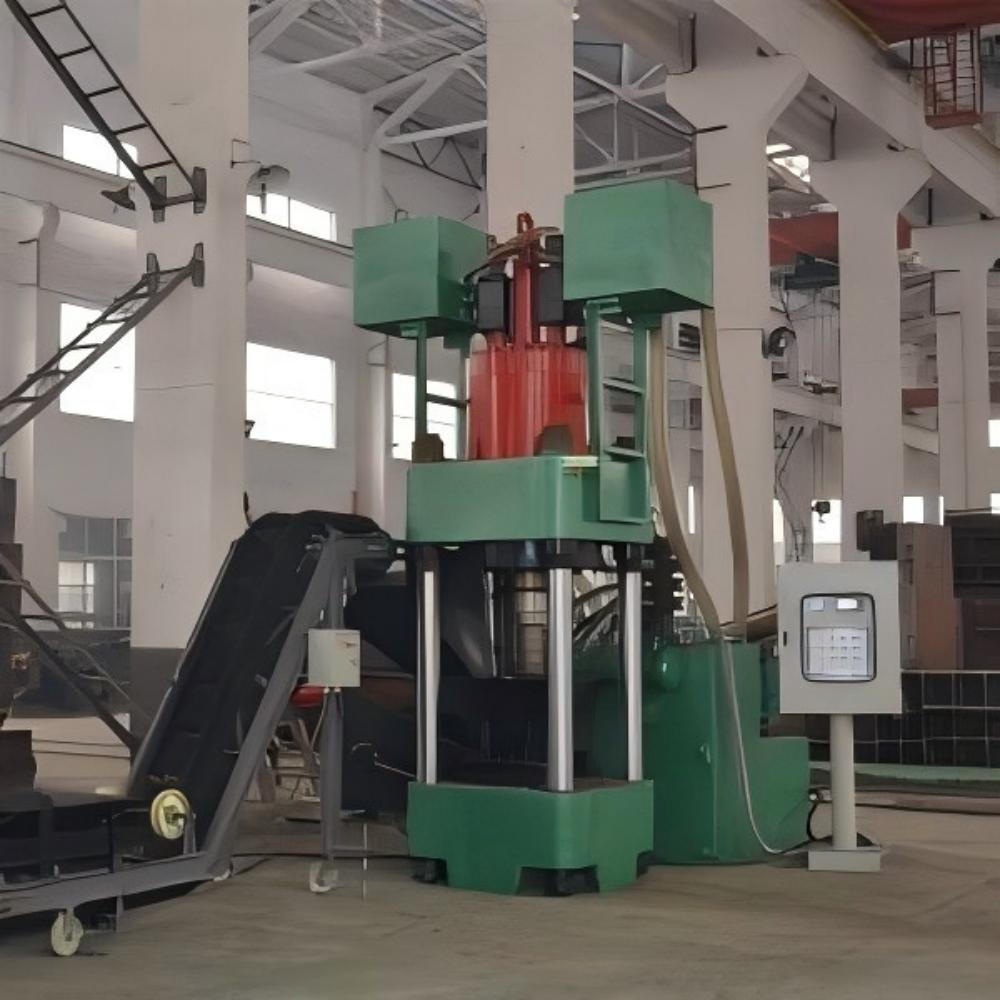
At the heart of the process is the hydraulic briquetting press, a robust piece of metal fabrication equipment designed to exert immense pressure on metal waste. The process begins with a hopper that collects the loose chips. A screw feeder or agitator ensures that the material is consistently fed into the compression chamber, preventing bridging or clogging, which is common with stringy or tangled metal turnings.
Once the chamber is filled, a hydraulic ram exerts high pressure—often exceeding 200 MPa—to compress the material. This pressure forces the metal particles to bond together through mechanical interlocking and cold welding. The result is a dense, uniform briquette that maintains its shape during handling and transport. The hydraulic system is controlled by sophisticated PLC units that allow operators to adjust pressure, cycle time, and density based on the specific metal type being processed.
Fluid recovery is integrated into the machine’s design. As the ram compresses the material, the extracted coolant is channeled through a drainage system at the base of the press. This fluid is then collected in a separate tank, where it can be processed through a centrifuge or filtration system to remove fine metal particles before being returned to the machine tools. This closed-loop system is essential for maximizing the ROI of the equipment.
HARSLE’s briquetting machines are engineered for continuous operation. They feature wear-resistant liners in the compression chamber to withstand the abrasive nature of metal chips. The modular design allows for easy maintenance, ensuring that the machine remains operational with minimal downtime. Understanding these technical nuances is vital for any plant manager looking to justify the capital expenditure of a briquetting system.
Selection Advice: Choosing the Right Machine for Your Plant
Selecting the right briquetting machine is not a one-size-fits-all process. The first factor to consider is the type of metal you are processing. Aluminum, for instance, is lightweight and requires different compression ratios compared to heavy steel or cast iron. A machine that is underpowered will fail to produce dense briquettes, while an overpowered machine may lead to unnecessary energy consumption and higher initial costs.
Production volume is the second critical factor. You must calculate the daily output of your machining centers to determine the required throughput of the briquetting machine. If your plant produces a high volume of scrap, an automated, high-capacity system with an integrated conveyor belt is essential. For smaller shops, a semi-automatic or manual-feed system might provide a better balance between cost and efficiency.
Space constraints in your facility should also be evaluated. Briquetting machines vary in footprint, and some models are designed to be placed directly under the discharge chute of a CNC machine, while others are centralized units that serve the entire shop floor. A centralized system is often more efficient for large plants, as it allows for the consolidation of all scrap processing in one controlled area.
Finally, consider the after-sales support and spare parts availability. Because briquetting machines operate under extreme pressure, they are subject to wear and tear. Partnering with a reputable manufacturer like HARSLE ensures that you have access to technical support, maintenance training, and readily available spare parts. This reliability is a key component of long-term ROI, as it prevents costly production stoppages.
Buyer’s Checklist for Briquetting Systems:
- Material Compatibility: Does the machine handle your specific alloy (e.g., steel, aluminum, brass)?
- Throughput Capacity: Can the machine handle your peak daily scrap generation?
- Fluid Recovery Efficiency: What percentage of coolant is the machine capable of reclaiming?
- Automation Level: Do you need a fully automated system or a manual feed unit?
- Maintenance Requirements: Are the wear parts easily accessible and replaceable?
FAQ: Common Questions About Briquetting
Q: How quickly can I expect to see a return on investment?
A: Most plants see a full return on investment within 12 to 24 months. The ROI is driven by the combination of higher scrap prices, reduced logistics costs, and significant savings on coolant procurement.
Q: Can one machine handle different types of metal?
A: Yes, but it is important to clean the machine between batches if you are processing different metals to prevent cross-contamination, which can lower the value of your scrap.
Q: Is the briquetting process noisy?
A: Modern hydraulic briquetting machines are designed with noise-reduction technology. While they do produce sound, they are generally well within the acceptable limits for industrial environments.
Q: Does the briquetting process affect the quality of the metal?
A: No, the process is purely mechanical. It does not change the chemical composition of the metal, making it perfectly suitable for recycling in foundries.
Q: What maintenance is required for a briquetting machine?
A: Regular maintenance includes checking hydraulic fluid levels, inspecting the compression chamber for wear, and cleaning the fluid filtration system. HARSLE provides detailed maintenance schedules with every unit.
Conclusion: Investing in the Future of Fabrication
The evidence is clear: when a briquetting machine increased ROI in a metal processing plant, it did so by transforming a logistical headache into a streamlined, profitable asset. By reducing waste volume, reclaiming expensive fluids, and commanding higher prices for scrap, these machines offer a compelling value proposition for any modern metal fabrication facility.
As the industry moves toward more sustainable and lean manufacturing practices, the integration of briquetting technology is no longer just an option—it is a competitive necessity. By choosing the right equipment from a trusted partner like HARSLE, you can ensure that your plant is not only more efficient but also more profitable. The initial investment in a briquetting system is a commitment to operational excellence that pays dividends for years to come.
If you are ready to optimize your metal processing workflow, consider evaluating your current scrap management practices. Calculate the volume of your waste, the cost of your coolant, and the frequency of your scrap pickups. You will likely find that the numbers support the transition to a briquetting solution. Contact HARSLE today to learn more about our range of industrial machinery and how we can help you achieve your ROI goals.