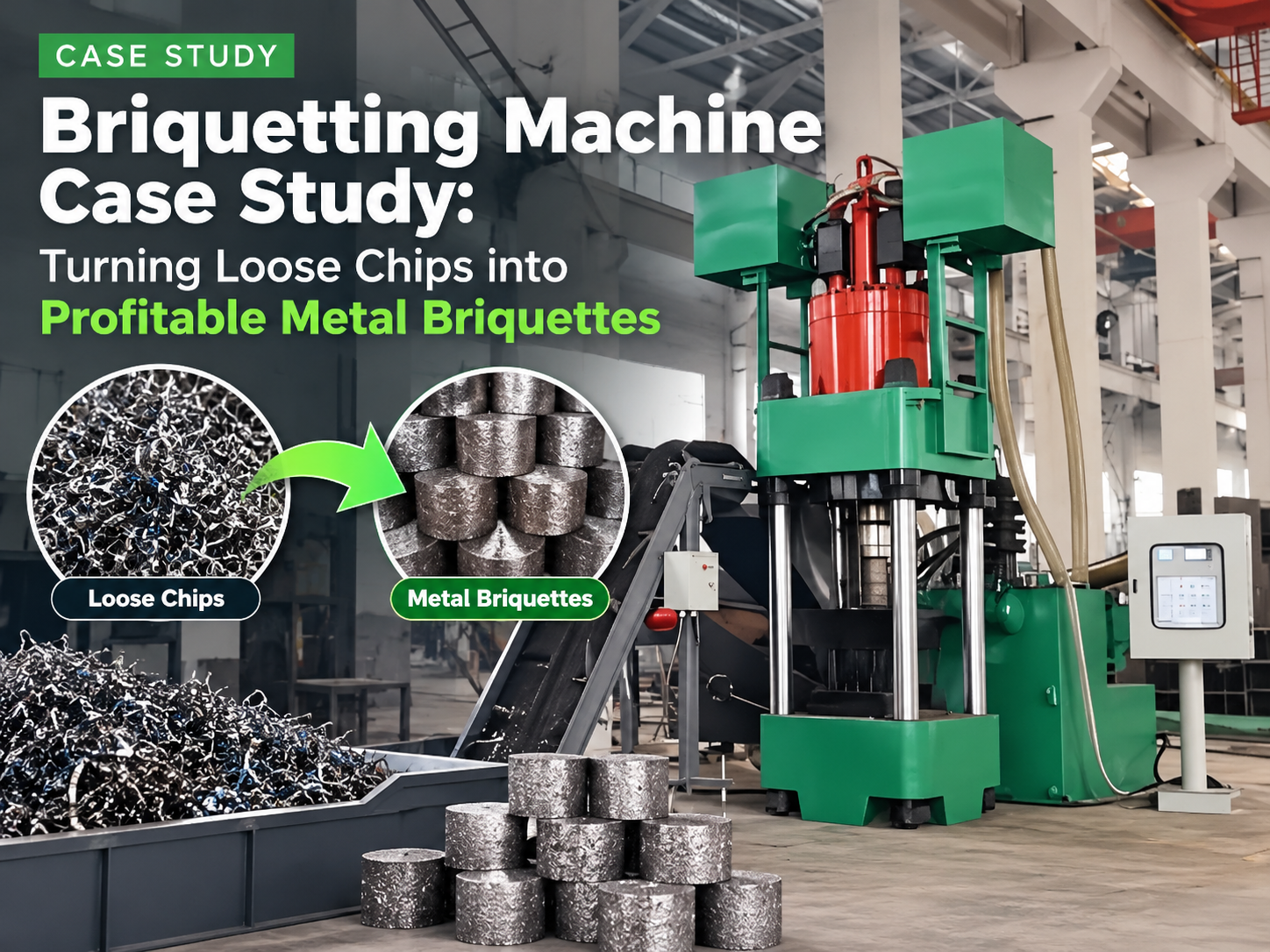
Briquetting Machine Case Study: Turning Loose Chips Into Profitable Metal Briquettes

Introducción
In the modern metal fabrication landscape, efficiency is not merely about production speed; it is about the holistic management of resources. For many workshops, machine shops, and large-scale manufacturing facilities, the accumulation of loose metal chips, turnings, and swarf represents a significant logistical and financial burden. These byproducts often occupy vast amounts of floor space, create hazardous working conditions, and are sold at low prices to scrap dealers due to their high volume and low density. This is where the HARSLE Briquetting Machine Case Study: Turning Loose Chips Into Profitable Metal Briquettes becomes a vital resource for operational managers.
By transforming loose, bulky metal waste into dense, manageable briquettes, manufacturers can unlock hidden revenue streams and drastically reduce their environmental footprint. This article explores the transformative power of hydraulic briquetting technology, detailing how companies are moving away from traditional scrap disposal methods toward a circular economy model. We will examine the technical mechanics, the economic incentives, and the strategic advantages of implementing a briquetting solution in your facility.
The transition from loose chips to briquettes is more than just a space-saving measure; it is a fundamental shift in how metal fabrication facilities handle their raw material lifecycle. As global metal prices fluctuate and environmental regulations tighten, the ability to recover high-quality coolant and produce premium-grade scrap is a competitive advantage that cannot be ignored. Through this comprehensive guide, we will walk you through the journey of optimizing your scrap management systems.
HARSLE has been at the forefront of this industrial evolution, providing robust machinery designed to withstand the rigors of continuous operation. Whether you are dealing with aluminum, copper, steel, or cast iron, the principles of briquetting remain the same: compression, density, and value recovery. Let us delve into the technical and economic realities of this process and see how your facility can turn waste into a consistent profit center.
Key Considerations for Scrap Management
Before investing in a briquetting machine, it is essential to understand the current state of your scrap management. Most facilities struggle with the sheer volume of swarf generated during milling, turning, and drilling operations. Loose chips are notoriously difficult to transport, requiring frequent trips to dumpsters or scrap yards, which increases labor costs and logistical overhead. Furthermore, the presence of residual cutting fluids on these chips poses a significant environmental risk and potential liability.
The first consideration is the volume and type of material generated. Different metals have varying compression ratios. For instance, aluminum chips are lightweight and voluminous, making them ideal candidates for briquetting, as the volume reduction can be as high as 10:1 or even 20:1. Steel and cast iron, while denser, still benefit significantly from the removal of cutting oils and the creation of uniform, furnace-ready blocks. Understanding your specific material throughput is the first step in selecting the right equipment.
Another critical factor is the recovery of cutting fluids. In many machining processes, the cost of coolant is a significant portion of the operational budget. When chips are loose, they retain a large percentage of this expensive fluid, which is often lost during disposal. A high-quality briquetting machine acts as a mechanical separator, pressing the coolant out of the chips so it can be filtered, treated, and reused. This not only saves money on fluid procurement but also reduces the cost of hazardous waste disposal.
Finally, consider the market value of your scrap. Scrap dealers pay significantly more for briquetted metal than for loose chips. Briquettes are easier to transport, easier to melt in furnaces, and have a known chemical composition, which makes them a preferred feedstock for foundries. By upgrading your scrap to a premium product, you are essentially creating a new revenue stream that can pay for the machine itself within a relatively short period. This case study approach highlights that the machine is not an expense, but an investment in operational efficiency.
Technical Details of Briquetting Technology
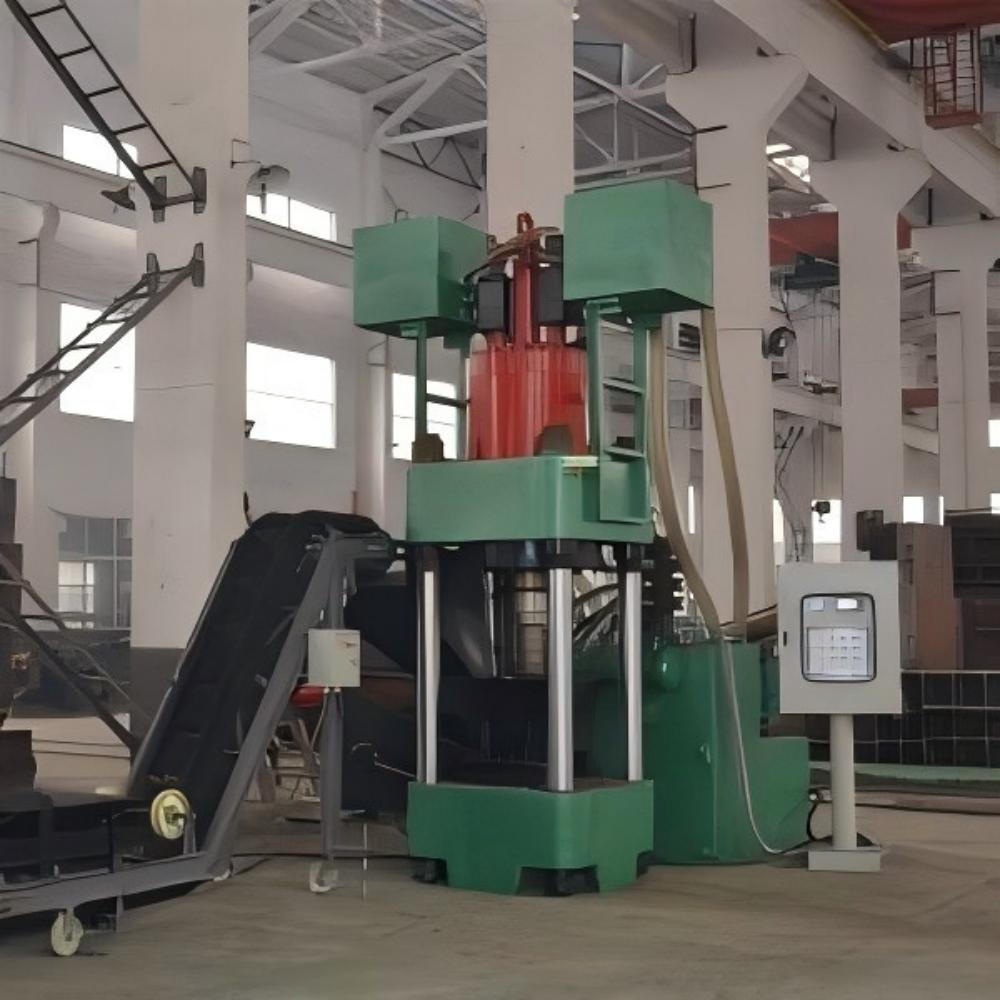
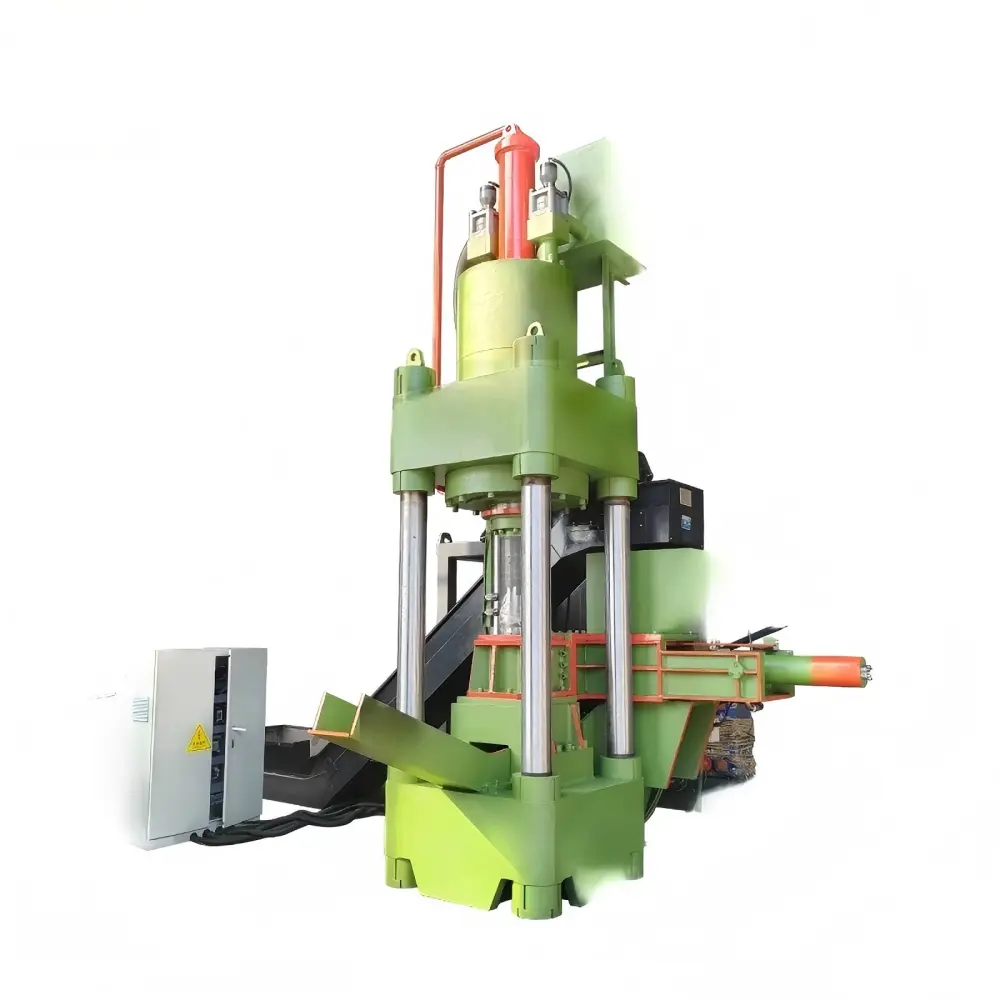
At the heart of the HARSLE briquetting solution is a sophisticated hydraulic system designed to exert immense pressure on metal waste. The process begins with the feeding of loose chips into a hopper, which may be equipped with an agitator to prevent bridging. From there, the material is fed into a compression chamber. The hydraulic ram then moves forward, compressing the chips into a dense, solid form. This process is repeated in cycles, creating a continuous stream of uniform briquettes.
The technical specifications of these machines are tailored to the material being processed. For example, the pressure required to briquette aluminum is different from that required for steel. HARSLE machines utilize advanced PLC controls to monitor pressure, cycle time, and material density, ensuring that every briquette meets the required standards for transport and melting. The use of high-grade steel for the compression chamber and the ram ensures that the machine can handle the abrasive nature of metal chips without premature wear.
One of the most important technical aspects is the filtration system. As the hydraulic pressure forces the chips together, the liquid coolant is expelled through specialized drainage ports. This coolant is then collected in a sump, where it can be pumped back into the machine’s filtration system. This closed-loop process is a hallmark of modern, sustainable manufacturing. The efficiency of this fluid recovery is a key metric in evaluating the performance of any briquetting system.
Furthermore, the structural design of the machine is optimized for industrial environments. HARSLE incorporates robust frames and high-quality hydraulic components to ensure long-term reliability. Maintenance is simplified through modular design, allowing for easy access to wear parts. By focusing on durability and precision, HARSLE ensures that the briquetting process remains consistent, regardless of the intensity of the production schedule. The integration of these machines into existing production lines is seamless, often requiring minimal floor space and standard electrical connections.
Selection Advice: Choosing the Right Machine
Selecting the right briquetting machine requires a thorough analysis of your facility’s needs. Start by auditing your scrap output. How many tons of metal do you generate per month? What is the primary material? Are you dealing with long, stringy turnings or small, granular chips? These questions will dictate the size of the hopper, the power of the hydraulic motor, and the type of pre-crusher you might need. If your chips are long and tangled, a pre-crusher is essential to ensure they can be fed into the briquetting chamber effectively.
Next, consider the integration of the machine into your workflow. Do you need a standalone unit that is manually loaded, or an automated system that receives chips directly from your CNC machines via a conveyor belt? Automation can significantly reduce labor costs and improve safety by minimizing human contact with sharp metal chips. HARSLE offers a range of configurations, from compact units for smaller shops to fully integrated systems for large-scale industrial plants.
Another selection criterion is the desired density of the briquettes. Different foundries have different requirements for their feedstock. Some prefer high-density, small-diameter briquettes, while others may require larger blocks. Ensure that the machine you choose can produce the specific size and density that your scrap buyers demand. It is often beneficial to consult with your scrap metal recycler before making a purchase to understand their preferences.
Finally, look at the manufacturer’s support and service capabilities. A briquetting machine is a long-term asset. You need a partner who provides comprehensive training, readily available spare parts, and responsive technical support. HARSLE prides itself on its customer-centric approach, offering guidance from the initial site assessment to installation and ongoing maintenance. Investing in a brand that stands behind its equipment is the best way to ensure that your briquetting operation remains profitable for years to come.
Frequently Asked Questions (FAQ)
1. How much space does a briquetting machine require?
The footprint of a briquetting machine varies based on capacity. Compact models can fit into a small corner of a workshop, while high-capacity systems may require a dedicated area with conveyor integration. HARSLE provides detailed layout drawings to help you plan your installation.
2. Can one machine handle different types of metal?
Yes, most HARSLE briquetting machines are versatile. However, it is important to clean the machine thoroughly when switching between different metals to avoid cross-contamination, especially if you are dealing with high-value alloys.
3. How much coolant can I expect to recover?
Recovery rates depend on the material and the initial saturation level of the chips. In many cases, you can recover up to 90-95% of the coolant that would otherwise be lost to disposal, leading to significant cost savings.
4. What is the maintenance schedule for a briquetting machine?
Regular maintenance includes checking hydraulic fluid levels, inspecting seals, and cleaning the filtration system. HARSLE provides a comprehensive maintenance manual with every machine, and our team is available to assist with scheduled service intervals.
5. Is the briquetting process noisy?
While hydraulic systems do generate noise, HARSLE machines are designed with sound-dampening features to ensure they meet standard industrial noise regulations, making them suitable for most factory environments.
Conclusión
The transition to a briquetting-based scrap management system is a strategic move that aligns with the goals of modern, efficient, and sustainable manufacturing. As demonstrated in this HARSLE Briquetting Machine Case Study: Turning Loose Chips Into Profitable Metal Briquettes, the benefits extend far beyond simple waste reduction. By reclaiming valuable coolant, reducing logistics costs, and increasing the market value of your scrap, you are transforming a liability into a tangible asset.
Investing in high-quality metal fabrication equipment is the cornerstone of a successful workshop. With the right briquetting technology, you can streamline your operations, improve workplace safety, and contribute to a more circular industrial economy. HARSLE remains committed to providing the machinery and expertise necessary to help your business thrive in an increasingly competitive market.
If you are ready to take the next step in optimizing your scrap management, we invite you to reach out to our team. We can conduct a detailed analysis of your current waste streams and recommend a tailored solution that fits your production requirements and budget. Let us help you turn your loose chips into the profitable briquettes that will drive your business forward.