Case Study: Turning Loose Metal Swarf Into Sellable Briquettes With A Briquetting Machine

Introduction: The Hidden Value in Your Metal Waste
In the modern metal fabrication landscape, efficiency is not just about the speed of production; it is about the total lifecycle management of materials. Many manufacturers view loose metal swarf—the byproduct of milling, turning, and drilling—as a logistical burden. It occupies vast amounts of floor space, incurs high transportation costs, and often results in low scrap value due to its high volume and contamination levels. However, forward-thinking facilities are changing this narrative by implementing a briquetting machine to convert this waste into a high-value commodity.
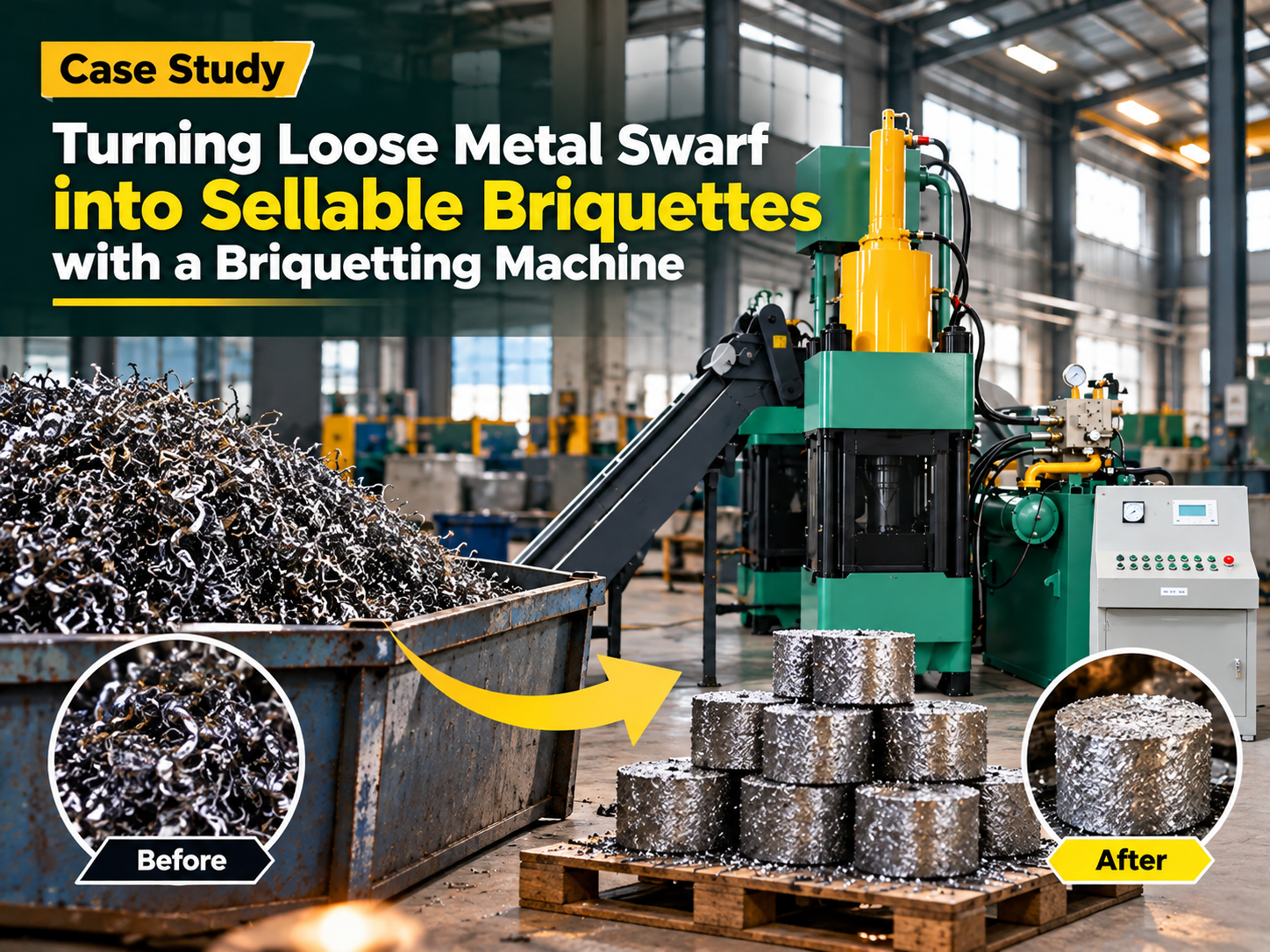
This article explores a detailed Case Study: Turning Loose Metal Swarf Into Sellable Briquettes With A Briquetting Machine. By analyzing the transition from traditional scrap handling to automated briquetting, we demonstrate how HARSLE technology allows fabricators to reclaim coolant, reduce storage footprints, and command higher prices from metal recyclers. This is not merely a waste management strategy; it is a profit-generation initiative that aligns with circular economy principles.
The process of briquetting involves compressing loose metal chips under high pressure into dense, uniform blocks. This transformation eliminates the air pockets inherent in loose swarf, significantly increasing the density of the material. As we delve into this case study, we will examine the technical, operational, and financial impacts of integrating this equipment into a standard fabrication workflow, providing a roadmap for facilities looking to optimize their scrap handling processes.
HARSLE has consistently led the way in providing robust metal fabrication equipment, and our briquetting solutions are engineered to withstand the rigors of high-volume industrial environments. Whether you are dealing with aluminum, steel, copper, or brass, the principles of volume reduction and value recovery remain the same. Let us explore how this technology turns a liability into an asset.
Key Considerations for Metal Swarf Management
Before investing in a briquetting machine, facility managers must evaluate their current scrap handling practices. The primary challenge with loose swarf is its high surface-area-to-volume ratio. This leads to rapid oxidation, contamination with cutting fluids, and significant safety hazards, such as sharp edges and fire risks from oil-soaked piles. A comprehensive assessment of your current waste stream is the first step toward optimization.
Logistics play a critical role in the decision-making process. Loose chips require frequent container changes and multiple transport trips, which are costly and carbon-intensive. By compressing swarf into briquettes, you can increase the load capacity of your transport containers by up to 80-90%. This reduction in logistics frequency directly translates to lower operational overhead and a smaller carbon footprint for your facility.
Another key consideration is the recovery of expensive cutting fluids. During the machining process, swarf is saturated with coolant. When stored loosely, this fluid drips onto the floor, creating environmental hazards and wasting costly chemical additives. A high-pressure briquetting machine acts as a filtration system, squeezing out the coolant during the compression cycle. This recovered fluid can be filtered and reused, significantly reducing your annual expenditure on lubricants and coolants.
Finally, consider the marketability of your scrap. Metal recyclers pay a premium for clean, dense briquettes compared to loose, contaminated chips. Briquettes are easier to melt in furnaces, as they have a lower surface area, which reduces oxidation loss during the smelting process. By providing a superior product to your scrap buyer, you can negotiate better pricing and long-term contracts, turning your waste stream into a reliable revenue source.
Technical Details: How the Briquetting Process Works
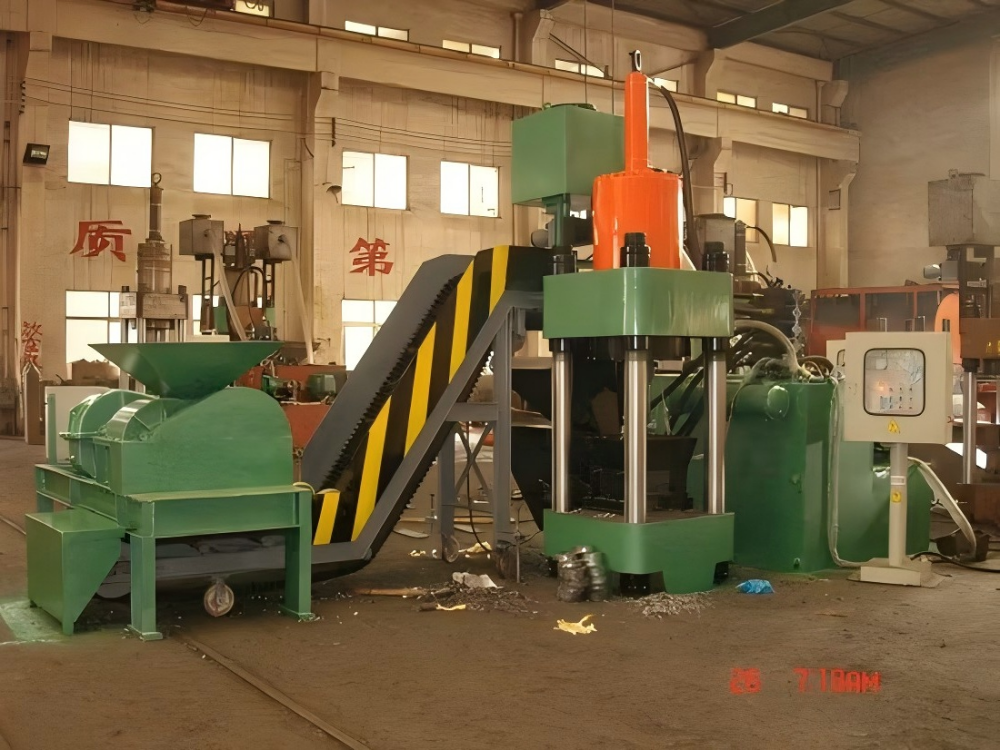
The core of the briquetting process is the application of extreme hydraulic pressure. HARSLE briquetting machines utilize a multi-stage compression cycle to ensure the structural integrity of the resulting briquette. The process begins with the feeding of loose swarf into a hopper, which is often equipped with an agitator to prevent bridging and ensure a consistent flow of material into the compression chamber.
Once the material enters the chamber, a pre-compression ram moves to consolidate the chips. This initial stage is crucial for removing the bulk of the air and excess coolant. Following pre-compression, the main hydraulic ram exerts the final, high-pressure force. This force causes the metal particles to interlock at a molecular level, creating a solid, dense briquette that can withstand handling and transport without crumbling.
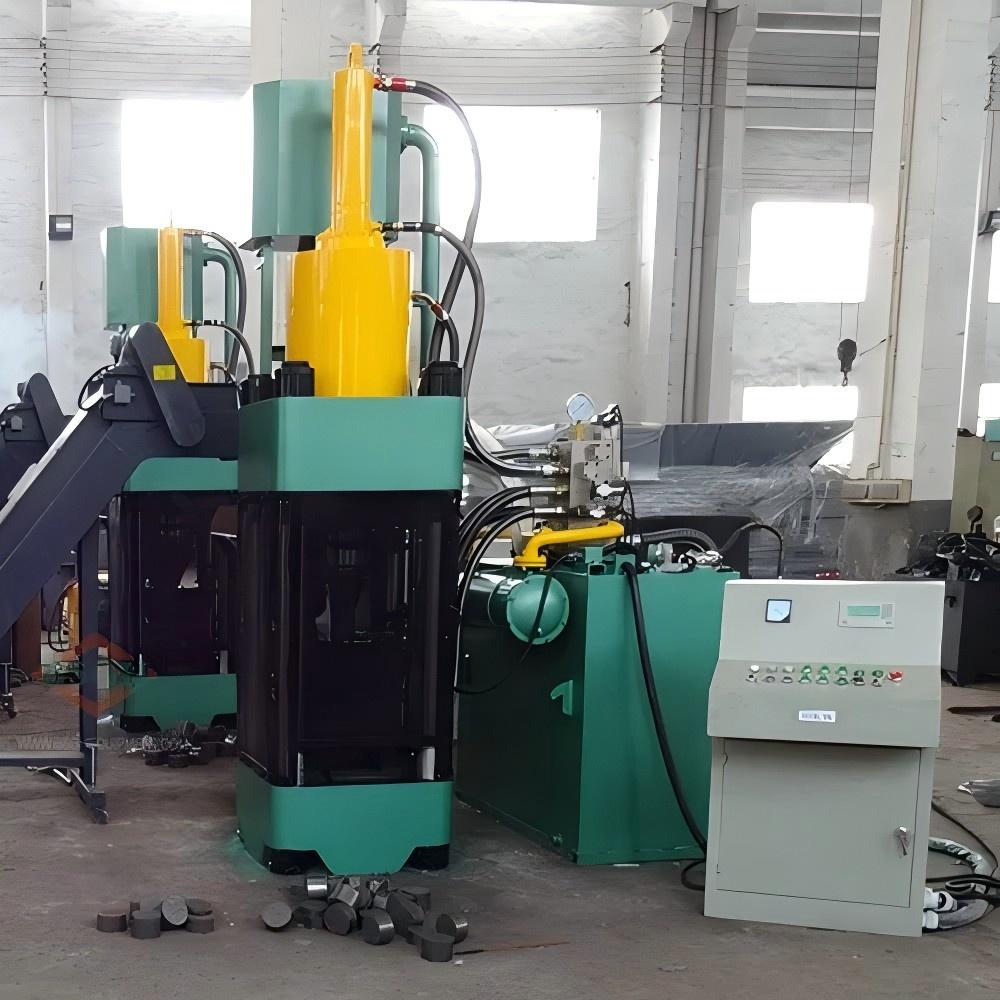
Technical specifications vary depending on the material type. For instance, aluminum chips require different compression ratios compared to steel or cast iron. HARSLE machines feature programmable logic controllers (PLCs) that allow operators to adjust pressure settings, cycle times, and feeding rates based on the specific metal being processed. This versatility is essential for shops that handle a variety of alloys throughout the production week.
The hydraulic system is the heart of the machine. HARSLE utilizes high-efficiency hydraulic pumps and robust seals to ensure consistent performance under continuous operation. The integration of advanced sensors allows the machine to monitor pressure levels in real-time, ensuring that every briquette meets the required density specifications. This level of automation minimizes the need for manual oversight, allowing your team to focus on core production tasks.
Maintenance of the briquetting machine is straightforward but critical. Regular inspection of the compression dies and rams is necessary to prevent wear and tear. Because the machine is designed for heavy-duty use, the components are modular, allowing for quick replacement of parts without significant downtime. By adhering to a scheduled maintenance program, you ensure the longevity of your investment and the consistent quality of your output.
Selection Advice: Choosing the Right Machine for Your Facility
Selecting the right briquetting machine requires a clear understanding of your production volume and material characteristics. A small-scale job shop will have vastly different requirements than a high-volume automotive parts manufacturer. Start by calculating the total weight of swarf generated per month. This data will help determine the necessary throughput capacity of the machine, measured in kilograms per hour.
Material type is another deciding factor. If your facility processes a mix of materials, ensure the machine you select is capable of handling the most difficult material in your stream. For example, steel swarf is harder and requires more pressure to briquette than aluminum. Investing in a machine with higher pressure capabilities provides the flexibility to handle a wider range of materials, future-proofing your investment.
Floor space is often a constraint in fabrication shops. HARSLE offers compact designs that can be integrated directly into existing production lines or placed in a centralized scrap processing area. Consider the footprint of the machine, as well as the space required for the hopper and the conveyor system that will transport the finished briquettes to storage bins. An efficient layout minimizes material handling and maximizes safety.
Do not overlook the importance of after-sales support and technical training. A briquetting machine is a significant piece of industrial machinery, and its success depends on proper operation. Choose a manufacturer that provides comprehensive training for your staff, detailed documentation, and responsive technical support. HARSLE prides itself on being a partner in your success, providing not just the equipment, but the expertise to ensure it delivers the expected ROI.
FAQ: Common Questions About Briquetting
What is the primary benefit of using a briquetting machine?
The primary benefit is the conversion of low-value, high-volume waste into high-value, dense briquettes. This reduces storage space, lowers transportation costs, allows for the recovery of expensive cutting fluids, and increases the resale value of your scrap metal.
Can I process different types of metal in the same machine?
Yes, most HARSLE briquetting machines are designed to handle various metals. However, it is important to clean the machine between different material runs to avoid cross-contamination, which can significantly reduce the value of your scrap.
How much coolant can I recover?
Recovery rates depend on the type of swarf and the initial saturation level. On average, our clients report recovering 80-95% of the cutting fluid that would otherwise be lost to the scrap pile, leading to substantial savings on fluid procurement.
Is the briquetting process noisy?
While the machine does generate noise during the compression cycle, HARSLE incorporates sound-dampening technology into our hydraulic systems to ensure the noise level remains within acceptable industrial standards for a factory floor.
How long does it take to see a return on investment?
ROI varies based on your scrap volume and the current market price of the metal. Many of our clients see a full return on their investment within 12 to 24 months due to the combined savings in logistics, fluid recovery, and increased scrap revenue.
Conclusion: Investing in Sustainable Profitability
The Case Study: Turning Loose Metal Swarf Into Sellable Briquettes With A Briquetting Machine highlights a fundamental shift in how modern fabricators view their waste. By moving away from the traditional model of treating swarf as a disposal problem, companies can unlock hidden value, improve their environmental compliance, and streamline their internal logistics. The integration of a HARSLE briquetting machine is a strategic move that pays dividends in both operational efficiency and bottom-line profitability.
As the manufacturing industry continues to evolve toward more sustainable practices, the ability to recycle materials effectively will become a competitive advantage. Briquetting is a proven, reliable, and highly effective method for achieving these goals. Whether you are looking to reduce your environmental impact or simply want to stop paying to haul away your own profit, a briquetting solution is the answer.
We invite you to evaluate your current scrap management processes and consider the impact that high-density briquetting could have on your facility. HARSLE is committed to providing the metal fabrication equipment necessary to keep your shop running at peak performance. Contact our team today to discuss your specific requirements and learn how we can help you turn your loose swarf into a valuable asset.
In summary, the transition to briquetting is more than just an equipment upgrade; it is a commitment to operational excellence. By choosing the right technology and implementing best practices for maintenance and material handling, you ensure that your facility remains at the forefront of the metal fabrication industry. Let HARSLE be your partner in this journey toward a more efficient and profitable future.