Case Study: Reducing Cutting Time with a High-Performance Container Shear

Introducción
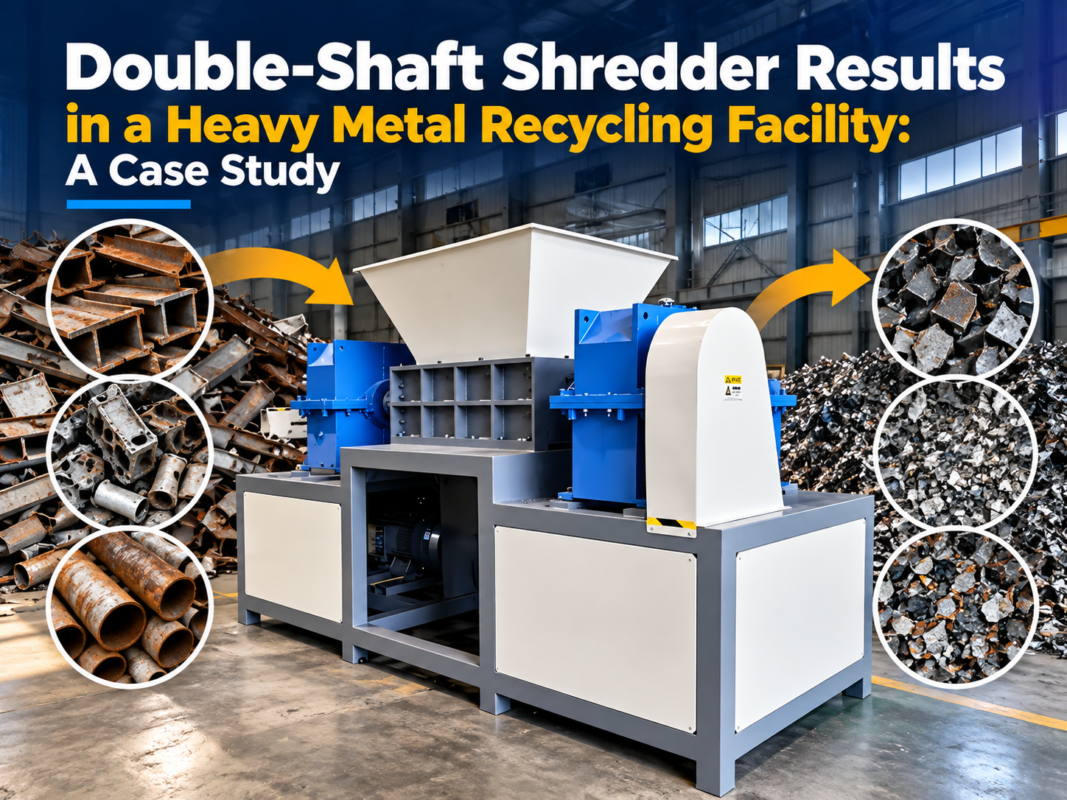
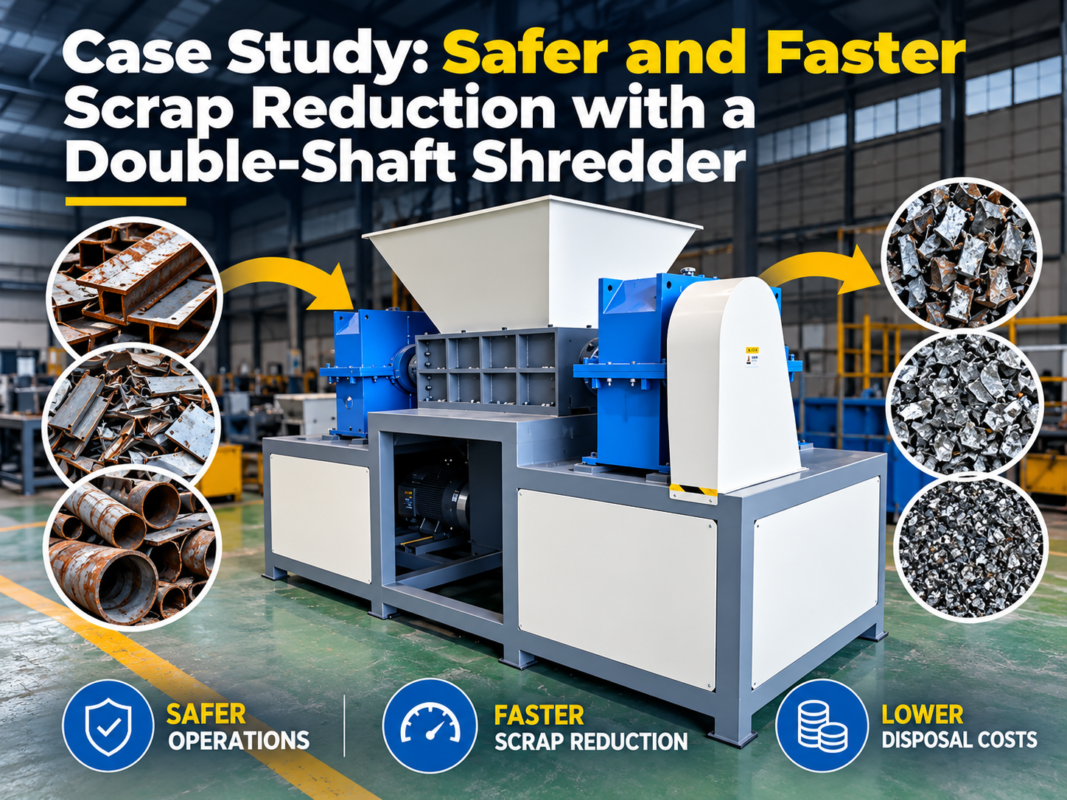
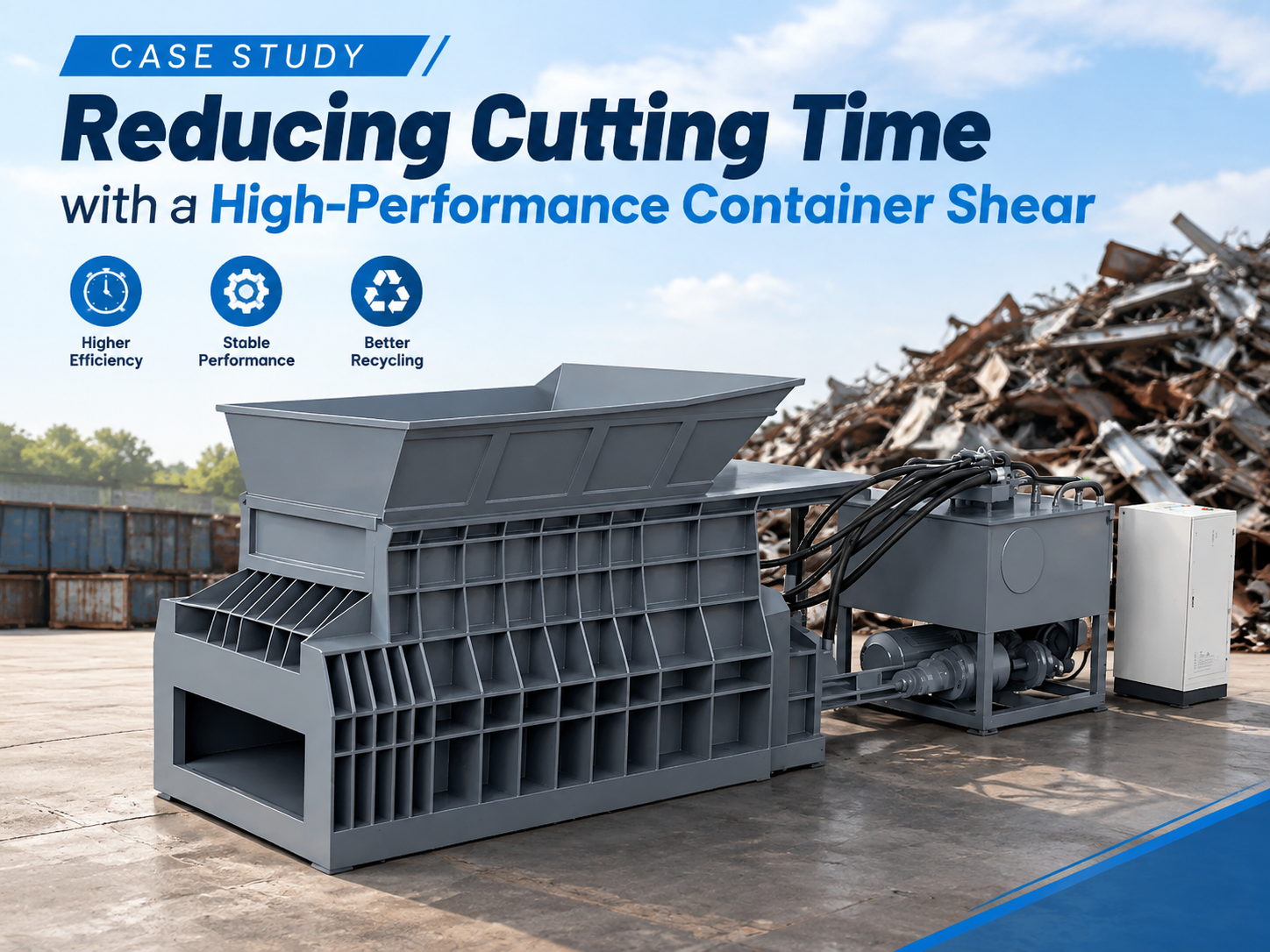
In the competitive landscape of metal recycling and heavy-duty fabrication, time is the most critical currency. For facilities processing thousands of tons of scrap metal annually, the bottleneck often lies in the primary shearing stage. HARSLE has recently partnered with a mid-sized European recycling facility to address significant inefficiencies in their production line. This article explores the transformative impact of implementing a high-performance container shear, providing a comprehensive Case Study: Reducing Cutting Time A High-Performance Container Shear.
The facility in question was struggling with outdated, low-cycle machinery that required constant maintenance and failed to meet the demands of modern scrap density requirements. By integrating a HARSLE container shear, the plant was able to streamline its workflow, reduce energy consumption, and significantly decrease the time required to process bulky steel structures. This case study serves as a blueprint for industrial operators looking to optimize their throughput.
Efficiency in metal shearing is not merely about the speed of the blade; it is about the integration of material handling, compression, and cutting cycles. When we analyze the Case Study: Reducing Cutting Time with a High-Performance Container Shear, we see that the transition from manual loading to automated container-fed shearing is the single most effective way to increase operational capacity. This article will break down the technical, operational, and financial benefits observed during this transition.
As we delve into the specifics, it is important to understand that the modern container shear is designed to handle a diverse range of materials, from light-gauge sheet metal to heavy structural beams. HARSLE’s engineering focus has been on minimizing the ‘dead time’ between cuts, ensuring that the machine remains productive for the maximum number of hours in a shift. Let us explore the key considerations that led to this successful implementation.
Key Considerations for Operational Efficiency
When evaluating the need for a new shearing solution, facility managers must first conduct a thorough audit of their current material flow. In our case study, the primary issue was not the cutting force, but the material feeding process. The facility was losing nearly 40% of its potential uptime due to manual material positioning and frequent jams caused by oversized scrap. Identifying these bottlenecks is the first step in any successful equipment upgrade.
Material density and consistency play a vital role in shear performance. A high-performance container shear is designed to compress material into a dense, uniform shape before the blade engages. This pre-compression phase is essential for reducing cutting time, as it eliminates air gaps and ensures that the shear blade is working against solid metal rather than empty space. By optimizing the compression ratio, the facility was able to achieve a 25% increase in throughput without increasing the physical size of the machine.
Another critical consideration is the integration of the shear into the existing facility layout. A container shear acts as a central hub for scrap processing. Therefore, the placement of conveyors, sorting bins, and loading zones must be meticulously planned. In this case study, HARSLE engineers worked alongside the client to design a custom feed-in system that allowed for continuous loading, effectively eliminating the downtime previously associated with clearing the feed hopper.
Maintenance accessibility is often overlooked until a breakdown occurs. High-performance shears require regular lubrication, blade adjustments, and hydraulic system checks. By choosing a design that prioritizes modular components, the facility was able to reduce scheduled maintenance downtime by 30%. This proactive approach to maintenance is a cornerstone of the HARSLE philosophy, ensuring that the machine remains a reliable asset for years to come.
Finally, the human element cannot be ignored. Training operators to utilize the automated features of the container shear is essential. In our study, the transition to a more automated interface allowed operators to focus on quality control and material sorting rather than manual machine operation. This shift not only improved safety but also boosted morale and overall productivity across the shop floor.
Technical Details of the HARSLE Container Shear
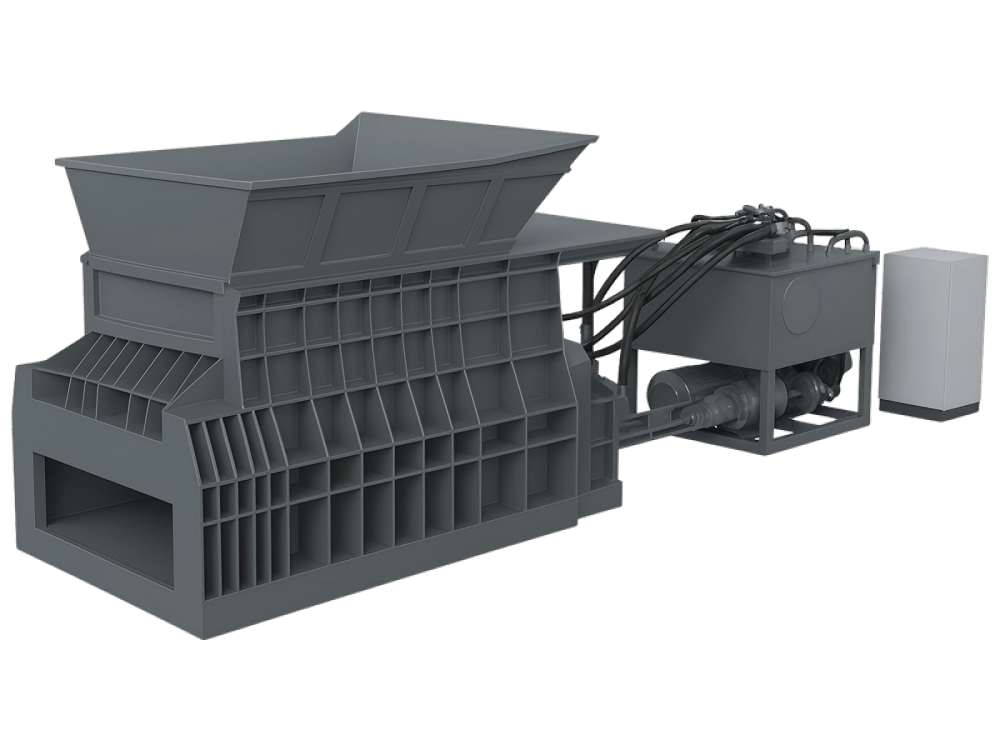
The HARSLE container shear is engineered with a focus on high-pressure hydraulic systems and robust structural integrity. At the heart of the machine is a multi-stage hydraulic pump system that provides consistent force throughout the entire cutting stroke. This ensures that even the toughest alloys are sheared with precision, preventing the ‘tearing’ effect that often occurs with lower-quality machinery. The technical specifications of this unit are designed to meet the rigorous demands of 24/7 industrial operations.
The cutting blade geometry is a critical technical feature. HARSLE utilizes high-grade, wear-resistant steel for its blades, which are designed with a specific rake angle to minimize the force required for the initial cut. This reduction in required force translates directly into lower energy consumption and less wear on the hydraulic cylinders. In the context of our Case Study: Reducing Cutting Time A High-Performance Container Shear, this blade design was instrumental in achieving faster cycle times.
Advanced PLC (Programmable Logic Controller) integration allows for real-time monitoring of the shear’s performance. The system tracks cycle counts, hydraulic pressure levels, and temperature, providing operators with immediate feedback. If a potential issue is detected, the system can automatically adjust parameters or alert maintenance staff before a failure occurs. This level of digital integration is what sets modern HARSLE equipment apart from legacy machinery.
The container itself is built from reinforced, abrasion-resistant steel plates, capable of withstanding the immense pressure exerted during the compression phase. The internal walls are lined with replaceable wear plates, ensuring that the main structure of the shear remains protected from the abrasive nature of scrap metal. This modular design allows for quick repairs, further minimizing the impact of wear and tear on the overall production schedule.
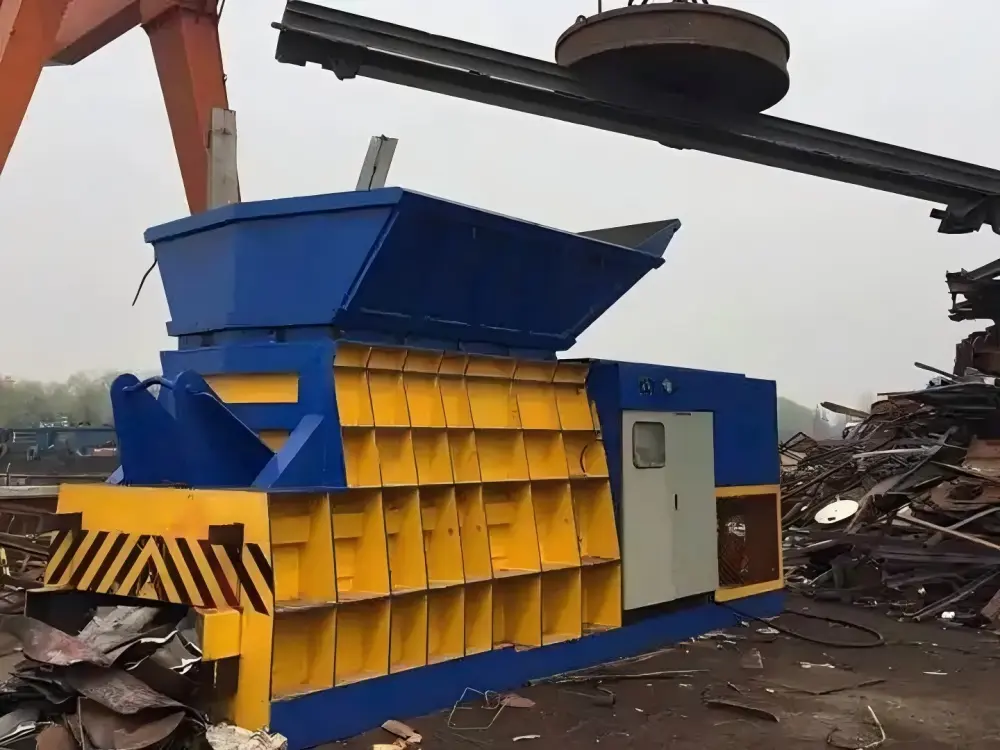
Safety features are integrated into every aspect of the machine’s design. From light curtains and emergency stop zones to automated locking mechanisms on the container lid, HARSLE ensures that the operator is protected at all times. These safety systems are not just for compliance; they are designed to prevent accidental shutdowns, ensuring that the machine remains operational and efficient throughout the workday.
Selection Advice for Metal Fabrication Equipment
Choosing the right container shear requires a deep understanding of your specific material profile. Are you processing mostly light-gauge aluminum, or are you dealing with heavy structural steel beams? The shear force required for these materials varies significantly. We recommend that buyers consult with HARSLE engineers to perform a material analysis before finalizing their purchase. This ensures that the machine is neither underpowered nor unnecessarily oversized for your needs.
Consider the total cost of ownership rather than just the initial purchase price. A cheaper machine may seem attractive, but if it requires frequent repairs and consumes excessive energy, it will cost more in the long run. Look for equipment that offers high energy efficiency, such as HARSLE’s variable-frequency drive systems, which adjust power consumption based on the load. This is a key factor in the Case Study: Reducing Cutting Time with a High-Performance Container Shear, as energy savings contributed significantly to the project’s ROI.
Evaluate the manufacturer’s support network. A high-performance shear is a complex piece of machinery that requires expert support. HARSLE provides comprehensive training, remote diagnostic capabilities, and a readily available supply of spare parts. Knowing that you have a partner who can assist with troubleshooting and maintenance is invaluable when you are trying to minimize downtime and maximize production.
Think about future-proofing your investment. As your business grows, your material volume may increase. Choosing a machine with a modular design or one that can be integrated into larger automated systems allows you to scale your operations without needing to replace your primary equipment. HARSLE’s container shears are designed with this scalability in mind, making them a long-term strategic asset for any fabrication facility.
Finally, always request a demonstration or a site visit to see the equipment in action. Seeing the machine process materials similar to your own will give you a realistic expectation of its performance. During these visits, pay attention to the noise levels, the smoothness of the hydraulic operation, and the ease with which the operator interacts with the control panel. These qualitative factors are often the best indicators of high-quality engineering.
Frequently Asked Questions (FAQ)
What is the primary benefit of a container shear over a standard alligator shear?
A container shear offers much higher throughput and the ability to process bulky, irregular scrap that would be impossible for an alligator shear to handle. The container acts as a compression chamber, ensuring the material is dense and properly positioned before the cut, which significantly reduces cutting time and increases safety.
How does HARSLE ensure the longevity of their container shears?
HARSLE uses high-grade, wear-resistant materials for all critical components, including the blades and internal liners. Additionally, our machines feature advanced hydraulic monitoring and modular designs that make maintenance straightforward and efficient, preventing premature wear.
Can a container shear be customized for specific material types?
Yes, HARSLE offers customization options for the compression force, blade geometry, and feed-in systems to ensure the machine is perfectly suited for your specific scrap profile, whether it is light sheet metal or heavy industrial beams.
What kind of maintenance is required for a high-performance shear?
Regular maintenance includes checking hydraulic fluid levels, inspecting and sharpening blades, lubricating moving parts, and monitoring the PLC for any error codes. HARSLE provides a detailed maintenance schedule and training to ensure your team can perform these tasks effectively.
How does the Case Study: Reducing Cutting Time A High-Performance Container Shear apply to my business?
The principles highlighted in the case study—such as optimizing material flow, utilizing automated compression, and proactive maintenance—are universal. By applying these strategies, any facility can reduce its cutting time and improve its overall operational efficiency, regardless of the specific scale of the operation.
Conclusión
The transition to a high-performance container shear is a significant investment, but as demonstrated in our Case Study: Reducing Cutting Time with a High-Performance Container Shear, the returns are substantial. By focusing on the integration of material handling, advanced hydraulic engineering, and proactive maintenance, HARSLE has helped our clients transform their scrap processing operations from a bottleneck into a competitive advantage.
Reducing cutting time is not just about moving faster; it is about working smarter. The HARSLE container shear provides the precision, power, and reliability needed to maintain a consistent workflow in an demanding industrial environment. We invite you to explore our range of metal fabrication equipment and discover how we can help you optimize your production line for maximum efficiency and profitability.
As the metal recycling industry continues to evolve, the demand for high-performance, automated solutions will only grow. Partnering with a manufacturer that understands both the technical challenges and the business requirements of your facility is essential. HARSLE remains committed to providing the innovative solutions that drive the future of metal fabrication. Contact our team today to discuss your specific needs and take the first step toward a more efficient, productive future.