How to Fix Uneven Briquette Density in a Briquetting Machine: A Comprehensive Industrial Guide

Introducción
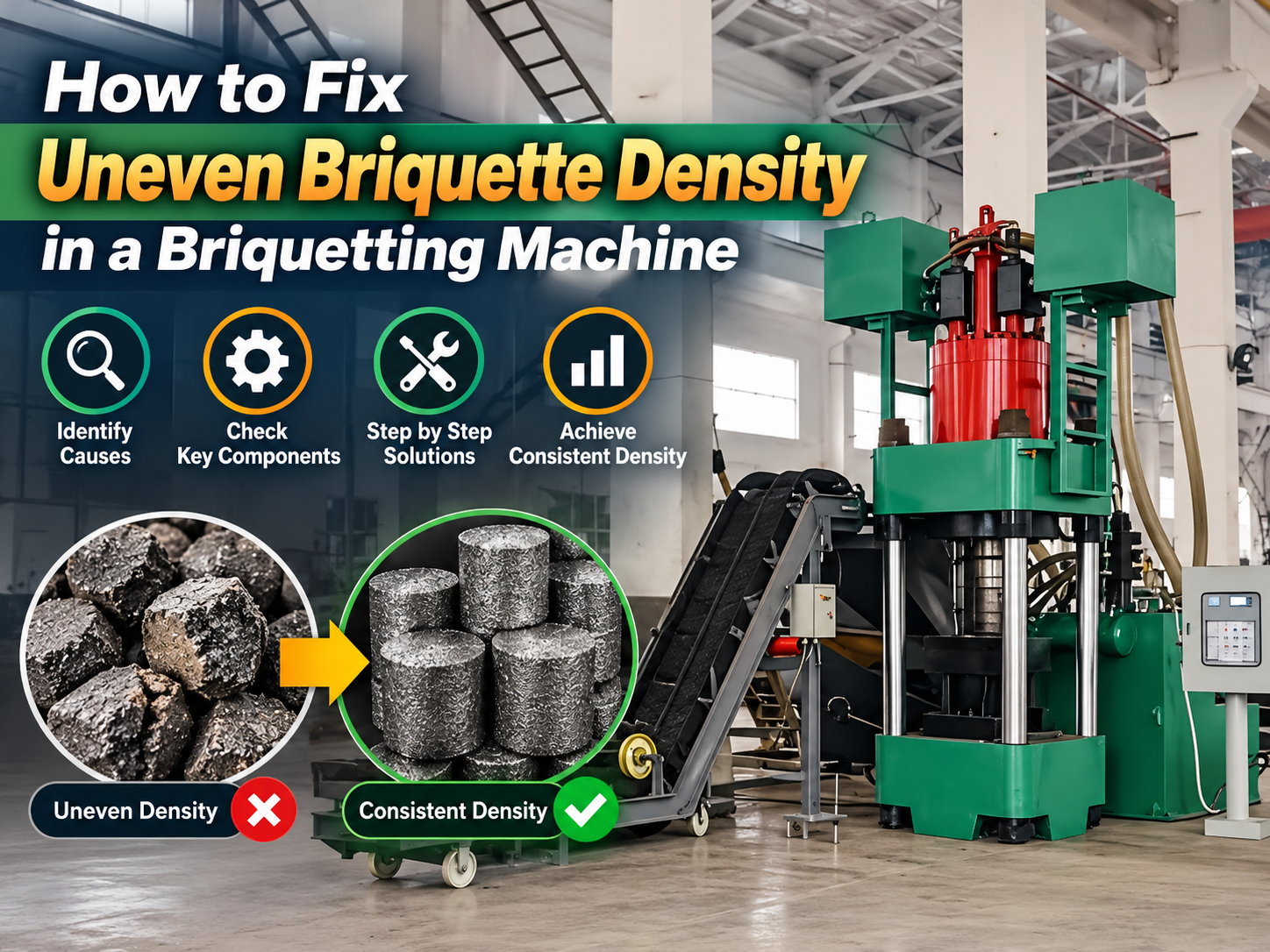
In the world of metal fabrication and industrial recycling, the efficiency of your operations often hinges on the quality of your output. For facilities utilizing a briquetting machine, the consistency of the final product—the briquette—is paramount. When you encounter the problem of inconsistent density, it doesn’t just affect the aesthetic of the briquette; it compromises the structural integrity, transportability, and melting efficiency of the metal chips or shavings. Learning how to fix uneven briquette density in a briquetting machine is a critical skill for maintenance teams and plant managers alike.
HARSLE understands that downtime is costly and that inconsistent briquettes can lead to significant material waste. Whether you are processing aluminum, copper, steel, or cast iron, the physics of compression remains consistent. Uneven density usually signals a mechanical, hydraulic, or material-feed issue that requires a systematic approach to diagnose and resolve. This guide provides a deep dive into the root causes of density variance and offers actionable steps to restore your machine to peak performance.
The goal of this article is to empower your team with the technical knowledge required to maintain high-quality production standards. By understanding the interplay between pressure, material moisture, particle size, and machine calibration, you can ensure that every briquette leaving your facility meets the required industrial specifications. Let’s explore the technical landscape of briquetting and how to troubleshoot these common density issues effectively.
Key Considerations for Briquette Quality
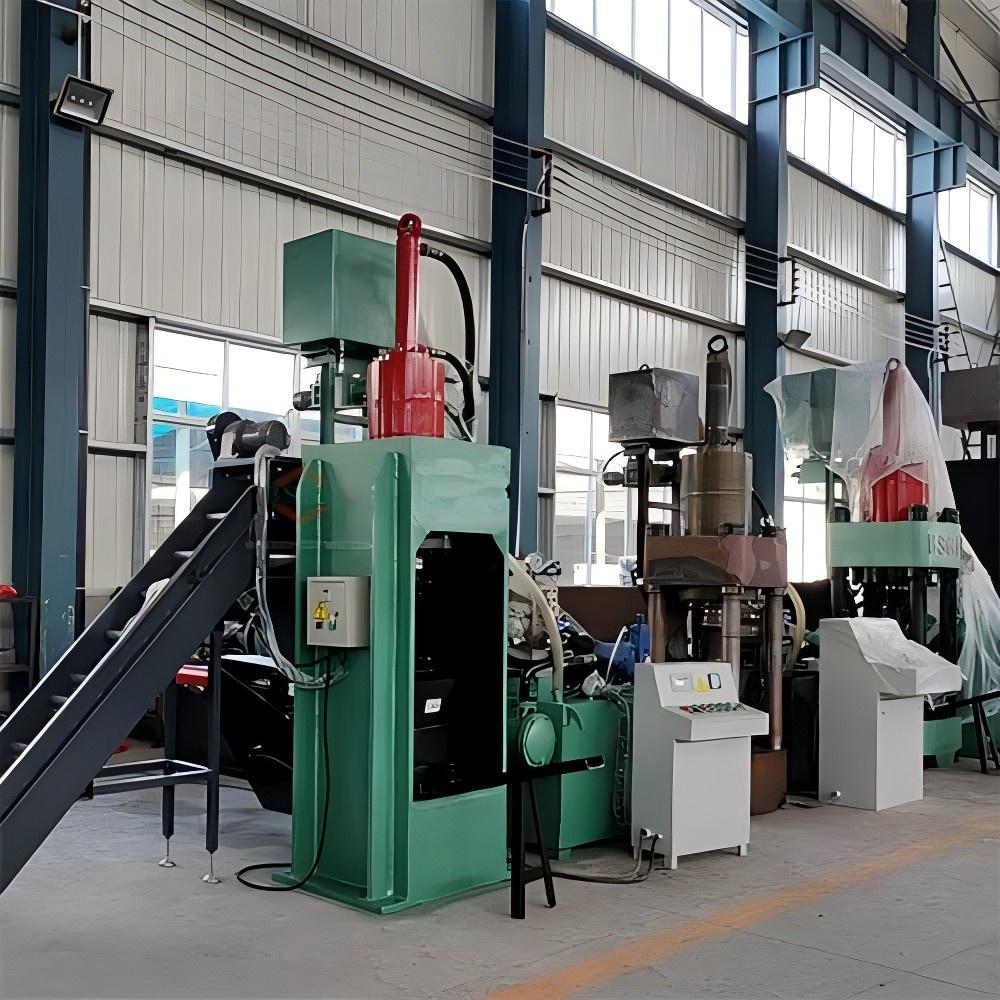
Before diving into mechanical repairs, it is essential to understand the variables that influence briquette density. The most common culprit for uneven density is often not the machine itself, but the consistency of the raw material feed. If your metal chips vary significantly in size, shape, or moisture content, the hydraulic system will struggle to apply uniform pressure across the entire volume of the material. This leads to “soft spots” or crumbling edges in the finished briquette.
Another key consideration is the pre-compression stage. Many industrial briquetting machines utilize a multi-stage compression process. If the pre-compression chamber is not filling uniformly, the main ram will encounter resistance at different points, leading to an uneven distribution of force. Ensuring that your feeding system—whether it is a screw conveyor or a vibrating hopper—is calibrated to deliver a consistent volume of material is the first step in troubleshooting.
Temperature also plays a subtle but vital role. In hydraulic systems, the viscosity of the oil changes as the machine warms up. If your briquetting machine has been running for several hours, the hydraulic pressure might fluctuate slightly compared to a cold start. Monitoring your hydraulic oil temperature and ensuring that the cooling system is functioning correctly is a fundamental aspect of maintaining consistent density throughout a full shift.
Finally, consider the wear and tear on the mold and die set. Over time, the internal surfaces of the die can become scored or worn. If the friction coefficient changes along the length of the die, the material will not compress evenly. Regular inspection of the die set for signs of galling or uneven wear is a mandatory maintenance task that directly impacts the density profile of your briquettes.
Technical Details: Troubleshooting the Hydraulic System
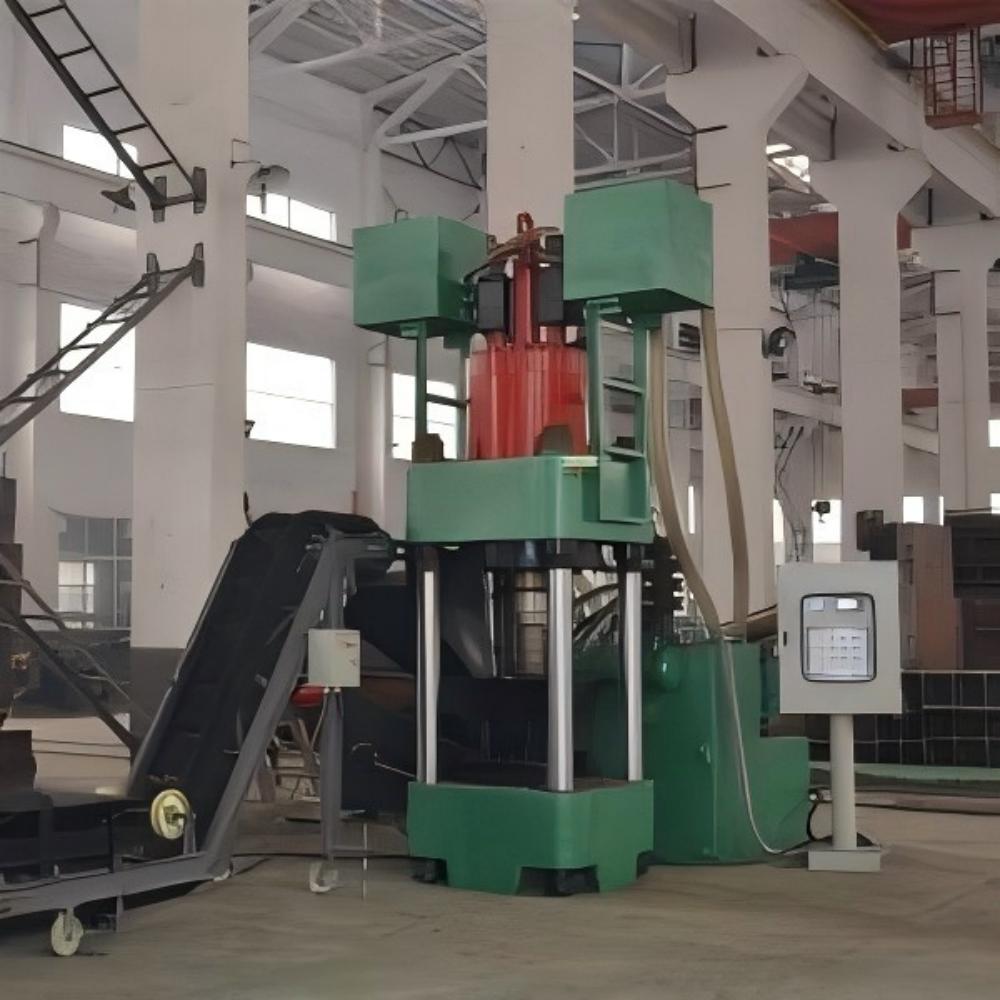
The hydraulic system is the heart of your briquetting machine. When you need to fix uneven briquette density in a briquetting machine, the hydraulic pressure circuit is the first place to look. If the pressure is spiking or dropping during the compression stroke, the density will inevitably be inconsistent. Check the pressure relief valves and the main cylinder seals for any signs of bypass or leakage that could cause pressure instability.
Air entrapment in the hydraulic lines is another common technical issue. If air is present, the fluid becomes compressible, leading to a “spongy” stroke that fails to reach the required tonnage. Bleeding the hydraulic system according to the manufacturer’s specifications is a standard procedure that can often resolve density issues immediately. Ensure that your hydraulic fluid is clean and free of contaminants, as debris can cause valves to stick, leading to erratic pressure delivery.
The electronic control system (PLC) also plays a role in managing the compression cycle. If the sensors responsible for detecting the ram position are misaligned or failing, the machine may terminate the compression stroke too early or too late. Verify that the PLC logic is correctly timing the dwell period—the time the ram holds the material under maximum pressure. A dwell time that is too short will result in a briquette that lacks the necessary density to hold its shape.
Furthermore, examine the hydraulic pump performance. If the pump is struggling to maintain flow, the ram speed will fluctuate. A consistent ram speed is necessary to ensure that the material is compacted uniformly. If you notice the machine sounds different during the compression phase, it may be an indication that the pump is cavitating or failing, which will directly translate to uneven density in your metal briquettes.
Material Preparation and Feeding Dynamics
The physical state of your metal chips is the foundation of a high-quality briquette. If your material is contaminated with excessive cutting fluids, oils, or non-metallic debris, the compression characteristics will change. High moisture content can act as a lubricant, preventing the material from interlocking properly, while dry, dusty material may not bind at all. Implementing a chip centrifuge or a drying system prior to the briquetting process can significantly improve density consistency.
Particle size distribution is equally important. If your feed contains a mix of very fine dust and large, bulky shavings, the fine particles will fill the voids between the larger pieces, but if the distribution is not uniform, you will end up with density gradients. Using a shredder or a crusher to homogenize the size of your metal chips before they enter the briquetting machine is a highly recommended practice for facilities aiming for maximum density.
The feeding mechanism itself must be synchronized with the machine’s cycle. If the hopper is bridging—where material gets stuck and falls in clumps—the density will vary from one briquette to the next. Installing a bridge-breaker or an agitator in the hopper can ensure a steady, consistent flow of material into the compression chamber. Always monitor the feed rate to ensure it matches the machine’s throughput capacity.
Finally, consider the material’s bulk density. Different metals have different compression ratios. If you are switching between aluminum and steel, you must adjust your machine settings accordingly. A setting that works perfectly for aluminum will likely result in a loose, low-density briquette when used for steel. Always keep a log of settings for each material type to ensure rapid and accurate changeovers.
Selection Advice: Choosing the Right Briquetting Machine
When selecting a briquetting machine, the primary goal should be to match the machine’s capabilities to your specific material and volume requirements. If you are constantly struggling with uneven density, it may be that your current machine is underpowered for the material you are processing. HARSLE recommends evaluating the maximum compression force (tonnage) required for your specific metal type and ensuring the machine has a safety margin above that requirement.
Look for machines that feature advanced PLC control systems with real-time pressure monitoring. These systems allow you to track the density of each briquette and make automatic adjustments to the cycle parameters. A machine that provides data logging capabilities will help you identify trends in density variance, allowing you to address issues before they become major production bottlenecks.
Consider the construction of the die and mold. High-quality, hardened steel alloys are essential for longevity and consistent performance. If your production environment is high-volume, look for machines with quick-change die systems. This allows for easier inspection and maintenance, ensuring that you can keep the compression chamber in optimal condition without excessive downtime.
Lastly, evaluate the manufacturer’s support and service network. A briquetting machine is a significant investment, and having access to expert technical support is invaluable when troubleshooting complex issues like uneven density. Choose a partner like HARSLE that provides comprehensive documentation, training, and responsive service to ensure your equipment remains a reliable asset for years to come.
FAQ: Common Questions About Briquette Density
- Why do my briquettes crumble after being ejected? This is usually a sign of insufficient dwell time or inadequate compression force. Ensure the machine is reaching full pressure and holding it long enough for the material to bond.
- Does the type of cutting fluid affect density? Yes. Excessive fluid can prevent proper friction between metal particles. Centrifuging your chips to remove excess oil is highly recommended.
- How often should I inspect the die set? Depending on your volume, a visual inspection should be done weekly, with a detailed measurement of wear patterns performed monthly.
- Can a worn hydraulic pump cause uneven density? Absolutely. A pump that cannot maintain steady pressure will lead to inconsistent compaction.
- What is the ideal particle size for briquetting? Generally, chips should be shredded to a size between 10mm and 30mm for optimal compaction.
- Why is my machine making a knocking sound during compression? This could indicate air in the system, a loose mounting, or a mechanical issue with the ram alignment. Stop the machine and inspect immediately.
Conclusión
Fixing uneven briquette density in a briquetting machine is a multi-faceted process that requires attention to both the mechanical health of the machine and the quality of the input material. By systematically checking your hydraulic system, ensuring consistent material feed, and maintaining your die sets, you can eliminate density variance and improve the overall efficiency of your metal recycling operations. Remember that consistency is the key to profitability in metal fabrication.
HARSLE is committed to providing the industrial machinery and expert guidance necessary to keep your production lines running smoothly. Whether you are troubleshooting an existing unit or looking to upgrade to a more advanced system, our team is here to help. By following the maintenance and operational best practices outlined in this guide, you can ensure that your briquetting machine delivers high-density, high-quality briquettes every single time. Invest in your maintenance processes today to secure your production quality for tomorrow.