Single-Shaft Shredder Noise Problems: How to Diagnose and Fix Them


Introduction to Single-Shaft Shredder Noise Problems
In the demanding world of metal fabrication and industrial recycling, the single-shaft shredder stands as a cornerstone of efficiency. However, even the most robust machinery can encounter operational hurdles. One of the most common and concerning issues operators face is excessive noise. Understanding single-shaft shredder noise problems: how to diagnose and fix them is not just about maintaining a quiet workspace; it is about protecting the longevity of your equipment and ensuring the safety of your personnel.
When a shredder begins to emit grinding, screeching, or rhythmic banging sounds, it is the machine’s way of signaling that something is amiss. Ignoring these auditory warnings can lead to catastrophic mechanical failure, costly downtime, and expensive repairs. As a leading manufacturer in the metal fabrication equipment sector, HARSLE emphasizes that proactive maintenance is the key to operational excellence. By learning to interpret the specific sounds your shredder makes, you can transition from reactive emergency repairs to a structured, preventative maintenance schedule.
This guide serves as a comprehensive resource for facility managers, maintenance technicians, and equipment operators. We will delve into the mechanical anatomy of single-shaft shredders, identify the root causes of noise, and provide actionable steps to resolve these issues. Whether you are dealing with a minor vibration or a major bearing failure, this guide will help you navigate the complexities of industrial shredder maintenance.
Key Considerations for Shredder Health
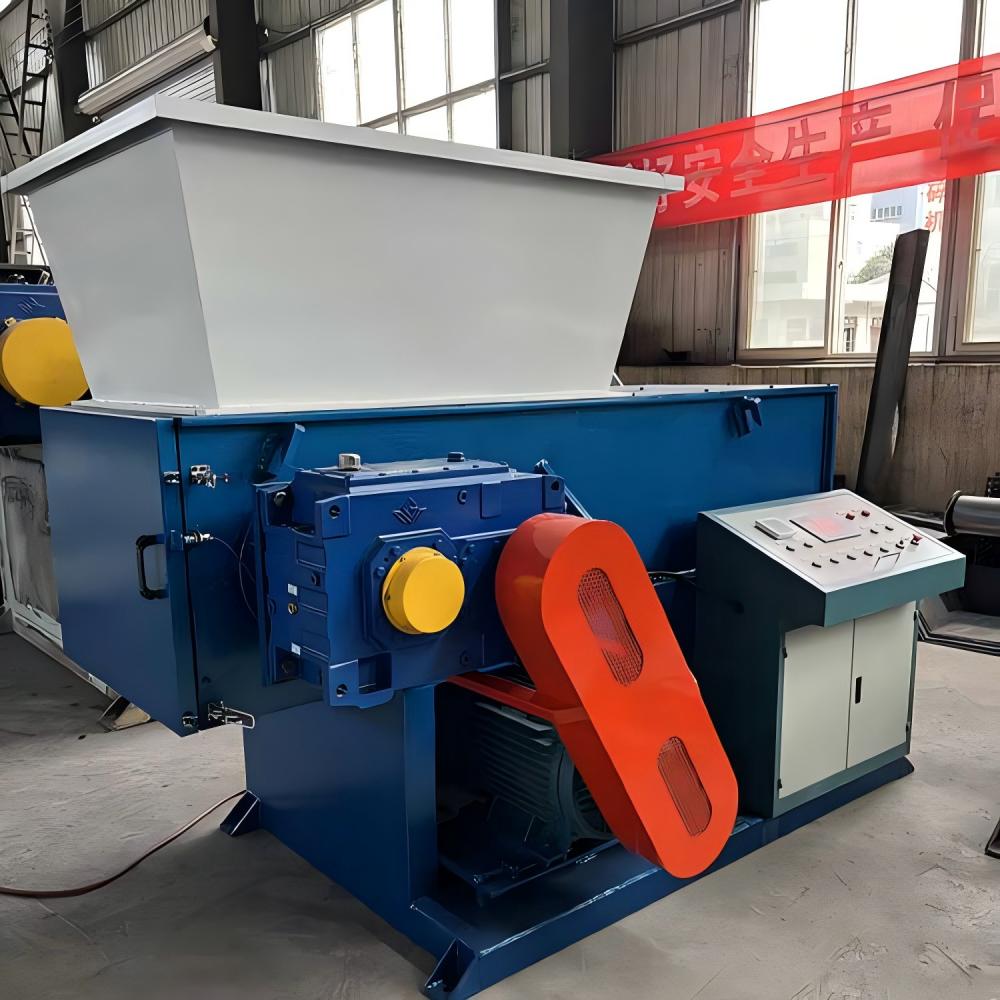
Before diving into specific troubleshooting, it is essential to understand the environment in which your shredder operates. Industrial shredders are subjected to immense physical stress. The interaction between the rotor, the counter-knife, and the material being processed creates a high-energy environment. Noise is often the first indicator that the equilibrium of this system has been disrupted.
One of the primary considerations is the material feed. If the material being shredded is too hard, too large, or improperly sorted, the shredder will struggle, resulting in increased noise levels. Operators must ensure that the feed rate is consistent and that the material composition aligns with the machine’s specifications. Overloading the hopper is a frequent cause of mechanical strain that manifests as loud, irregular banging sounds.
Lubrication is another critical factor. A single-shaft shredder relies on high-quality bearings and gearboxes to transfer power from the motor to the rotor. If these components are starved of lubrication, friction increases exponentially. This friction generates heat and noise, eventually leading to metal-on-metal contact that can destroy the internal components of the machine. Regular lubrication schedules are non-negotiable for any facility manager aiming to minimize noise and maximize machine life.
Finally, consider the structural integrity of the machine’s mounting. Industrial shredders generate significant vibrations during operation. If the machine is not properly anchored to a reinforced concrete foundation, or if the vibration dampeners have worn out, the entire frame can resonate, amplifying normal operational sounds into disruptive noise. Checking the anchor bolts and dampening pads should be part of your routine inspection checklist.
Technical Details: Diagnosing Noise Sources
To effectively address single-shaft shredder noise problems: diagnose fix them, you must be able to categorize the sounds. Different mechanical failures produce distinct acoustic signatures. By training your maintenance team to recognize these, you can pinpoint the exact location of the problem without dismantling the entire unit.
1. High-Pitched Screeching
A high-pitched screeching sound is almost always indicative of friction. This could be a belt that has lost tension and is slipping on the pulley, or it could be a bearing that has lost its grease seal and is running dry. If the sound is constant, check the drive belts first. If the sound is localized near the rotor shaft, it is likely a bearing issue that requires immediate attention.
2. Rhythmic Banging or Clunking
Rhythmic banging usually points to a mechanical clearance issue. This often occurs when the gap between the rotor knives and the counter-knife has become too wide or uneven. If a blade has chipped or loosened, it may strike the counter-knife with every rotation. This is a dangerous condition that can lead to blade breakage and damage to the rotor itself.
3. Deep Grinding or Growling
A deep, low-frequency growl often originates from the gearbox. This suggests that the internal gears are worn, misaligned, or suffering from contaminated oil. If you hear this sound, stop the machine immediately and check the gearbox oil for metal shavings. The presence of metal particles in the oil is a definitive sign of internal gear failure.
Step-by-Step Fixes for Common Noise Issues
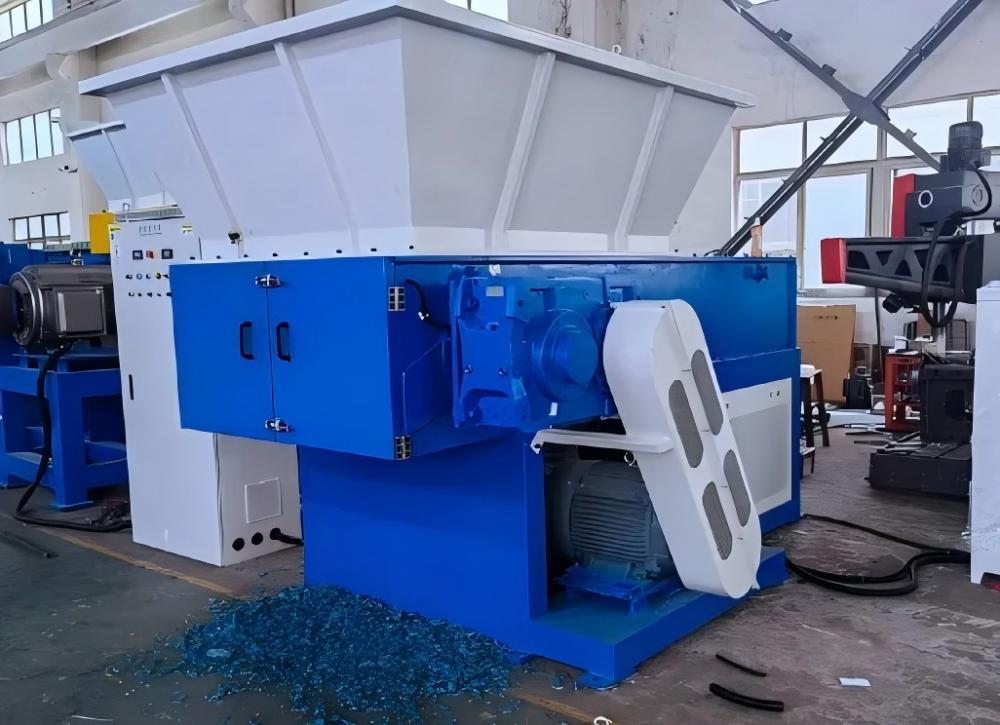
Once you have diagnosed the source, it is time to implement the fix. Always prioritize safety by following Lockout/Tagout (LOTO) procedures before performing any internal inspection or maintenance on your shredder.
- Adjusting the Knife Gap: If the noise is caused by improper clearance, consult your HARSLE manual to determine the correct gap setting. Use feeler gauges to ensure the gap is uniform across the entire length of the rotor. Tighten all bolts to the specified torque settings to prevent future loosening.
- Replacing Worn Blades: If blades are chipped or dull, they will struggle to cut, causing the motor to work harder and the machine to vibrate. Replace blades in sets to maintain rotor balance. An unbalanced rotor is a major source of vibration-induced noise.
- Belt Tensioning: If the drive belts are the culprit, inspect them for cracks or glazing. If they are in good condition, adjust the tensioner according to the manufacturer’s specifications. A belt that is too loose will slip, while one that is too tight will put excessive strain on the motor and gearbox bearings.
- Bearing Maintenance: If a bearing is the source of the noise, it must be replaced. Do not attempt to “re-grease” a bearing that is already making grinding noises; the damage is likely already done. Ensure the new bearing is properly seated and aligned to prevent premature failure.
Selection Advice: Preventing Noise Through Quality
The best way to manage noise is to invest in high-quality equipment from the start. When selecting a single-shaft shredder, consider the build quality and the engineering behind the rotor design. HARSLE shredders are engineered with precision-balanced rotors and heavy-duty gearboxes, which inherently reduce operational noise compared to lower-quality alternatives.
Look for machines that feature sound-dampening enclosures or acoustic insulation panels. While these do not fix mechanical issues, they significantly reduce the ambient noise levels in your facility, creating a safer and more comfortable working environment. Additionally, consider the control system. Modern shredders with variable frequency drives (VFDs) can optimize motor speed based on the load, preventing the machine from running at unnecessarily high RPMs, which reduces both noise and energy consumption.
Finally, evaluate the availability of spare parts and technical support. A machine that is easy to maintain is a machine that stays quiet. Choose a manufacturer that provides clear documentation, accessible service points, and a reliable supply chain for wear parts like knives and screens. This ensures that when maintenance is required, you can perform it quickly and correctly, preventing minor issues from escalating into loud, expensive failures.
Frequently Asked Questions (FAQ)
Why does my shredder make a loud banging sound when processing metal?
This is often caused by an incorrect knife gap or loose blades. When the shredder encounters hard metal, the impact force is magnified if the blades are not properly aligned or secured. Check your knife clearance and bolt torque immediately.
How often should I lubricate the shredder bearings?
Lubrication intervals depend on the intensity of use. As a general rule, follow the HARSLE maintenance schedule provided in your manual. In high-dust or high-heat environments, you may need to increase the frequency of greasing to ensure the bearings remain protected.
Can a dull blade cause the machine to overheat?
Yes. Dull blades require more force to cut through material, which increases the load on the motor and gearbox. This extra work generates heat and noise. If your machine is running hotter and louder than usual, it is time to sharpen or replace the blades.
Is it normal for a shredder to vibrate?
While some vibration is expected, excessive shaking is not. If the vibration is severe, check the rotor balance and the mounting bolts. An unbalanced rotor can cause structural damage to the machine frame over time.
Conclusión
Mastering single-shaft shredder noise problems: diagnose fix them is an essential skill for any professional in the metal fabrication industry. By paying attention to the acoustic signals your machine provides, you can identify issues early, perform targeted maintenance, and extend the operational life of your equipment. Remember that noise is rarely just a nuisance; it is a diagnostic tool that, when used correctly, can save your facility from costly downtime and major repairs.
At HARSLE, we are committed to providing not only the highest quality metal fabrication equipment but also the knowledge required to keep your operations running smoothly. Regular inspections, proper lubrication, and timely blade maintenance are the pillars of a healthy shredder. By following the guidelines outlined in this article, you can ensure that your shredder remains a reliable, efficient, and relatively quiet workhorse in your production line for years to come.