What to Do When Your Single-Shaft Shredder Clogs Frequently: A Comprehensive Maintenance Guide


Introduction
In the demanding world of metal fabrication and industrial waste management, the single-shaft shredder stands as a cornerstone of efficiency. However, even the most robust machinery can encounter operational hurdles. If you find yourself asking, “What to do when your single-shaft shredder clogs frequently?” you are not alone. Frequent clogging is a common frustration that can lead to significant downtime, reduced throughput, and increased wear on critical components. Understanding the root causes of these blockages is the first step toward restoring peak performance.
At HARSLE, we prioritize the longevity and reliability of your industrial machinery. A single-shaft shredder is designed to handle a wide variety of materials, from plastics and wood to complex metal scraps. When the system fails to process these materials smoothly, it is rarely a sign of a faulty machine, but rather an indication of an imbalance in feed rate, material composition, or maintenance schedules. This guide will walk you through the diagnostic steps and preventative measures necessary to keep your shredder running optimally.
Addressing clogging issues requires a systematic approach. By examining the interaction between the rotor, the counter-knife, and the screen, operators can identify exactly where the bottleneck occurs. Whether you are managing high-volume scrap or specialized industrial waste, maintaining a consistent flow is essential for the economic viability of your recycling or fabrication process. Let’s dive into the technical aspects of why these machines clog and how you can resolve these issues permanently.
Key Considerations for Shredder Performance
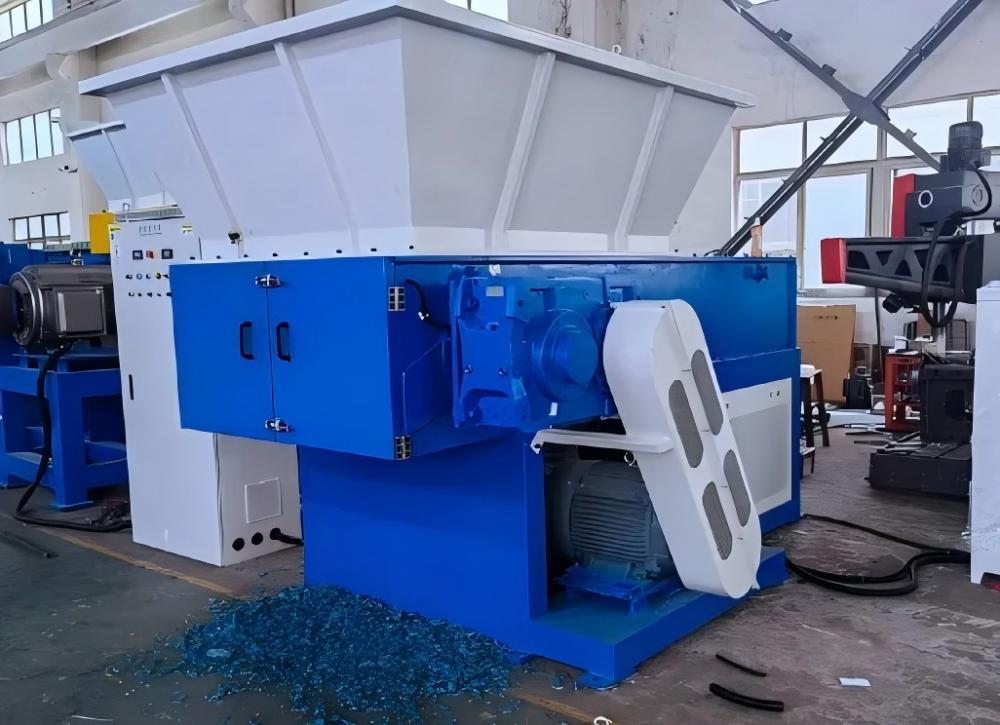
The primary reason for frequent clogging often lies in the material feed process. Overloading the hopper is the most common mistake made by operators. When the shredder is fed more material than the rotor can effectively grab and pull into the cutting chamber, the material bridges over the rotor, preventing it from engaging with the counter-knife. This bridging effect is the leading cause of “no-load” or “stalled” conditions that mimic a clog.
Material consistency is another critical factor. If your shredder is designed for specific types of metal or plastic, introducing contaminants or materials with higher-than-expected density can cause the system to struggle. For instance, if you are processing thin-gauge aluminum but suddenly introduce heavy steel components, the torque requirements change drastically. The shredder’s PLC (Programmable Logic Controller) may trigger a reverse cycle to protect the motor, which, if repeated too often, leads to a perceived clog.
Environmental factors also play a role in machine health. Dust accumulation, lack of lubrication in the drive train, or worn-out hydraulic systems can reduce the force applied to the pusher ram. If the pusher ram does not exert consistent pressure, the material will not be forced into the cutting zone with enough velocity to be shredded, leading to accumulation and eventual blockage. Regular inspection of the hydraulic pressure levels is essential for maintaining the necessary force to process dense materials.
Finally, consider the state of your screen. The screen size determines the output particle size. If the screen holes are too small for the material being processed, or if the screen is partially blinded by debris, the shredded material cannot exit the chamber fast enough. This creates a backlog within the cutting chamber, forcing the rotor to re-process material that should have already been discharged. This “over-shredding” consumes excess power and leads to heat buildup, which can cause certain materials to melt or fuse, further clogging the system.
Technical Details: Troubleshooting the Cutting Chamber
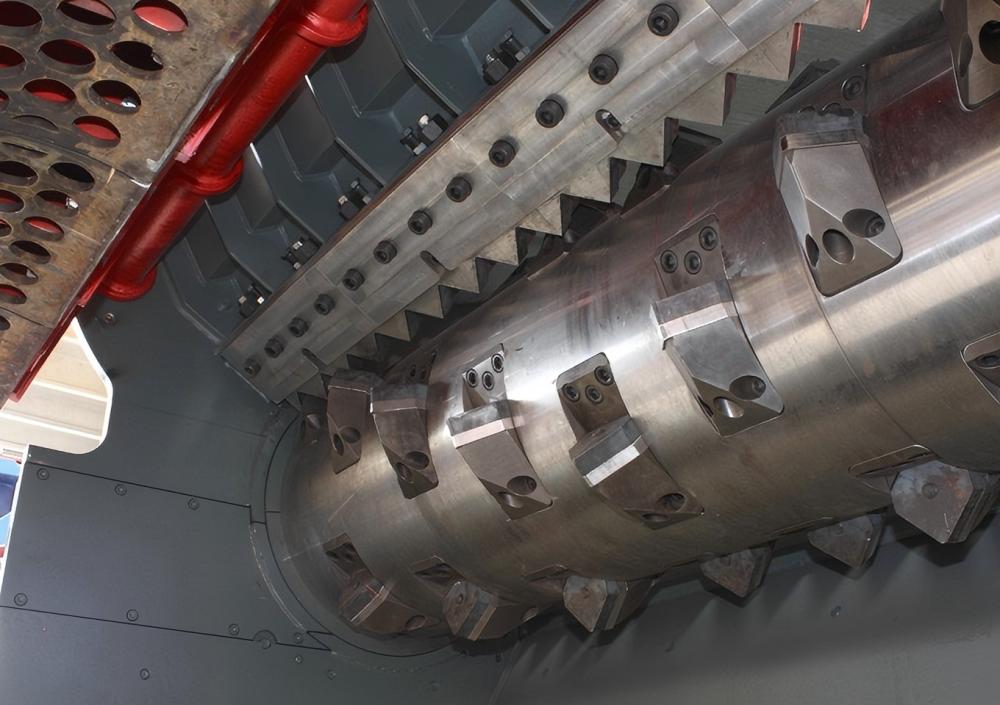
When investigating what to do when your single-shaft shredder clogs frequently, you must perform a deep dive into the cutting chamber. The relationship between the rotor knives and the counter-knife is the heart of the shredding process. If the gap between these two components is too wide, material will pass through without being cut, eventually jamming the space between the rotor and the housing. Conversely, if the gap is too narrow, the machine may experience excessive vibration and heat.
The sharpness of the blades is paramount. Dull blades do not cut; they tear and crush. This requires significantly more torque and energy, putting unnecessary strain on the motor and gearbox. When blades become dull, they tend to push material away rather than pulling it into the cutting zone. We recommend a strict schedule for blade rotation and sharpening. HARSLE shredders are designed for easy access to the cutting chamber, allowing for efficient maintenance cycles that minimize downtime.
The pusher ram system is another technical area that requires attention. The pusher ram is responsible for feeding the material into the rotor. If the limit switches or sensors associated with the pusher ram are misaligned, the ram may not retract fully or may not advance far enough. This leads to inconsistent feeding. Check the hydraulic cylinders for leaks and ensure that the guide rails are free of debris, as friction here can cause the ram to move sluggishly, leading to uneven material distribution.
Electrical and control systems should not be overlooked. Modern shredders use sophisticated sensors to detect motor load. If your machine is constantly reversing, check the load settings in the PLC. Sometimes, the sensitivity is set too high, causing the machine to reverse even when it is not truly clogged. Adjusting these parameters to match the specific material density can significantly improve throughput and reduce the frequency of “false” clogs.
Selection Advice: Choosing the Right Shredder for Your Needs
Preventing clogs starts long before the machine is installed; it begins with the selection process. When purchasing a single-shaft shredder, you must be honest about the material you intend to process. A machine designed for light plastic will inevitably clog if used for heavy-duty metal fabrication scraps. Always consult with the manufacturer regarding the specific torque, rotor speed, and screen options available for your application.
Consider the rotor design. Different rotor configurations are optimized for different materials. For example, a rotor with a high number of knives is better for fine shredding, while a rotor with fewer, more aggressive knives is better for bulky, heavy materials. Choosing the wrong rotor configuration is a common reason for frequent clogging. If you are processing a wide variety of materials, look for a versatile rotor design that offers a balance between throughput and particle size control.
The power of the motor is another critical selection factor. Underpowered motors will struggle to maintain the necessary RPM under load, leading to stalling and clogging. It is always better to have a slight surplus of power than to operate at the edge of the machine’s capacity. HARSLE offers a range of motor sizes tailored to specific industrial requirements, ensuring that your equipment has the “muscle” to handle peak loads without faltering.
Finally, evaluate the support and spare parts availability. A shredder is a high-wear machine. You will eventually need replacement blades, screens, and hydraulic components. Choosing a manufacturer that provides comprehensive support and readily available parts ensures that when a clog or wear issue arises, you can resolve it quickly. Investing in high-quality, OEM-certified parts is the best way to ensure that your machine continues to operate as intended throughout its lifecycle.
FAQ: Common Questions About Shredder Clogging
- Q: How often should I sharpen my shredder blades?
A: This depends on the material processed. For abrasive metals, check blades every 100-200 operating hours. For plastics, the interval can be longer. - Q: Why does my shredder reverse constantly?
A: This is usually a safety feature triggered by high motor load. Check for oversized material, dull blades, or a clogged screen. - Q: Can I use a smaller screen to get finer output?
A: Yes, but be aware that smaller screens increase the risk of clogging. Ensure your material is clean and free of contaminants that might block the screen holes. - Q: What is the most common cause of bridging?
A: Overloading the hopper. Ensure the material is fed at a consistent rate that matches the shredder’s processing capacity. - Q: How do I know if my hydraulic pressure is correct?
A: Refer to your HARSLE manual for the specific pressure range. If the pressure is too low, the pusher ram will not feed effectively; if too high, it may cause mechanical stress.
Fazit
Knowing what to do when your single-shaft shredder clogs frequently is essential for maintaining a productive metal fabrication or recycling facility. By focusing on proper feeding techniques, regular blade maintenance, and ensuring your machine is correctly configured for the material at hand, you can drastically reduce downtime. Remember that a shredder is a precision instrument; treating it with the care it deserves will pay dividends in the form of consistent output and a longer machine lifespan.
At HARSLE, we are committed to providing not just the machinery, but the knowledge required to operate it successfully. If you have followed these troubleshooting steps and are still experiencing persistent issues, do not hesitate to contact our technical support team. We are here to help you optimize your processes and ensure that your single-shaft shredder remains a reliable workhorse in your production line. Stay proactive with your maintenance, and keep your operations running smoothly.