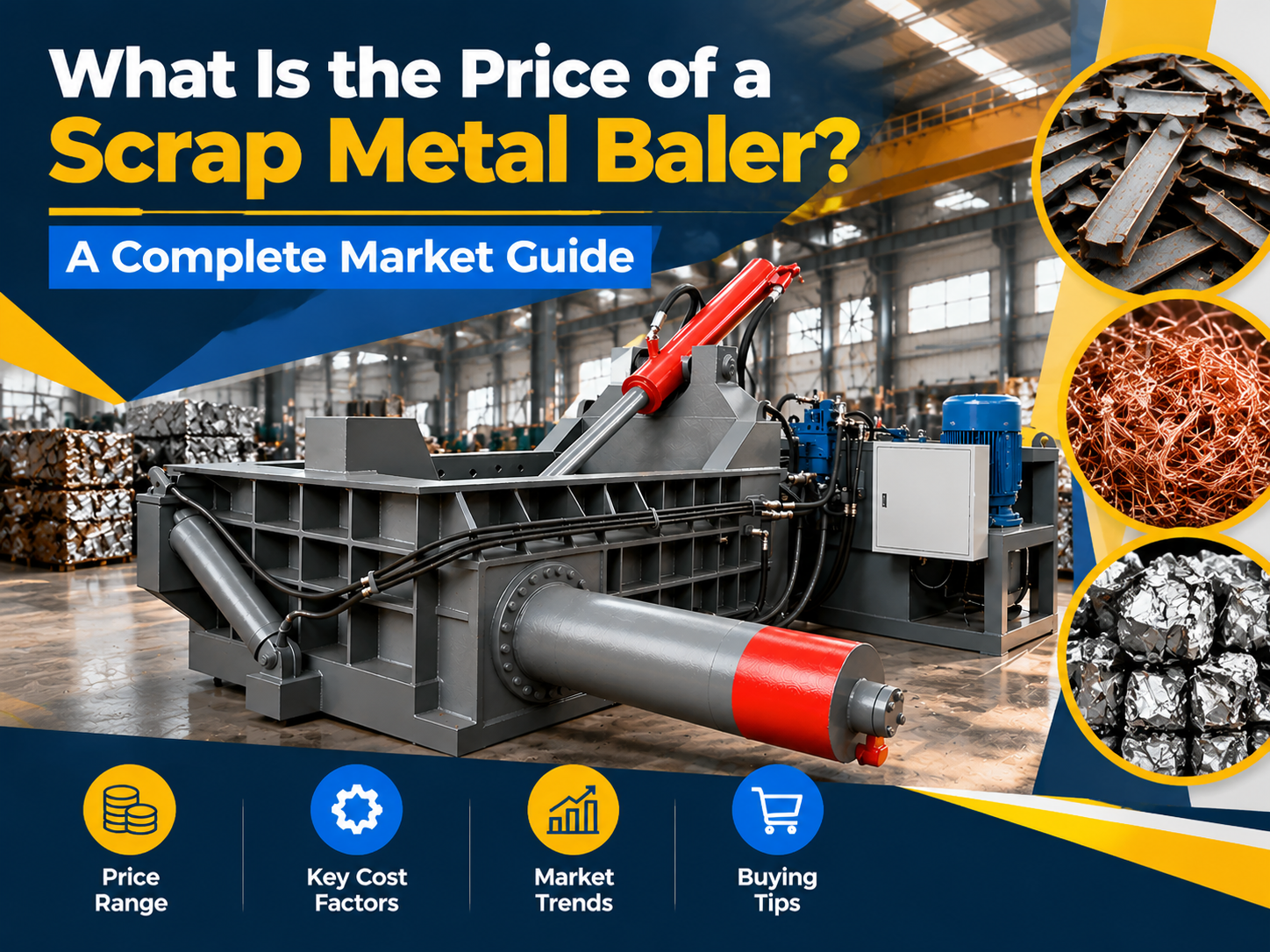
What Is the Price of a Scrap Metal Baler? A Complete Market Guide

Price Range Overview: Understanding the Investment
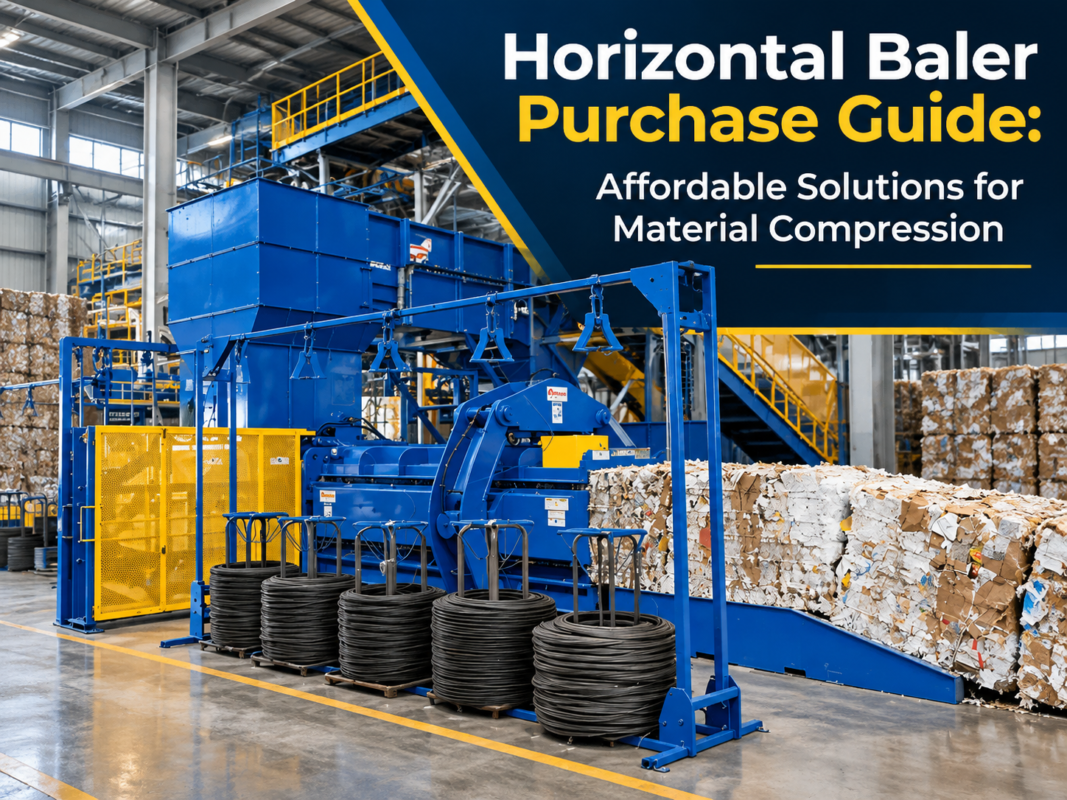
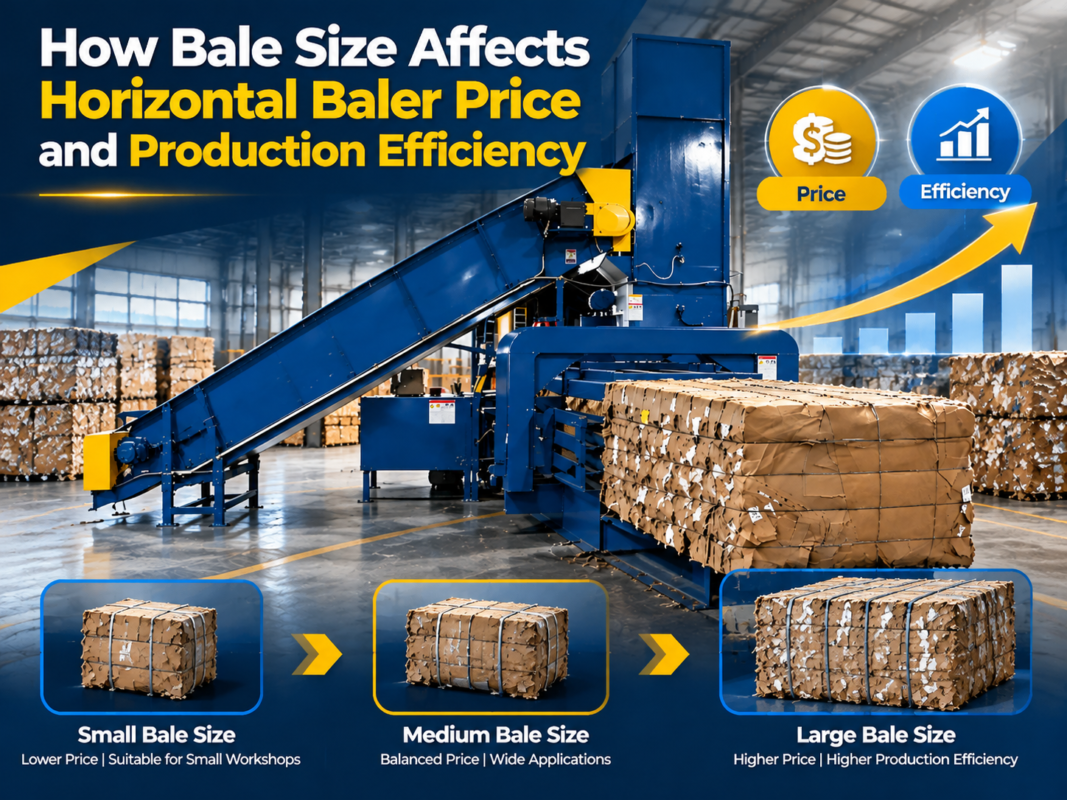
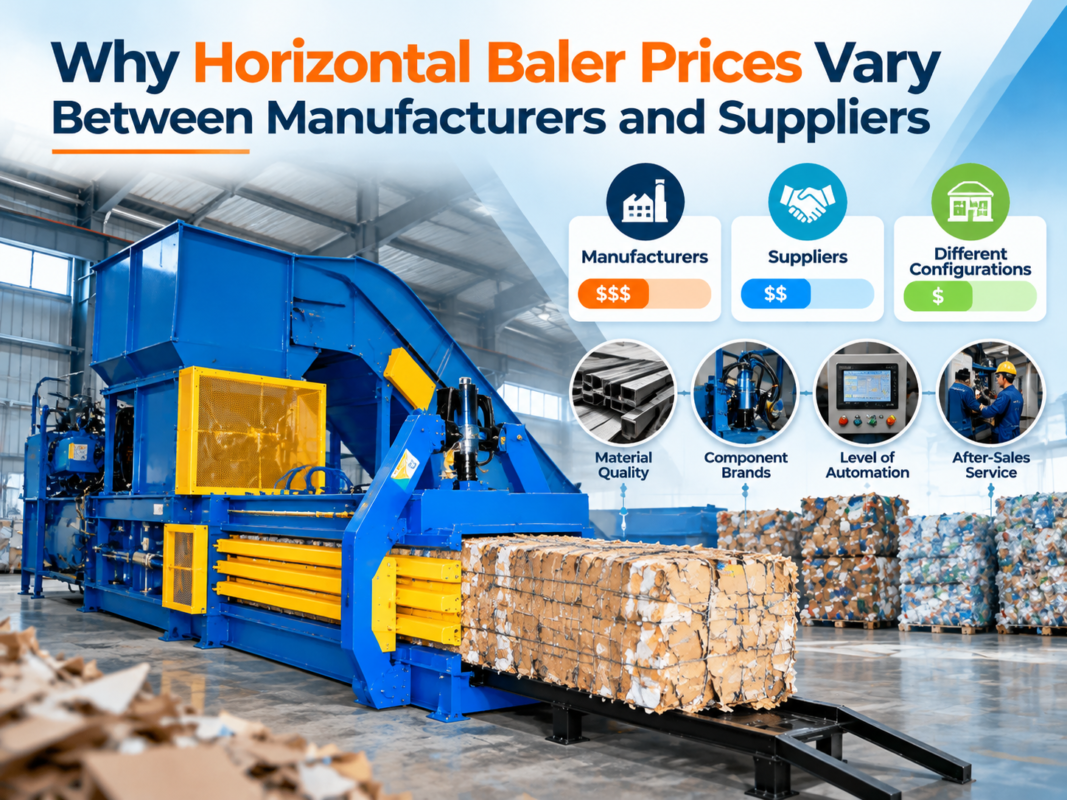
When businesses begin researching the question, “What Is The Price Of A Scrap Metal Baler? A Complete Market Guide,” they quickly realize that there is no single price tag. The market for scrap metal balers is vast, ranging from compact, manually operated units for small workshops to massive, fully automated hydraulic systems for industrial recycling centers. Generally, entry-level vertical balers can start as low as $5,000 to $10,000, while high-capacity horizontal balers can easily exceed $150,000 to $300,000 depending on the throughput requirements and automation level.
For small-scale operations, such as local metal shops or small manufacturing facilities, a semi-automatic vertical baler is often the most cost-effective solution. These machines are designed for lower volumes and occupy a smaller footprint. Prices in this segment are typically driven by the force of the ram and the build quality of the steel. Investing in a reliable brand like HARSLE ensures that even at the lower end of the price spectrum, you are receiving equipment built to withstand the rigors of metal processing.
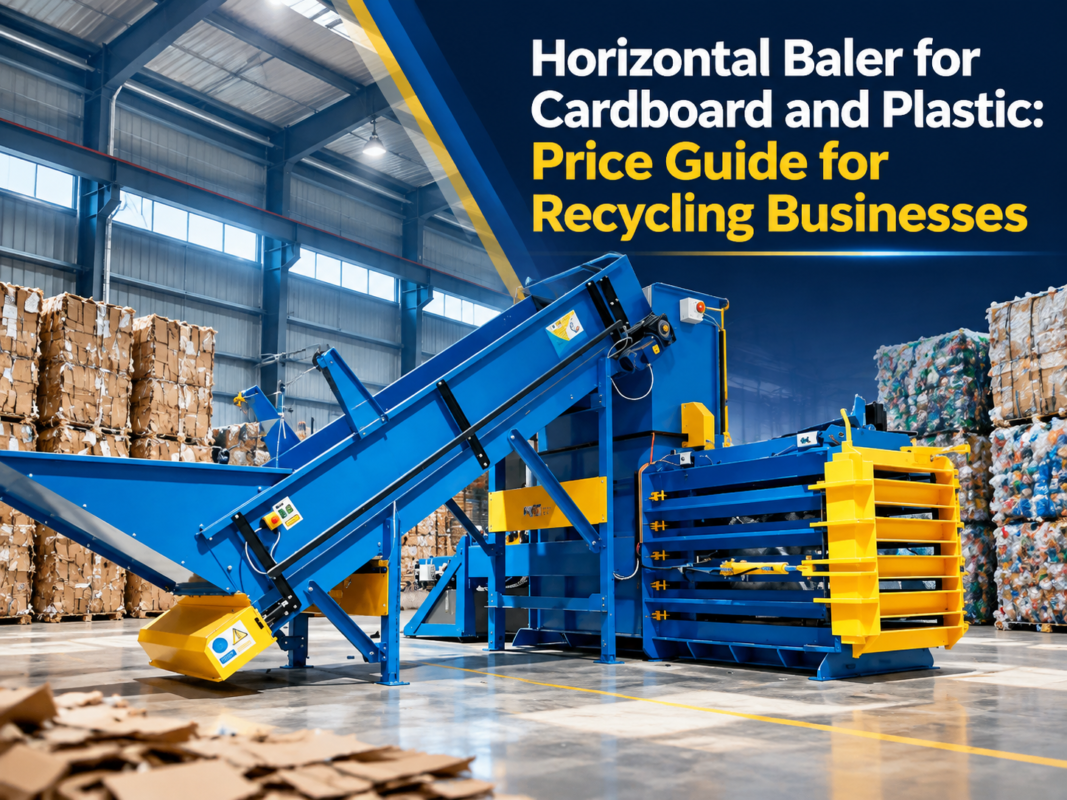
Mid-range balers, which often feature horizontal designs and conveyor belt integration, typically fall into the $40,000 to $90,000 range. These machines are the workhorses of medium-sized recycling facilities. They offer higher density bales, which are essential for optimizing transportation costs. When you ask, “Is Price Of A Scrap Metal Baler? A Complete Market” a fixed number, the answer is always relative to the volume of scrap you intend to process on a daily basis.
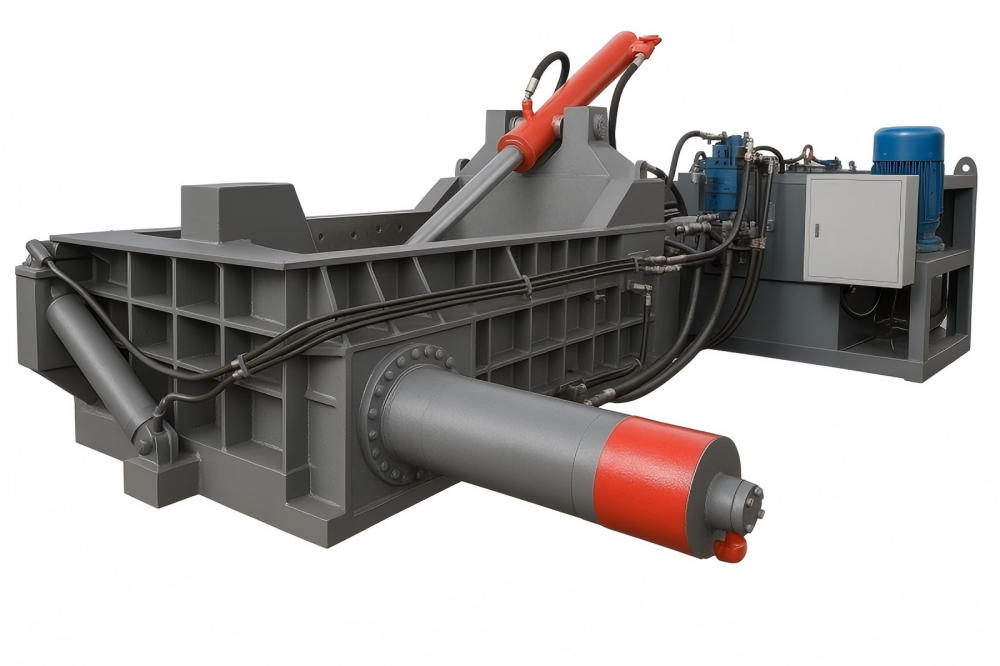
At the top end of the market, heavy-duty industrial balers are custom-engineered solutions. These systems are designed for high-volume scrap yards that process tons of material per hour. The price for these systems includes not just the baler, but also the sophisticated hydraulic power units, PLC control systems, and specialized shear blades. These investments are significant, often requiring a detailed financial analysis to justify the capital expenditure against the long-term operational savings.
Main Cost Drivers: What You Are Paying For
The primary driver behind the cost of a scrap metal baler is the hydraulic force, measured in tons. A machine that needs to compress heavy-gauge steel requires a much more robust hydraulic system, thicker steel plating, and a more powerful motor than one designed for aluminum cans or thin sheet metal. The engineering required to prevent structural fatigue under high pressure is a significant portion of the manufacturing cost.
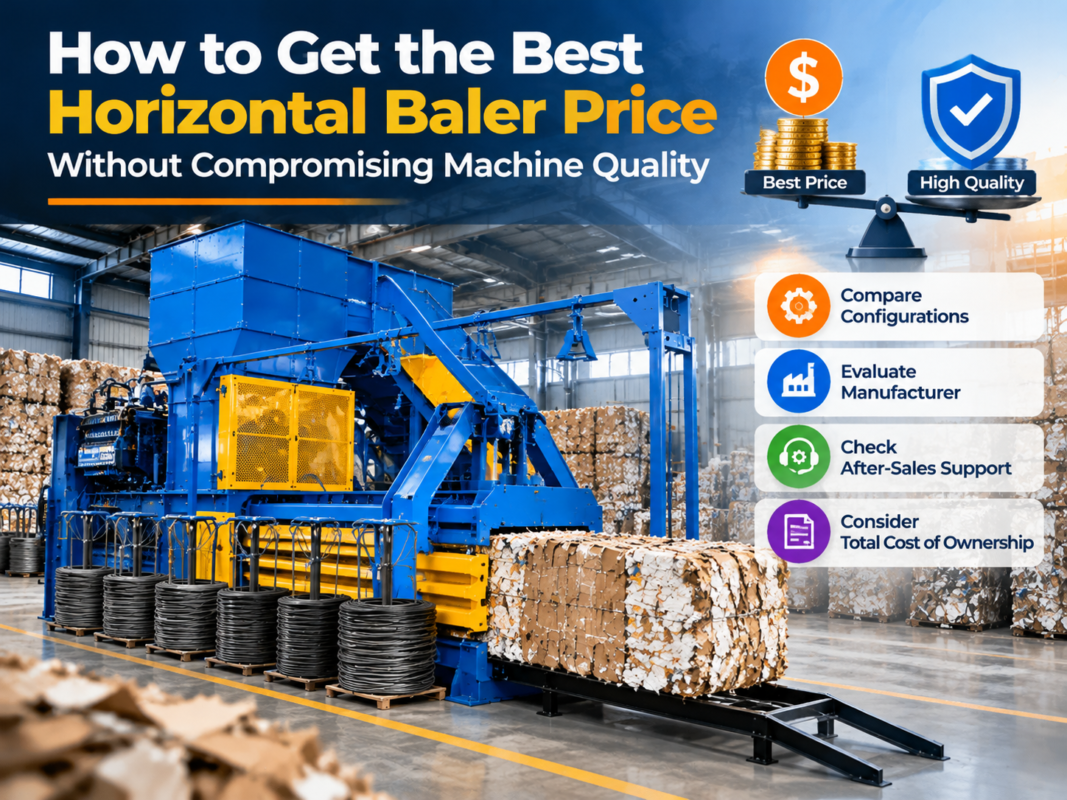
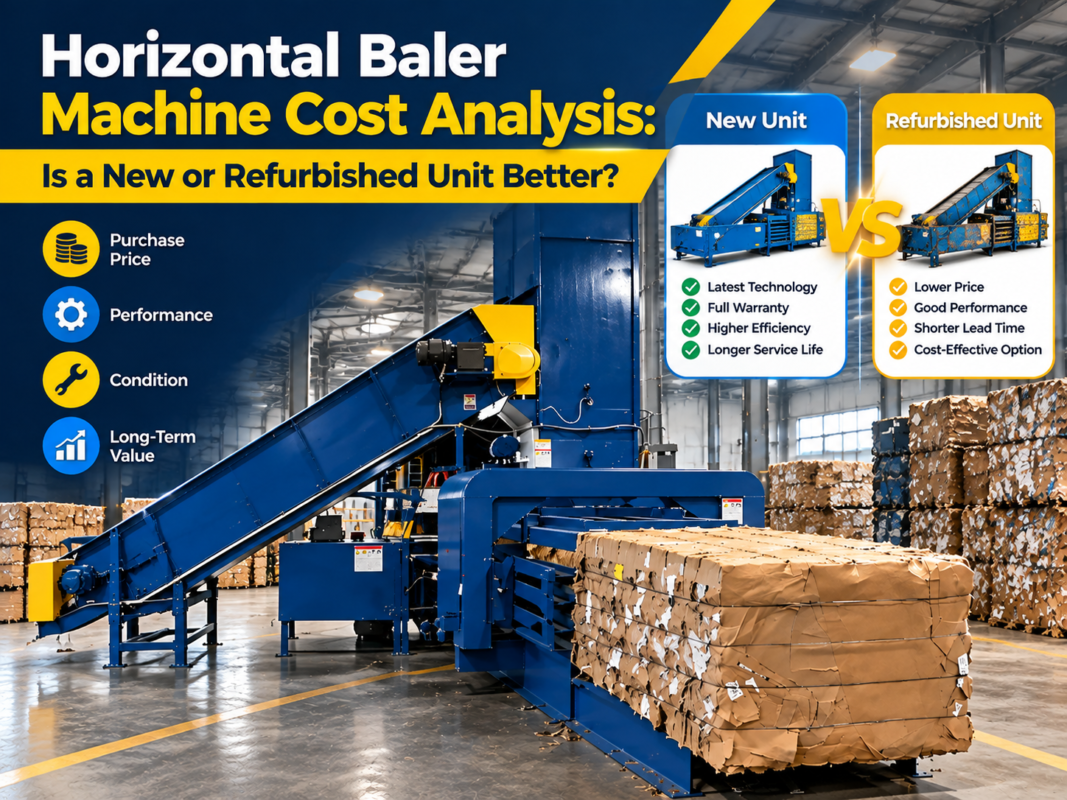
Automation level is another critical factor. A manual baler requires an operator to load, cycle, and tie off the bale, which is labor-intensive. Conversely, an automated baler with a conveyor system and automatic wire-tying mechanism significantly reduces labor costs but increases the initial purchase price. When evaluating the price, consider the total cost of ownership, which includes the labor hours saved over the machine’s lifespan.
Material quality and build standards also play a massive role. HARSLE utilizes high-grade wear-resistant steel for the chamber liners and the ram face. Cheaper alternatives might use thinner steel, which will inevitably warp or crack under the extreme pressure of metal compaction. Investing in a machine with superior metallurgy means fewer repairs and a longer service life, which ultimately lowers the cost per bale over time.
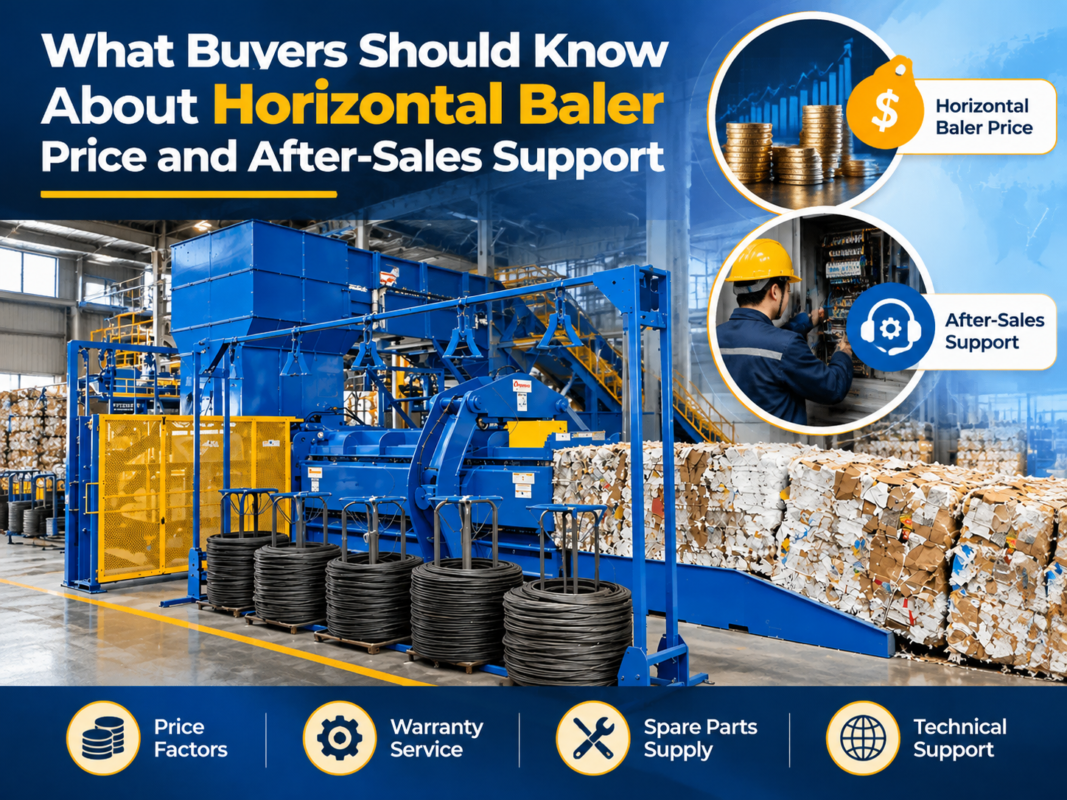
Finally, the brand reputation and support infrastructure contribute to the price. A reputable manufacturer provides not just a machine, but also technical support, readily available spare parts, and comprehensive warranties. When you purchase from an established name in metal fabrication equipment, you are paying for the peace of mind that your production line will not be halted by a lack of parts or technical expertise.
Configuration Impact: Customizing for Your Needs
Configuration is where the price can fluctuate significantly. A standard vertical baler is a “plug-and-play” solution, but most industrial applications require a custom configuration. For example, adding a feed conveyor allows for continuous loading, which increases throughput but adds to the upfront cost. Similarly, integrating a shredder before the baler can help achieve higher density, but this requires additional machinery and synchronization hardware.
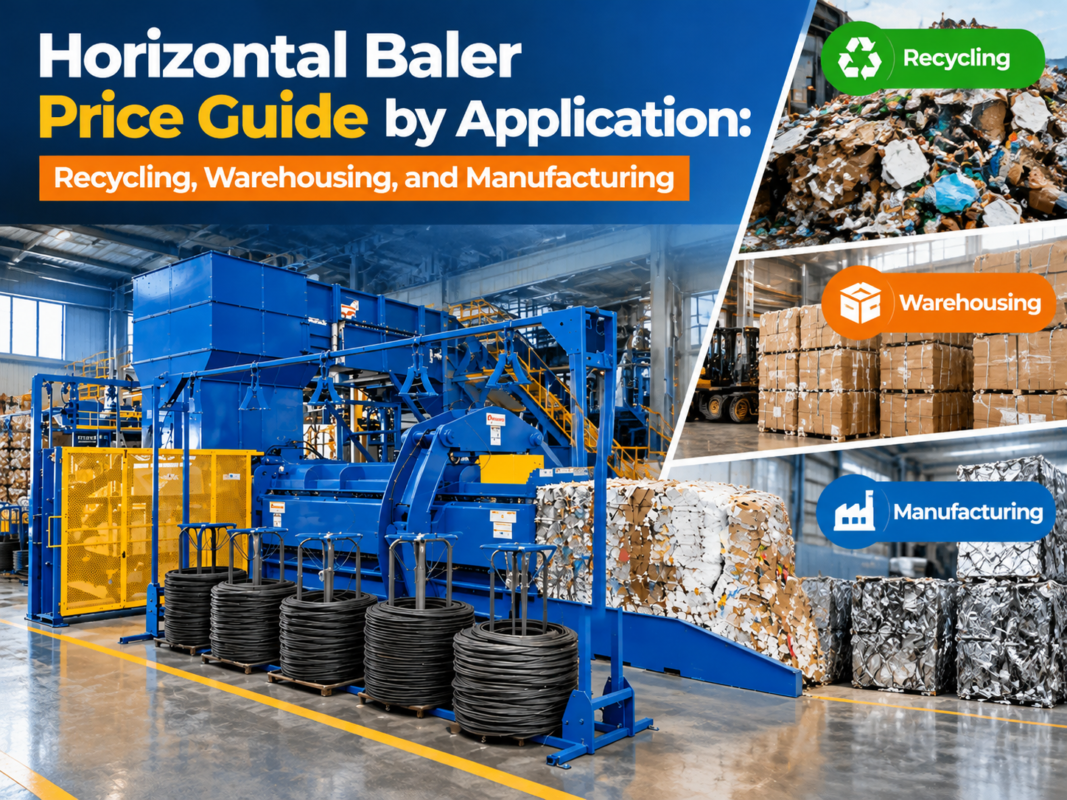
The type of metal being processed dictates the configuration. Ferrous metals, such as steel and iron, require much higher compaction forces than non-ferrous metals like aluminum or copper. If your facility processes a mix of materials, you may need a baler with adjustable pressure settings or specialized chamber designs to handle the varying densities. These adjustable features add complexity to the hydraulic and electronic systems, thereby increasing the price.
Safety features are non-negotiable in modern metal fabrication. High-end balers come equipped with light curtains, emergency stop systems, and interlocked access doors. While these features are essential for compliance with international safety standards, they also represent a portion of the total cost. Never compromise on safety to save on the initial purchase price, as the cost of a workplace accident far outweighs any savings on equipment.
Integration with existing facility workflows is another configuration consideration. Does the baler need to be integrated into an existing ERP system for tracking production data? Modern HARSLE balers can be equipped with IoT sensors that monitor hydraulic pressure, oil temperature, and cycle counts. This data-driven approach allows for predictive maintenance, preventing costly downtime and extending the life of the machine.

Hidden Costs: Beyond the Sticker Price
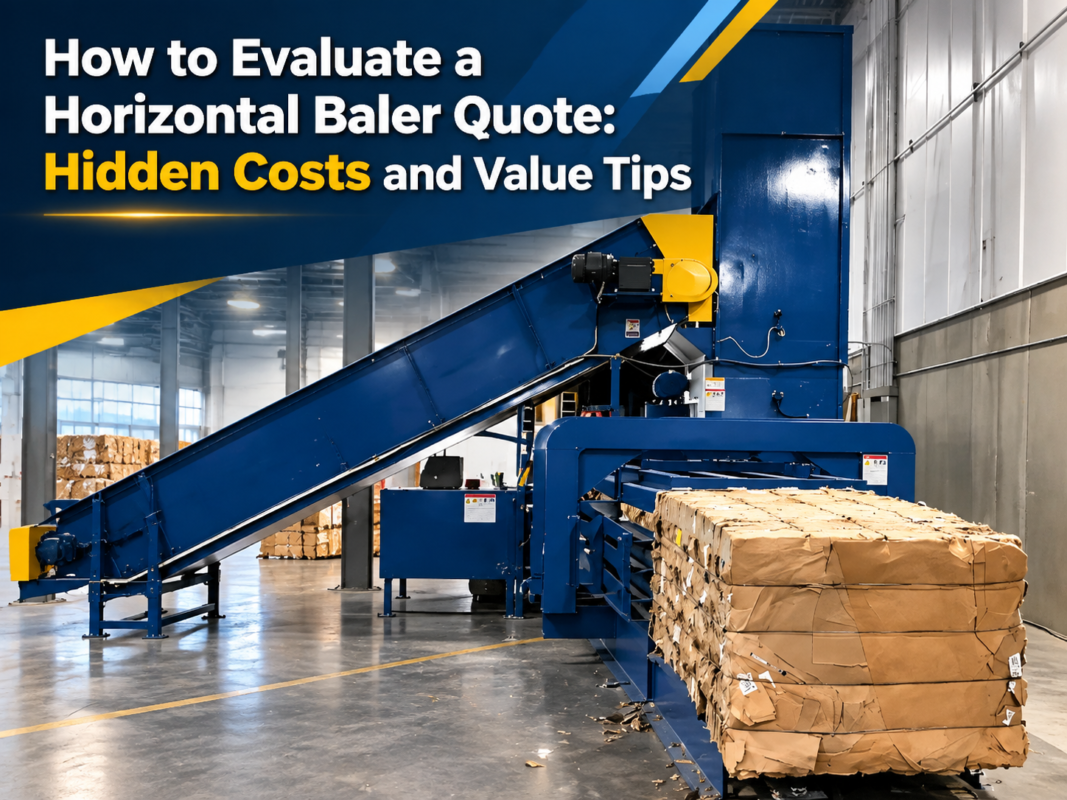
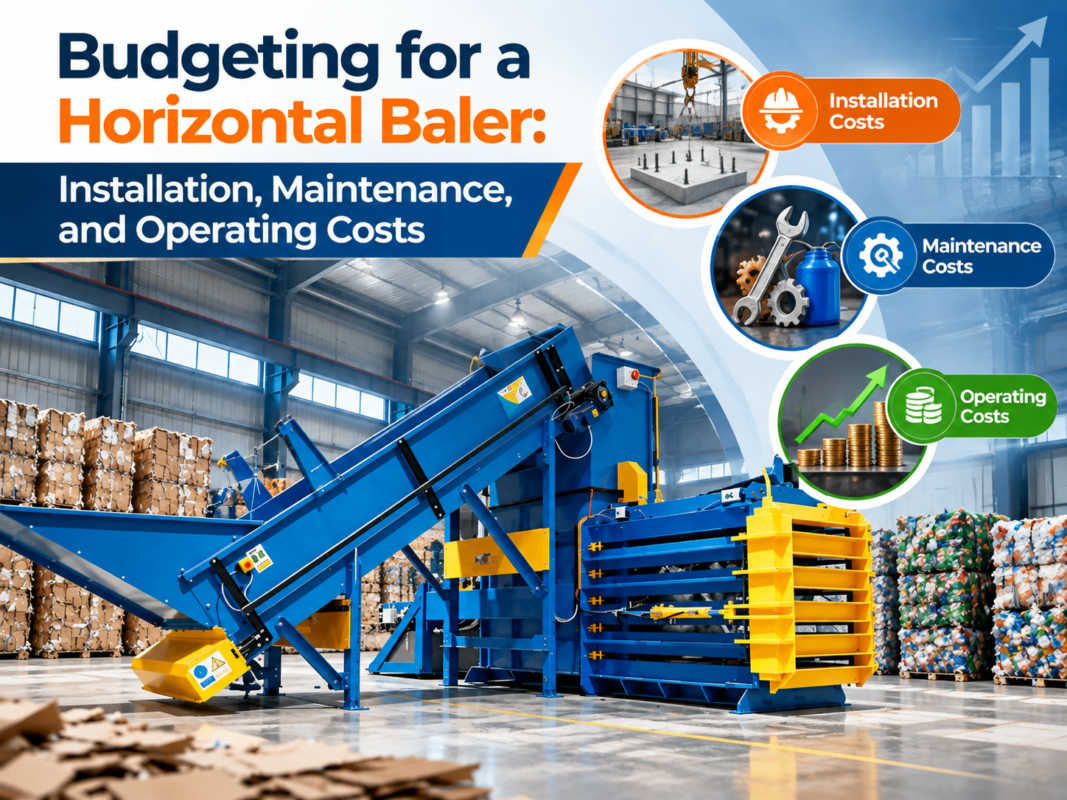
When asking, “Is Price Of A Scrap Metal Baler? A Complete Market” guide, many buyers forget to account for installation and site preparation. Heavy-duty balers require a reinforced concrete foundation to handle the weight and the vibration of the hydraulic press. If your facility floor is not rated for this load, you will need to factor in the cost of structural engineering and concrete work.
Electrical requirements are another often-overlooked expense. Industrial balers typically require high-voltage, three-phase power. If your facility does not have the necessary electrical infrastructure, you will need to hire a licensed electrician to upgrade your panels and run the appropriate cabling. This can add several thousand dollars to the total project budget.
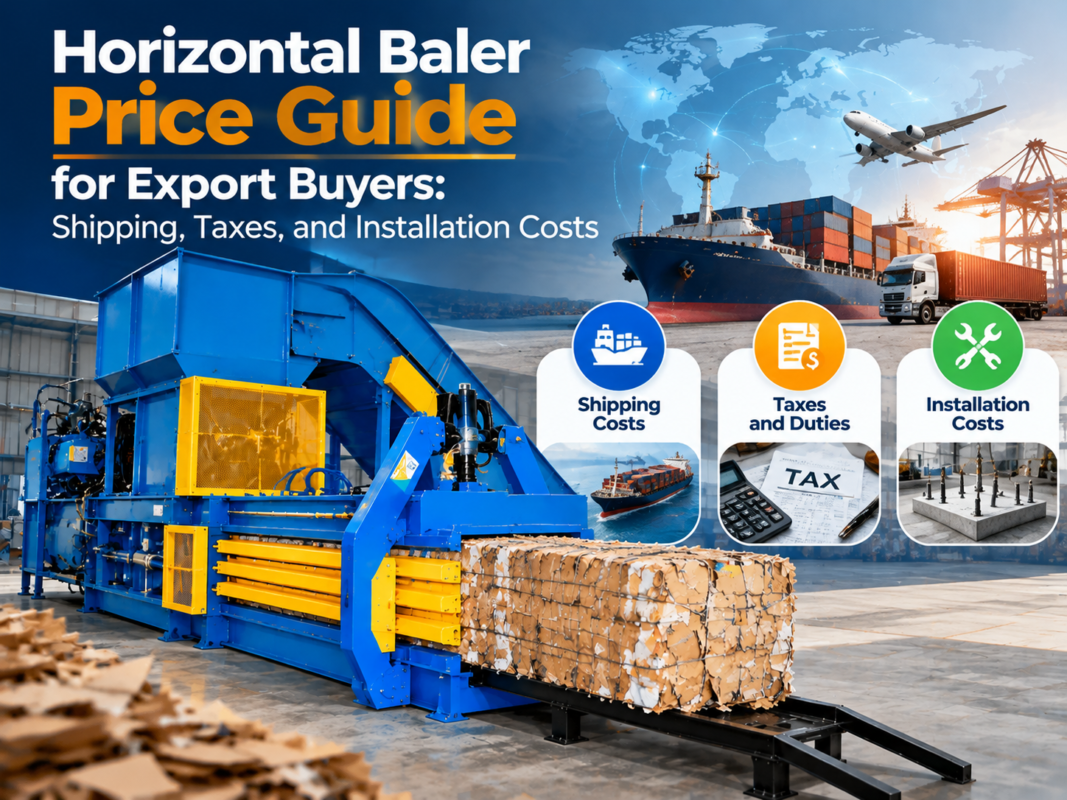
Shipping and logistics for industrial machinery are significant. Because these machines are heavy and often oversized, they require specialized flatbed transport and heavy-duty rigging equipment to move them into place. Always request a detailed shipping quote that includes unloading and positioning at your facility, as these services are rarely included in the base price of the machine.
Finally, consider the ongoing maintenance costs. Hydraulic oil, filters, wear plates, and wire for tying bales are recurring expenses. A high-quality baler will have a lower frequency of part replacement, but you must budget for these consumables. Establishing a preventive maintenance schedule is the best way to keep these hidden costs under control and ensure your machine remains profitable for years to come.
ROI Calculation: Justifying the Investment
To determine if a scrap metal baler is a sound investment, you must calculate the Return on Investment (ROI). Start by comparing the revenue generated from selling baled scrap versus loose scrap. Baled scrap is significantly more valuable because it is easier to transport, store, and melt down. Most scrap yards offer a premium price for high-density, uniform bales compared to loose piles of metal.
Next, factor in the savings on logistics. Loose scrap takes up a massive amount of volume, requiring more frequent truck trips to clear your facility. By compacting this material into dense bales, you can fit more weight onto a single truck, drastically reducing your transportation costs. In many cases, the savings on shipping alone can pay for the baler within 18 to 24 months.
Labor savings are another critical component of the ROI. If your team is currently spending hours manually sorting and moving loose scrap, a baler can automate this process. By reducing the time spent on material handling, your staff can focus on higher-value tasks, such as primary metal fabrication or quality control. This increase in operational efficiency is a hidden benefit that contributes directly to the bottom line.
Finally, consider the environmental and space-saving benefits. A clean, organized facility is safer and more productive. By removing the clutter of loose scrap, you free up valuable floor space that can be used for additional production equipment. When you combine the increased scrap value, reduced logistics costs, and improved operational efficiency, the ROI of a quality scrap metal baler becomes very compelling for any serious metal fabrication business.
Buying Advice: Making the Right Choice
Before finalizing your purchase, conduct a thorough audit of your scrap output. What is the volume of metal you produce daily? What are the dimensions and types of the metal? Knowing these figures is essential to selecting a machine that is neither underpowered nor unnecessarily expensive. A machine that is too small will become a bottleneck, while one that is too large is a waste of capital.
Always request a demonstration or visit a facility that uses the model you are considering. Seeing the machine in action allows you to evaluate its build quality, noise levels, and ease of operation. Ask the operator about their experience with the machine—they will be the first to tell you if it is reliable or prone to frequent breakdowns. HARSLE encourages potential buyers to reach out for detailed technical specifications and consultations to ensure the perfect match.
Check the warranty and support terms carefully. A long warranty period is a sign of manufacturer confidence in their product. Ensure that the supplier has a local presence or a robust remote support system. In the world of industrial machinery, the ability to get a technician on the phone or a spare part shipped overnight is worth its weight in gold.
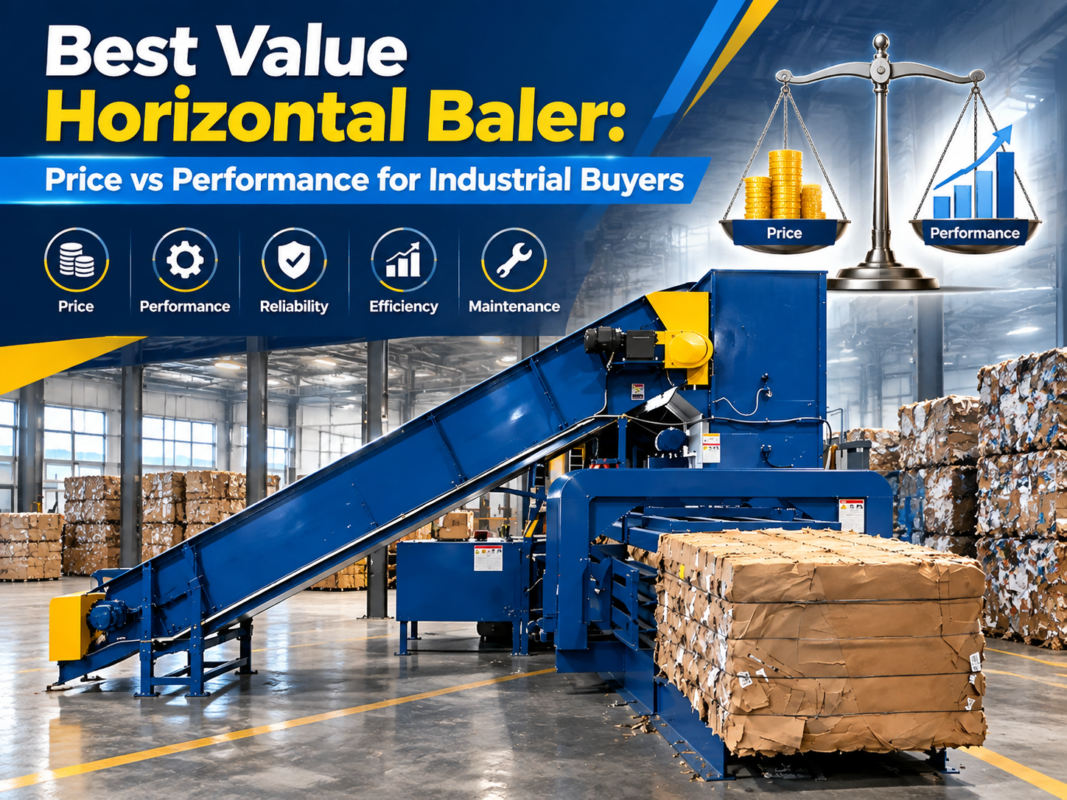
Finally, do not be swayed solely by the lowest price. In the industrial machinery market, you get what you pay for. A cheap baler may save you money today, but it will cost you in downtime, repairs, and lost productivity tomorrow. Focus on the total cost of ownership and the reputation of the manufacturer. By following these steps, you will be well-equipped to navigate the market and make an informed decision that benefits your business for years to come.
FAQ: Frequently Asked Questions
- How long does a scrap metal baler last? With proper maintenance, a high-quality industrial baler can last 15 to 20 years or more.
- Can one baler handle all types of metal? While some balers are versatile, it is often better to select a machine optimized for the specific density and type of metal you process most frequently.
- What is the most important feature to look for? Reliability and hydraulic force are the two most critical factors. Ensure the machine is built with high-quality steel and robust hydraulic components.
- Do I need special training to operate a baler? Yes, operators should be trained on safety protocols, machine operation, and basic maintenance to ensure a safe and efficient working environment.
- How often should I perform maintenance? Maintenance schedules vary by usage, but daily inspections and monthly deep-cleaning/lubrication are standard practices for industrial balers.