How One Manufacturer Improved Bale Density with a Heavy-Duty Horizontal Baler: A HARSLE Case Study

Introduction
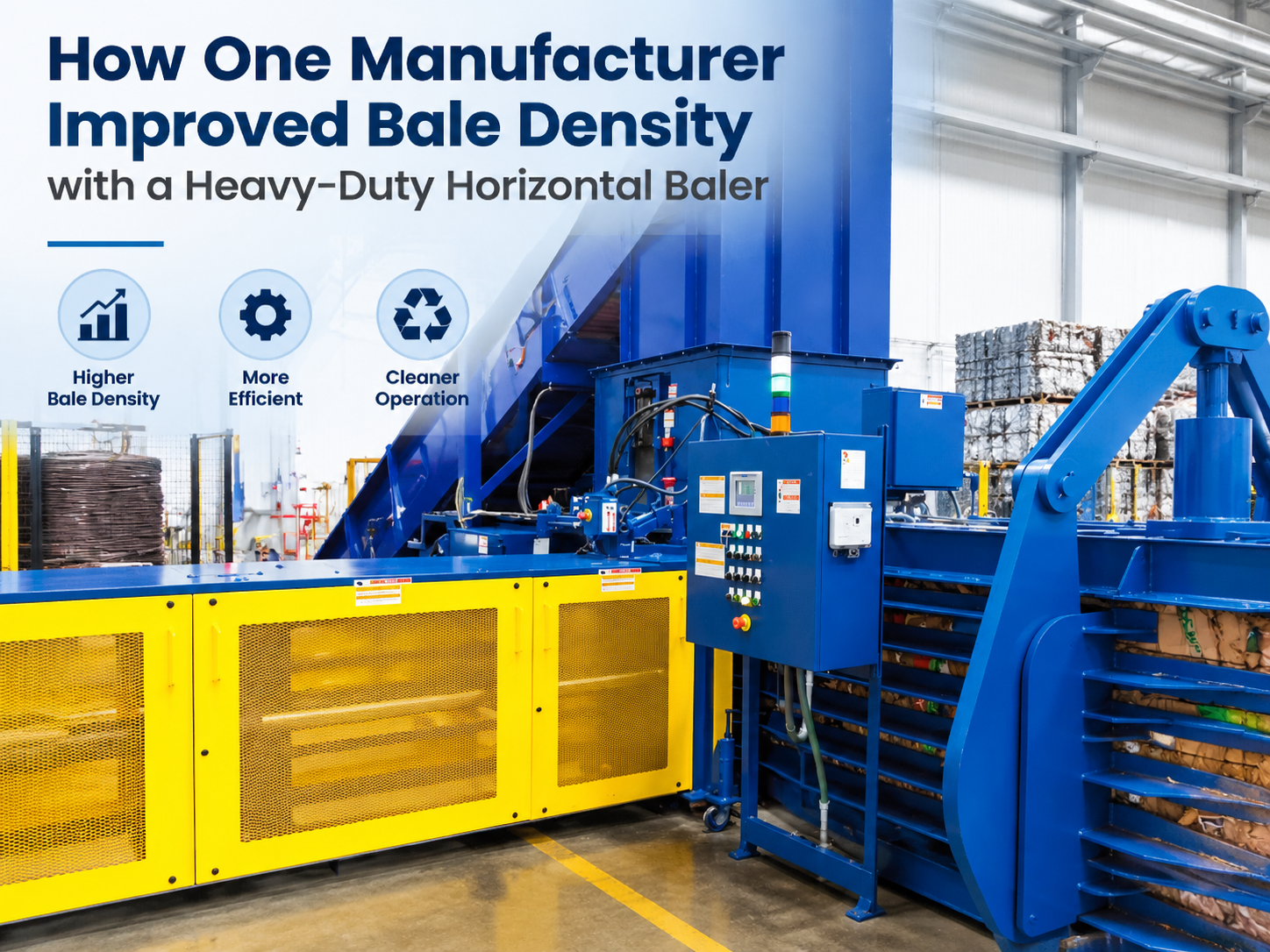
In the competitive landscape of modern metal fabrication and industrial waste management, the efficiency of material handling is often the deciding factor between profitability and operational stagnation. For many facilities, the challenge lies not just in processing scrap, but in maximizing the density of the final output. This article explores how one manufacturer improved bale density with a heavy-duty horizontal baler, providing a blueprint for companies looking to optimize their logistics and storage capabilities.
When a mid-sized metal fabrication plant faced rising transportation costs and limited warehouse space, they realized their existing vertical baling equipment was no longer sufficient. The transition to a heavy-duty horizontal baler marked a turning point in their operational strategy. By focusing on hydraulic pressure, cycle times, and structural integrity, they were able to transform their waste stream into a high-value commodity.
Understanding the mechanics behind this transition is essential for any facility manager or plant owner. This guide delves into the technical specifications, the strategic selection process, and the long-term benefits of upgrading to industrial-grade horizontal baling systems. Whether you are dealing with aluminum offcuts, steel shavings, or corrugated cardboard, the principles of high-density baling remain consistent.
As we examine this case study, we will highlight how HARSLE machinery integrates advanced engineering to solve common industry bottlenecks. By the end of this article, you will have a comprehensive understanding of how to evaluate your current baling processes and why a heavy-duty horizontal baler is often the missing link in a lean manufacturing environment.
Key Considerations for Improving Bale Density
The primary goal of any baling operation is to achieve the highest possible density while maintaining structural integrity. When one manufacturer improved bale density with a heavy-duty horizontal baler, they focused heavily on the relationship between feed rate and compression force. Achieving high density is not merely about pressing harder; it is about consistent material distribution and controlled hydraulic cycles.
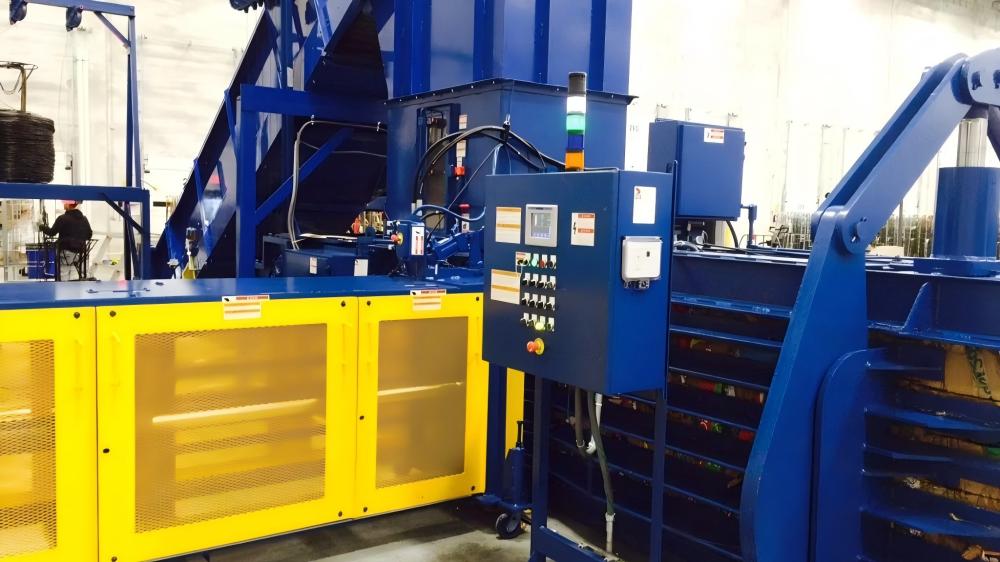
Material consistency plays a vital role in density outcomes. If the feed material is inconsistent—mixing light gauge aluminum with heavy steel plate—the baler must be capable of adjusting its compression force dynamically. A heavy-duty horizontal baler from HARSLE utilizes sophisticated sensors to detect resistance, allowing the ram to apply the necessary force to compact the material uniformly without damaging the chamber walls.
Another critical factor is the bale size and shape. Standardized bale dimensions are essential for shipping efficiency. By utilizing a horizontal baler, the manufacturer was able to produce uniform, stackable bales that maximized container space. This reduced the number of shipments required, effectively lowering their carbon footprint and logistics costs simultaneously.
Finally, the human element and operational training cannot be overlooked. Even the most advanced machinery requires skilled operators who understand how to manage the feed rate. Overloading the chamber can lead to “bridging,” where material gets stuck, causing uneven density. Proper training ensures that the baler operates at its peak efficiency, consistently producing high-density bales that meet industry standards.
Technical Details of Heavy-Duty Horizontal Balers
The technical superiority of a heavy-duty horizontal baler lies in its hydraulic power unit and structural reinforcement. Unlike vertical balers, which rely on gravity and manual loading, horizontal systems are designed for continuous, high-volume throughput. The HARSLE series, for instance, incorporates high-pressure hydraulic pumps that deliver consistent force throughout the entire stroke of the ram.
The compression chamber is the heart of the machine. In heavy-duty models, these chambers are lined with wear-resistant steel plates, such as Hardox, to prevent abrasion from sharp metal scraps. This durability is crucial for maintaining the tight tolerances required for high-density baling. If the chamber walls flex under pressure, the bale density will inevitably suffer, leading to loose, unstable bales that are difficult to transport.
Automation features, such as automatic tying systems, are another technical advancement that significantly impacts density. By applying the ties while the material is still under maximum compression, the baler ensures that the bale does not expand once the ram retracts. This “locked-in” density is a hallmark of professional-grade horizontal balers and is essential for maximizing the weight-to-volume ratio of the final product.
Furthermore, the integration of PLC (Programmable Logic Controller) systems allows for precise control over the baling cycle. Operators can program specific settings for different types of materials, ensuring that the machine is always optimized for the specific scrap being processed. This level of customization is what allowed the manufacturer to improve their bale density so significantly, as they could fine-tune the pressure settings for each material batch.
Selection Advice: Choosing the Right Equipment
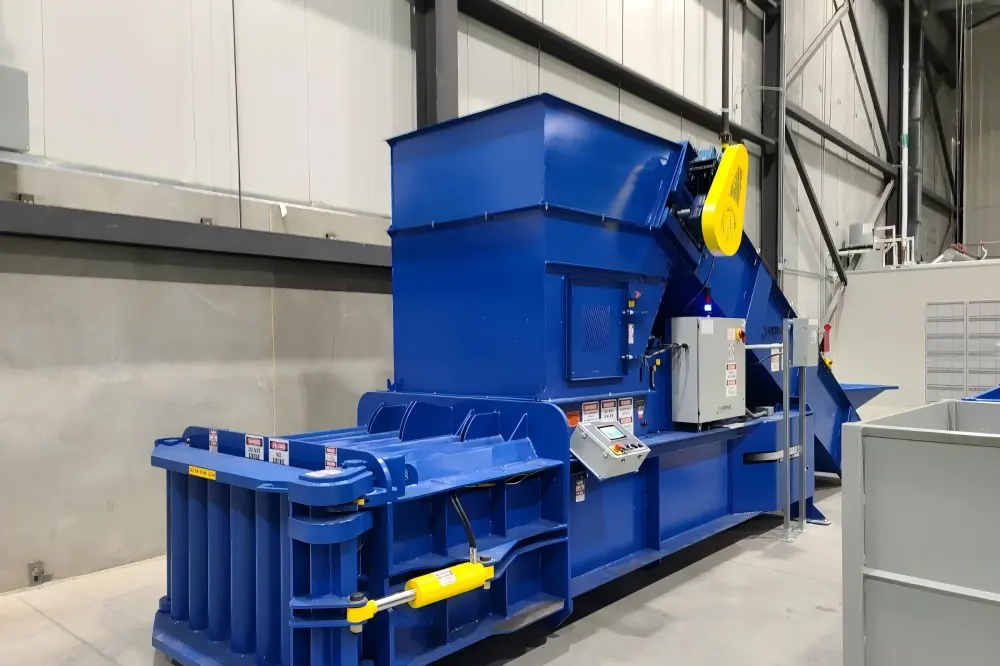
When looking to replicate the success of the manufacturer mentioned, the selection process must be rigorous. Start by conducting a thorough audit of your current waste stream. Measure the volume of scrap produced daily, the physical characteristics of the material, and the space available for the baler. A heavy-duty horizontal baler is a significant investment, and choosing the wrong size can lead to either underutilization or bottlenecks.
Consider the throughput capacity requirements. If your facility produces scrap at a high rate, you need a baler with a large feed opening and a fast cycle time. HARSLE offers various models tailored to different production scales, ensuring that you don’t pay for excess capacity while still meeting your density targets. Always look for machines that offer modular upgrades, as your production needs may evolve over time.
Maintenance accessibility is another often-overlooked selection criterion. A baler that is difficult to maintain will eventually lead to downtime, which is the enemy of efficiency. Look for designs that feature easy access to hydraulic components, electrical panels, and wear parts. A manufacturer that provides comprehensive support and readily available spare parts is essential for long-term operational success.
Finally, evaluate the safety features. Heavy-duty horizontal balers are powerful machines that require strict adherence to safety protocols. Ensure that the equipment includes light curtains, emergency stop buttons, and interlocked safety gates. Investing in a machine that prioritizes operator safety not only protects your workforce but also reduces the risk of costly operational interruptions due to accidents or regulatory non-compliance.
Häufig gestellte Fragen (FAQ)
- Q: How does a horizontal baler improve bale density compared to a vertical baler?
A: Horizontal balers use continuous compression and automated tying systems that secure the material while it is under maximum hydraulic pressure, preventing expansion and ensuring a tighter, more uniform bale. - Q: What materials are best suited for a heavy-duty horizontal baler?
A: These machines are ideal for metal scrap, aluminum cans, copper wire, corrugated cardboard, and various industrial plastics. Their robust construction allows them to handle abrasive and high-density materials with ease. - Q: How often should I perform maintenance on my horizontal baler?
A: Routine maintenance should be performed according to the manufacturer’s schedule, typically involving hydraulic oil checks, filter replacements, and inspection of the ram and chamber liners for wear. - Q: Can a horizontal baler be integrated into an existing conveyor system?
A: Yes, most industrial horizontal balers are designed to be integrated with conveyor belts or pneumatic feeding systems to create a fully automated waste management line. - Q: What is the expected lifespan of a HARSLE heavy-duty horizontal baler?
A: With proper maintenance and regular service, these machines are built to last for over a decade, even in high-volume, multi-shift industrial environments.
Fazit
The journey of how one manufacturer improved bale density with a heavy-duty horizontal baler serves as a powerful reminder that industrial efficiency is often found in the details of material handling. By upgrading their equipment, they were able to turn a logistical burden into a streamlined, profitable process. The combination of high-pressure hydraulics, automated tying, and robust structural design allowed them to achieve densities that were previously impossible.
For any metal fabrication facility, the transition to a heavy-duty horizontal baler is more than just a purchase; it is a strategic move toward sustainability and operational excellence. By carefully considering your material needs, throughput requirements, and maintenance capabilities, you can select a system that will serve your facility for years to come. HARSLE remains committed to providing the machinery and expertise necessary to help manufacturers reach these goals.
As you evaluate your own operations, remember that the goal is not just to move waste, but to add value to your scrap. High-density bales are easier to store, cheaper to transport, and more attractive to recycling facilities. By investing in the right technology, you are not only improving your bottom line but also contributing to a more efficient and sustainable industrial ecosystem. Take the first step today by auditing your current baling process and exploring the heavy-duty solutions available to take your production to the next level.