How Much Does a Container Shear Cost? A 2026 Buyer’s Price Guide

Price Range Overview: Understanding the 2026 Market
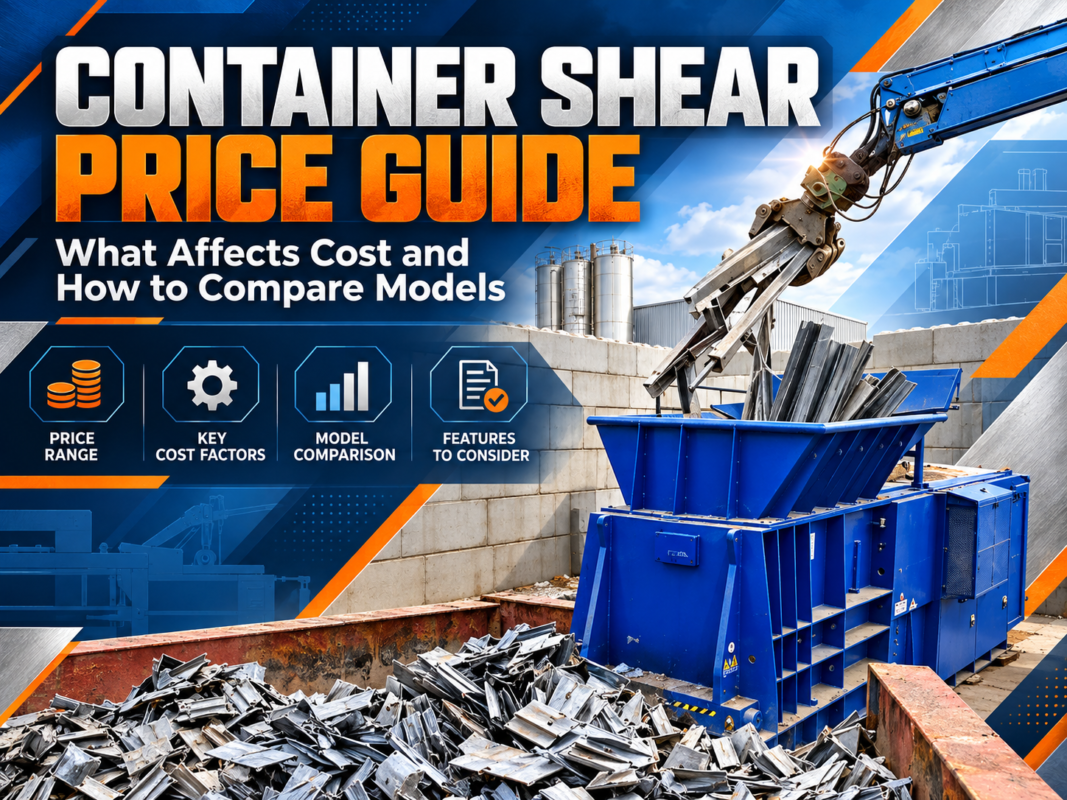
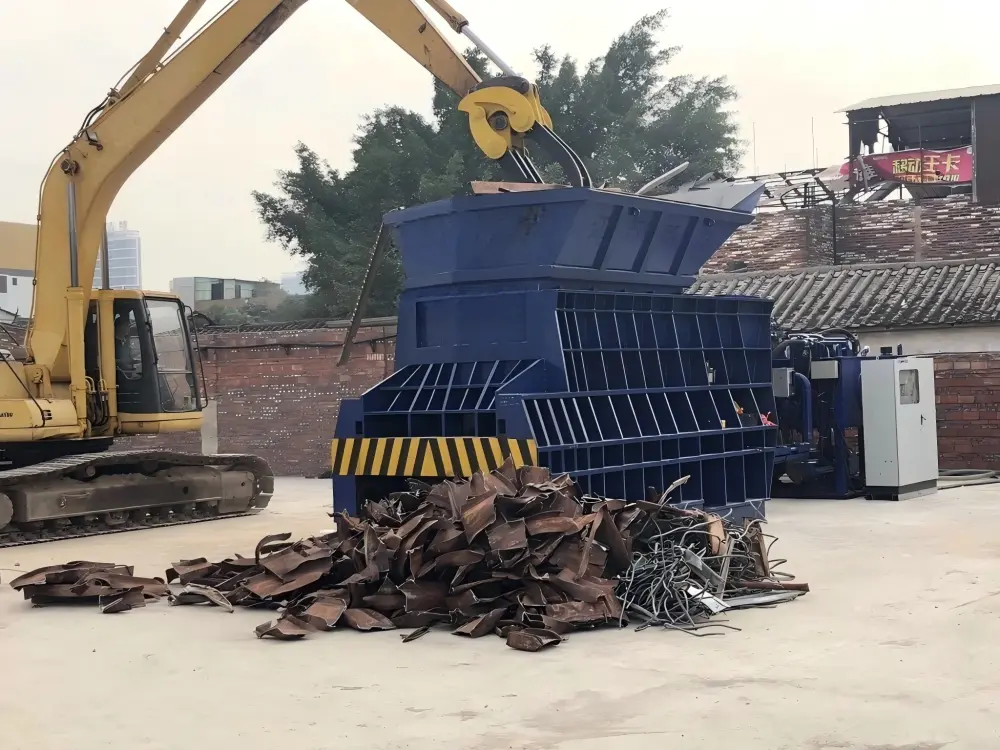
When evaluating how much does a container shear cost, a 2026 buyer’s price guide must first address the wide spectrum of available machinery. Container shears, often referred to as mobile or stationary scrap shears, are essential assets for high-volume metal recycling facilities. In the current market, entry-level, smaller-scale container shears typically start at approximately $85,000 to $120,000. These machines are generally designed for lighter scrap processing and smaller operational footprints.
Moving into the mid-range segment, which represents the most common investment for medium-sized recycling centers, prices generally fall between $150,000 and $280,000. These units offer increased cutting force, faster cycle times, and more robust structural integrity. They are designed to handle a consistent flow of mixed scrap metal, including structural steel, pipes, and automotive components, making them a workhorse for many industrial operations.
For high-capacity, heavy-duty industrial applications, premium container shears can range from $350,000 to well over $600,000. These top-tier machines feature advanced automation, high-torque hydraulic systems, and specialized wear-resistant alloys. When asking how much does a container shear cost, it is vital to remember that these figures are influenced by global steel prices, the cost of hydraulic components, and the integration of smart-factory technology that has become standard in 2026.
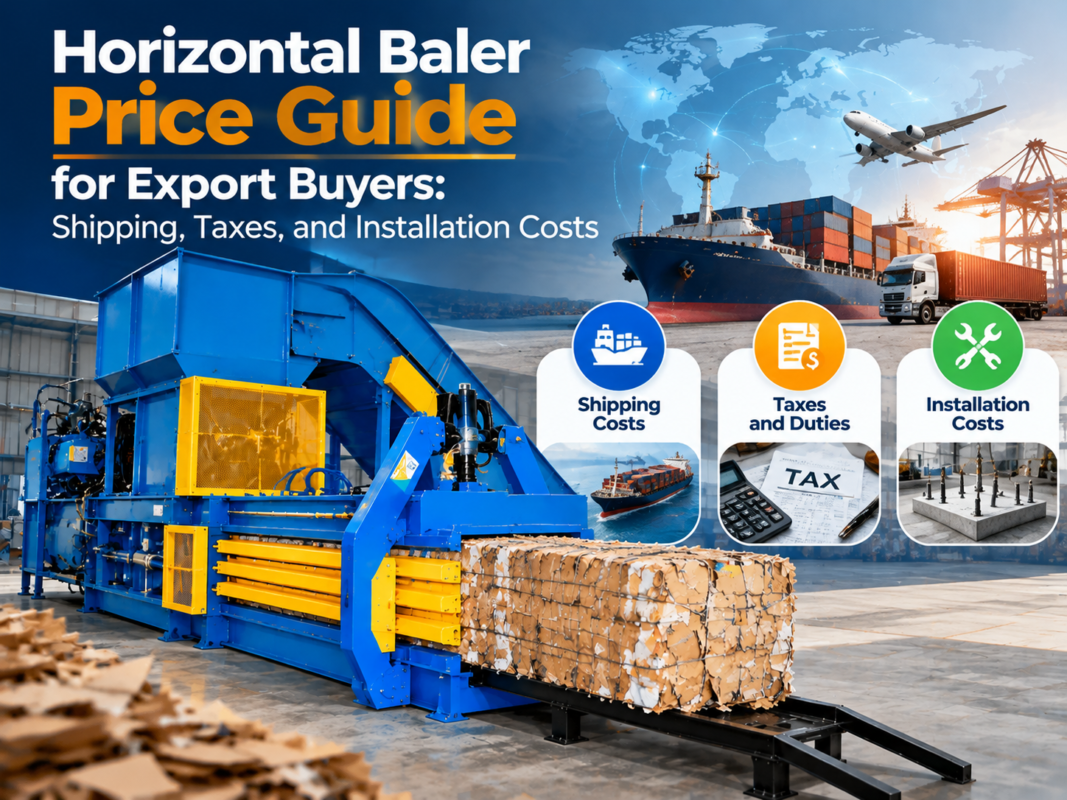
Buyers should also account for regional price variations. Shipping, import duties, and local installation support can add 10% to 20% to the base machine price. HARSLE recommends that buyers request a comprehensive quote that includes CIF (Cost, Insurance, and Freight) terms to avoid unexpected logistics expenses during the procurement process.
Main Cost Drivers: What Influences the Price?
The primary factor dictating the price of a container shear is the cutting force, measured in tons. A machine capable of shearing 800 tons of force will naturally command a higher price than a 400-ton unit. The cutting force determines the thickness and type of material the shear can process; therefore, the more robust the hydraulic system and the thicker the steel plate used in the shear box, the higher the investment required.
Another significant cost driver is the automation level. In 2026, modern container shears are increasingly equipped with PLC (Programmable Logic Controller) systems that optimize cutting cycles, monitor oil temperature, and provide real-time diagnostics. While these features increase the initial purchase price, they significantly reduce labor costs and downtime, which are critical for long-term profitability.
The quality of the hydraulic components—pumps, valves, and cylinders—is a major differentiator. Premium brands often utilize European or high-end domestic hydraulic systems that offer better longevity and energy efficiency. Cheaper alternatives may lower the initial cost but often lead to higher maintenance expenses and frequent part replacements, which can quickly negate any initial savings.
Finally, the structural design and wear-resistant liners play a crucial role. A container shear is subjected to immense physical stress. The use of Hardox or similar high-tensile, wear-resistant steel for the shear blades and the internal lining of the cutting chamber increases the lifespan of the machine. Investing in superior materials ensures that the shear maintains its precision and cutting speed over years of intensive use.
Configuration Impact: Customizing for Your Needs
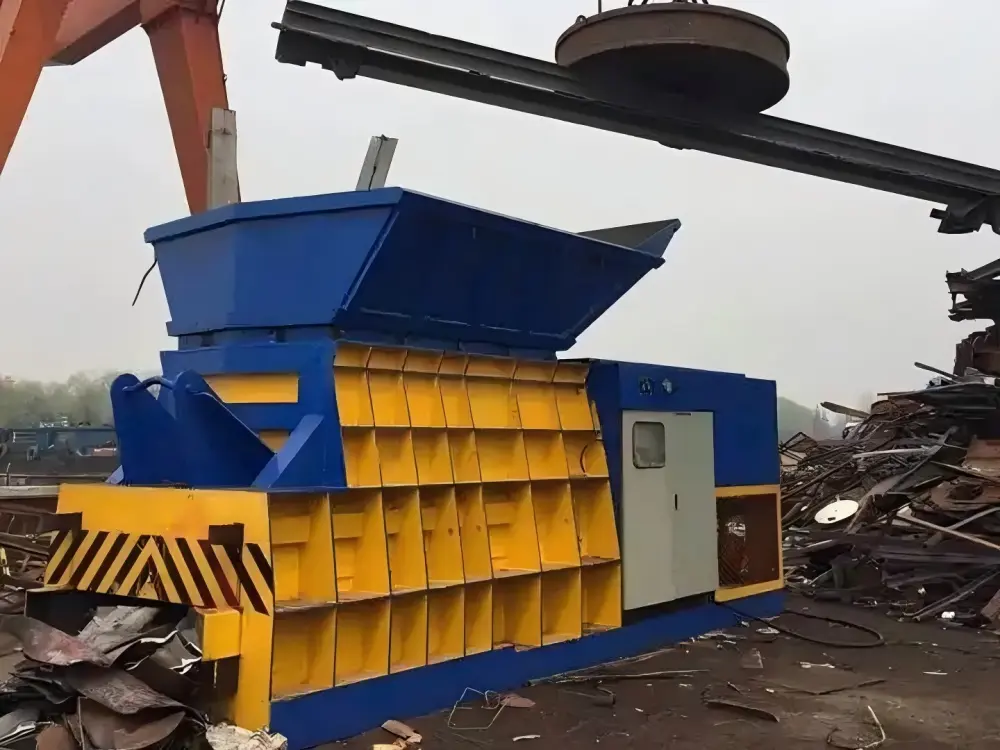
Configuration options allow buyers to tailor the machine to their specific scrap yard requirements. One major configuration choice is the power source: electric motor versus diesel engine. Electric-powered container shears are generally more cost-effective to operate and maintain, provided the facility has a stable power grid. Diesel-powered units, while more expensive to run, offer mobility and are essential for remote sites without grid access.
The size of the feed box is another critical configuration factor. A larger feed box allows for the processing of bulky scrap without the need for extensive pre-cutting. However, a larger box requires a more powerful hydraulic system to compress and feed the material into the shear blade. Buyers must balance their typical scrap dimensions against the increased cost of a larger machine footprint.
Integration with auxiliary equipment, such as conveyor belts, magnetic separators, and remote-control operation stations, will also impact the final price. Many 2026 buyers are opting for fully integrated systems that allow a single operator to manage the entire shearing and sorting process. While this increases the upfront cost, it drastically reduces the headcount required to run the operation, providing a faster return on investment.
Safety features are non-negotiable in modern industrial settings. Advanced light curtains, emergency stop systems, and automated fire suppression units are now standard on high-end models. While these features add to the total cost, they are essential for compliance with international safety standards and for protecting your workforce from the inherent dangers of heavy metal processing.
Hidden Costs: Beyond the Sticker Price
When calculating how much does a container shear cost, many buyers overlook the “hidden” expenses associated with installation and commissioning. Site preparation is a major factor; these machines are heavy and require a reinforced concrete foundation to handle the vibration and weight. Depending on the soil conditions and local building codes, foundation work can cost anywhere from $10,000 to $50,000.
Electrical infrastructure upgrades are another common hidden cost. If your facility requires a high-voltage connection to support a large hydraulic motor, the cost of transformers, cabling, and professional electrical installation can be substantial. It is critical to consult with an electrical engineer before finalizing your purchase to ensure your site can support the machine’s power requirements.
Maintenance and spare parts inventory should also be factored into your budget. A container shear requires regular oil changes, filter replacements, and blade sharpening or replacement. HARSLE recommends setting aside 5% to 10% of the machine’s purchase price annually for routine maintenance. Failing to budget for these items can lead to premature machine failure and costly unplanned downtime.
Training and operational costs are often ignored. Skilled operators are required to maximize the efficiency of a container shear. If your current staff is not familiar with the specific control systems of the new machine, you will need to invest in professional training. Additionally, the cost of consumables—such as hydraulic fluid, grease, and replacement blades—must be factored into your operational expenditure (OPEX) projections.
ROI Calculation: Justifying the Investment
To determine if a container shear is a sound investment, you must calculate the Return on Investment (ROI). Start by analyzing the throughput capacity. If your current manual cutting methods process 5 tons per day, and a new container shear can process 50 tons per day, the increase in revenue from processed scrap is your primary ROI driver. Processed, sheared scrap commands a significantly higher market price than unsheared, bulky material.
Calculate the labor savings by comparing the number of man-hours required for manual cutting versus the automated process. In 2026, labor costs are a significant portion of operational expenses. A container shear that reduces the need for manual torch cutting can save tens of thousands of dollars annually in wages, safety gear, and insurance premiums.
Consider the reduction in logistics costs. Sheared scrap has a much higher density, meaning you can fit more weight into a single shipping container or truck. This reduces the number of trips required to transport your scrap to the smelter or buyer, leading to substantial savings in fuel and transportation fees over the life of the machine.
Finally, factor in the machine’s resale value. High-quality container shears from reputable manufacturers like HARSLE retain their value well. If you decide to upgrade your facility in 5 to 10 years, a well-maintained machine can be sold on the secondary market, recouping a portion of your initial investment. When you look at the total cost of ownership over a decade, the initial purchase price becomes just one part of a much larger financial picture.
Buying Advice: Tips for a Successful Purchase
Before committing to a purchase, define your specific material requirements. Are you processing light-gauge sheet metal, or are you dealing with heavy structural beams? The type of material dictates the required shear force and blade design. Do not over-buy for your needs, but ensure the machine has enough headroom to handle potential growth in your business volume over the next five years.
Always request a live demonstration or a site visit to see the machine in operation. Seeing the shear process the exact type of scrap you handle will give you confidence in its performance. If a site visit is not possible, ask the manufacturer for video evidence of the machine processing similar materials and request references from existing customers who have been using the machine for at least two years.
Evaluate the manufacturer’s after-sales support. A container shear is a complex piece of equipment; you need a partner who provides prompt technical support, readily available spare parts, and remote diagnostic capabilities. HARSLE prides itself on offering comprehensive support, ensuring that our clients experience minimal downtime and maximum productivity throughout the machine’s lifecycle.
Finally, read the warranty terms carefully. A standard one-year warranty is common, but look for manufacturers that offer extended warranty options or service contracts. Understand what is covered—specifically regarding hydraulic components and structural integrity—and ensure that the warranty process is clearly defined. A solid warranty is a sign of a manufacturer’s confidence in their product and provides peace of mind for your investment.
FAQ: Common Questions About Container Shear Costs
1. How much does a container shear cost for a small recycling yard?
For small-scale operations, you can expect to pay between $85,000 and $130,000. These units are compact and designed for lower daily throughput.
2. Does the price include installation?
Usually, the base price does not include installation. Most manufacturers offer installation as an add-on service. It is best to clarify this during the quoting process.
3. How often do I need to replace the shear blades?
Blade life depends on the material being cut. Harder, dirtier scrap will wear blades faster. On average, blades may need sharpening or replacement every 3 to 6 months depending on usage intensity.
4. Can I finance a container shear?
Yes, most industrial machinery suppliers offer financing options or work with leasing partners to help businesses manage the upfront cost of the equipment.
5. What is the biggest factor in long-term maintenance costs?
Hydraulic system health is the biggest factor. Regular oil analysis and filter changes are essential to prevent expensive pump and cylinder failures.
6. Is it better to buy new or used?
While used machines are cheaper, they often come with hidden mechanical issues and lack modern safety features. For long-term reliability and ROI, new machines with a full warranty are generally recommended.