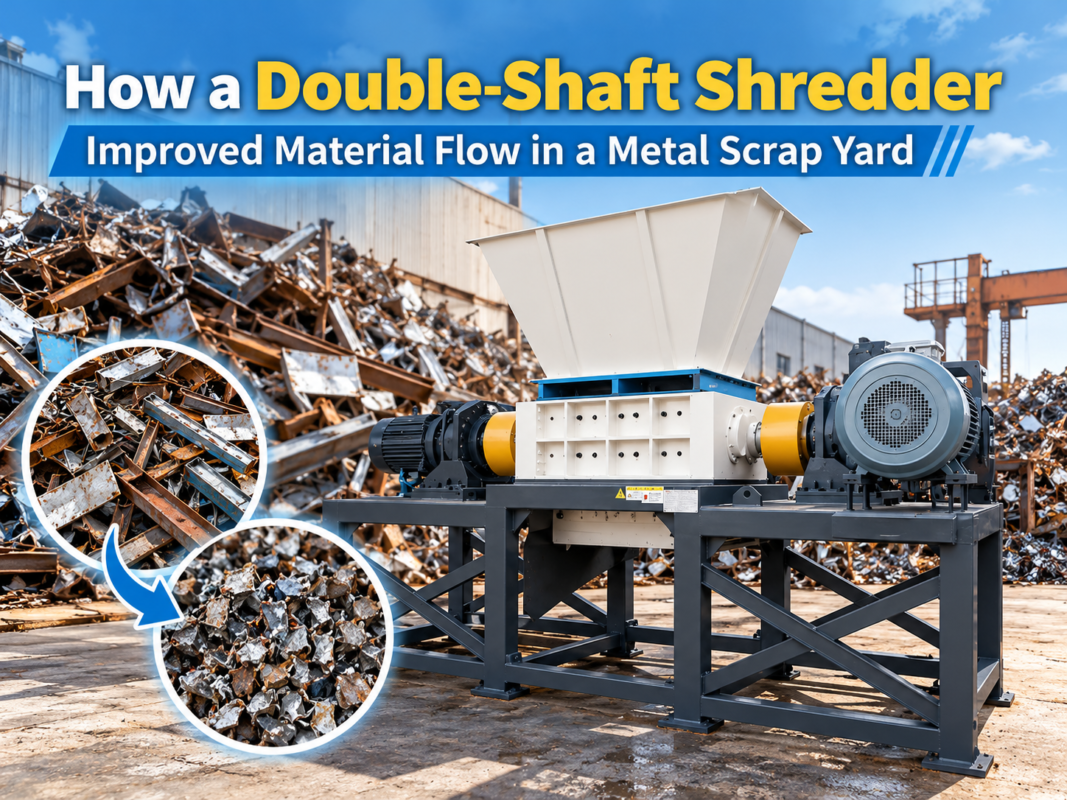
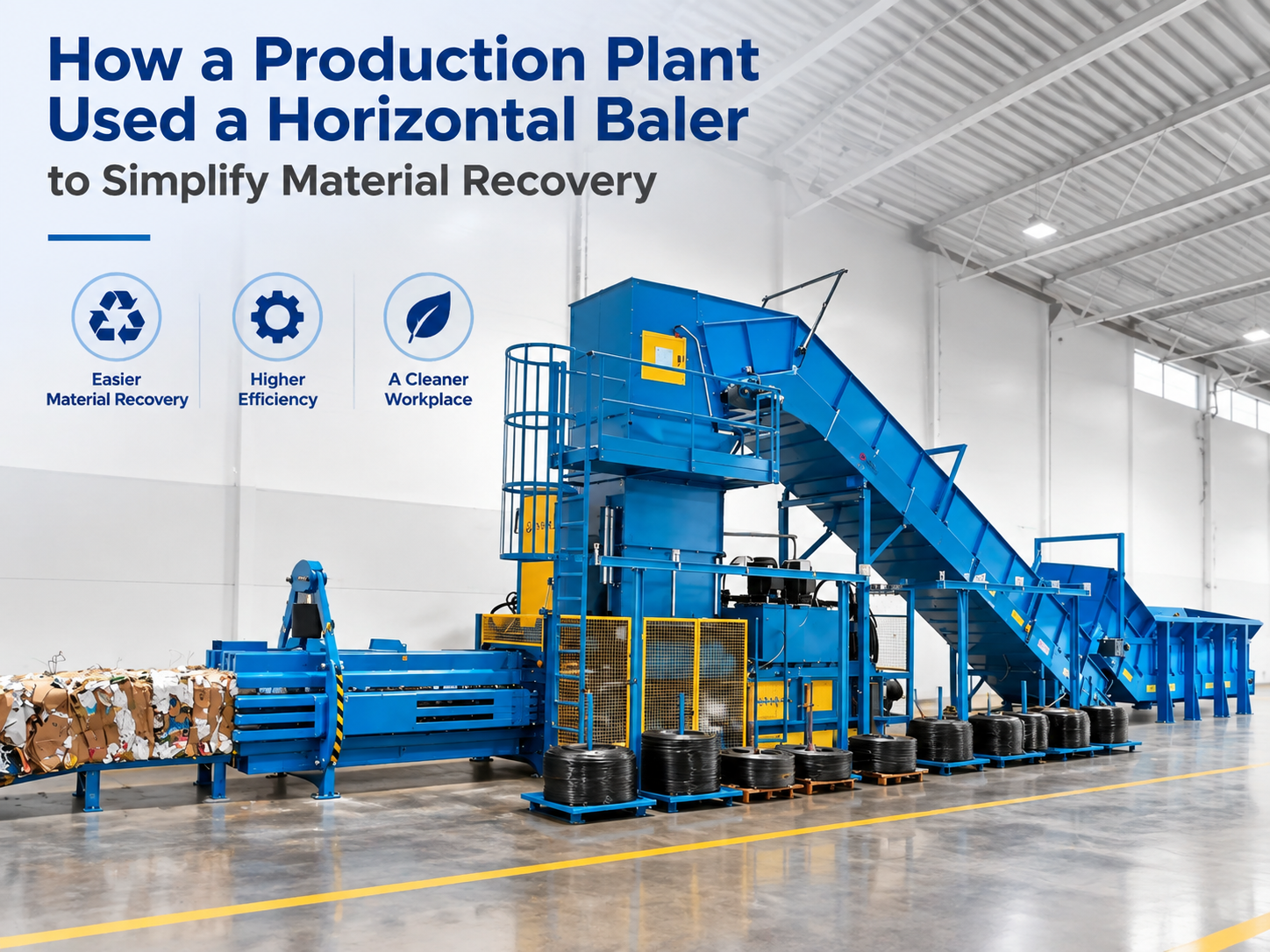
How a Production Plant Used a Horizontal Baler to Simplify Material Recovery

Introduction
In the modern landscape of metal fabrication and industrial manufacturing, waste management is no longer just a secondary concern—it is a core component of operational profitability. When a production plant used a horizontal baler to simplify material recovery, they unlocked a new level of logistical efficiency that transformed their bottom line. For many facilities, the accumulation of scrap metal, cardboard, and industrial byproducts creates a bottleneck that hinders production flow and increases overhead costs.
HARSLE has observed that the transition from manual waste handling to automated baling systems is one of the most effective ways to reclaim floor space and monetize waste streams. By implementing a high-capacity horizontal baler, plants can convert loose, unmanageable scrap into dense, uniform bales that are easy to transport, store, and sell to recycling centers. This article explores the technical and operational journey of a facility that successfully integrated this technology.
The shift toward circular manufacturing requires robust equipment capable of handling high-volume throughput. As production plants face increasing pressure to meet sustainability goals, the role of the horizontal baler becomes critical. This guide provides a deep dive into how these machines function, the selection criteria for your specific facility, and the long-term benefits of investing in industrial-grade baling technology.
Understanding the mechanics of material recovery is essential for any plant manager looking to optimize their facility. Whether you are dealing with aluminum offcuts, steel shavings, or packaging waste, the principles of compaction remain the same. By following the example of successful plants, you can streamline your logistics and turn your waste disposal process into a revenue-generating asset.
Key Considerations for Material Recovery
Before deciding to invest in a horizontal baler, plant managers must evaluate their current waste stream composition. Not all materials respond to compaction in the same way. For instance, high-tensile steel scrap requires significantly more hydraulic force than corrugated cardboard. Analyzing the volume, density, and frequency of waste generation is the first step in determining the required specifications for your machinery.
Space optimization is another critical consideration. A production plant used a horizontal baler to simplify material recovery by reclaiming nearly 40% of their floor space previously occupied by loose scrap bins. When planning the installation, consider the footprint of the baler, the space required for the loading conveyor, and the clearance needed for forklift access to remove finished bales. Efficient layout design prevents the baler from becoming a bottleneck in the production cycle.
Safety and compliance are non-negotiable in an industrial environment. Modern horizontal balers come equipped with advanced safety features, including light curtains, emergency stop buttons, and interlocked access doors. Ensuring that your staff is properly trained on the operation of the baler is essential to prevent workplace accidents and ensure that the machine operates within the manufacturer’s safety parameters.
Finally, consider the long-term maintenance requirements. Industrial machinery is a significant capital investment, and its longevity depends on a consistent maintenance schedule. From checking hydraulic fluid levels to inspecting the wear plates in the compression chamber, proactive maintenance prevents costly downtime. Partnering with a reliable manufacturer like HARSLE ensures that you have access to spare parts and technical support when you need it most.
Technical Details of Horizontal Balers
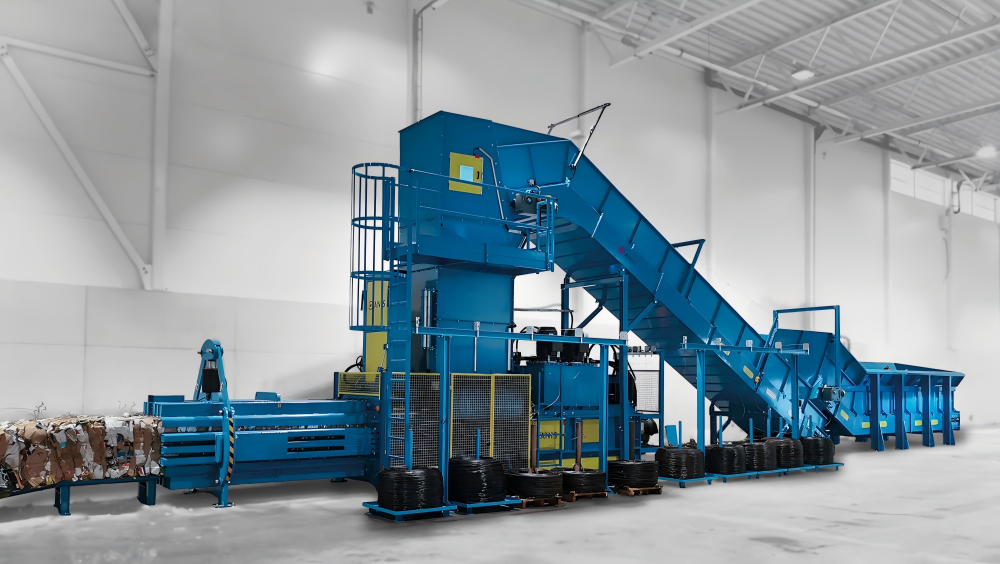
The core of a horizontal baler is its hydraulic system, which provides the force necessary to compress materials into dense blocks. These machines typically feature a large feed hopper where material is deposited, either manually or via a conveyor belt. Once the hopper is full, the ram moves horizontally to compress the material against a back wall or a previously formed bale, creating a high-density output.
HARSLE horizontal balers utilize advanced PLC (Programmable Logic Controller) systems to automate the baling cycle. This allows for precise control over bale size, density, and tying intervals. The automation reduces the need for constant operator supervision, allowing your team to focus on core production tasks. Sensors within the chamber detect when the bale has reached the desired size, triggering the automatic tying mechanism.
The construction of the compression chamber is vital for durability. High-wear areas are often reinforced with hardened steel plates to withstand the abrasive nature of metal scrap. The hydraulic cylinders are designed for high-pressure operation, ensuring that even the most stubborn materials are compacted effectively. These technical specifications are what differentiate industrial-grade balers from lighter, commercial-grade alternatives.
Energy efficiency is another technical highlight of modern baling systems. Variable Frequency Drives (VFDs) allow the motor to adjust its speed based on the load, significantly reducing power consumption during idle periods. This not only lowers operational costs but also aligns with the sustainability initiatives that many modern production plants are striving to achieve. By choosing a machine with energy-efficient components, you reduce your carbon footprint while maintaining high throughput.
Selection Advice for Your Facility
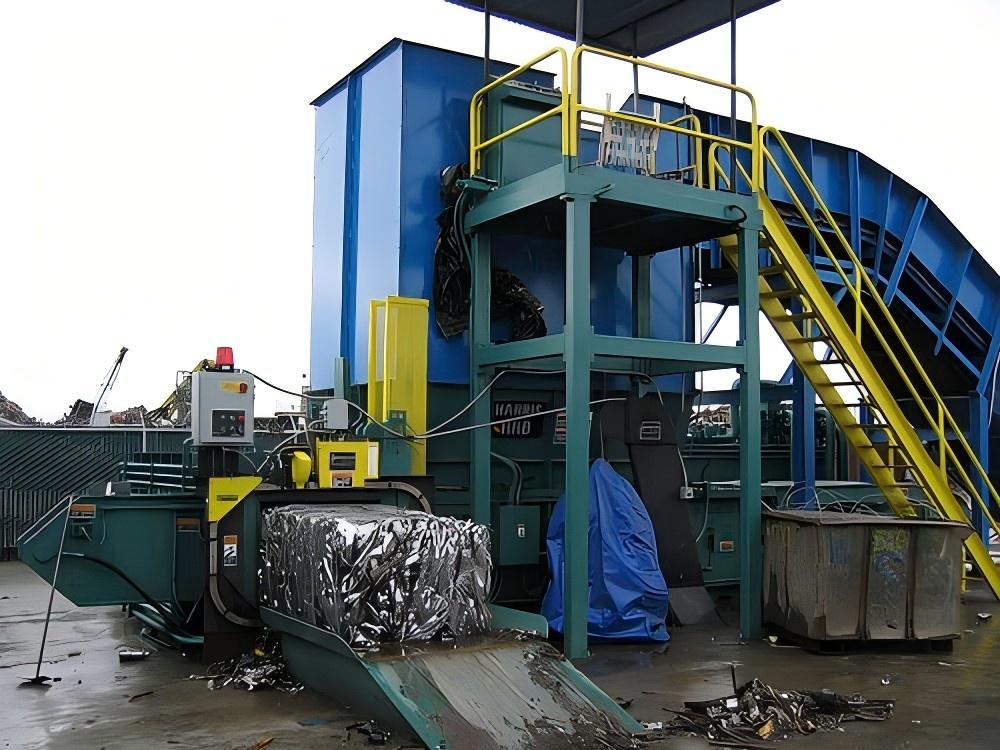
Selecting the right horizontal baler requires a balance between current needs and future growth. If your production volume is expected to increase, it is often wise to invest in a machine with a higher capacity than your current requirements. This “future-proofing” approach prevents the need for a costly upgrade in a few years. Consult with HARSLE experts to perform a throughput analysis based on your daily waste generation.
Consider the material type when selecting the feed system. If you are processing large, bulky metal sheets, a wide-mouth hopper is necessary. If you are dealing with small, loose shavings or chips, a conveyor system with a magnetic separator might be required to ensure that only the desired material enters the baler. Customization is key; a one-size-fits-all approach rarely yields the best results in a specialized fabrication environment.
Evaluate the bale dimensions and weight. Different recycling facilities have specific requirements for the size and weight of the bales they accept. If you plan to sell your scrap, ensure that your baler produces bales that fit standard shipping containers or flatbed trucks. This maximizes your logistics efficiency and ensures that you receive the best possible price for your recycled materials.
Finally, look at the manufacturer’s support network. A horizontal baler is a long-term asset, and you need a partner who provides comprehensive training, installation services, and rapid response times for maintenance. HARSLE prides itself on providing end-to-end support, ensuring that your production plant remains operational and efficient from the moment the machine is commissioned.
Frequently Asked Questions
- How much space does a horizontal baler require? The footprint varies by model, but you should account for the machine size plus at least 2-3 meters of clearance on all sides for maintenance and material handling.
- Can a horizontal baler handle mixed materials? While they can handle various materials, it is best to bale similar materials together to maximize the resale value of the scrap.
- How often does the baler require maintenance? We recommend a daily visual inspection and a monthly deep-clean and hydraulic system check. Refer to your HARSLE manual for specific intervals.
- Is it difficult to train staff on a horizontal baler? Modern HARSLE balers feature intuitive touch-screen interfaces, making them easy to operate with minimal training.
- What is the typical lifespan of a horizontal baler? With proper maintenance, these machines are designed to last 15-20 years in a standard industrial environment.
Fazit
When a production plant used a horizontal baler to simplify material recovery, they demonstrated that waste management is a strategic advantage. By reducing the volume of waste, lowering transportation costs, and creating a cleaner, safer work environment, the plant was able to focus on what they do best: manufacturing high-quality products. The integration of a HARSLE horizontal baler is more than just a purchase; it is an investment in the operational excellence of your facility.
As the industry continues to evolve, the ability to manage resources efficiently will separate the leaders from the followers. Whether you are looking to reduce your environmental impact or simply want to reclaim valuable floor space, a horizontal baler provides the reliability and performance needed to meet your goals. We invite you to explore the HARSLE range of industrial machinery and discover how we can help you optimize your material recovery processes today.
By taking the time to analyze your waste stream, selecting the right equipment, and committing to a proactive maintenance schedule, you can transform your production plant into a model of efficiency. The journey toward a streamlined, profitable material recovery system starts with the right partner. Contact HARSLE to discuss your specific needs and take the first step toward a more efficient future.