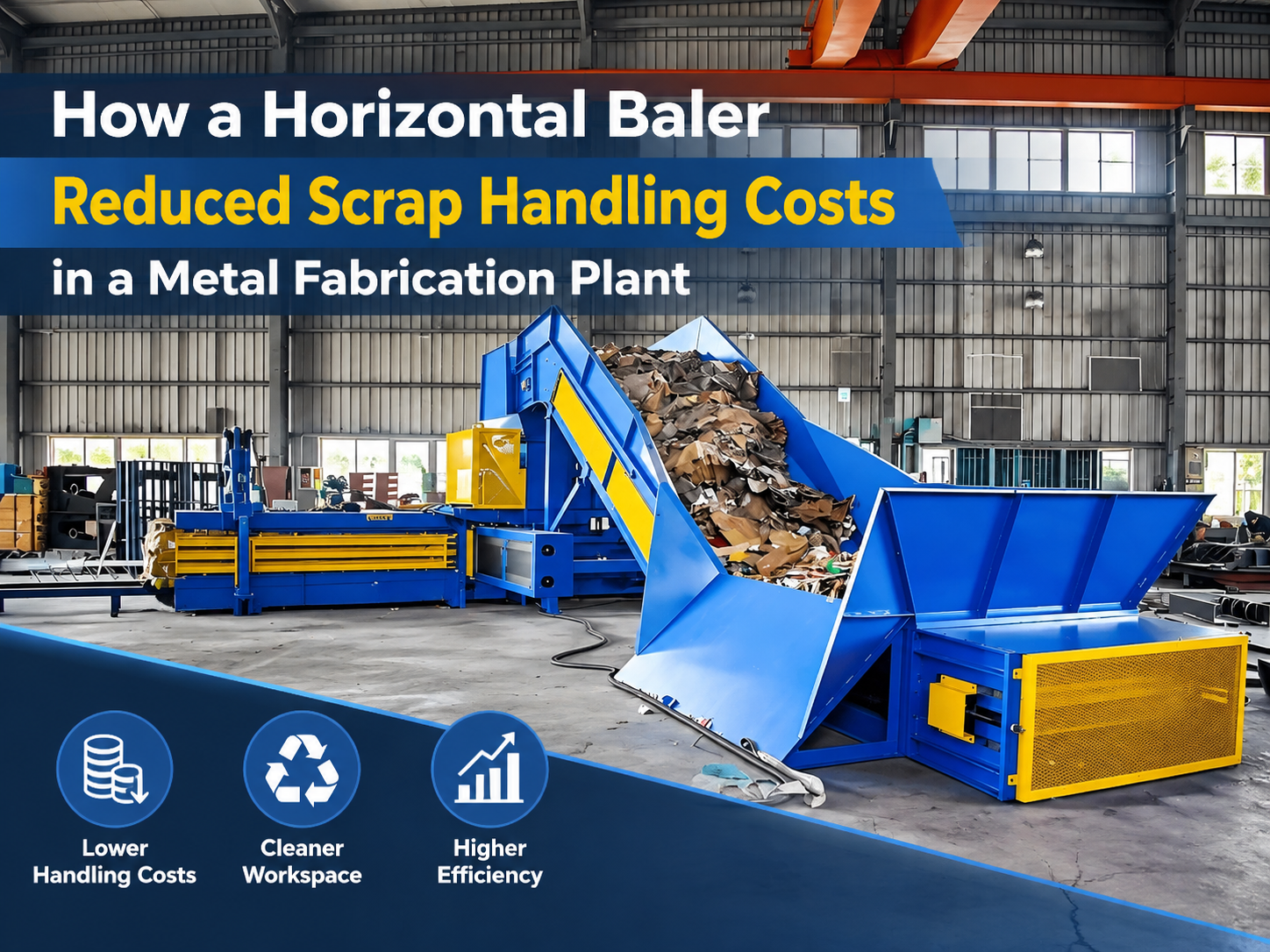
How a Horizontal Baler Reduced Scrap Handling Costs in a Metal Fabrication Plant

Introduction
In the competitive landscape of modern metal fabrication, efficiency is not merely a goal; it is a necessity for survival. Metal fabrication plants generate massive volumes of scrap metal daily, ranging from aluminum offcuts and steel skeletons to copper wiring and stainless steel shavings. For many facility managers, this scrap is often viewed as a logistical burden rather than a potential revenue stream. However, the implementation of advanced waste management technology has changed this narrative. Specifically, how a horizontal baler reduced scrap handling costs in a metal fabrication plant has become a benchmark for operational excellence in the industry.
Managing loose scrap is notoriously expensive. It occupies valuable floor space, creates safety hazards, and incurs high transportation costs due to its low density. When scrap is loose, trucks are filled with air rather than metal, meaning you are paying for shipping volume rather than weight. By transitioning to a horizontal baler, fabrication plants can transform this chaotic waste into dense, uniform, and easily transportable bales. This shift not only streamlines internal logistics but also significantly increases the market value of the scrap sold to recyclers.
HARSLE has observed that many facilities struggle with the hidden costs of scrap management, such as labor hours spent manually sorting and moving bins, as well as the environmental impact of frequent waste collection trips. A horizontal baler acts as the central hub of a circular economy within the factory. By compressing metal waste at the source, plants can reclaim floor space, reduce fire hazards, and turn a cost center into a profit center. This article explores the technical and operational transformation that occurs when a high-performance horizontal baler is integrated into a fabrication workflow.
Throughout this guide, we will analyze the specific mechanisms that allow these machines to drive down costs. We will look at the transition from manual handling to automated compaction, the importance of bale density, and the long-term financial benefits of investing in industrial-grade baling equipment. Whether you are running a small job shop or a large-scale production facility, understanding the impact of baling technology is essential for optimizing your bottom line.
Key Considerations for Scrap Management
Before investing in a horizontal baler, it is critical to evaluate your current scrap handling processes. Many plants operate under the assumption that their current method—usually dumping scrap into open-top containers—is the most cost-effective approach. However, this method ignores the ‘hidden’ costs of labor, floor space utilization, and the low price paid by recyclers for uncompacted, mixed scrap. A thorough audit of your scrap generation rate, material types, and current disposal frequency is the first step in determining the ROI of a baler.
Safety is another paramount consideration. Loose metal scrap is sharp, heavy, and difficult to manage. Employees moving bins or manually breaking down scrap are at a constant risk of lacerations, musculoskeletal injuries, and slips. A horizontal baler automates the compaction process, keeping sharp edges contained within the machine and reducing the need for manual handling. By minimizing human interaction with raw scrap, plants can significantly lower their workers’ compensation claims and improve overall workplace safety compliance.
Floor space is often the most expensive asset in a fabrication plant. Every square foot dedicated to storing loose scrap bins is a square foot that could be used for production machinery or inventory. Horizontal balers are designed to be compact yet powerful, allowing for a centralized scrap collection point that minimizes the footprint of waste. By consolidating waste into dense bales, you can store more material in a smaller area, effectively ‘buying back’ floor space that was previously lost to inefficient waste storage.
Finally, consider the logistics of scrap removal. If your facility requires daily pickups by waste management companies, you are paying for their fuel, labor, and vehicle maintenance. By using a horizontal baler to create dense, stackable bales, you can maximize the payload of every truckload. This leads to fewer pickups, lower transportation fees, and a reduced carbon footprint for your facility. In many cases, the reduction in transportation costs alone is enough to justify the capital expenditure of a high-quality horizontal baler within the first two years of operation.
Technical Details of Horizontal Balers
Understanding the technical specifications of a horizontal baler is essential for choosing the right equipment for your specific metal type and volume. Unlike vertical balers, which are typically used for cardboard or lighter materials, horizontal balers are engineered for the high-pressure demands of metal fabrication. These machines feature heavy-duty hydraulic systems capable of exerting immense force to compress steel, aluminum, and other alloys into high-density blocks that meet the strict requirements of metal recyclers.
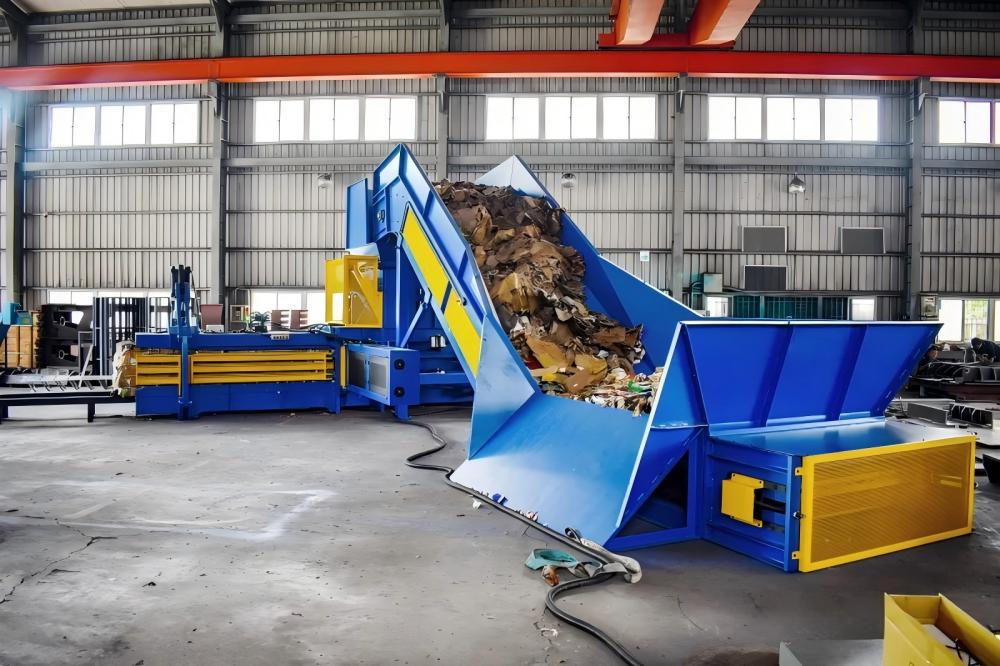
The feeding mechanism is a critical component of the horizontal baler. Many HARSLE horizontal balers feature automated conveyor systems or hopper-fed designs that allow for continuous operation. This is vital in a high-production environment where scrap is generated constantly. By eliminating the need to pause production to load the baler, the machine keeps pace with the fabrication line, ensuring that scrap is processed as quickly as it is created. This continuous flow is a key factor in how a horizontal baler reduced scrap handling costs in a metal fabrication plant.
Bale density is the primary metric for success. Recyclers pay based on weight, and they prefer dense bales because they are easier to handle and melt down. Horizontal balers use sophisticated hydraulic rams and pressure sensors to ensure that every bale reaches the optimal density for the specific material being processed. Advanced models even include automatic tying systems, which secure the bale with high-tensile wire or strapping, ensuring that the bale maintains its integrity during transport and storage.
Maintenance and durability are also technical highlights. Because metal is abrasive, the internal chambers of a horizontal baler must be lined with wear-resistant materials like Hardox steel. HARSLE balers are designed with modular components, making it easy to replace wear parts without requiring a complete overhaul of the machine. This focus on longevity ensures that the baler remains a reliable asset for years, minimizing downtime and keeping maintenance costs predictable and low.

Selection Advice for Fabrication Plants
Selecting the right horizontal baler requires a clear understanding of your material throughput. You must calculate the volume of scrap generated per shift and the physical dimensions of the largest pieces of scrap. If your facility produces long, thin skeletons from a laser cutting machine, you will need a baler with a large feed opening and a powerful shear blade to cut the material to size before compression. Conversely, if you are dealing with small, dense chips or turnings, a baler with a specialized feed system for small particles is necessary.
Consider the power requirements and hydraulic capacity. Metal compaction requires significant force. Ensure that your facility has the electrical infrastructure to support the motor size of the baler you choose. HARSLE provides detailed technical specifications for all our machines, and our engineering team can assist in calculating the necessary force requirements based on your specific material density and daily volume. Do not undersize your machine; while a smaller baler might be cheaper upfront, it will struggle with high-volume production, leading to increased wear and frequent breakdowns.
Integration with existing workflows is another key factor. Think about how the scrap will move from the machine to the baler. Will you use a conveyor belt, a pneumatic system, or manual bin dumping? The most efficient plants design their scrap handling as an extension of their production line. By placing the baler near the source of the scrap, you minimize the distance that material needs to travel, further reducing labor costs and the potential for spills or accidents on the factory floor.
Finally, look for a manufacturer that offers comprehensive support. A horizontal baler is a long-term investment. You need a partner who provides training for your operators, readily available spare parts, and responsive technical support. HARSLE prides itself on offering not just machinery, but a complete solution to scrap management. Our team works with you from the initial site assessment to installation and ongoing maintenance, ensuring that your investment delivers the maximum possible return on investment.
Frequently Asked Questions
How does a horizontal baler improve the price I get for my scrap?
Recyclers prefer dense, uniform bales because they are easier to transport and process. By providing high-density bales, you eliminate the recycler’s need to sort or re-process your material, which allows you to negotiate a higher price per ton compared to loose, mixed scrap.
What is the difference between a vertical and a horizontal baler?
Vertical balers are typically manually loaded and used for lower volumes of material. Horizontal balers are designed for high-volume, continuous operation, often featuring automated feeding and tying systems, making them the standard for industrial metal fabrication plants.
How much space do I need for a horizontal baler?
The footprint varies based on the model and the feeding system. However, because horizontal balers consolidate waste, they often save space overall by replacing multiple large, loose-scrap bins with a single, compact baling station.
Can a horizontal baler handle different types of metal?
Yes, but you must ensure the baler is configured for the materials you process. Some metals, like stainless steel, are harder and require more force, while others, like aluminum, are softer. HARSLE balers can be customized to handle various alloys effectively.
How often does a horizontal baler require maintenance?
Routine maintenance, such as checking hydraulic fluid levels, inspecting wear plates, and cleaning the feed area, should be performed regularly. HARSLE provides a detailed maintenance schedule with every machine to ensure optimal performance and longevity.
Fazit
The transition to automated scrap management is a defining moment for any growing metal fabrication plant. As we have explored, the question of how a horizontal baler reduced scrap handling costs in a metal fabrication plant is answered through a combination of increased material density, reduced transportation logistics, improved safety, and higher scrap resale value. By investing in a high-quality HARSLE horizontal baler, you are not just buying a piece of equipment; you are implementing a strategic asset that streamlines your operations and enhances your profitability.
The financial benefits are clear: lower labor costs, reduced waste disposal fees, and increased revenue from high-quality scrap. Beyond the numbers, the operational benefits—such as reclaimed floor space and a safer working environment—create a more efficient and professional facility. In an industry where margins are tight and competition is fierce, the ability to turn waste into a streamlined, profitable process is a significant competitive advantage.
We encourage facility managers to conduct a thorough audit of their current scrap handling processes. Look at the time spent moving bins, the cost of frequent waste pickups, and the space occupied by loose scrap. When you compare these costs against the efficiency and output of a modern horizontal baler, the path forward becomes clear. HARSLE is committed to helping you navigate this transition, providing the expertise and the machinery necessary to optimize your fabrication plant for the future.
If you are ready to take the next step in optimizing your scrap management, contact the HARSLE team today. Our experts can help you assess your needs, select the right baler for your specific material and volume, and provide the support you need to ensure a successful installation. Let us help you turn your scrap handling challenge into a cornerstone of your plant’s operational success.