How a Horizontal Baler Increased Recycling Revenue in a Metal Factory: A Comprehensive Guide

Introduction
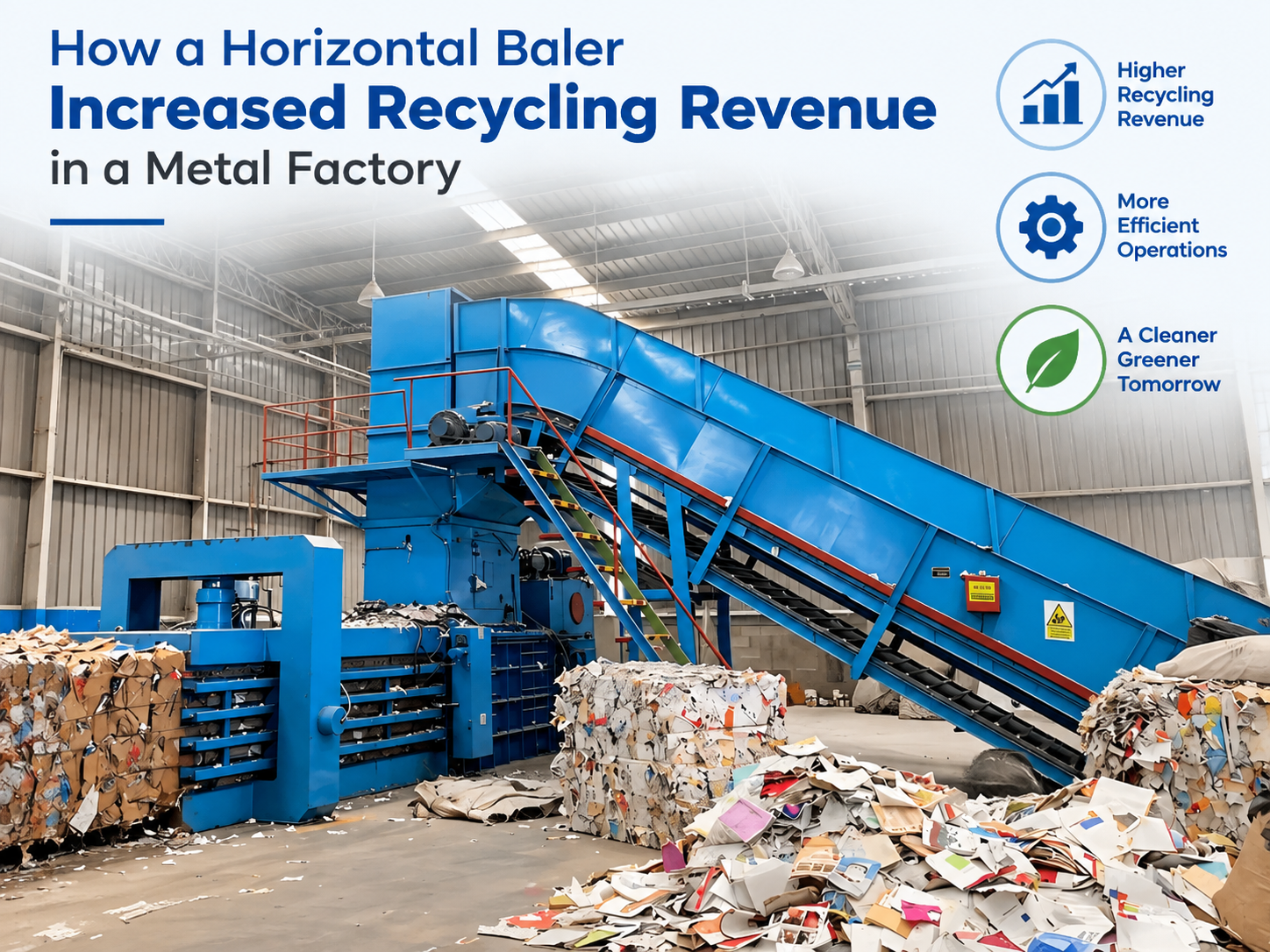
In the modern metal fabrication industry, the difference between a profitable operation and one struggling with overhead often lies in how effectively a facility manages its waste stream. For many factories, scrap metal is viewed merely as a nuisance—a byproduct that takes up valuable floor space and incurs high logistics costs. However, forward-thinking manufacturers have discovered that by implementing advanced compaction technology, they can transform this waste into a significant revenue stream. This article explores how a horizontal baler increased recycling revenue in a metal factory, providing a blueprint for operational excellence.
When a factory generates high volumes of aluminum, copper, steel, or brass offcuts, the traditional method of loose disposal is inherently inefficient. Loose scrap is bulky, difficult to transport, and commands lower prices from recyclers because of the high volume-to-weight ratio. By transitioning to a professional-grade horizontal baler, factories can densify their scrap, making it easier to store, cheaper to ship, and more valuable to scrap metal dealers who prioritize high-density, uniform bales.
HARSLE has worked with numerous metal fabrication facilities to integrate automated baling solutions that streamline waste management. The transition from manual handling to automated horizontal baling is not just about cleaning up the shop floor; it is a strategic financial decision. Throughout this guide, we will analyze the technical, operational, and economic factors that make horizontal balers an essential asset for any high-output metal fabrication environment.
Understanding the full lifecycle of scrap metal—from the moment it is sheared or punched to the moment it leaves the facility as a high-density bale—is critical. By optimizing this process, factories can reduce labor costs, minimize environmental impact, and maximize the return on investment (ROI) for every kilogram of metal processed. Let us delve into the mechanics and strategies that make this transformation possible.
Key Considerations for Scrap Management
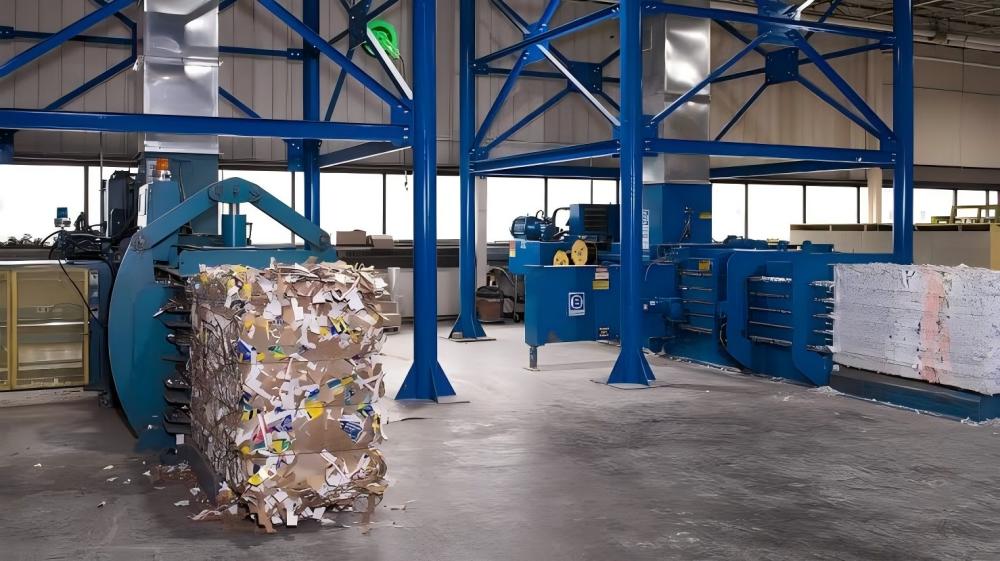
Before investing in a horizontal baler, factory managers must evaluate their current waste management workflow. The primary consideration is the volume and type of scrap being generated. A facility producing thin-gauge aluminum sheets will have different compaction requirements compared to one processing heavy steel plate offcuts. Understanding the material density and the frequency of waste generation is the first step in determining the required press force and feed opening size.
Space utilization is another critical factor. In many fabrication plants, floor space is at a premium. A horizontal baler requires a dedicated footprint, but it often replaces multiple loose-scrap bins that occupy even more space. By centralizing scrap collection and processing, factories can reclaim valuable square footage that can be repurposed for production machinery or inventory storage. This spatial efficiency is a hidden benefit that contributes to the overall ROI of the equipment.
Logistics and transportation costs represent a significant portion of the overhead for scrap disposal. When scrap is loose, a truck might be filled to its volume capacity long before it reaches its weight limit. This means the factory is paying for the transport of air. A horizontal baler creates dense, stackable bales that allow for maximum payload weight per truckload. This reduction in the number of required pickups directly translates to lower freight costs and higher net revenue from the scrap dealer.
Safety and labor management cannot be overlooked. Manual handling of sharp metal scrap poses a high risk of injury to employees. Furthermore, the time spent manually sorting, moving, and loading loose scrap is time taken away from core production tasks. Automating the baling process reduces the need for manual intervention, minimizes the risk of lacerations, and allows staff to focus on value-added fabrication processes. A safer, cleaner shop floor also boosts morale and contributes to a more professional working environment.
Technical Details of Horizontal Balers
The technical superiority of a horizontal baler lies in its hydraulic power and structural integrity. Unlike vertical balers, which are often manually fed and have lower throughput, horizontal balers are designed for continuous, high-volume operation. They feature large feed hoppers that can be integrated with conveyor systems, allowing for a seamless flow of scrap directly from the production line into the baling chamber.
The hydraulic system is the heart of the machine. HARSLE horizontal balers utilize high-pressure hydraulic cylinders that exert significant force to compress metal into tight, uniform blocks. This force is adjustable, allowing the operator to tailor the compaction level based on the material type. For instance, softer metals like aluminum require less force than hardened steel, and the ability to calibrate this pressure ensures the longevity of the machine’s structural components.
Automation features are what truly set modern horizontal balers apart. Many units come equipped with PLC (Programmable Logic Controller) systems that monitor the baling process in real-time. These systems can detect when the chamber is full, initiate the compression cycle, and even automate the bale-tying process. This level of automation ensures that bales are consistent in size and weight, which is a requirement for many high-end scrap recyclers who pay a premium for standardized, high-density material.
Durability is paramount when processing metal. The internal walls of the baling chamber are typically lined with wear-resistant steel plates to withstand the abrasive nature of metal scrap. Furthermore, the shear blades—which cut off excess material protruding from the feed opening—are made from hardened tool steel. These components are designed for easy maintenance and replacement, ensuring that the baler remains operational even under the most demanding production schedules.
Selection Advice for Metal Fabricators
Choosing the right horizontal baler requires a thorough assessment of your factory’s specific needs. Start by auditing your scrap output over a six-month period. Identify the peak generation times and the average daily weight of scrap. This data will help you determine the necessary throughput capacity of the baler. It is always advisable to select a machine with a capacity slightly higher than your current peak to allow for future business growth.
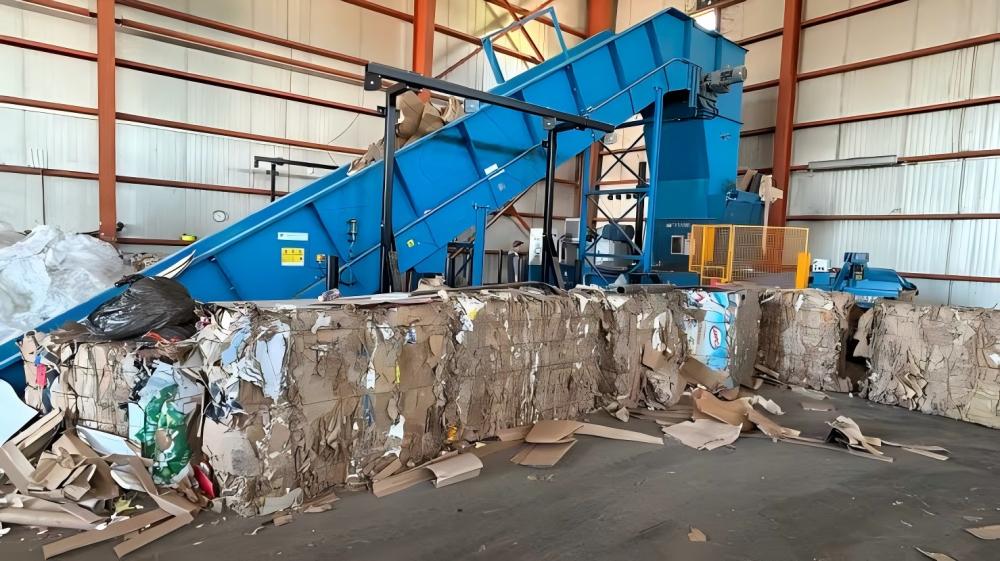
Consider the feed mechanism. If your factory uses a conveyor system to move scrap, ensure the baler has a compatible hopper design. Some facilities may benefit from a “through-the-wall” feed system, where the baler is located outside the main production area to save space, with a conveyor feeding it from inside the shop. This configuration keeps the production floor clean and minimizes noise and dust in the workspace.
Evaluate the bale size and weight requirements of your local scrap buyers. Some recyclers have specific preferences for bale dimensions to fit their own processing equipment or shipping containers. A baler that produces a bale size that is “market-ready” will save you the trouble of re-processing or breaking down bales later. Always consult with your scrap metal partner before finalizing your equipment purchase to ensure compatibility.
Finally, look for a manufacturer that provides comprehensive support. A horizontal baler is a long-term investment. You need a partner like HARSLE who offers not only high-quality machinery but also technical support, spare parts availability, and maintenance training. Regular maintenance, such as checking hydraulic fluid levels, inspecting shear blades, and cleaning sensors, is essential to prevent downtime. A reliable support network ensures that if a technical issue arises, it can be resolved quickly, keeping your revenue stream flowing.
FAQ
- How does a horizontal baler increase revenue? By densifying scrap metal, you reduce shipping costs (more weight per load) and increase the market value of the scrap, as recyclers pay more for high-density, uniform bales.
- What types of metal can be baled? Horizontal balers can handle a wide range of metals, including aluminum, copper, brass, and light-gauge steel offcuts.
- Is a horizontal baler difficult to operate? Modern balers are highly automated with PLC controls, making them user-friendly. Minimal training is required for operators to manage the loading and bale ejection process.
- How much space do I need? While they have a larger footprint than vertical balers, they often save space overall by eliminating the need for multiple loose-scrap bins and optimizing storage.
- What is the maintenance requirement? Regular maintenance includes checking hydraulic systems, sharpening or replacing shear blades, and ensuring the conveyor system is clear of debris.
Fazit
The implementation of a horizontal baler is a transformative step for any metal fabrication facility. As demonstrated, the transition from loose scrap management to high-density baling directly impacts the bottom line by reducing logistics costs, maximizing material value, and improving overall factory efficiency. When you ask how a horizontal baler increased recycling revenue in a metal factory, the answer is found in the combination of reduced labor, optimized shipping, and the premium prices paid for high-quality, uniform bales.
Investing in HARSLE metal fabrication equipment means choosing reliability and performance. By carefully assessing your scrap volume, selecting the right machine specifications, and maintaining your equipment, you can turn a waste management headache into a consistent, profitable revenue stream. In an industry where margins are tight, the ability to extract maximum value from every piece of metal is not just an advantage—it is a necessity for long-term success.
As you move forward with your equipment procurement, remember that the goal is to create a seamless, automated workflow that supports your production goals. With the right horizontal baler, your factory will not only be cleaner and safer but also significantly more profitable. Contact HARSLE today to discuss how we can tailor a baling solution to your specific factory requirements and help you unlock the hidden value in your scrap metal.