
Hammer Shredder Case Study: Increasing Throughput In Industrial Waste Metal Recycling

Introduction
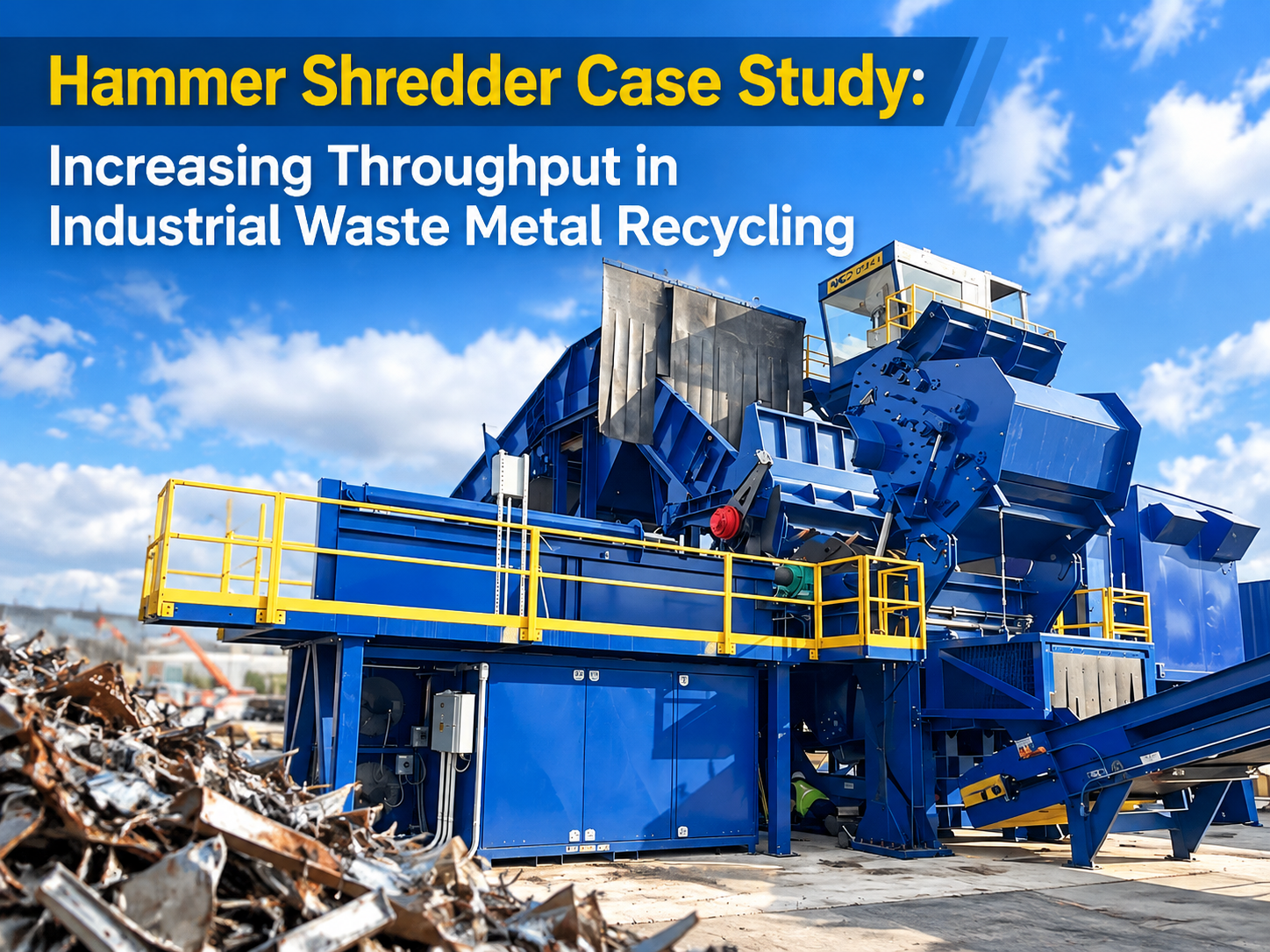
In the rapidly evolving landscape of industrial metal fabrication and waste management, the ability to process scrap efficiently is no longer just an operational advantage—it is a business necessity. As global demand for recycled raw materials surges, facilities are under immense pressure to maximize their output while minimizing energy consumption and downtime. This Hammer Shredder Case Study: Increasing Throughput In Industrial Waste Metal Recycling explores how HARSLE’s advanced shredding technology transforms the economics of scrap metal processing.
The core challenge for many recycling centers lies in the bottleneck created by outdated or underpowered shredding equipment. When a facility cannot process incoming waste metal at the same rate it is collected, the result is increased storage costs, logistical congestion, and missed revenue opportunities. By integrating high-performance hammer shredders, companies can achieve a more uniform output, higher density, and significantly faster processing cycles.
This article provides an in-depth look at the technical specifications, operational strategies, and selection criteria necessary for optimizing your recycling line. Whether you are managing a large-scale automotive scrap yard or a specialized industrial fabrication facility, understanding the mechanics of high-throughput shredding is the first step toward achieving a more profitable and sustainable operation.
HARSLE has consistently pushed the boundaries of what is possible in metal reduction technology. By focusing on robust engineering and user-centric design, our hammer shredders are built to withstand the harshest industrial environments while delivering consistent, high-volume results. In the following sections, we will break down the specific variables that influence throughput and how to leverage them for maximum efficiency.
Key Considerations for Throughput Optimization
Increasing throughput in a recycling facility is a multi-faceted challenge that requires a holistic view of the entire production line. It is not enough to simply install a larger motor; one must consider the material feed rate, the consistency of the input stream, and the downstream separation processes. A successful Hammer Shredder Case Study: Increasing Throughput In Industrial Waste Metal Recycling begins with identifying the primary constraints within your current workflow.
Material density and composition are the most significant variables affecting throughput. Shredding light-gauge sheet metal requires a different approach than processing heavy-duty structural steel or automotive engine blocks. Facilities that mix these materials without proper sorting often experience uneven wear on hammers and grates, leading to frequent maintenance stops that kill productivity. Implementing a pre-sorting phase is essential to ensure the shredder operates within its optimal design parameters.
Another critical consideration is the discharge mechanism. If the shredded material cannot be removed from the shredder chamber quickly enough, the machine will choke, leading to material buildup and potential damage to the rotor assembly. High-throughput systems must be paired with efficient conveyor systems and magnetic separation units that can handle the volume produced by the shredder without creating a secondary bottleneck.
Finally, operator training and preventative maintenance schedules play a vital role. Even the most advanced hammer shredder will underperform if the hammers are not rotated or replaced at the correct intervals. By monitoring the amperage draw of the shredder motor, operators can gain real-time insights into the machine’s load, allowing them to adjust feed rates dynamically to maintain peak throughput without risking mechanical failure.
Technical Details of HARSLE Hammer Shredders
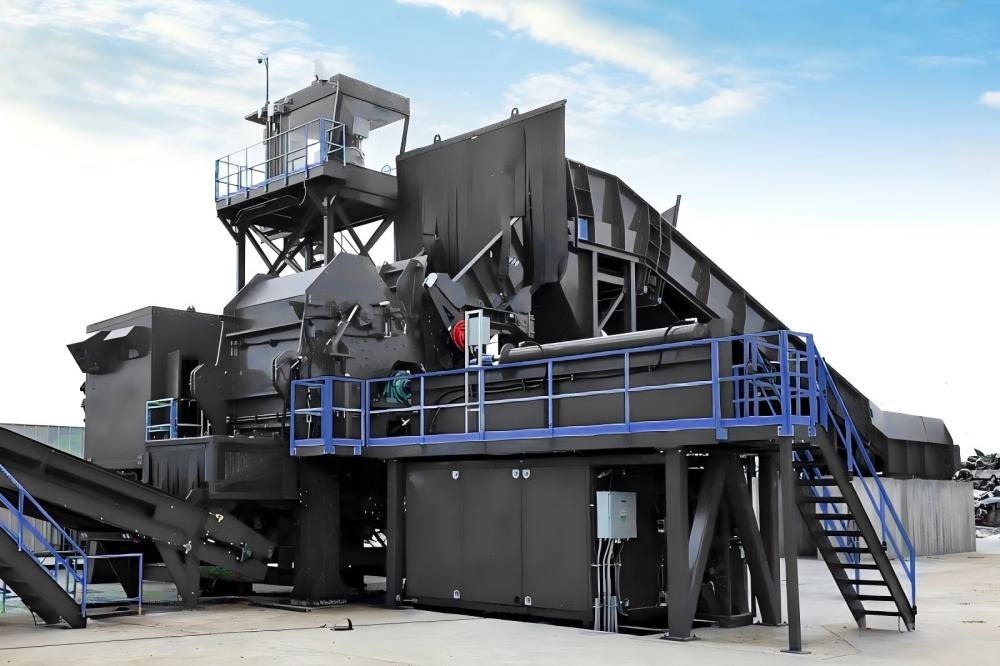
HARSLE hammer shredders are engineered with a focus on durability and high-torque performance. The heart of the machine is the heavy-duty rotor assembly, which is designed to deliver maximum kinetic energy to the material upon impact. This energy transfer is what allows for the rapid reduction of bulky scrap into high-density, furnace-ready fragments. The rotor is supported by oversized, high-load bearings that ensure stability even under the most demanding processing conditions.
The hammers themselves are constructed from specialized manganese steel alloys, chosen for their work-hardening properties. As the hammers strike the metal, the surface becomes harder, extending the operational life of the components significantly. HARSLE offers various hammer profiles, allowing operators to customize the shredding action based on the specific type of metal being processed. This versatility is a cornerstone of our Hammer Shredder Case Study: Increasing Throughput In Industrial Waste Metal Recycling approach.
The internal chamber is lined with replaceable wear plates, which protect the main housing from the abrasive nature of metal scrap. These plates are designed for easy access, ensuring that maintenance teams can perform replacements with minimal downtime. The grate system at the bottom of the shredder is equally important; it determines the final size of the shredded material. By adjusting the grate spacing, operators can control the density and purity of the output, which is crucial for meeting the quality standards of downstream smelting facilities.
Advanced control systems are integrated into every HARSLE shredder. These systems monitor vibration, temperature, and motor load, providing the operator with a comprehensive dashboard of the machine’s health. In the event of an overload, the system can automatically reverse the feed or adjust the speed to prevent a stall, ensuring that the machine remains operational for as long as possible during a shift.
Selection Advice: Choosing the Right Equipment
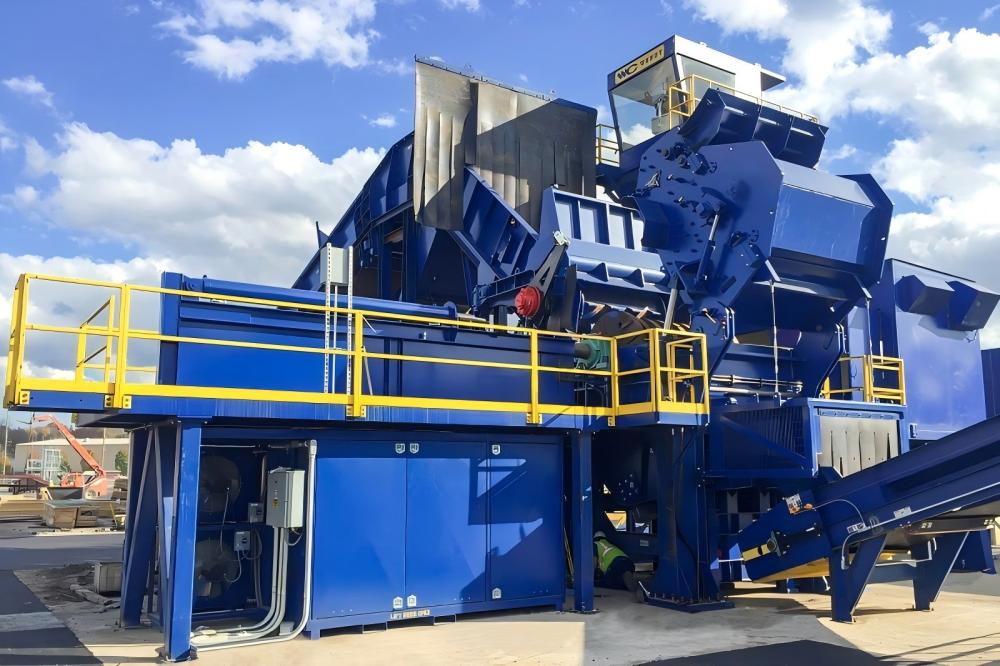
Selecting the right hammer shredder is a significant capital investment that requires careful analysis of your current and future production needs. When evaluating options, the first step is to conduct a thorough audit of your material stream. Are you processing mostly aluminum, steel, or a mixed stream? The density and volume of your scrap will dictate the required horsepower and the physical size of the shredder chamber.
Consider the scalability of the system. A common mistake in the industry is purchasing a machine that meets current needs but lacks the capacity for future growth. HARSLE recommends selecting a shredder with a modular design, which allows for the addition of auxiliary equipment or the upgrading of motor components as your business expands. This forward-thinking approach ensures that your initial investment continues to provide value for years to come.
Energy efficiency is another critical factor. While high throughput is the goal, it should not come at the expense of excessive power consumption. HARSLE shredders are designed with high-efficiency motors and optimized drive trains that minimize energy loss. When comparing models, look at the throughput-to-power ratio rather than just the raw horsepower. A more efficient machine will have lower operating costs, directly impacting your bottom line.
Finally, consider the support and service infrastructure of the manufacturer. A hammer shredder is a heavy-duty piece of equipment that requires regular maintenance and occasional part replacement. Partnering with a manufacturer like HARSLE, which provides comprehensive technical support, readily available spare parts, and expert guidance, is just as important as the machine itself. Ensure that your chosen supplier can provide training for your maintenance team to keep the equipment running at peak performance.
Buyer Checklist for Hammer Shredders
- Material Analysis: Define the maximum size and thickness of the scrap you intend to process.
- Throughput Requirements: Calculate your target tons-per-hour (TPH) based on current and projected demand.
- Space Constraints: Measure the footprint of the installation area, including space for conveyors and maintenance access.
- Power Availability: Verify that your facility has the electrical infrastructure to support the required motor load.
- Output Quality: Determine the required fragment size for your end-customers or downstream processes.
- Maintenance Accessibility: Evaluate how easily the hammers, grates, and wear plates can be accessed and replaced.
FAQ: Common Questions About Industrial Shredding
Q: How often should I replace the hammers in my shredder?
A: The frequency of hammer replacement depends on the abrasiveness and volume of the material processed. We recommend a visual inspection every 50-100 operating hours. Using high-quality manganese steel hammers and rotating them regularly can significantly extend their service life.
Q: Can a hammer shredder process mixed metal waste?
A: Yes, but it is highly recommended to use a pre-sorting system. Removing non-metallic contaminants like wood, plastic, or concrete will not only improve the quality of your output but also prevent unnecessary wear on the shredder components.
Q: How does the grate size affect the final product?
A: The grate size acts as a filter. Smaller grate openings result in a finer, more uniform product but may reduce overall throughput. Larger openings allow for faster processing but result in larger, less dense fragments. Choosing the right grate is a balance between throughput and product specification.
Q: What is the most common cause of shredder downtime?
A: The most common causes are improper material feeding (overloading) and neglecting routine maintenance. By using the HARSLE control system to monitor motor load and adhering to a strict lubrication and inspection schedule, most downtime can be avoided.
Q: Is it possible to retrofit an existing line with a HARSLE shredder?
A: Absolutely. Our engineering team specializes in integrating our shredders into existing production lines. We work closely with your team to ensure that the shredder, conveyors, and separation units are perfectly synchronized for maximum efficiency.
Fazit
The journey toward a more efficient recycling operation is paved with informed decisions and the right technology. As demonstrated in this Hammer Shredder Case Study: Increasing Throughput In Industrial Waste Metal Recycling, the combination of robust equipment, strategic material management, and proactive maintenance is the key to unlocking higher profitability. HARSLE remains committed to providing the metal fabrication and recycling industries with the tools they need to succeed in a competitive global market.
By focusing on the technical nuances of hammer shredder operation—from rotor design to grate selection—facilities can overcome the common bottlenecks that hinder growth. We encourage you to evaluate your current processes against the standards discussed in this guide and consider how an upgrade to HARSLE technology could transform your throughput capabilities. Investing in high-performance machinery is not just about moving more metal; it is about building a sustainable and resilient business model for the future.
If you are ready to take the next step in optimizing your recycling facility, our team of experts is available to provide a detailed consultation. We can help you analyze your specific material stream, recommend the ideal shredder configuration, and provide a roadmap for integration into your existing workflow. Contact HARSLE today to learn more about how we can help you achieve your production goals.












