Four-Shaft Shredder Vibration Problems: Root Causes and Repair Tips


Introduction to Four-Shaft Shredder Vibration Problems: Root Causes and Repair Tips
In the demanding world of metal fabrication and industrial recycling, the four-shaft shredder stands as a cornerstone of efficiency. These heavy-duty machines are engineered to process complex waste streams, from electronic scrap to bulky metal components. However, even the most robust equipment can encounter operational hurdles. Among the most common and concerning issues are four-shaft shredder vibration problems, which can lead to premature component failure, decreased throughput, and significant safety risks if left unaddressed.
Understanding the nuances of these vibrations is essential for maintenance teams and plant managers. When a shredder begins to exhibit abnormal shaking or rhythmic oscillation, it is often a symptom of an underlying mechanical imbalance or structural compromise. By mastering the root causes and repair tips, operators can extend the lifespan of their HARSLE equipment and ensure consistent performance in high-volume environments.
This comprehensive guide explores the technical intricacies of vibration analysis in four-shaft shredders. We will delve into the mechanical, electrical, and operational factors that contribute to these issues, providing actionable advice for diagnosis and remediation. Whether you are dealing with minor tremors or severe structural rattling, this article serves as your definitive resource for maintaining industrial shredder integrity.
Key Considerations for Shredder Stability
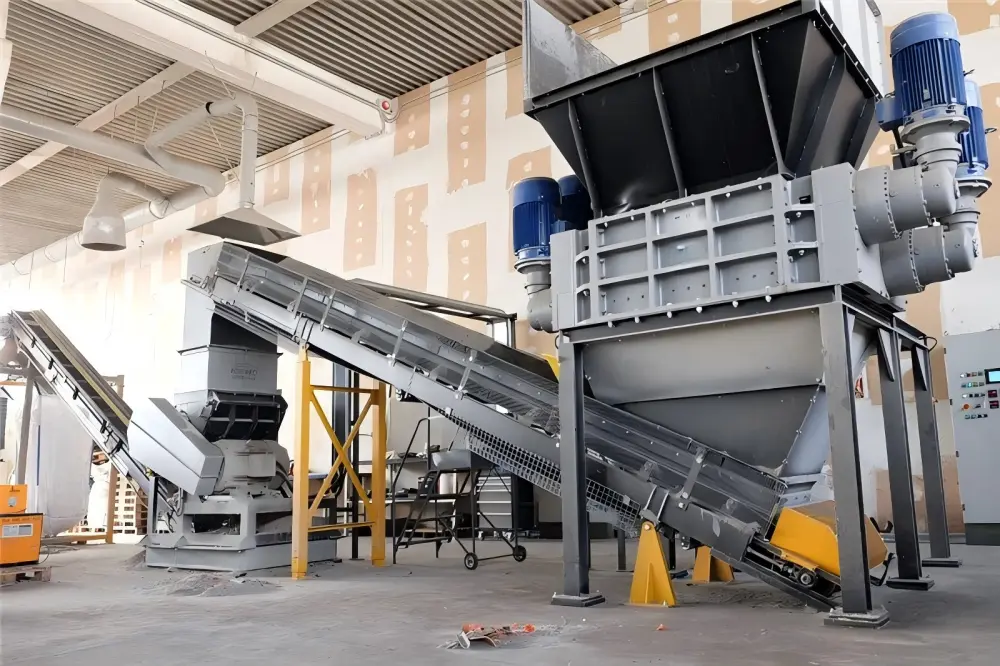
Stability is the foundation of effective shredding. A four-shaft shredder operates on the principle of high-torque, low-speed shearing, which naturally generates significant kinetic energy. When this energy is not properly contained or balanced, it manifests as vibration. The first consideration for any operator is the structural foundation of the machine. If the mounting bolts are loose or the concrete pad is cracked, the machine will inevitably vibrate under load, regardless of its internal health.
Another critical factor is the uniformity of the feed material. Four-shaft shredders are designed to handle specific material densities. When operators introduce oversized or non-compliant materials—such as hardened alloy steel into a machine calibrated for aluminum—the shredding shafts experience uneven resistance. This uneven load distribution creates a “bouncing” effect within the cutting chamber, which translates into external vibration.
Environmental factors also play a role in machine stability. Industrial environments are often subject to temperature fluctuations and humidity, which can affect the lubrication viscosity and the integrity of rubber dampeners. Over time, these dampeners can harden or crack, losing their ability to absorb the micro-vibrations inherent in the shredding process. Regular inspection of these dampening systems is a non-negotiable aspect of preventative maintenance.
Finally, the synchronization of the four shafts is paramount. These machines rely on precise timing gears to ensure the cutters intermesh without collision. If the timing is slightly off, the shafts may experience intermittent binding or “clashing,” which creates a distinct, rhythmic vibration pattern. Ensuring that the gear train is properly lubricated and that the timing marks are aligned is essential for maintaining a smooth, vibration-free operation.
Technical Details: Diagnosing Root Causes
To effectively address four-shaft shredder vibration problems, one must look at the mechanical heart of the system: the cutting chamber. The most frequent cause of vibration is uneven wear on the shredder blades. When blades become dull or chipped, they no longer cut material cleanly; instead, they tear and pull at it. This erratic cutting action creates fluctuating torque loads on the shafts, leading to vibration that can be felt throughout the entire machine frame.
Bearing failure is another primary culprit. The shafts in a four-shaft shredder are supported by heavy-duty bearings designed to withstand immense radial and axial loads. If a bearing begins to fail—due to lack of lubrication, contamination, or simple fatigue—it will develop internal clearance. This clearance allows the shaft to “wobble” slightly during rotation. As the shaft wobbles, the cutters lose their precise intermeshing, causing the entire shredding assembly to vibrate violently.
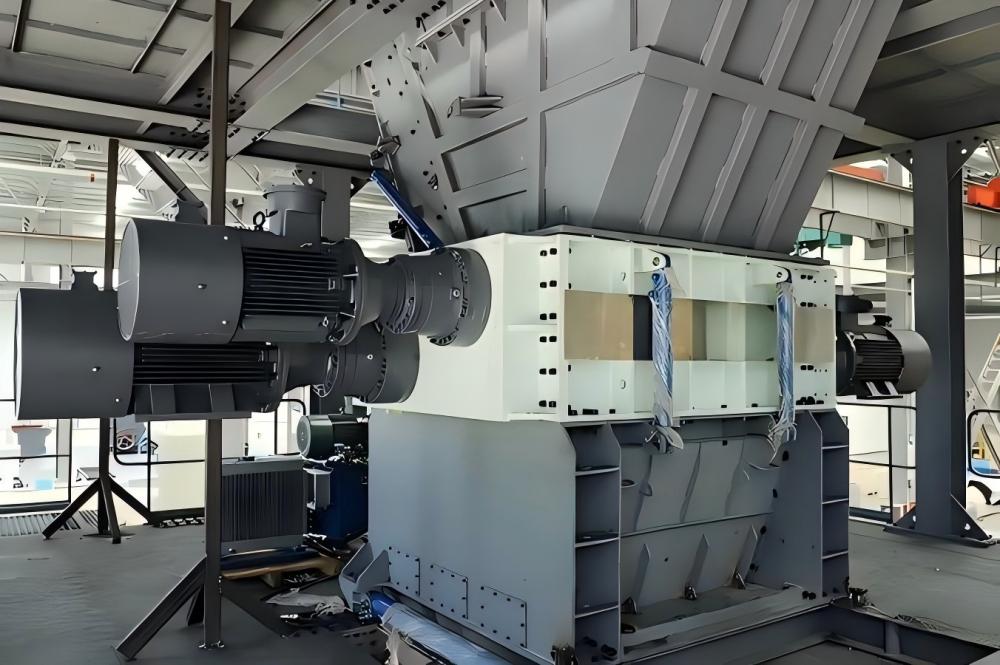
The drive system, including the motors, couplings, and gearboxes, must also be scrutinized. Misalignment between the motor and the gearbox is a common source of high-frequency vibration. Even a misalignment of a few millimeters can cause excessive stress on the coupling elements, leading to rapid wear and vibration. Furthermore, if the gearbox itself has damaged teeth or worn internal bearings, the vibration will be transmitted directly to the shredder shafts, creating a persistent, high-pitched hum or rattle.
Material buildup within the cutting chamber is a frequently overlooked cause. If debris accumulates behind the blades or in the gaps between the shafts, it can disrupt the flow of material and create an unbalanced rotating mass. This is particularly common when processing sticky or fibrous materials. Regular cleaning cycles and the use of automated reverse-purge functions are essential to prevent this type of accumulation-induced vibration.
Repair Tips and Maintenance Strategies
When vibration is detected, the first step is to perform a systematic diagnostic check. Start by shutting down the machine and performing a visual inspection of the cutting chamber. Look for broken teeth, uneven wear patterns, or foreign objects lodged between the shafts. If the blades are damaged, they should be replaced or re-sharpened immediately to restore the balance of the cutting assembly.
If the blades are in good condition, check the shaft bearings. Use a vibration analyzer or a simple stethoscope to listen for grinding or clicking noises near the bearing housings. If a bearing is suspected to be failing, it must be replaced before it causes catastrophic damage to the shaft or the gearbox. Always use high-quality, manufacturer-specified bearings to ensure long-term reliability.
Alignment is the next area of focus. Use laser alignment tools to verify the position of the motor, couplings, and gearboxes. If misalignment is detected, adjust the shims and mounting bolts until the components are perfectly centered. It is also wise to check the condition of the coupling inserts; if they are worn or brittle, replace them with new, high-durometer rubber or polyurethane inserts to better absorb shock loads.
Finally, establish a rigorous lubrication schedule. Many vibration issues are caused by friction resulting from inadequate lubrication. Ensure that all grease points are serviced according to the HARSLE maintenance manual. Use the correct grade of lubricant for the operating temperature and load conditions. A well-lubricated machine runs cooler, quieter, and with significantly less vibration than one that is neglected.
Selection Advice: Choosing the Right Shredder
Selecting the right four-shaft shredder is the most effective way to prevent vibration problems before they start. When evaluating equipment, consider the specific material density and throughput requirements of your facility. A machine that is undersized for the job will be constantly pushed to its limits, leading to excessive heat, wear, and vibration. Always opt for a shredder with a safety margin in its torque and processing capacity.
Look for machines that feature advanced control systems. Modern HARSLE shredders are equipped with intelligent sensors that monitor motor current and shaft speed. If the system detects an overload or an imbalance, it can automatically adjust the feed rate or trigger a reverse cycle to clear the obstruction. This proactive management significantly reduces the mechanical stress that leads to vibration.
Consider the build quality of the frame and the cutting chamber. A heavy-duty, reinforced steel frame is essential for dampening the vibrations generated by the shredding process. Avoid machines with lightweight or flimsy construction, as they are prone to structural fatigue and misalignment over time. The quality of the gearboxes and the precision of the shaft machining are also indicators of a machine’s long-term stability.
Finally, prioritize ease of maintenance. A shredder that allows for quick access to the cutting chamber and easy replacement of blades and bearings will be maintained more consistently. When maintenance is easy, it gets done. When it is difficult, it is often skipped, leading to the very vibration problems you are trying to avoid. Choose a partner like HARSLE that provides comprehensive support, spare parts availability, and technical training for your maintenance team.
FAQ: Addressing Common Concerns
- Q: How often should I check my shredder for vibration?
A: You should perform a basic visual and auditory check daily. A more detailed vibration analysis using diagnostic tools should be conducted during every scheduled maintenance interval, or at least quarterly. - Q: Can loose bolts cause major damage?
A: Yes. Loose mounting bolts allow the machine to shift, which puts uneven stress on the drive train and can lead to cracked frames or broken shafts over time. - Q: What is the most common cause of sudden, violent shaking?
A: Sudden, violent shaking is usually caused by a large, non-shreddable object (like a solid steel block or a tool) entering the cutting chamber, or a catastrophic failure of a bearing or gear. Stop the machine immediately. - Q: Does the type of material affect vibration levels?
A: Absolutely. Harder, denser materials require more torque and create more shock loads. Ensure your shredder is configured with the appropriate blade geometry for your specific material stream. - Q: Is it normal for a shredder to vibrate slightly?
A: A small amount of vibration is normal due to the nature of the shearing process. However, if the vibration increases in intensity, changes frequency, or causes the machine to “walk” on its foundation, it requires immediate attention.
Fazit
Managing four-shaft shredder vibration problems is a critical aspect of maintaining a productive and safe metal fabrication environment. By understanding the root causes—ranging from blade wear and bearing failure to misalignment and improper material feeding—operators can take proactive steps to keep their equipment running at peak performance. Remember that vibration is a language; it is the machine telling you that something is out of balance.
Through regular maintenance, precise alignment, and the selection of high-quality industrial machinery, you can mitigate these issues and extend the operational life of your shredder. HARSLE remains committed to providing the robust equipment and technical expertise necessary to support your recycling and fabrication goals. Do not ignore the signs of vibration; address them early, maintain your systems with care, and enjoy the reliability that comes with a well-tuned industrial shredder.