Container Shear Installation Results In Faster Scrap Yard Throughput: A Comprehensive Guide

Introduction: The Evolution of Scrap Processing
In the modern metal recycling industry, efficiency is the primary driver of profitability. As global demand for processed scrap metal continues to rise, scrap yard operators are under increasing pressure to handle larger volumes of material in shorter timeframes. The transition from traditional, labor-intensive cutting methods to automated, high-capacity systems has become a necessity rather than a luxury. Specifically, a container shear installation results in faster scrap yard throughput by streamlining the entire material handling and processing workflow.
HARSLE has observed that many facilities struggle with bottlenecks caused by outdated equipment that requires frequent manual intervention. By integrating a container shear, operators can transform their yard from a slow, fragmented operation into a high-speed, continuous processing hub. This article explores the technical advantages, operational shifts, and strategic benefits of upgrading to modern container shear technology.
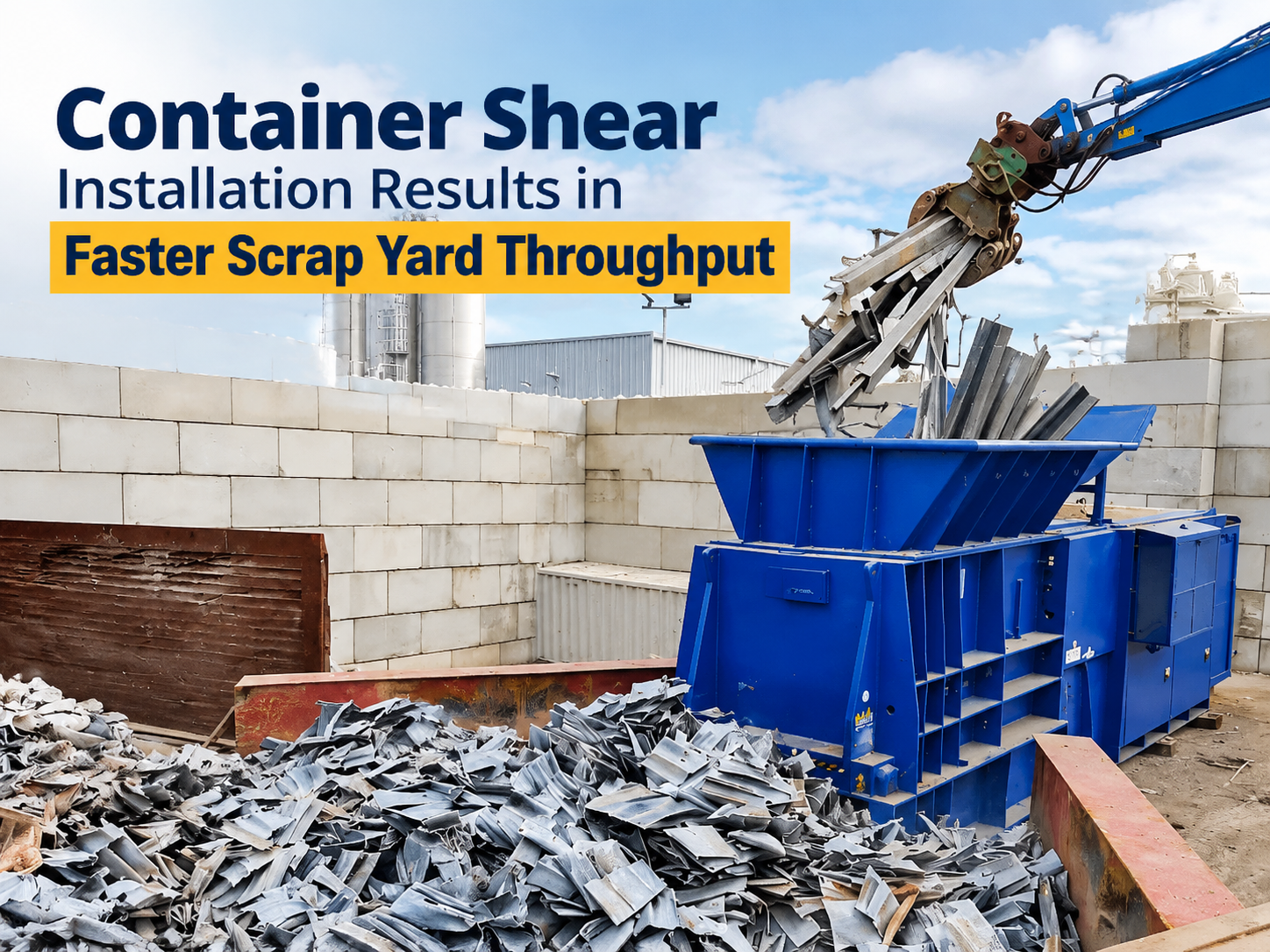
The container shear is uniquely designed to combine the mobility of a containerized unit with the raw power of a heavy-duty hydraulic shear. This dual-purpose design allows for the direct loading of scrap into the shear box, which then processes the material into uniform, furnace-ready sizes. The result is a significant reduction in cycle times and a marked improvement in the quality of the final output.
For scrap yard managers, the decision to invest in this technology is often backed by clear ROI metrics. When a container shear installation results in faster scrap yard throughput, it directly impacts the bottom line by reducing labor costs, lowering energy consumption per ton of processed metal, and increasing the market value of the scrap produced. This guide will delve into the critical aspects of selecting, installing, and maintaining these powerful machines.
Key Considerations for Scrap Yard Optimization
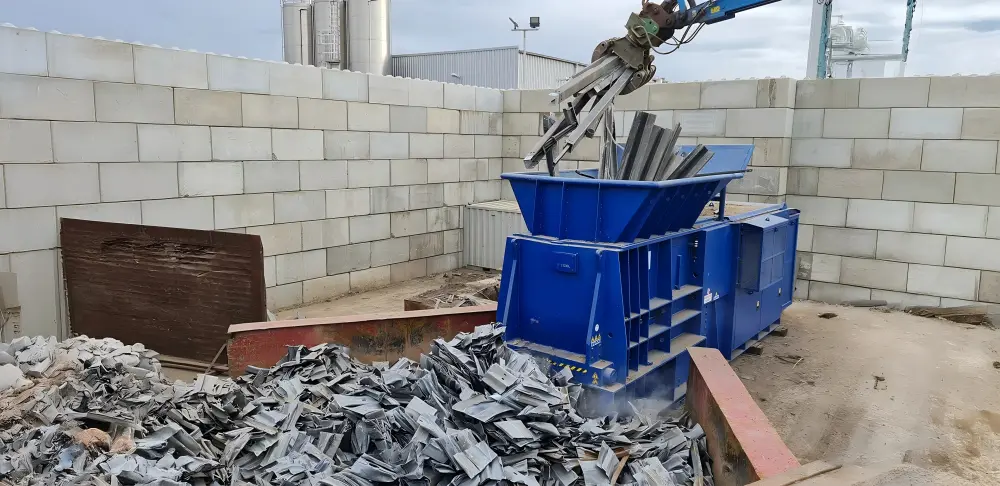
Before committing to a new equipment installation, yard operators must evaluate their current operational flow. The primary goal is to identify where the current bottlenecks exist. Are you losing time due to manual sorting? Is your current shear capacity unable to keep up with the volume of incoming scrap? A container shear installation results in faster scrap yard throughput by addressing these specific pain points through automation and high-force cutting capabilities.
Space management is another critical consideration. Unlike stationary, massive shear installations that require extensive foundation work, container shears offer a modular footprint. This allows operators to place the equipment strategically within the yard to minimize the distance that loaders and excavators must travel. By reducing the travel time of material handling equipment, the overall throughput of the yard increases significantly.
Safety and environmental compliance are also paramount. Modern container shears are equipped with advanced safety features, including emergency stop systems, protective enclosures, and noise-reduction technologies. Furthermore, by processing scrap on-site, yards can reduce the number of truck trips required to transport bulky, unprocessed material, thereby lowering the carbon footprint of the entire operation.
Finally, consider the versatility of the material being processed. A high-quality container shear should be capable of handling a wide range of scrap types, from light-gauge sheet metal to heavy structural beams. The ability to switch between different cutting modes or adjust the shear force based on the material density is essential for maintaining a consistent throughput rate throughout the workday.
Technical Details of HARSLE Container Shears
The engineering behind a HARSLE container shear is focused on durability and high-frequency operation. At the core of the system is a robust hydraulic power unit that delivers consistent force, even under continuous load. The shear box is constructed from high-strength, wear-resistant steel, ensuring that it can withstand the abrasive nature of scrap metal over thousands of cycles.
One of the standout technical features is the automated feeding system. By utilizing a hydraulic pusher or a pre-compression mechanism, the container shear ensures that the material is densely packed before the cutting stroke. This pre-compression is vital; it prevents the material from shifting during the cut, which protects the shear blades and ensures a clean, precise cut every time. This precision is why a container shear installation results in faster scrap yard throughput—less time is spent clearing jams or re-cutting oversized pieces.
The blade design is another area of innovation. HARSLE utilizes high-grade alloy steel blades that are reversible and easily replaceable. This design choice minimizes downtime during maintenance intervals. The hydraulic system also features intelligent pressure sensing, which automatically adjusts the cutting force based on the resistance encountered. This prevents unnecessary strain on the machine and optimizes energy usage.
Integration with digital monitoring systems allows operators to track performance in real-time. By monitoring cycle times, hydraulic pressure, and blade wear, managers can make data-driven decisions about maintenance schedules. This proactive approach ensures that the machine remains operational during peak hours, further contributing to the overall efficiency of the scrap yard.
Selection Advice: Choosing the Right Equipment
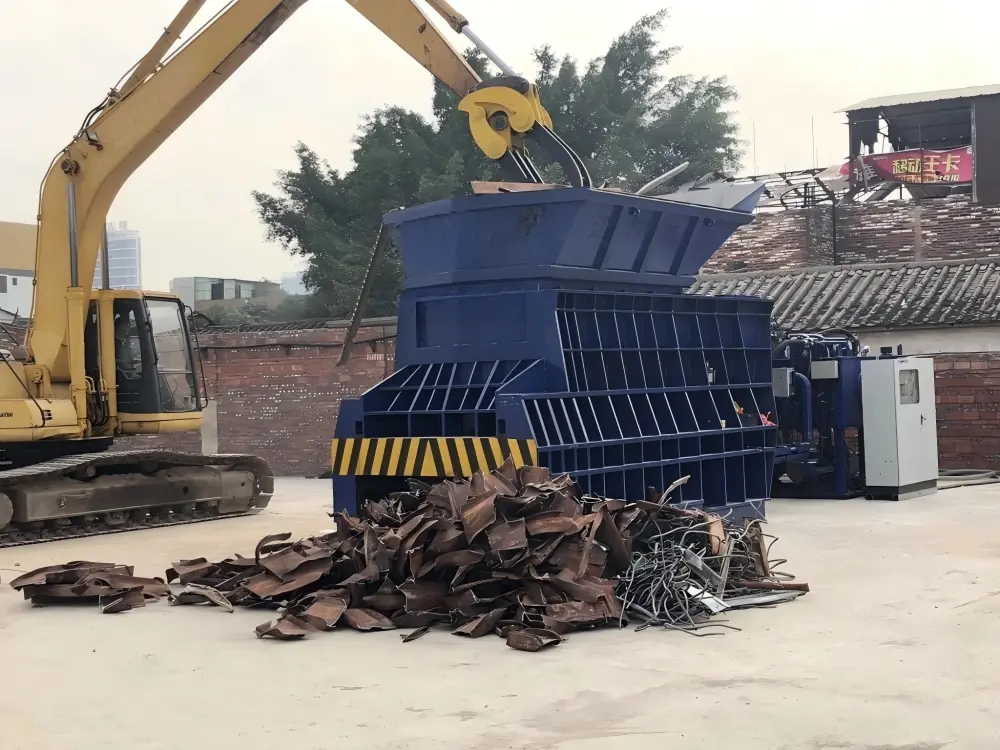
Selecting the right container shear requires a thorough analysis of your yard’s specific needs. Start by calculating your daily processing volume. If your yard processes hundreds of tons per week, you will need a model with a larger shear box and a more powerful hydraulic system. Conversely, smaller yards might benefit from a more compact model that offers better mobility and lower initial investment costs.
Consider the power source options. While electric-powered shears are generally more energy-efficient and quieter, diesel-powered units offer the flexibility to operate in areas without reliable grid access. HARSLE provides both options, allowing you to tailor the machine to your specific site infrastructure. Always prioritize machines that offer easy access to hydraulic components for routine maintenance.
Look for manufacturers that provide comprehensive after-sales support. A container shear is a significant investment, and having access to spare parts, technical training, and remote diagnostic support is crucial. A container shear installation results in faster scrap yard throughput only if the machine is running; therefore, the availability of local service technicians and a robust supply chain for wear parts should be a deciding factor in your purchase.
Finally, evaluate the ease of integration. The best container shears are designed to be “plug-and-play” or require minimal site preparation. Check if the unit comes with integrated controls that can be easily operated by your existing staff. Training your team to operate the shear efficiently is just as important as the hardware itself, as it ensures that the machine is utilized to its full potential.
Maintenance and Operational Best Practices
To ensure that your container shear installation results in faster scrap yard throughput over the long term, a rigorous maintenance schedule is non-negotiable. Daily inspections should focus on the condition of the shear blades, the integrity of the hydraulic hoses, and the cleanliness of the cooling system. Removing debris from the cutting area prevents premature wear and ensures that the machine operates at peak performance.
Lubrication is the lifeblood of any hydraulic machine. Regularly check the hydraulic fluid levels and quality. Contaminated fluid can lead to pump failure and sluggish cycle times. By adhering to a strict fluid change schedule and using high-quality filters, you can extend the lifespan of your hydraulic system by years. Additionally, ensure that all moving parts are properly greased to prevent friction-related damage.
Operator training is a critical component of maintenance. Operators should be trained to recognize the signs of blade dullness, such as increased cycle times or jagged edges on the cut material. When blades become dull, the machine must work harder, which consumes more energy and puts unnecessary stress on the hydraulic cylinders. Replacing blades at the first sign of wear is a cost-effective way to maintain high throughput.
Finally, keep a detailed log of all maintenance activities. This documentation is invaluable for troubleshooting and for maintaining warranty compliance. By tracking the performance of the machine over time, you can identify patterns that might indicate a need for a more comprehensive overhaul before a major failure occurs. Consistent maintenance is the secret to sustained high-speed operations.
FAQ: Common Questions About Container Shears
- Q: How does a container shear differ from a stationary shear?
A: A container shear is designed for mobility and ease of installation. It is built into a standard container frame, allowing it to be transported and set up quickly without the need for massive concrete foundations. - Q: Can a container shear handle stainless steel?
A: Yes, HARSLE container shears are engineered to handle various metal types, including stainless steel, provided the material thickness is within the machine’s rated capacity. - Q: How long does it take to install a container shear?
A: Because of their modular design, installation is significantly faster than stationary systems. Most units can be operational within a few days of delivery, depending on site preparation. - Q: Does the container shear require a specialized operator?
A: While the machine is sophisticated, the control interfaces are designed for intuitive use. With proper training, existing yard staff can operate the equipment safely and efficiently. - Q: How often should I replace the shear blades?
A: Blade life depends on the volume and type of scrap processed. Regular inspection is key; however, most operators find that a scheduled rotation and replacement program based on tonnage processed is the most effective approach.
Conclusion: Investing in Future Efficiency
The evidence is clear: a container shear installation results in faster scrap yard throughput by optimizing the processing cycle, reducing manual labor, and improving the quality of the final product. For scrap yard owners looking to scale their operations and remain competitive in a demanding market, this technology represents a vital upgrade. By choosing a reliable partner like HARSLE, you gain access to high-performance machinery backed by technical expertise and a commitment to industrial excellence.
As the recycling industry continues to evolve, the ability to process material quickly and cleanly will define the leaders in the field. Investing in a container shear is not just about buying a machine; it is about investing in the future of your business. With the right equipment, proper maintenance, and a focus on operational efficiency, your scrap yard can achieve new levels of productivity and profitability. Take the step today to modernize your facility and experience the transformative power of high-speed scrap processing.