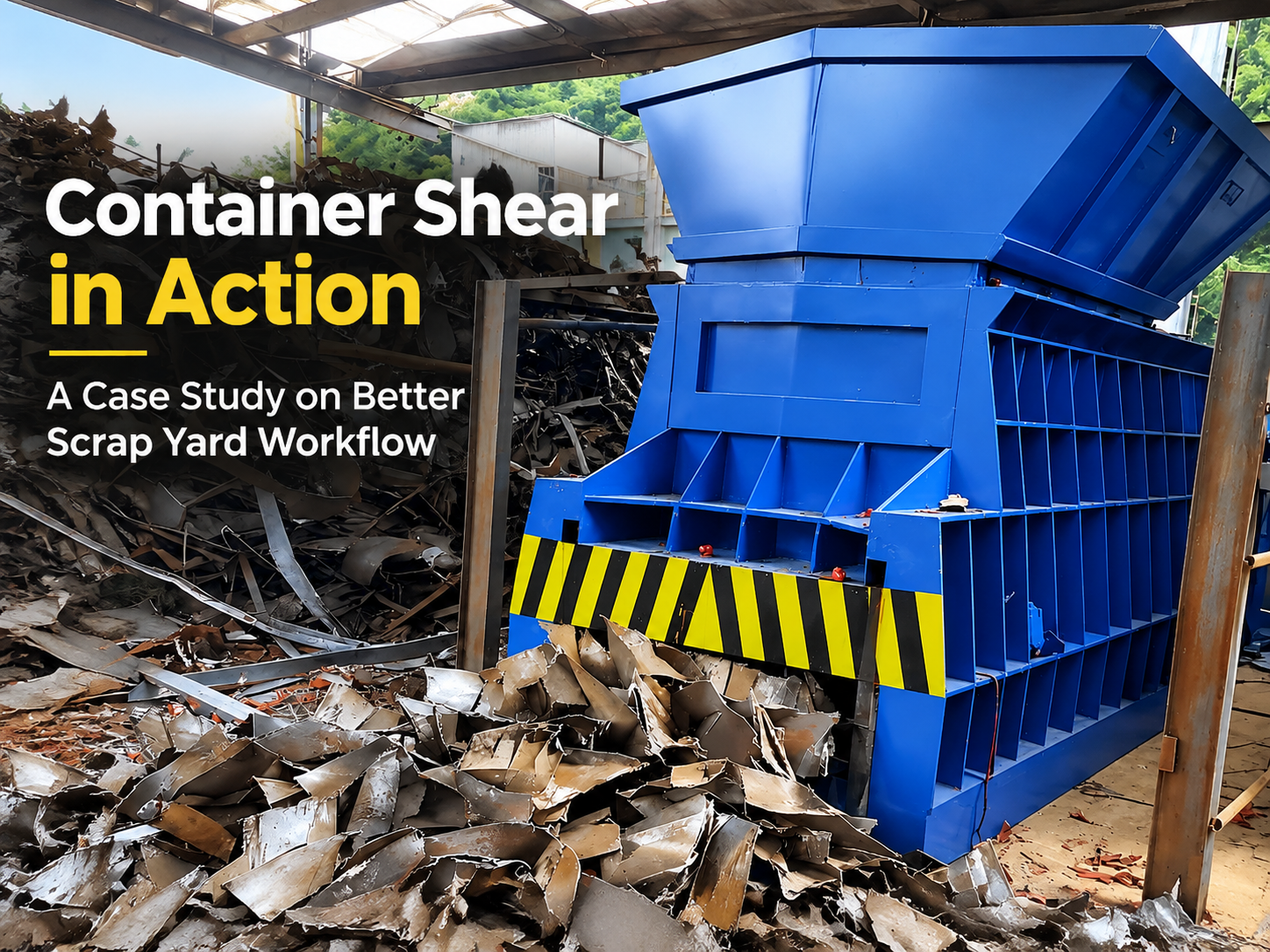
Container Shear In Action: A Case Study On Better Scrap Yard Workflow

Introduction
In the modern metal recycling industry, efficiency is the primary driver of profitability. Scrap yards are constantly challenged by rising labor costs, fluctuating commodity prices, and the need for rapid material throughput. The implementation of a high-performance container shear has become a transformative solution for facilities looking to streamline their operations. In this article, we explore a Container Shear In Action: A Case Study On Better Scrap Yard Workflow, demonstrating how HARSLE technology redefines industrial processing.
The traditional scrap yard workflow often suffers from bottlenecks caused by inefficient material handling and slow cutting cycles. When scrap metal is not processed into uniform, high-density loads, transport costs skyrocket and furnace efficiency at the foundry drops. By integrating a container shear, operators can move from a fragmented, manual-heavy process to a streamlined, automated system that maximizes every square foot of the yard.
HARSLE has engineered its container shear series to address these specific pain points. These machines are designed to be mobile, powerful, and incredibly durable, allowing scrap yard managers to process heavy steel, profiles, and mixed scrap directly into shipping containers. This case study highlights the tangible benefits of adopting such technology, focusing on the transition from traditional processing to a modern, shear-integrated workflow.
Throughout this guide, we will analyze the technical advantages of container shears, the critical factors for selecting the right equipment, and the long-term operational impact on your business. Whether you are a small-scale recycler or a large industrial facility, understanding the mechanics of these shears is essential for staying competitive in a global market.
Key Considerations for Scrap Yard Optimization
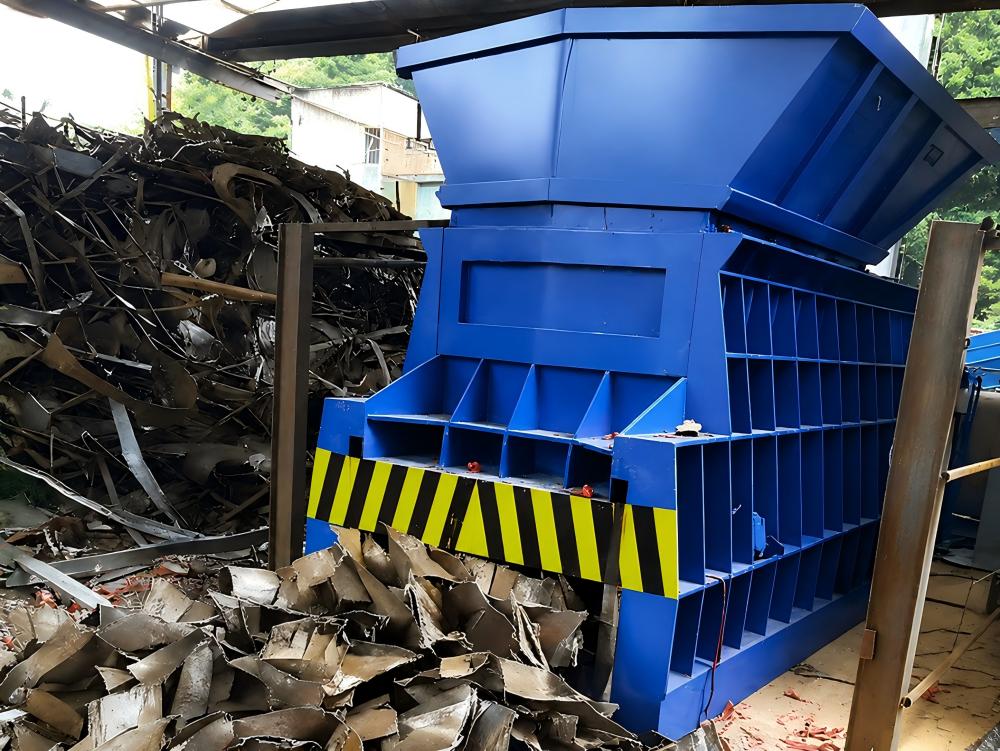
Optimizing a scrap yard requires a holistic view of the material flow. The first consideration is the reduction of material handling. Every time a piece of scrap is moved, lifted, or sorted, the yard incurs a cost. A container shear minimizes this by allowing the machine to be positioned near the source of the scrap, reducing the need for long-distance transport within the yard.
Another critical factor is the density of the processed material. Foundries and steel mills pay premiums for high-density scrap because it is easier to melt and transport. A container shear provides the necessary force to compress and cut material into consistent sizes, ensuring that every container shipped is at maximum weight capacity. This directly impacts the bottom line by reducing the number of shipments required for the same volume of metal.
Safety is paramount in any industrial environment. Traditional cutting methods, such as manual torch cutting, expose workers to hazardous fumes, extreme heat, and the risk of fire. By moving to a container shear, the process is enclosed and automated. Operators control the machine from a safe distance, significantly reducing the risk of workplace accidents and improving the overall safety culture of the facility.
Finally, the scalability of the operation must be considered. As a scrap yard grows, the equipment must be able to handle increased volumes without sacrificing quality. HARSLE container shears are built with modularity in mind, allowing for upgrades or integration with other sorting and conveying systems as the business expands. This forward-thinking approach ensures that your initial investment remains relevant for years to come.
Technical Details of HARSLE Container Shears
The technical superiority of HARSLE container shears lies in their robust hydraulic systems and high-grade alloy blades. These machines are designed to exert immense cutting force, capable of shearing through heavy structural steel, I-beams, and thick plates with ease. The hydraulic cylinders are engineered for high-pressure endurance, ensuring consistent performance even under continuous, heavy-duty operation.
The control system is another highlight. HARSLE utilizes advanced PLC (Programmable Logic Controller) technology that allows for precise control over the cutting cycle. Operators can adjust the stroke length and frequency based on the type of material being processed, which optimizes energy consumption and extends the life of the shear blades. This level of automation is what makes the container shear a cornerstone of modern scrap yard workflow.
Durability is ensured through the use of wear-resistant materials in the shear box and the cutting chamber. The interior walls are reinforced to withstand the abrasive nature of scrap metal, preventing premature wear and tear. Furthermore, the maintenance access points are strategically placed, allowing for quick blade changes and hydraulic fluid checks, which minimizes downtime and keeps the machine running at peak efficiency.
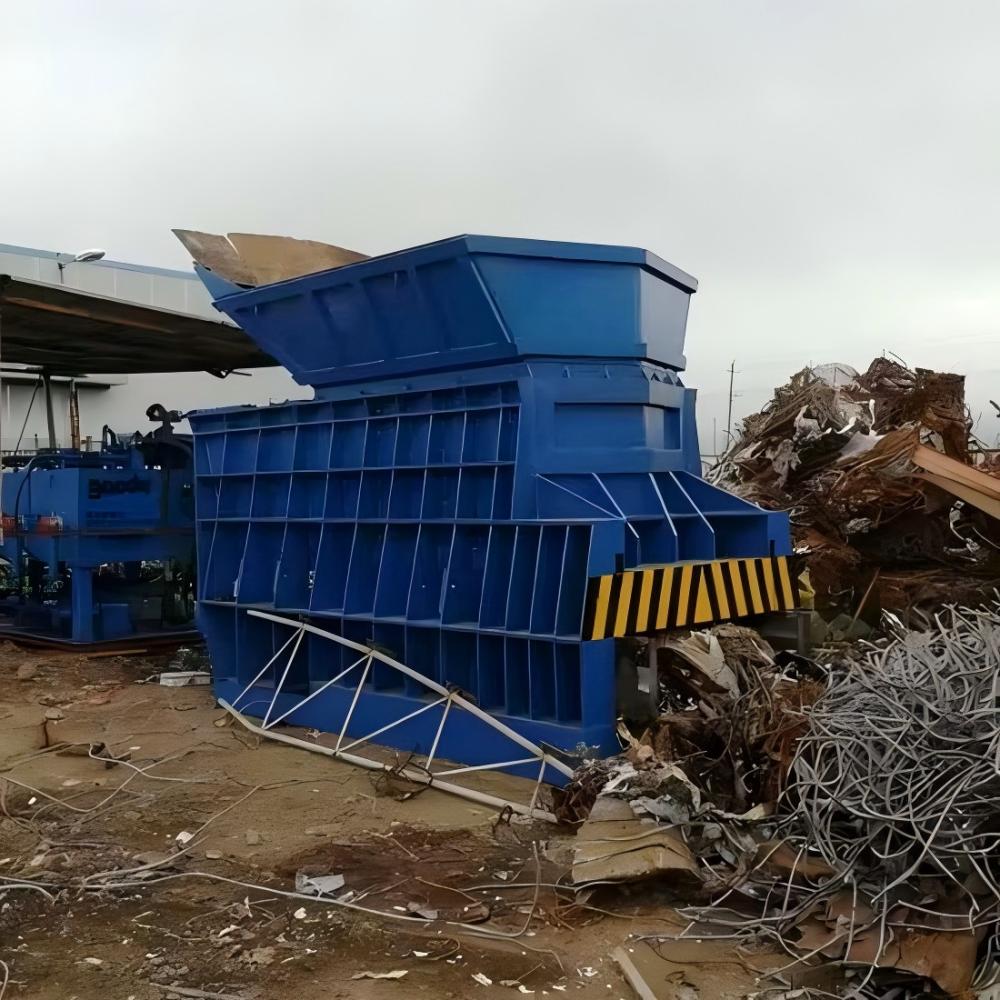
The mobility of the container shear is a key technical advantage. Unlike stationary shears that require massive concrete foundations and complex installations, HARSLE container shears are designed to be easily transported and set up. This flexibility allows yard managers to relocate the machine to different areas of the yard based on where the scrap accumulation is highest, effectively turning the entire yard into a dynamic processing zone.
Selection Advice: Choosing the Right Equipment
When selecting a container shear, the first step is to assess your specific material profile. Are you primarily processing light-gauge sheet metal, or are you dealing with heavy structural steel? The cutting force required for these two extremes is vastly different. HARSLE offers a range of models, and choosing the one that matches your average material thickness is crucial for avoiding both underperformance and over-investment.
Consider the throughput requirements of your facility. If you are processing hundreds of tons per month, you need a machine with a fast cycle time and a large loading chamber. Conversely, a smaller yard might benefit more from a compact model that offers high versatility without the footprint of a massive industrial shear. Always look at the “tons per hour” rating provided by the manufacturer as a baseline for your decision.
The power source is another vital consideration. While most container shears are electric-hydraulic, some environments may require diesel-powered units if grid electricity is unavailable or unreliable. HARSLE provides options for both, ensuring that your equipment can operate effectively regardless of your yard’s infrastructure. Discussing your power availability with a HARSLE representative is a recommended step in the buying process.
Finally, evaluate the support and service network. Industrial machinery is a long-term commitment, and having access to spare parts, technical support, and expert maintenance advice is just as important as the machine itself. HARSLE prides itself on a comprehensive service model, ensuring that your container shear remains a productive asset for its entire lifecycle. Always request a detailed maintenance schedule and training guide upon purchase.
FAQ: Container Shear Operations
- What is the primary advantage of a container shear over a stationary shear? The primary advantage is mobility and the ability to load processed scrap directly into shipping containers, which significantly reduces material handling costs and logistics time.
- How often do the shear blades need to be replaced? Blade life depends on the type of material processed and the frequency of use. HARSLE blades are made from high-strength alloy steel, but regular inspection and proper gap adjustment are necessary to maximize their lifespan.
- Can a container shear handle mixed scrap? Yes, these machines are designed to handle a variety of materials, including mixed scrap, provided the material does not exceed the maximum shear force capacity of the specific model.
- What kind of maintenance is required for the hydraulic system? Routine maintenance includes checking hydraulic fluid levels, monitoring for leaks, and ensuring the filters are clean. Annual professional inspections are recommended to prevent major system failures.
- Is special training required to operate a HARSLE container shear? While the controls are user-friendly, we recommend professional training for operators to ensure safety, maximize efficiency, and understand the machine’s full capabilities.
Fazit
The transition to a more efficient scrap yard workflow is not just about buying new equipment; it is about investing in a system that changes how you handle, process, and sell your material. As demonstrated in this Container Shear In Action: A Case Study On Better Scrap Yard Workflow, the integration of HARSLE technology provides a clear path to increased productivity, improved safety, and higher profit margins. By reducing manual labor and optimizing the density of your scrap, you position your business to thrive in a competitive metal fabrication and recycling landscape.
HARSLE remains committed to providing the industrial machinery necessary to meet these challenges. Our container shears are more than just tools; they are the backbone of a modern, efficient, and profitable scrap yard. We encourage you to evaluate your current workflow, identify the bottlenecks, and consider how a HARSLE container shear can help you overcome them. With the right equipment, the right strategy, and a commitment to continuous improvement, your scrap yard can achieve new levels of operational excellence.
For those ready to take the next step, our team of experts is available to provide a customized assessment of your yard’s needs. Whether you are looking for a standard model or a tailored solution, HARSLE is your partner in industrial success. Explore our full range of metal fabrication equipment today and see why industry leaders choose HARSLE for their heavy-duty processing needs.