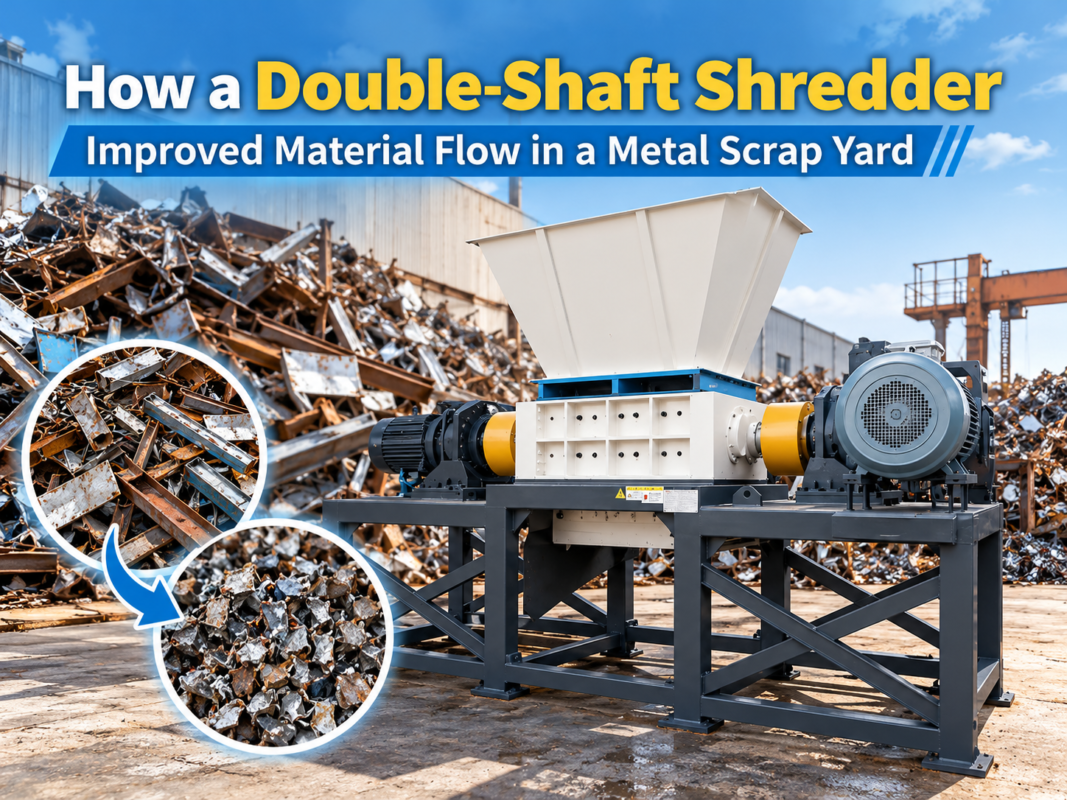
Case Study: Boosting Workshop Output with a High-Capacity Gantry Shear

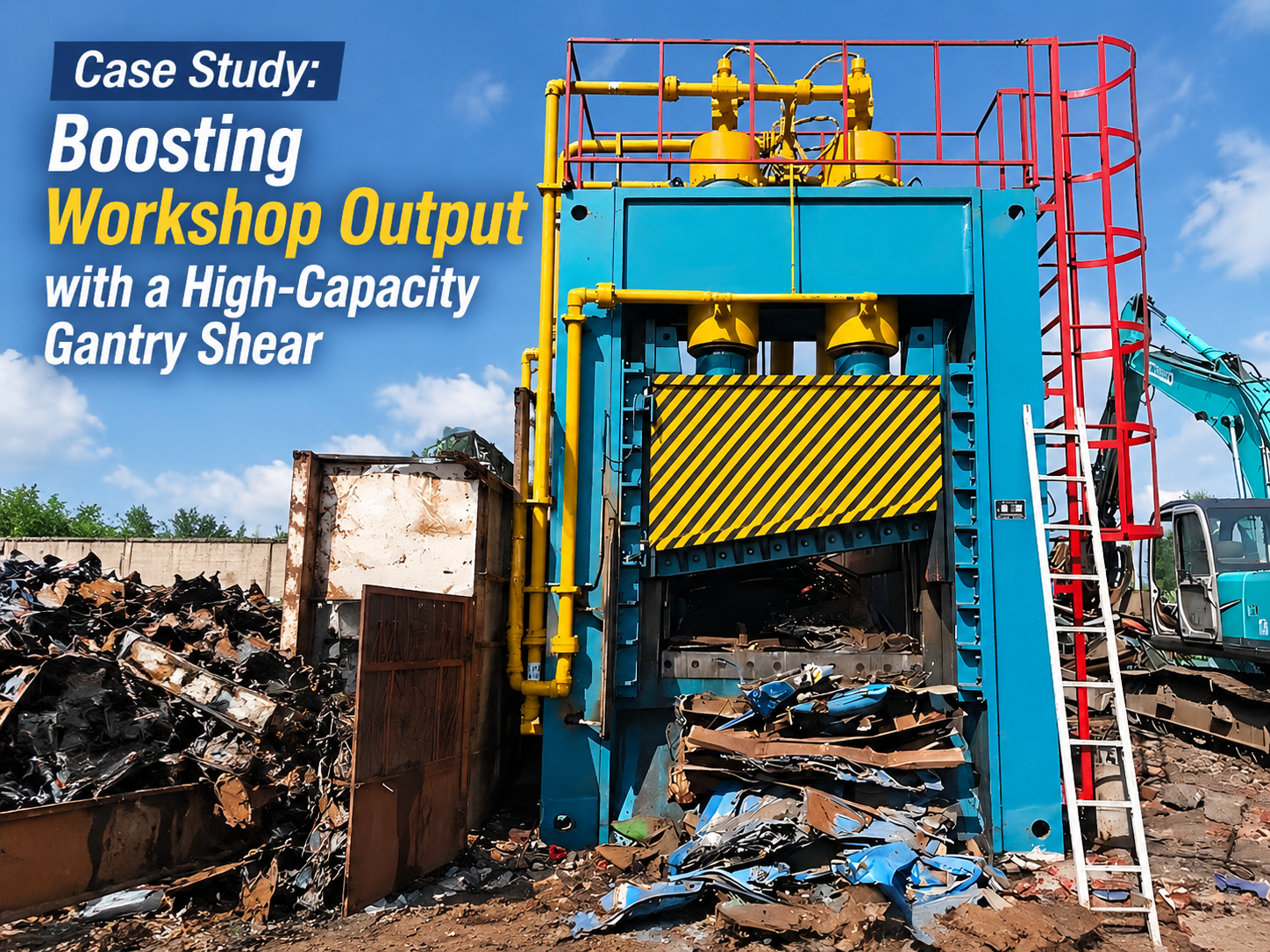
Introduction
In the competitive landscape of modern metal fabrication and scrap recycling, the ability to process large volumes of material quickly and accurately is the primary differentiator between a profitable operation and one struggling with bottlenecks. For many workshops, the transition from manual or light-duty cutting to automated, high-capacity systems represents a pivotal moment in business growth. This article explores a comprehensive Case Study: Boosting Workshop Output A High-Capacity Gantry Shear, detailing how HARSLE machinery helps facilities overcome operational hurdles.
The demand for high-performance shearing solutions has never been greater. As industries shift toward circular economies and increased metal reclamation, the need for robust, reliable, and high-capacity gantry shears has become a cornerstone of industrial infrastructure. By integrating advanced hydraulic technology, workshops can significantly reduce cycle times, minimize waste, and improve the overall quality of their output.
This case study examines a mid-sized metal processing facility that faced stagnant production rates and rising labor costs. By implementing a HARSLE high-capacity gantry shear, the facility was able to transform its workflow. We will delve into the technical specifications, the strategic selection process, and the long-term operational benefits that resulted from this investment.
Understanding the impact of such machinery requires looking beyond the basic specs. It involves analyzing the integration of the machine into existing production lines, the training of personnel, and the maintenance protocols required to sustain peak performance. This guide serves as a blueprint for any workshop manager looking to modernize their facility and achieve a significant return on investment.
Key Considerations for Workshop Upgrades
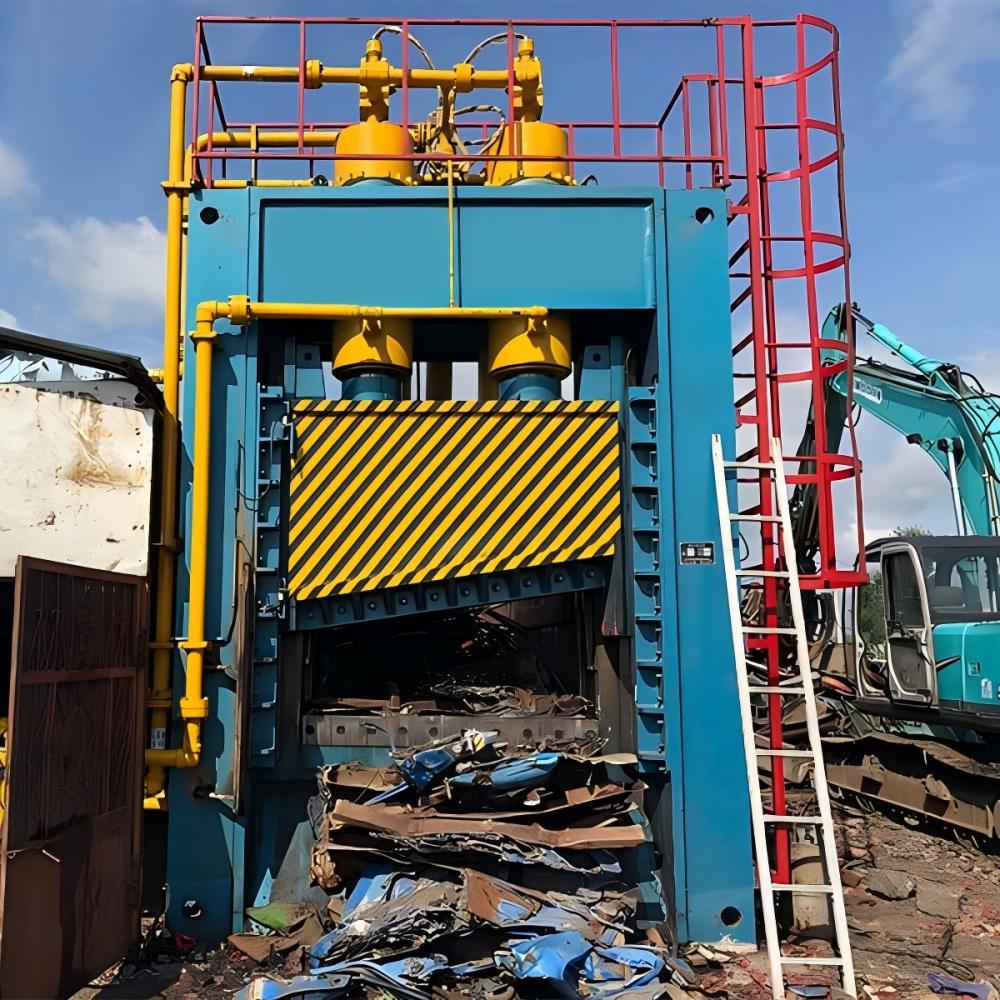
Before investing in heavy-duty equipment, workshop managers must conduct a thorough audit of their current processes. The decision to upgrade to a high-capacity gantry shear is not merely about replacing an old machine; it is about re-engineering the workflow to handle higher throughput. One of the first considerations is the material profile—are you processing heavy structural steel, rebar, or mixed scrap? Each requires different shear force capabilities and blade configurations.
Space optimization is another critical factor. A gantry shear is a substantial piece of equipment that requires a dedicated footprint, including space for material loading and finished product discharge. Workshops must evaluate their floor layout to ensure that the flow of material is logical and minimizes the need for double-handling. Efficient material handling systems, such as conveyor belts or crane integration, are essential to complement the shear’s speed.
Labor efficiency and safety are paramount. High-capacity shears are designed to automate the cutting process, which inherently reduces the physical strain on workers and minimizes the risk of accidents associated with manual cutting. When upgrading, management must consider the skill level of their operators and the availability of training programs to ensure the machine is utilized to its full potential from day one.
Finally, the long-term cost of ownership must be analyzed. This includes energy consumption, spare parts availability, and the frequency of required maintenance. A high-capacity gantry shear from a reputable manufacturer like HARSLE provides not only the power to cut through thick materials but also the durability to withstand years of continuous operation, ultimately lowering the cost per ton of processed material.
Technical Details of High-Capacity Gantry Shears
The core of a high-capacity gantry shear lies in its hydraulic power system. These machines utilize high-pressure hydraulic cylinders to drive the shear blade through thick metal plates and structural sections with ease. The force generated is immense, often measured in hundreds of tons, allowing for clean, precise cuts that are essential for downstream processing or melting in furnaces.
HARSLE gantry shears are engineered with advanced PLC (Programmable Logic Controller) systems that allow for precise control over the cutting cycle. Operators can program specific cut lengths and sequences, ensuring consistency across large batches of material. This level of automation is a key factor in Case Study: Boosting Workshop Output A High-Capacity Gantry Shear, as it eliminates the variability inherent in manual operation.
The structural integrity of the machine is equally important. The gantry frame must be built from high-strength, stress-relieved steel to prevent deformation under heavy loads. The blade guides are typically hardened and adjustable, ensuring that the shear blades remain perfectly aligned throughout the cutting process. This alignment is critical for maintaining blade life and preventing damage to the hydraulic system.
Furthermore, these machines often feature integrated safety sensors and emergency stop systems that meet international industrial standards. Modern gantry shears also include advanced lubrication systems that automatically grease critical components, reducing the maintenance burden on the workshop team and extending the lifespan of the machine’s moving parts.
Selection Advice: Choosing the Right Machine
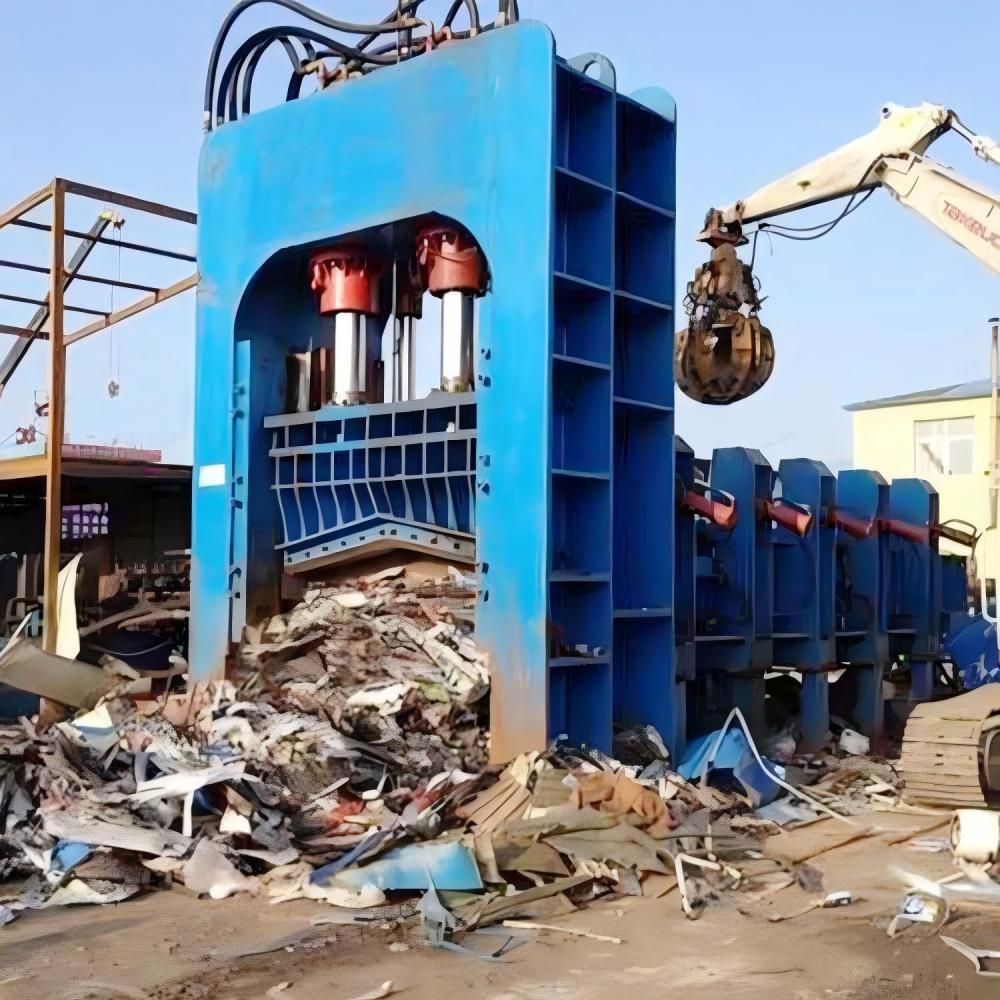
Selecting the right gantry shear requires a balance between current needs and future growth projections. It is tempting to purchase the largest machine available, but this can lead to unnecessary energy costs and underutilization. Conversely, purchasing a machine that is too small will quickly lead to bottlenecks as production demands increase. A thorough consultation with a HARSLE representative can help determine the optimal shear force and blade width for your specific application.
Consider the material feed system. Some applications require a side-loading box, while others benefit from a continuous conveyor feed. The choice of feed system will dictate the overall cycle time and the number of operators required. For high-volume scrap yards, a fully automated feed system is almost always the best choice for maximizing output.
Look for manufacturers that offer comprehensive support and service. A gantry shear is a long-term investment, and the availability of technical support, spare parts, and remote diagnostics can be the difference between a minor delay and a multi-day production shutdown. HARSLE prides itself on providing robust after-sales support, ensuring that your equipment remains operational and efficient.
Finally, evaluate the machine’s energy efficiency. Modern hydraulic systems are designed to be more energy-efficient than older models, utilizing variable frequency drives (VFDs) to adjust motor speed based on the load. This not only reduces electricity costs but also contributes to a more sustainable and environmentally friendly workshop operation.
Maintenance and Operational Best Practices
To maintain the performance gains achieved by installing a high-capacity gantry shear, a rigorous maintenance schedule is essential. Daily checks should include inspecting the shear blades for wear or chipping, checking hydraulic fluid levels, and ensuring that all safety guards are in place. A dull blade not only produces poor-quality cuts but also puts unnecessary stress on the hydraulic cylinders and the machine frame.
Weekly maintenance should involve cleaning the machine of debris and scrap metal that may have accumulated in the tracks or under the blade. Lubrication of all moving parts is critical; follow the manufacturer’s recommended intervals strictly. Using high-quality hydraulic oil and filters will significantly extend the life of the pump and valve components.
Operator training is another pillar of maintenance. Operators should be trained not only on how to run the machine but also on how to listen for unusual noises or vibrations that could indicate a developing problem. Early detection of issues can prevent catastrophic failures and expensive repairs. HARSLE provides detailed manuals and training resources to ensure your team is well-equipped to handle routine maintenance.
Finally, keep a detailed log of all maintenance activities. This record is invaluable for tracking the health of the machine and for warranty claims if necessary. By treating the gantry shear as a precision instrument rather than just a piece of scrap equipment, you ensure that it continues to deliver the high output levels that your business relies on.
FAQ: Frequently Asked Questions
- What is the primary advantage of a gantry shear over a standard alligator shear? A gantry shear offers significantly higher cutting force and the ability to process much larger, bulkier materials. It is designed for continuous, high-volume production, whereas alligator shears are typically used for smaller, individual pieces.
- How long does it take to install a HARSLE gantry shear? Installation time varies based on the site preparation and the specific model. Generally, with proper foundation work completed in advance, the mechanical assembly and commissioning can be completed within a few weeks.
- Can a gantry shear handle mixed scrap metal? Yes, high-capacity gantry shears are specifically designed to handle a wide variety of scrap, including mixed metals, structural beams, and heavy plates. However, it is important to ensure the material is fed correctly to avoid jamming.
- What kind of foundation is required for this equipment? Due to the weight and the forces involved, a reinforced concrete foundation is required. HARSLE provides detailed foundation drawings and specifications tailored to the specific model purchased.
- How often should the shear blades be sharpened? The frequency of blade sharpening depends on the type of material being cut and the volume of production. Harder materials will dull blades faster. Regular inspection is the best way to determine when sharpening is needed.
Fazit
The Case Study: Boosting Workshop Output A High-Capacity Gantry Shear demonstrates that the right equipment, when selected and maintained correctly, can fundamentally change the trajectory of a metal fabrication or recycling business. By moving to a high-capacity HARSLE gantry shear, the facility in our study was able to increase its processing speed by over 40%, significantly reducing labor costs and improving the quality of its finished product.
Investing in industrial machinery is a significant decision, but it is one that pays dividends in efficiency, safety, and profitability. As the industry continues to evolve, the ability to process materials faster and more accurately will remain a key competitive advantage. With the right partner, such as HARSLE, and a commitment to operational excellence, your workshop can achieve similar results and set a new standard for productivity in your sector.
We encourage all workshop managers to evaluate their current processes and consider how a high-capacity gantry shear could fit into their long-term growth strategy. Whether you are looking to expand your capacity, improve your safety record, or simply modernize your facility, the benefits of this technology are clear. Contact HARSLE today to learn more about our range of high-capacity shearing solutions and how we can help you boost your workshop output.