Alligator Shear Blade Dullness: Symptoms, Diagnosis, and Solutions


Introduction to Alligator Shear Blade Maintenance
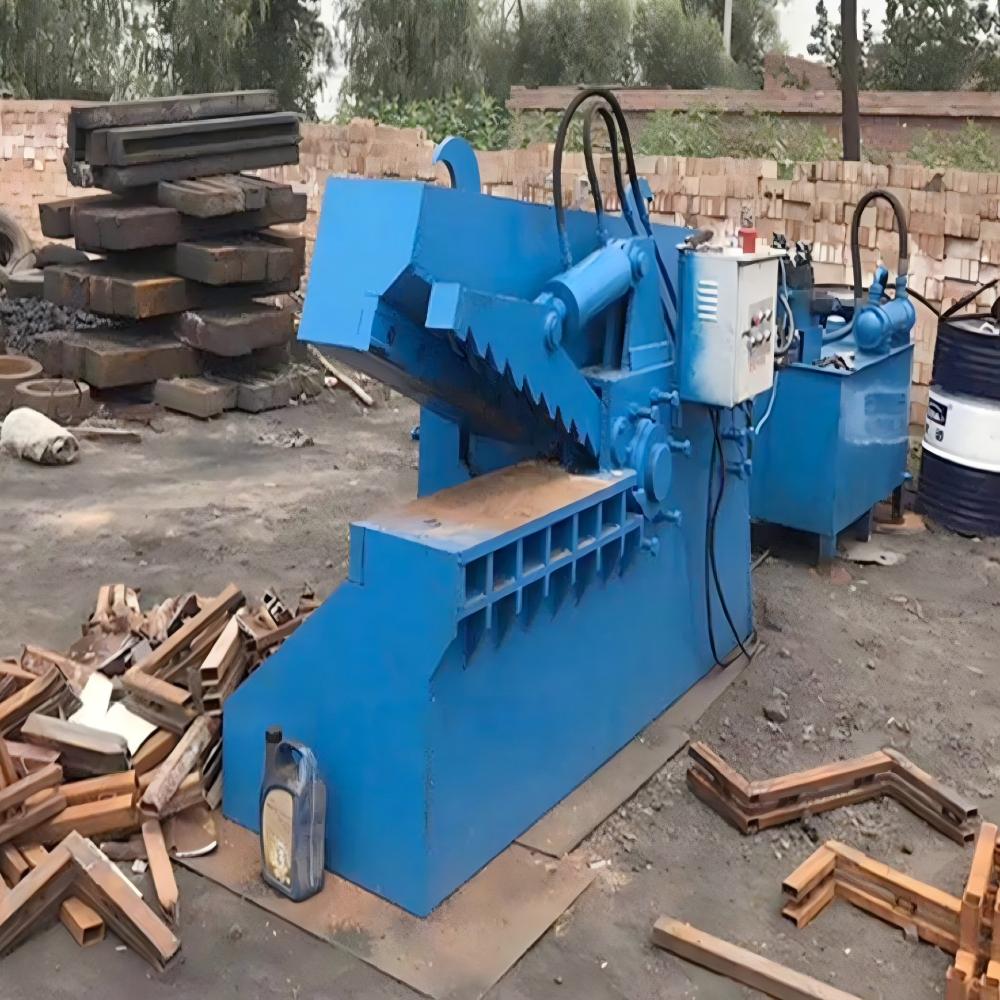
In the high-stakes world of metal recycling and fabrication, the alligator shear stands as a workhorse, capable of processing heavy-duty scrap with precision and speed. However, the efficiency of these machines is entirely dependent on the condition of their cutting edges. Alligator shear blade dullness: symptoms, diagnosis, solutions is a critical topic for any facility manager or machine operator aiming to maintain peak operational uptime. When blades lose their sharpness, the entire production line suffers, leading to increased energy consumption, mechanical strain, and compromised cut quality.
At HARSLE, we understand that industrial machinery is a significant investment. Proper blade care is not merely a maintenance task; it is a strategic approach to extending the lifespan of your equipment. A dull blade does more than just produce ragged edges; it forces the hydraulic system to work harder, generates excessive heat, and can lead to catastrophic failure of the shear head or pivot pins. This guide explores the nuances of blade degradation, providing actionable insights to keep your operations running smoothly.
Understanding the lifecycle of a shear blade involves recognizing that wear is inevitable. Factors such as material hardness, feed rate, and the frequency of use all contribute to the rate of dulling. By mastering the symptoms and diagnostic procedures outlined in this article, you can transition from reactive maintenance—which is costly and disruptive—to a proactive schedule that maximizes your return on investment.
Throughout this article, we will delve into the technical specifications of blade metallurgy, the importance of clearance settings, and the professional standards for sharpening. Whether you are operating a small-scale recycling yard or a large industrial fabrication plant, the principles of blade maintenance remain the same. Let us explore how to keep your HARSLE equipment performing at its best.
Key Considerations for Identifying Blade Dullness
The first step in addressing Alligator Shear blade dullness: symptoms, diagnosis, solutions is recognizing the early warning signs. Often, operators become accustomed to a gradual decline in machine performance, failing to notice the subtle changes until a major issue arises. One of the most prominent symptoms is the presence of burrs on the cut material. If your sheared metal edges are no longer clean and sharp but instead show jagged, deformed, or “smeared” edges, the blades are likely losing their edge geometry.
Another key indicator is the audible feedback from the machine. A sharp blade slices through metal with a consistent, rhythmic sound. Conversely, a dull blade requires significantly more force to penetrate the material, often resulting in a strained hydraulic groan or a metallic “clunk” as the material is crushed rather than sheared. If you notice the machine struggling to complete a cycle that it previously handled with ease, it is time to inspect the blades immediately.
Increased vibration during the cutting cycle is another symptom that should not be ignored. When blades are dull, the material is not being parted cleanly, which creates uneven forces on the shear head. This vibration can lead to premature wear on the pivot pins, bushings, and the hydraulic cylinder seals. If your operators report increased shaking or rattling during operation, it is a clear signal that the cutting interface is compromised.
Finally, monitor the temperature of the hydraulic fluid and the shear head. Dull blades increase the friction and the amount of work the hydraulic system must perform to achieve the same result. If the machine is running hotter than usual, or if you notice the hydraulic oil degrading faster than the manufacturer’s recommended intervals, the blades are likely the culprit. Proactive monitoring of these symptoms can save thousands of dollars in secondary repairs.
Technical Details: Diagnosing the Root Cause
Diagnosis of blade dullness requires a systematic approach. Start by performing a visual inspection of the blade edges while the machine is locked out and tagged out. Use a flashlight to examine the cutting edge for chips, rounding, or “rolled” edges. A sharp blade should have a crisp, defined edge. If you can see a reflective line along the edge of the blade, it indicates that the edge has rounded over, which is a definitive sign of dullness.
Check the blade clearance settings. Even a sharp blade will perform poorly if the gap between the upper and lower blades is incorrect. For most alligator shears, the clearance should be adjusted based on the thickness and hardness of the material being cut. If the clearance is too wide, the material will bend into the gap rather than shearing, causing the blades to dull rapidly. If the clearance is too tight, the blades may rub against each other, causing galling and rapid edge degradation.
Consider the material being processed. Are you cutting high-carbon steel, stainless steel, or non-ferrous metals? Each material has different abrasive properties. If you have recently switched to a harder grade of scrap without adjusting your maintenance schedule, your blades will dull much faster. Documenting the types of materials processed can help you establish a baseline for how often your blades require sharpening or replacement.
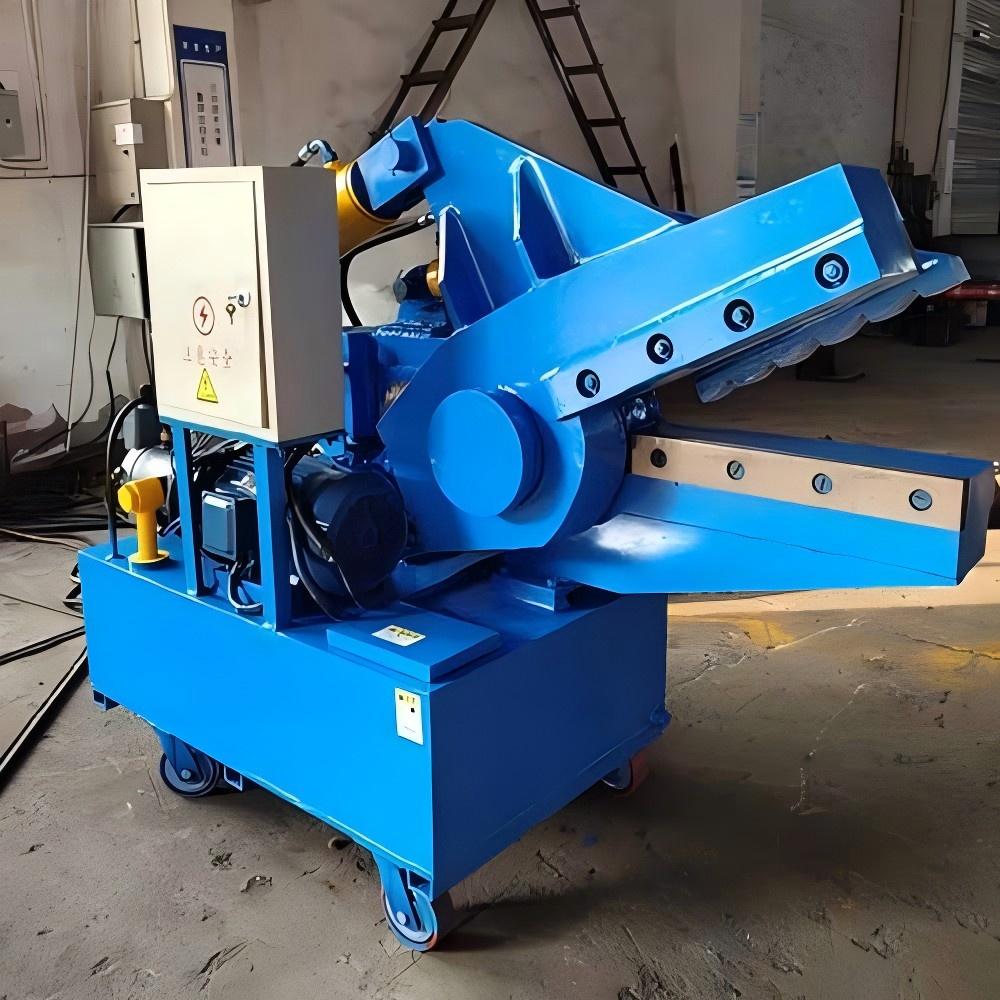
Examine the blade mounting bolts and shims. Over time, the constant impact of shearing can cause the mounting hardware to loosen. If the blade is not held firmly in place, it will shift during the cut, leading to uneven wear and potential damage to the blade seat. Ensure that all bolts are torqued to the manufacturer’s specifications and that the shims are properly aligned to maintain the required blade geometry.
Solutions: Sharpening, Shimming, and Replacement
Once you have diagnosed the issue, the solution usually involves one of three actions: sharpening, shimming, or replacement. Sharpening is the most common solution for minor dulling. It is essential to have your blades sharpened by a professional facility that understands the specific heat-treatment requirements of shear blades. Improper grinding can overheat the steel, drawing out the temper and making the blade brittle, which leads to premature chipping.
Shimming is a critical maintenance step that is often overlooked. As blades are sharpened, material is removed from the face of the blade. To maintain the correct clearance, you must use shims to push the blades closer together. A high-quality alligator shear will have a shim adjustment system that allows for precise control. Always keep a stock of various shim thicknesses on hand to ensure you can maintain the optimal gap after every sharpening cycle.
When should you replace a blade? If the blade has been sharpened so many times that it no longer has sufficient structural integrity, or if it has sustained deep chips that cannot be removed without compromising the blade’s thickness, it is time for a replacement. Continuing to use a compromised blade is dangerous and can lead to the blade shattering under load, which poses a significant safety risk to operators.
Investing in high-quality replacement blades is a long-term cost-saving measure. While aftermarket blades may seem cheaper, they often lack the metallurgical consistency of OEM parts. HARSLE provides precision-engineered blades designed specifically for our alligator shears, ensuring the correct hardness and toughness to withstand the rigors of industrial scrap processing. Always prioritize quality over initial price when it comes to critical wear components.
Selection Advice for Alligator Shear Blades
Choosing the right blade for your alligator shear depends on your specific application. If you are primarily processing soft metals like aluminum or copper, you may opt for a blade with a different edge angle compared to one used for cutting hardened steel or rebar. The edge angle determines the balance between cutting force and edge durability. A steeper angle is more durable but requires more force, while a shallower angle cuts more easily but dulls faster.
Consider the material composition of the blade itself. High-carbon, high-chromium tool steels are the industry standard for alligator shear blades because they offer an excellent balance of wear resistance and toughness. Some specialized applications may require powder metallurgy steels, which provide superior edge retention in extremely abrasive environments. Consult with your HARSLE representative to determine the best blade material for your specific scrap stream.
Evaluate the manufacturer’s reputation for quality control. A blade is only as good as its heat treatment. If the hardening process is inconsistent, you will experience “soft spots” where the blade dulls rapidly, or “brittle spots” where the blade chips. Always source your blades from reputable suppliers who provide material certifications and warranty support. This ensures that you are getting a product that meets the rigorous demands of your fabrication facility.
Finally, consider the logistics of blade maintenance. Do you have a spare set of blades on hand? Having a rotation system—where one set is in the machine while the other is being sharpened—is the most efficient way to minimize downtime. If you are operating a high-volume facility, this strategy is essential for maintaining consistent throughput and avoiding the “emergency sharpening” scenario that often leads to poor quality work.
Häufig gestellte Fragen (FAQ)
- How often should I check my alligator shear blades?
For high-volume operations, a daily visual inspection is recommended. For lower-volume facilities, a weekly check is sufficient. Always inspect the blades if you notice any change in cut quality or machine sound. - Can I sharpen the blades myself?
While it is possible to grind blades in-house, it requires specialized equipment and expertise. Improper grinding can ruin the blade’s temper. We recommend professional sharpening services to ensure the correct geometry and heat treatment are maintained. - What is the ideal blade clearance?
The ideal clearance depends on the material thickness and type. Generally, it should be between 5% and 10% of the material thickness. Always refer to your HARSLE machine manual for specific settings. - What happens if I ignore blade dullness?
Ignoring dull blades leads to increased hydraulic pressure, higher energy consumption, potential damage to the shear head, and poor cut quality. In extreme cases, it can lead to catastrophic machine failure. - Are all alligator shear blades interchangeable?
No. Blades are designed for specific machine models and applications. Using the wrong blade can lead to improper fitment, safety hazards, and damage to the shear.
Fazit
Mastering the management of Alligator Shear blade dullness: symptoms, diagnosis, solutions is essential for any professional in the metal fabrication industry. By staying vigilant for the symptoms of wear, performing regular diagnostic checks, and implementing a structured maintenance and sharpening program, you can significantly extend the life of your equipment and improve the quality of your output. Remember that the blade is the heart of the cutting process; treat it with the care it deserves, and your HARSLE alligator shear will provide years of reliable, high-performance service.
At HARSLE, we are committed to supporting our customers through every stage of their machine’s lifecycle. From initial selection to long-term maintenance, our team is here to provide the technical expertise you need to succeed. If you have questions about your specific model or need assistance with blade selection, do not hesitate to reach out to our support team. Investing in the health of your machinery is the most effective way to ensure the long-term profitability and safety of your fabrication operations.