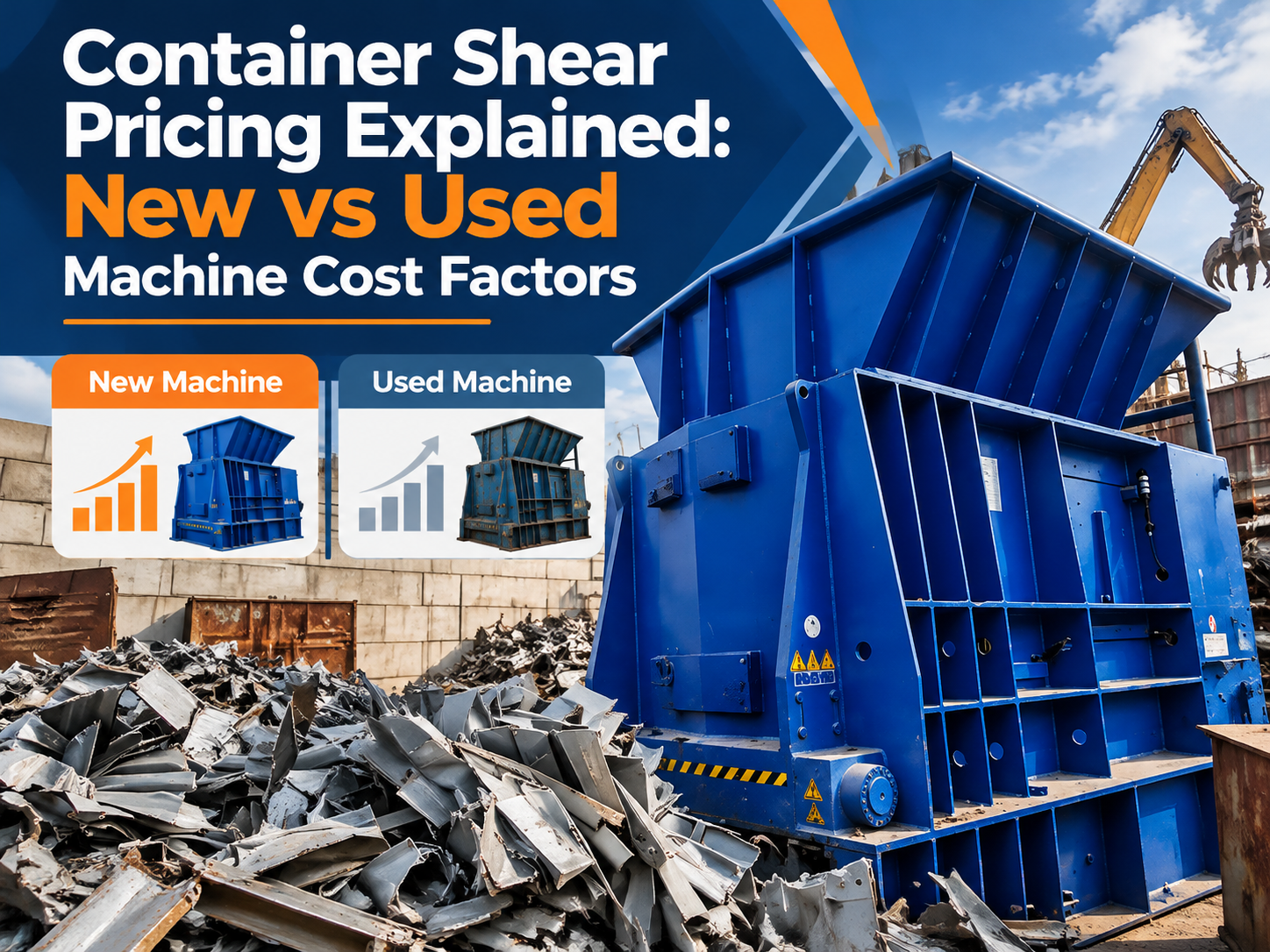
Container Shear Pricing Explained: New Vs Used Machine Cost Factors

Price Range Overview
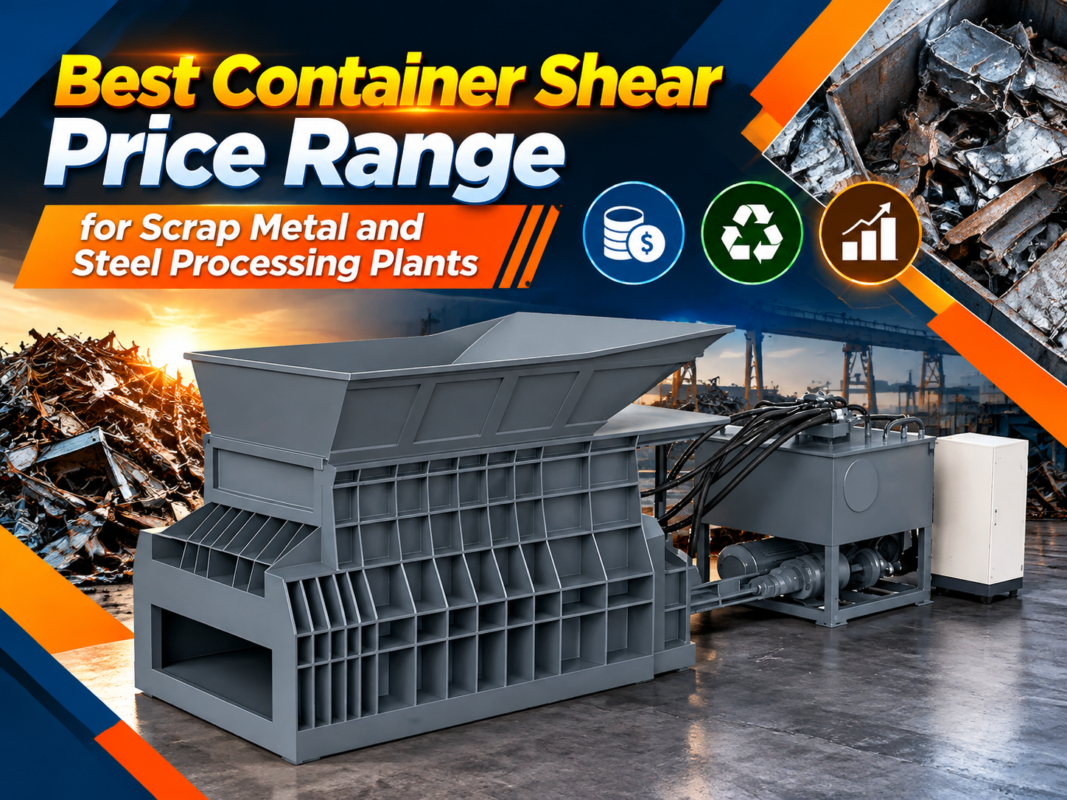
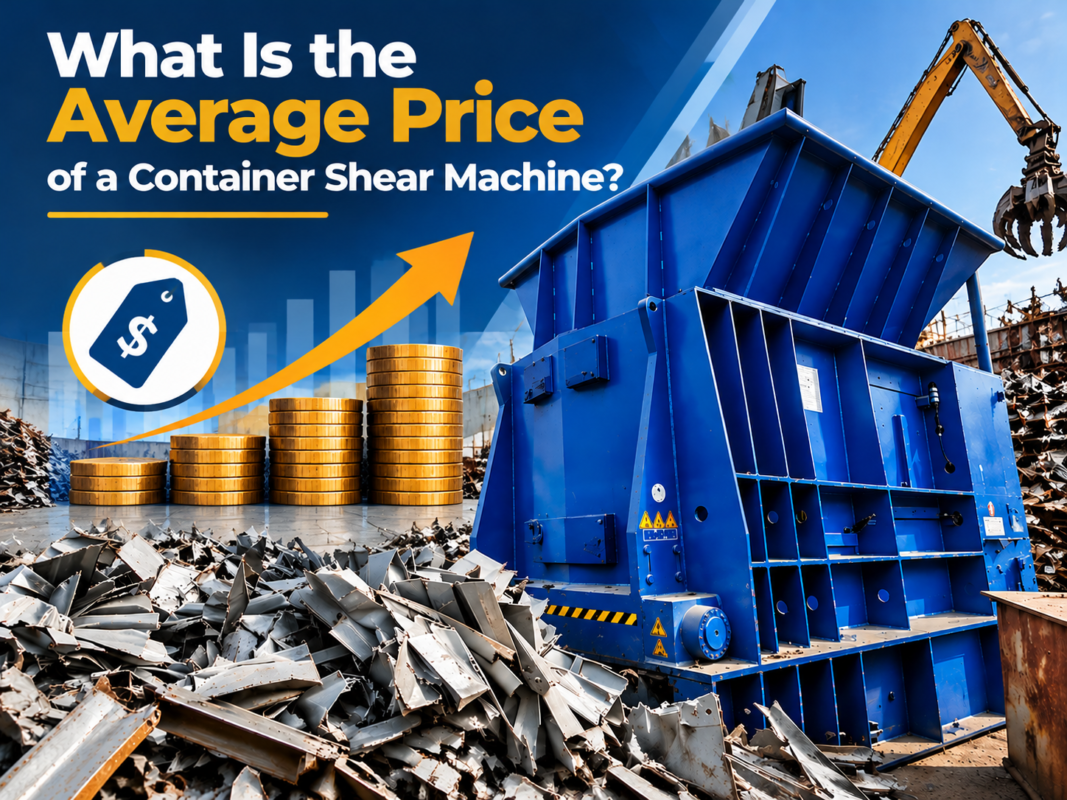
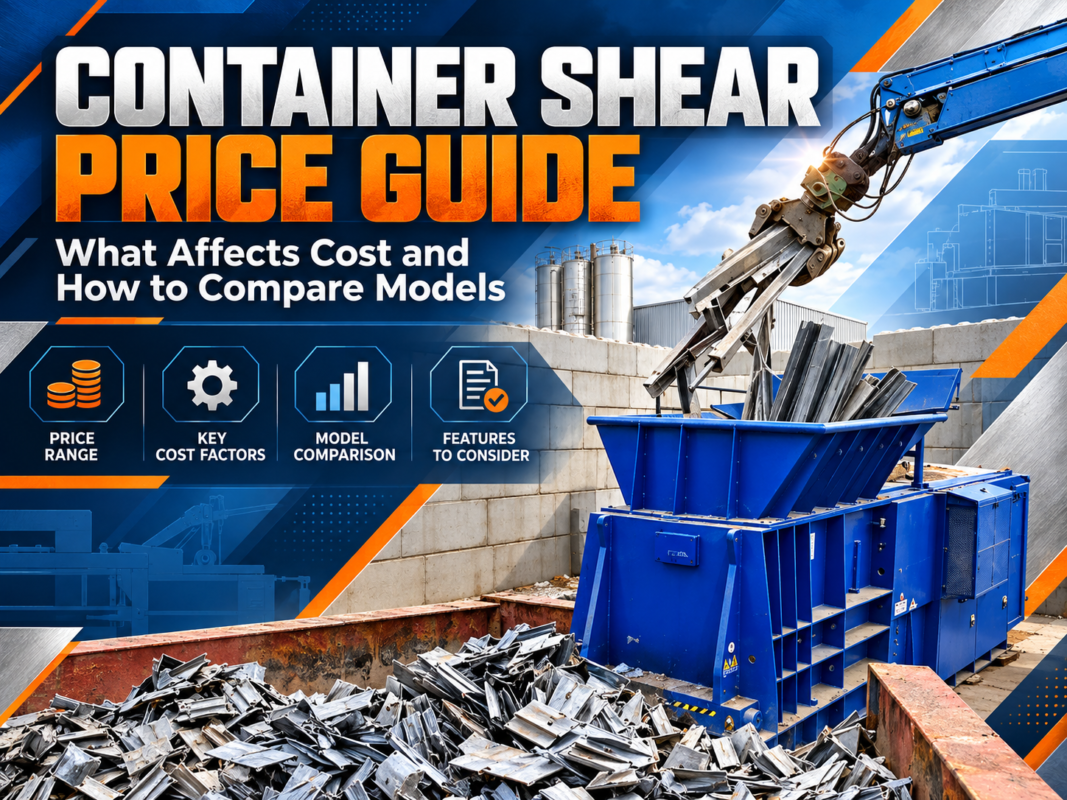
Investing in a container shear represents a significant capital expenditure for any metal recycling or fabrication facility. Understanding the market landscape is the first step toward making an informed decision. Generally, new industrial-grade container shears range from $150,000 to over $500,000, depending on the cutting force, automation level, and throughput capacity. These machines are engineered for high-volume processing, offering the latest in hydraulic efficiency and safety compliance.
On the other hand, the used market offers a more accessible entry point, with prices typically ranging from $60,000 to $200,000. However, the price of a used unit is highly volatile, dictated by the machine’s age, maintenance history, and the reputation of the original manufacturer. While the lower upfront cost is attractive, buyers must weigh these savings against the potential for immediate repair needs and the lack of modern warranty protections.
When evaluating container shear pricing explained: new vs used machine cost factors, it is essential to look beyond the sticker price. A new machine provides a predictable cost structure, including installation support, training, and long-term service agreements. Conversely, a used machine may appear cheaper initially but can quickly become a liability if critical components like the hydraulic pumps or shear blades are nearing the end of their operational life.
Ultimately, the price range you should target depends on your facility’s daily processing requirements. If your operation demands 24/7 reliability, the premium for a new machine is often justified by the reduction in downtime. For smaller facilities or those with intermittent processing needs, a high-quality refurbished unit might offer the best balance of cost and performance.
Main Cost Drivers
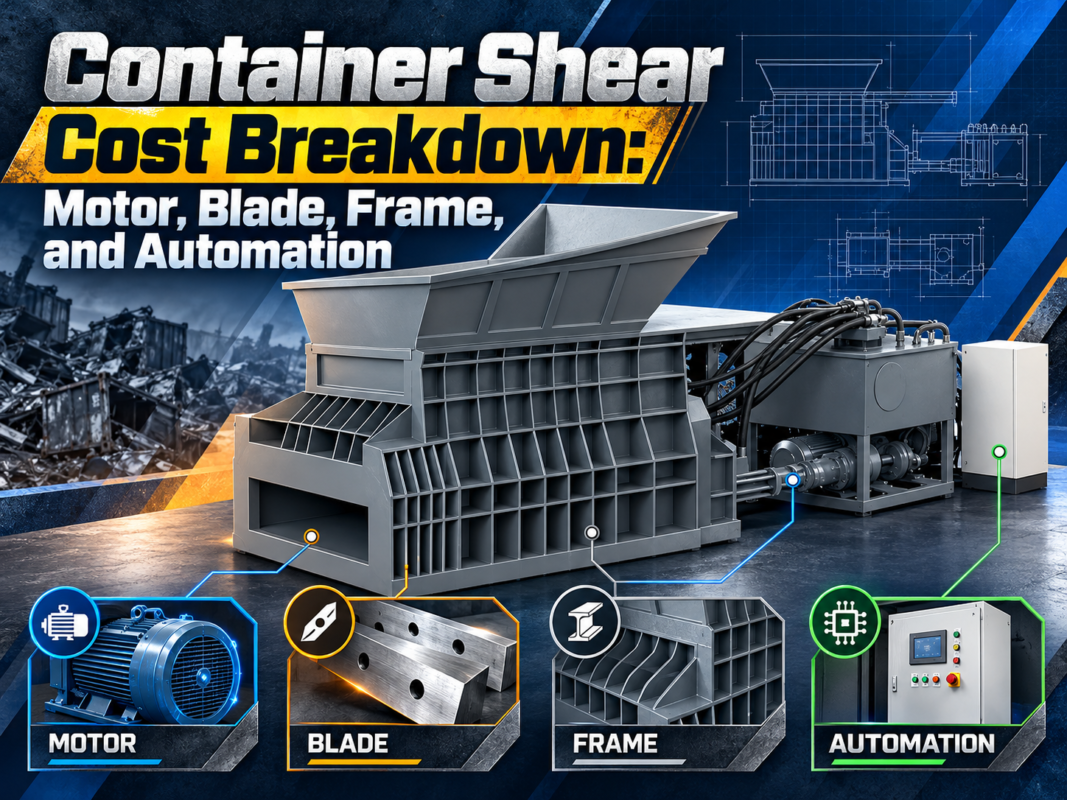
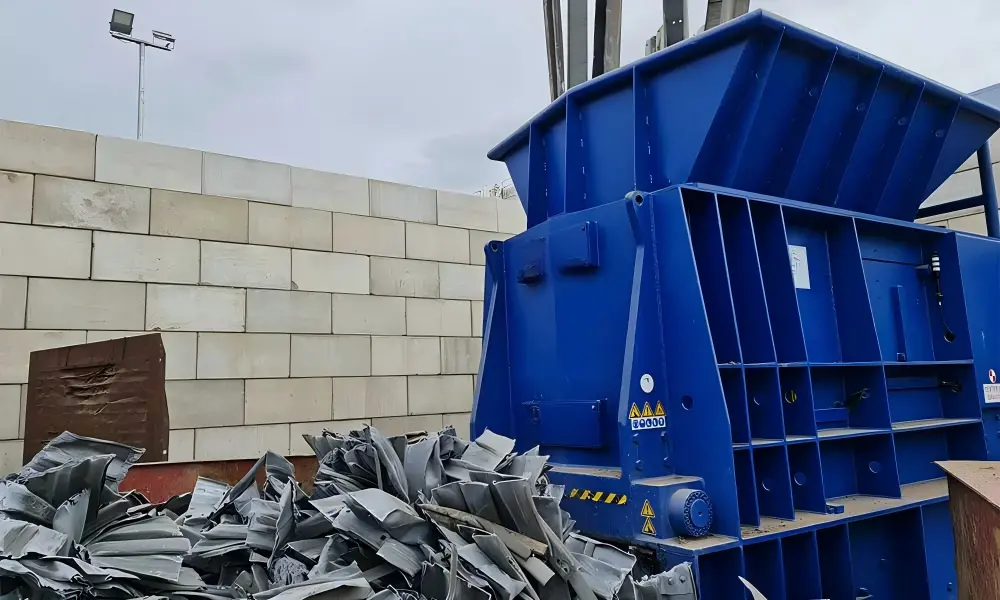
The primary driver of container shear pricing is the cutting force, measured in tons. Higher tonnage allows the machine to process thicker, denser materials, which directly correlates to the machine’s size and the complexity of its hydraulic system. A machine capable of shearing heavy structural steel will naturally command a higher price than one designed for light-gauge sheet metal.
Another critical cost factor is the automation level and control system. Modern container shears are equipped with advanced PLC (Programmable Logic Controller) systems that optimize the cutting cycle, monitor hydraulic pressure, and provide real-time diagnostics. These digital enhancements increase the initial cost but significantly improve operational efficiency and safety, which are vital for long-term profitability.
The quality of materials used in the construction of the shear blades and the frame also plays a major role. High-grade, wear-resistant steel alloys are expensive to source and machine. Manufacturers who invest in premium metallurgy ensure that their shears maintain sharp edges longer, reducing the frequency of blade changes and downtime. This build quality is a major differentiator between budget-friendly models and premium industrial equipment.
Finally, the brand reputation and geographical origin of the machine influence pricing. Established manufacturers with robust global support networks often charge a premium for their equipment. This cost covers not just the machine, but also the peace of mind that comes with readily available spare parts and expert technical support, which are invaluable when a machine goes down during peak production hours.
Configuration Impact
Configuration options allow operators to tailor the container shear to their specific workflow, but each customization adds to the total cost. For instance, the size of the feed box determines how much material can be processed in a single cycle. A larger feed box requires a more robust structural frame and more powerful hydraulic cylinders, driving up the price significantly.
Integration with auxiliary equipment, such as conveyor systems, sorting belts, or automated discharge chutes, is another configuration factor. While these additions increase the initial investment, they often lead to substantial labor savings and increased throughput. When analyzing the total cost, it is important to consider the entire system rather than just the shear unit itself.
The type of hydraulic system—whether it is a standard fixed-displacement pump or a variable-displacement energy-efficient system—also impacts the price. Energy-efficient systems are more expensive upfront but offer lower operating costs over the life of the machine. For facilities with high electricity costs, this is a crucial consideration that can make a more expensive machine cheaper in the long run.
Safety configurations, such as light curtains, emergency stop zones, and remote operation consoles, are non-negotiable in modern industrial environments. While these features are often standard on new machines, adding them to an older, used machine can be a costly endeavor. Ensuring that your chosen configuration meets current OSHA or international safety standards is a vital part of the procurement process.
Hidden Costs
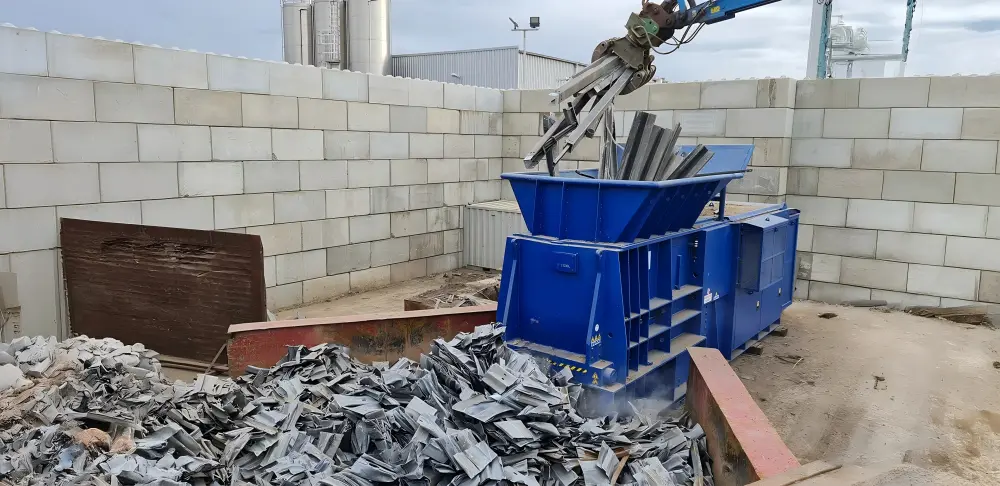
When purchasing a container shear, the purchase price is only the beginning. Installation costs can be substantial, especially if the facility requires concrete foundation reinforcement or electrical upgrades to handle the high power draw of the machine. These site preparation costs are often overlooked by first-time buyers and can add thousands of dollars to the total project budget.
Maintenance and spare parts represent ongoing hidden costs. For used machines, the cost of sourcing obsolete parts can be astronomical. Even with new machines, you must factor in the cost of regular hydraulic fluid changes, filter replacements, and the periodic sharpening or replacement of shear blades. Establishing a relationship with a reliable parts supplier is essential for managing these costs effectively.
Training and labor costs should also be considered. Operating a container shear requires skilled personnel who understand the machine’s capabilities and safety protocols. If your existing staff needs training, or if you need to hire specialized operators, these expenses must be factored into your ROI analysis. A machine that is difficult to operate will lead to lower productivity and higher training costs.
Finally, consider the cost of downtime. If a machine breaks down, how long will it take to get it back up and running? If you are buying a used machine without a service contract, you are essentially self-insuring against downtime. The cost of lost production during a week-long repair can easily exceed the savings you gained by purchasing a used unit instead of a new one.
ROI Calculation
Calculating the Return on Investment (ROI) for a container shear requires a thorough analysis of your expected throughput and the value of the processed material. Start by determining the daily tonnage you expect to process and the price differential between raw scrap and sheared, high-density scrap. This margin is your primary revenue generator.
Next, subtract the operating costs, including electricity, labor, maintenance, and consumables like hydraulic oil and blades. Divide the total annual profit by the initial investment cost to determine your payback period. A healthy ROI for industrial machinery typically sees a payback period of 2 to 4 years, depending on the scale of the operation and market conditions.
When comparing new vs. used, the ROI calculation changes. A new machine will have higher initial costs but lower maintenance and higher reliability, leading to more consistent revenue. A used machine will have lower initial costs but higher maintenance and potential downtime, which can negatively impact your revenue stream. It is often helpful to run two scenarios: one with a new machine and one with a used machine, factoring in estimated repair costs for the latter.
Don’t forget to account for depreciation and tax incentives. In many jurisdictions, new machinery is eligible for accelerated depreciation or investment tax credits, which can significantly improve the net cost of the purchase. Consult with a financial advisor to understand how these tax benefits can influence your decision between new and used equipment.
Buying Advice
Before committing to a purchase, conduct a thorough audit of your facility’s needs. Do not buy more machine than you need, but ensure that the machine you choose has the capacity to grow with your business. A common mistake is purchasing a machine that is at its limit from day one, which leads to premature wear and tear.
If you decide to go the used route, always perform an on-site inspection. Check the hydraulic cylinders for leaks, inspect the shear blades for chips or excessive wear, and ask to see the machine in operation. If the seller refuses to let you see it run, walk away. A reputable seller will have no problem demonstrating the machine’s functionality.
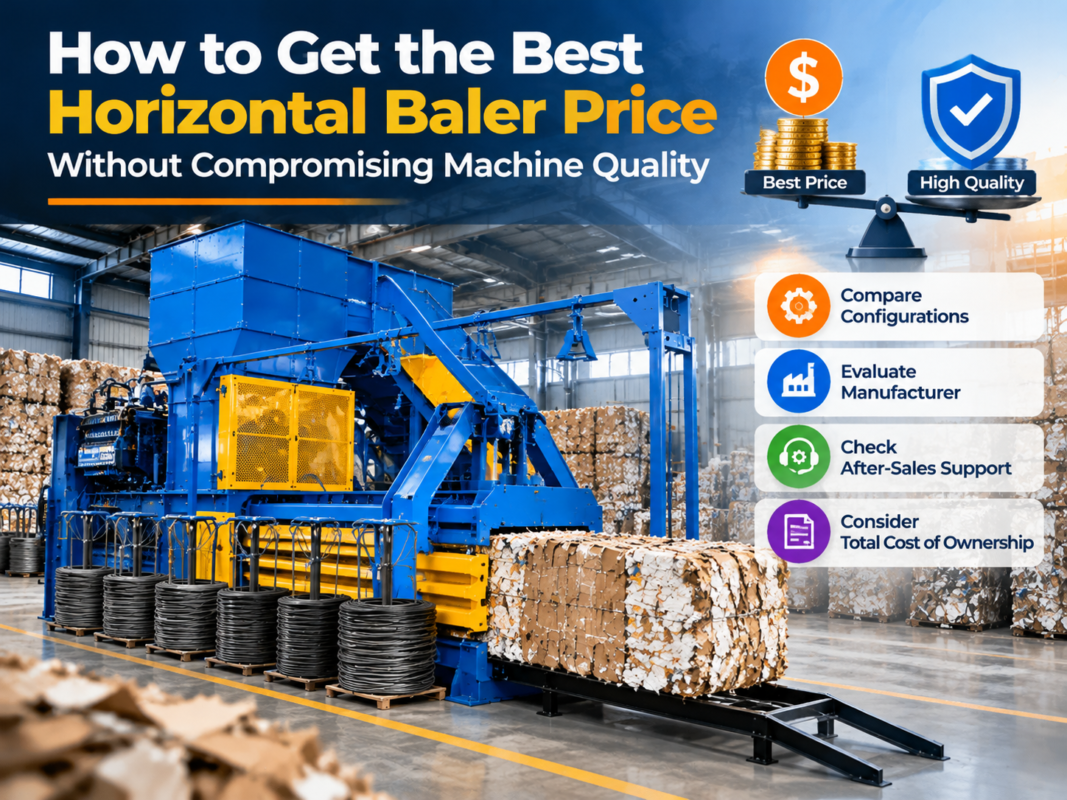
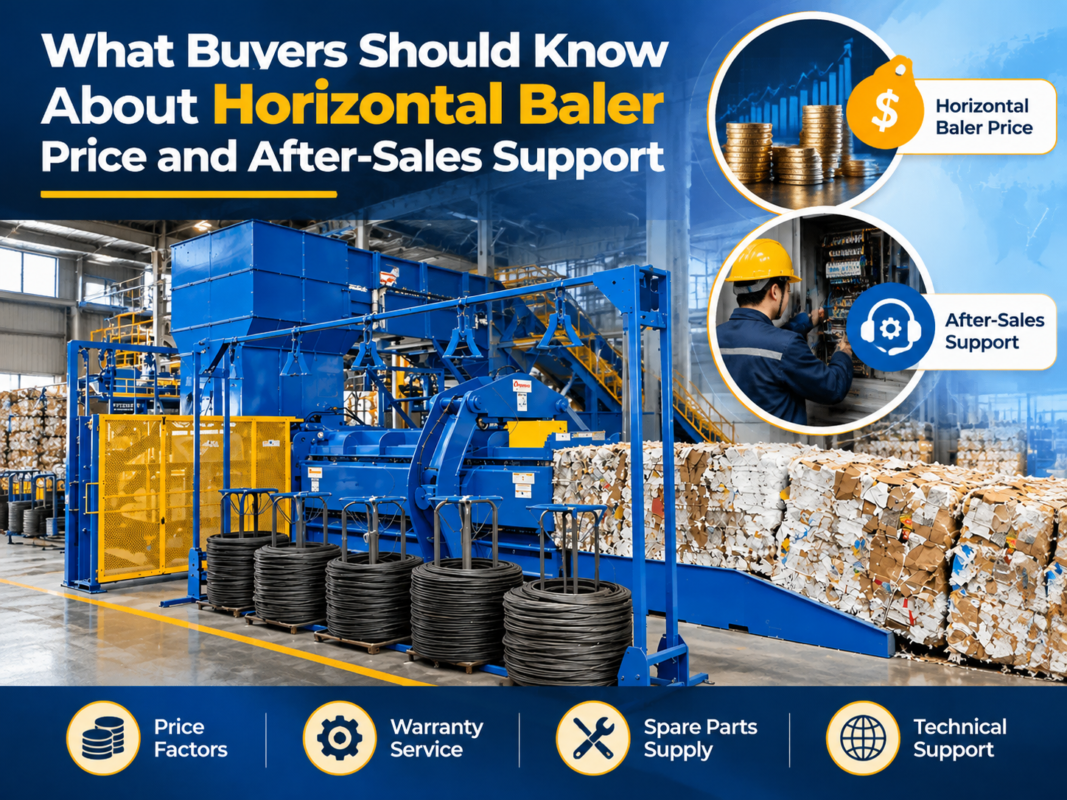
For new machines, prioritize manufacturers who offer comprehensive after-sales support. Ask about their response time for service calls, the availability of spare parts, and the quality of their training programs. A machine is only as good as the support behind it, especially in the demanding environment of metal recycling.
Finally, consider the long-term value. A high-quality container shear will hold its resale value much better than a budget model. If you plan to upgrade your equipment in the future, investing in a reputable brand now will make it easier to sell your machine later, effectively lowering your total cost of ownership.
FAQ
- What is the typical lifespan of a container shear? With proper maintenance, a well-built container shear can last 15 to 20 years or more.
- Is it better to buy new or used for a startup? For startups, a refurbished machine from a reputable dealer can be a smart choice, provided it comes with a warranty.
- How often do shear blades need to be replaced? This depends on the volume and type of material processed, but typically blades should be inspected every 500-1000 operating hours.
- What power requirements should I prepare for? Most industrial container shears require a 3-phase electrical supply; always check the manufacturer’s specifications before installation.
- Can I finance a container shear? Yes, most manufacturers and equipment dealers offer financing options to help manage the upfront capital expenditure.