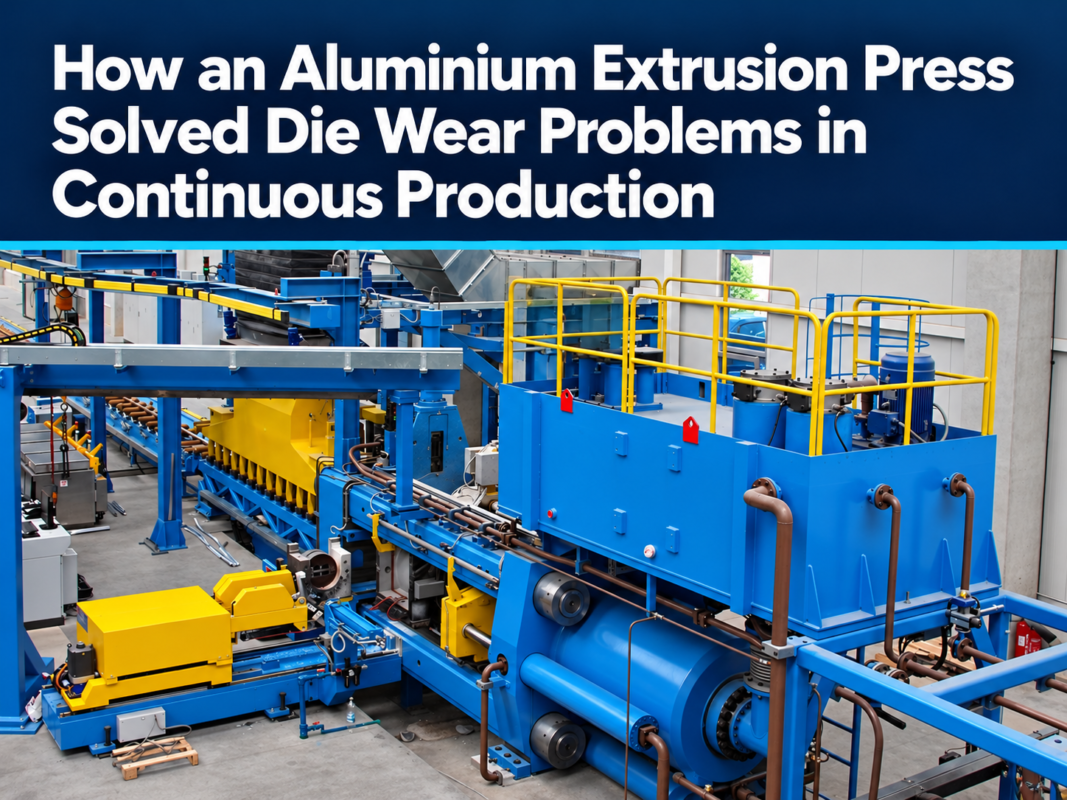
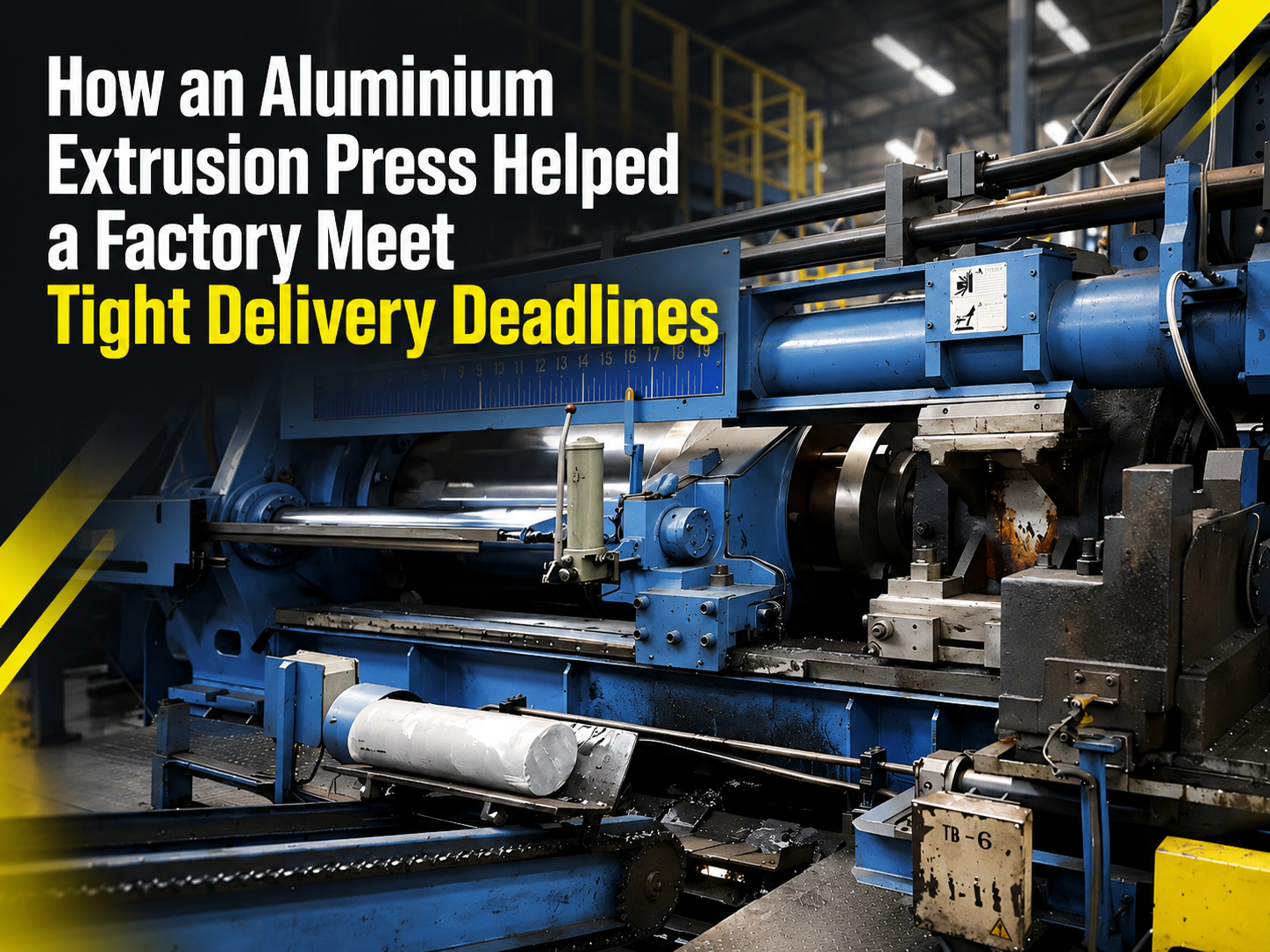
How an Aluminium Extrusion Press Helped a Factory Meet Tight Delivery Deadlines

Introduction
In the fast-paced world of modern manufacturing, the ability to deliver high-quality components on time is the ultimate competitive advantage. For many metal fabrication facilities, the bottleneck often lies in the primary shaping process. When a mid-sized architectural aluminium supplier faced a surge in demand with an impossible three-week turnaround, they realized their legacy equipment was no longer sufficient. This is a story of how an aluminium extrusion press helped a factory meet tight delivery deadlines by transforming their operational workflow.
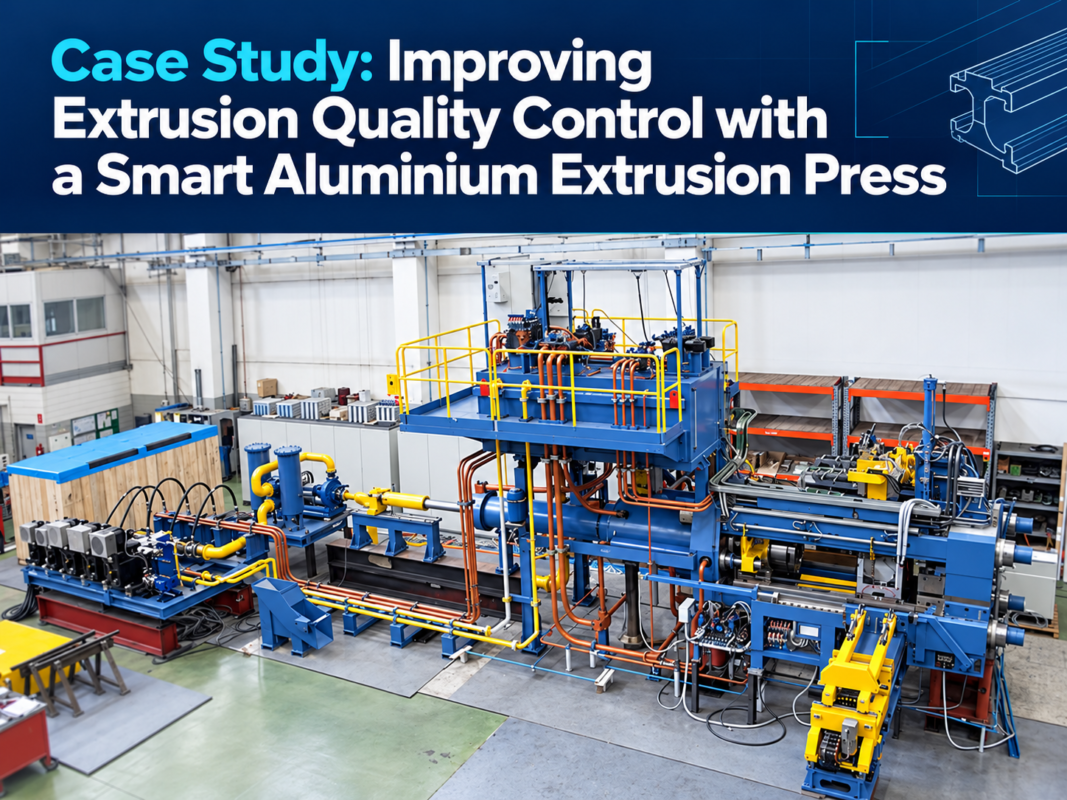
The factory in question was struggling with frequent downtime, inconsistent profile quality, and slow cycle times. Their existing machinery required extensive manual intervention, leading to high scrap rates and missed shipping windows. By upgrading to a modern, automated HARSLE aluminium extrusion press, the facility was able to streamline its production line, reduce human error, and achieve the throughput necessary to satisfy their clients’ urgent requirements.
This article explores the technical, operational, and strategic benefits of integrating advanced extrusion technology into your facility. We will examine how specific features of modern presses directly impact production speed and why choosing the right equipment is the most critical decision a plant manager can make when facing aggressive market demands.
Key Considerations for Production Efficiency
When analyzing how an aluminium extrusion press helped a factory meet tight delivery deadlines, the first factor to consider is the reduction of setup times. Traditional presses often require lengthy die changes and manual calibration, which can consume hours of valuable production time. Modern systems utilize quick-change die bolsters and automated pre-heating stations that allow operators to switch between profiles in a fraction of the time previously required.
Another critical consideration is the integration of smart control systems. Modern HARSLE presses feature PLC-based interfaces that monitor pressure, temperature, and ram speed in real-time. By maintaining optimal extrusion parameters automatically, the machine minimizes the risk of defects. When a factory can produce a perfect profile on the first run, they eliminate the need for re-work, which is the single biggest contributor to missed delivery deadlines.
Energy efficiency also plays a role in meeting deadlines. Older hydraulic systems often suffer from pressure drops or overheating, forcing the machine to pause for cooling cycles. Modern, high-efficiency hydraulic pumps and servo-driven systems ensure consistent power delivery throughout the entire shift. This reliability means the machine stays running, and the production schedule remains on track regardless of the intensity of the workload.
Finally, the human element cannot be ignored. An intuitive interface reduces the training time for operators and minimizes the likelihood of operational errors. When the machine is easy to program and monitor, the entire team can focus on downstream processes like cutting, finishing, and packaging, ensuring that the entire production chain moves at the speed of the extrusion press.
Technical Details of High-Performance Extrusion
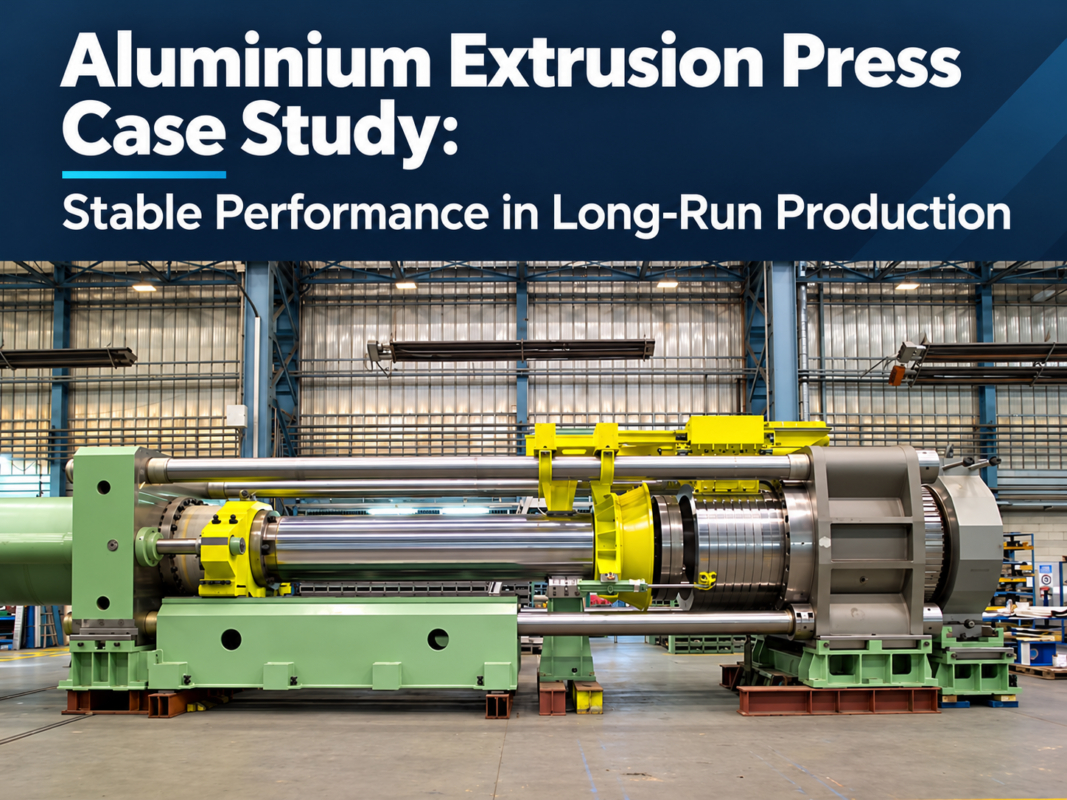
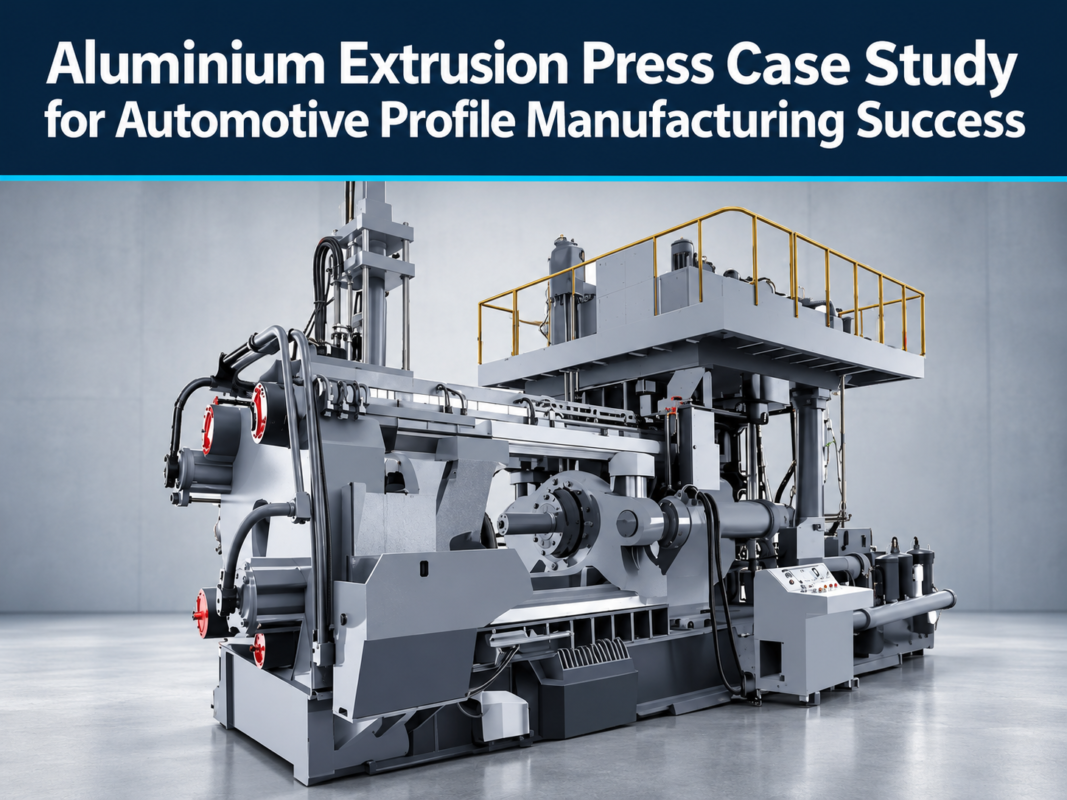
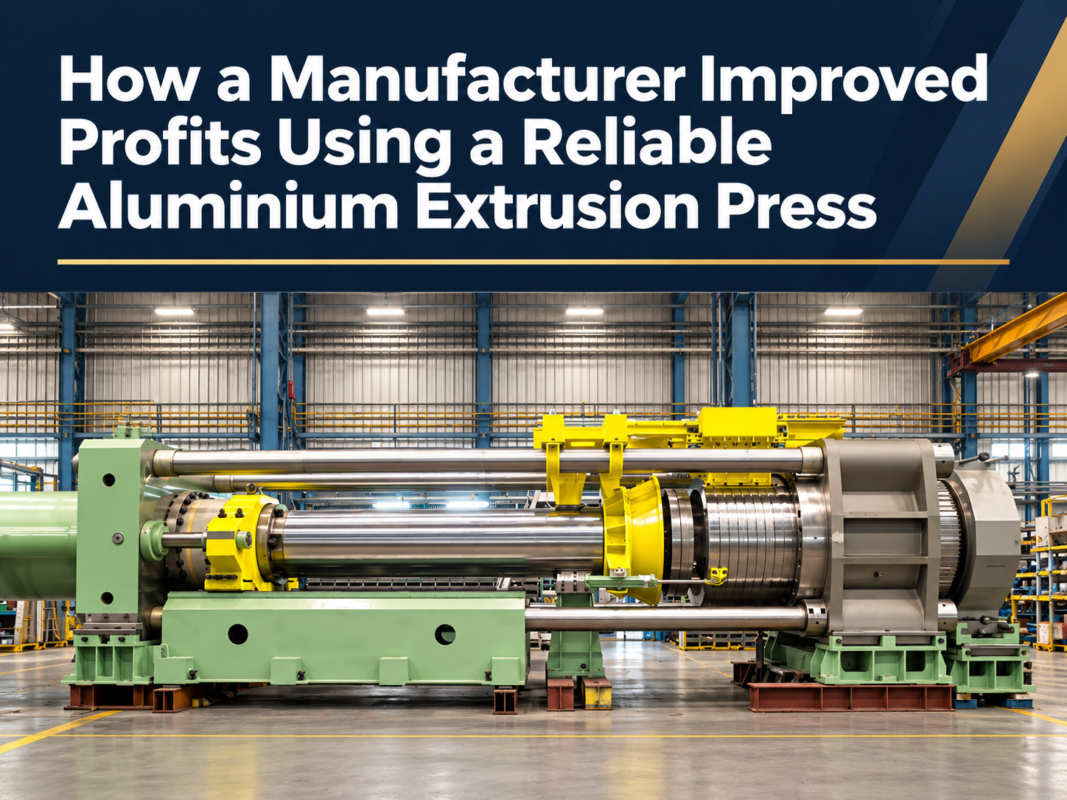
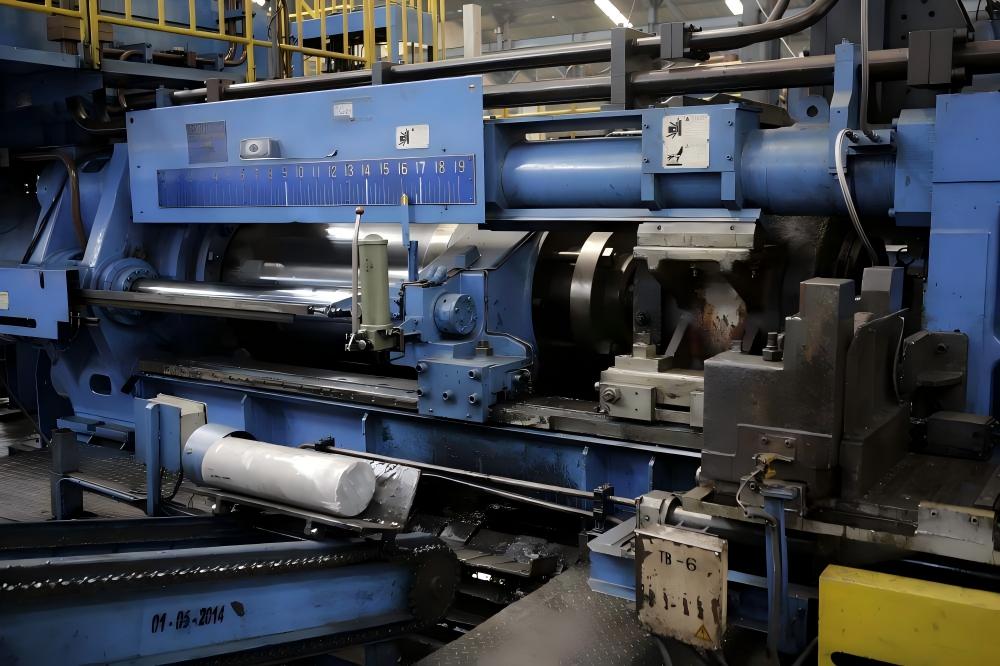
The technical superiority of a modern aluminium extrusion press lies in its hydraulic architecture and structural rigidity. The main cylinder is designed to provide a constant, uniform force, which is essential for maintaining the structural integrity of complex aluminium profiles. By utilizing advanced proportional valve technology, the press can adjust its speed dynamically, ensuring that the material flows through the die at the precise rate required for the specific alloy and profile geometry.
Temperature management is another technical pillar of success. Aluminium extrusion is highly sensitive to billet temperature. If the billet is too cold, the pressure required to extrude it increases, potentially damaging the die or the press. If it is too hot, the surface finish of the profile suffers. Modern presses incorporate induction heating systems that bring the billet to the exact temperature required within seconds, ensuring consistent material flow and superior surface quality from the very first meter of production.
The structural design of the press frame is equally important. HARSLE presses are engineered with high-tensile steel to minimize deflection under load. When the press frame remains rigid, the alignment between the container, the die, and the ram is maintained perfectly. This precision prevents uneven wall thickness in the extruded profiles, which is a common cause of rejection in high-speed manufacturing environments.
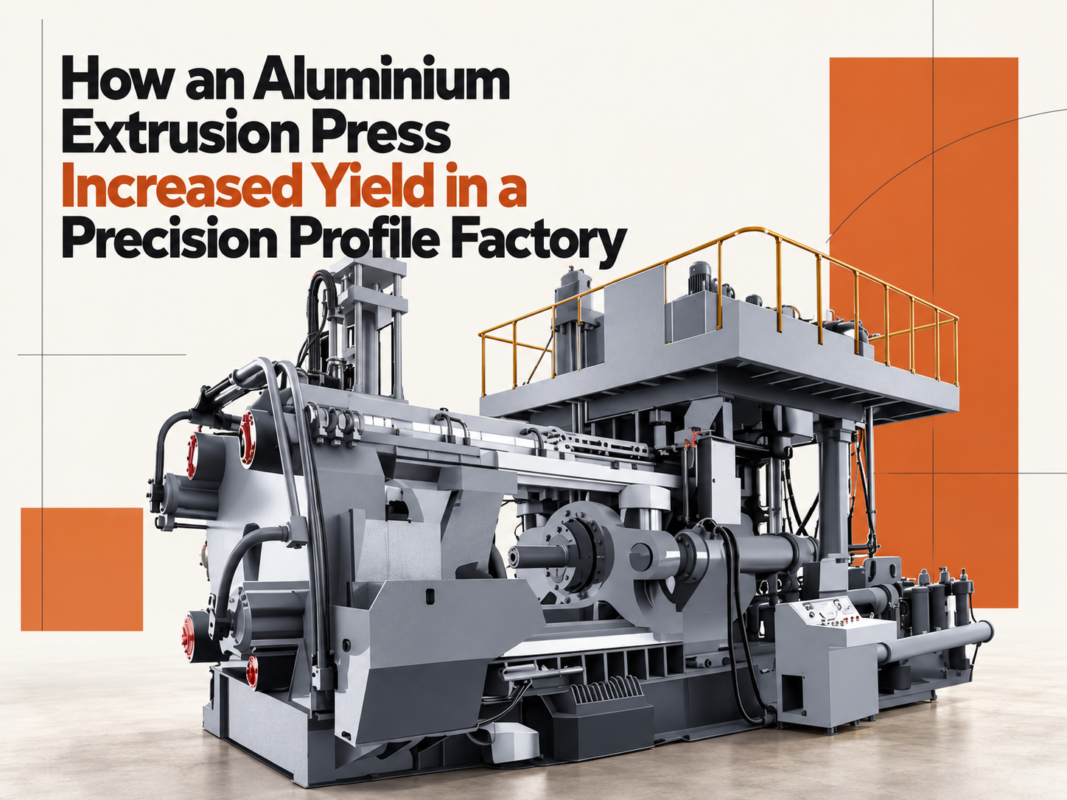
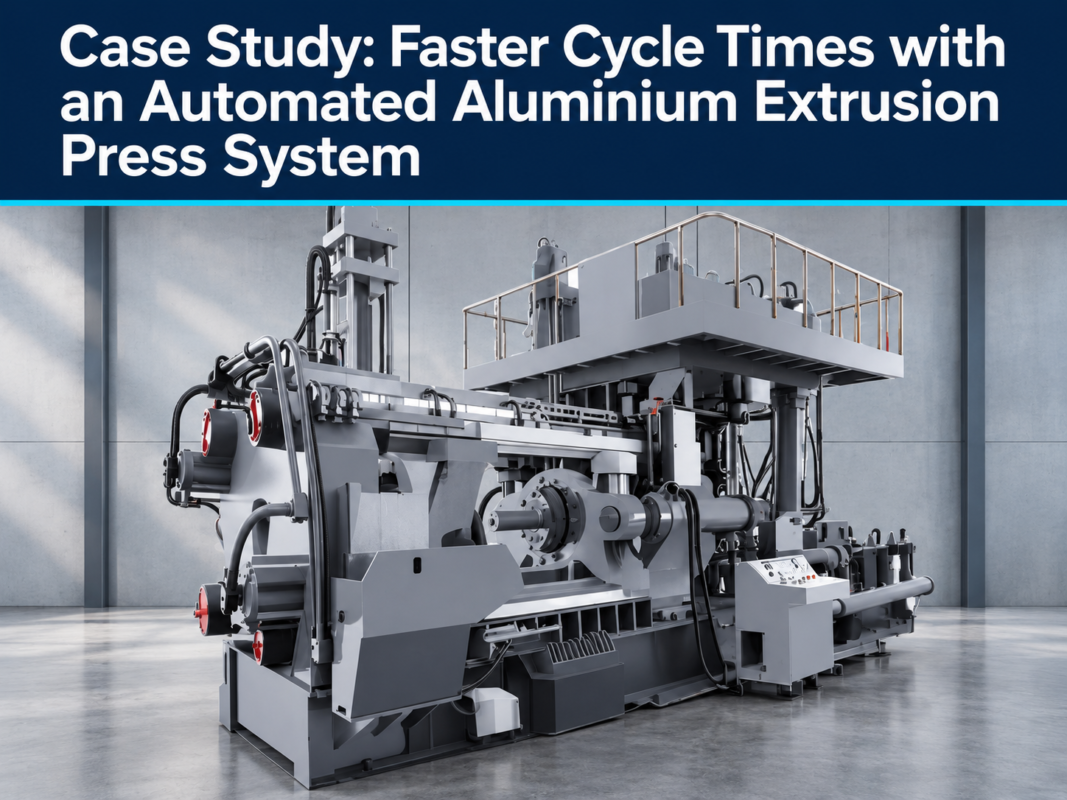
Furthermore, the automation of the billet loading and scrap shearing processes significantly reduces the ‘dead time’ between extrusion cycles. By automating these auxiliary tasks, the press can achieve a higher number of cycles per hour. This increase in cycle frequency is the primary reason why an aluminium extrusion press helped a factory meet tight delivery deadlines, as it effectively increases the total output capacity of the facility without requiring additional floor space.
Selection Advice for Metal Fabrication Equipment
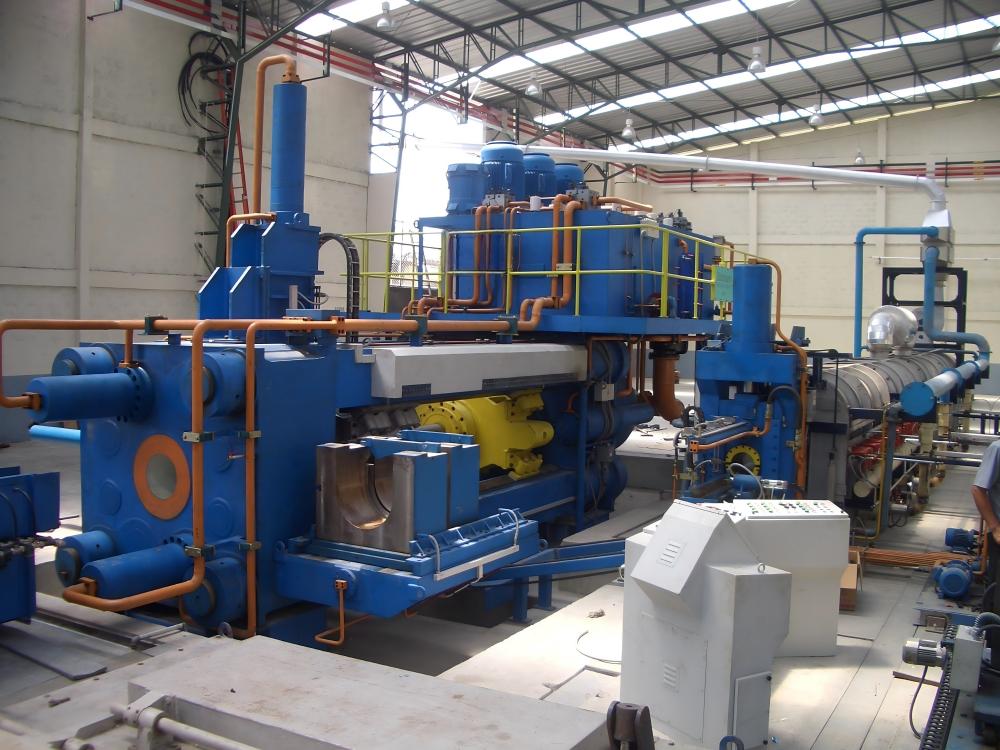
Choosing the right aluminium extrusion press is a significant capital investment that requires careful planning. The first step is to define your production requirements clearly. Are you focusing on high-volume, simple profiles, or low-volume, complex architectural shapes? The tonnage of the press should be matched to your maximum profile size and the alloy hardness you intend to process. Over-specifying can lead to unnecessary energy costs, while under-specifying will lead to frequent machine stalls.
Consider the level of automation you require. If your factory operates on multiple shifts, investing in an automated billet handling system and an integrated cooling table will pay for itself in labor savings and increased throughput. Look for manufacturers like HARSLE that offer modular designs, allowing you to upgrade your system as your business grows. This scalability is vital for long-term ROI.
Maintenance support is another crucial factor. An extrusion press is a heavy-duty machine that requires regular servicing to remain at peak performance. When evaluating a supplier, look for their track record in after-sales support, the availability of spare parts, and the ease of remote diagnostics. A machine that is down for a week waiting for a part is a machine that is failing to meet your delivery deadlines.
Finally, prioritize safety features. Modern presses should come equipped with light curtains, emergency stop systems, and comprehensive safety guarding. Not only does this protect your workforce, but it also ensures compliance with international safety standards, preventing costly legal issues or operational shutdowns that could jeopardize your delivery schedule.
FAQ
How does an aluminium extrusion press improve production speed?
It improves speed by automating the billet loading, heating, and extrusion cycles, reducing manual intervention and minimizing the time between cycles. High-precision controls also reduce the need for re-work due to defects.
What is the most important factor when choosing an extrusion press?
The most important factor is matching the press tonnage and capacity to your specific production needs, combined with the reliability of the hydraulic system and the quality of the manufacturer’s technical support.
How often should an aluminium extrusion press be maintained?
Preventative maintenance should be performed according to the manufacturer’s schedule, typically involving daily checks of hydraulic fluid levels, weekly inspection of seals and valves, and quarterly deep-cleaning and calibration of the control systems.
Can a smaller factory benefit from an extrusion press?
Absolutely. Smaller, compact extrusion presses are designed for facilities with limited floor space, allowing them to bring production in-house and eliminate the lead times associated with outsourcing, which is a major advantage for meeting tight deadlines.
Fazit
The case study of how an aluminium extrusion press helped a factory meet tight delivery deadlines serves as a powerful reminder that in the manufacturing sector, your equipment is your most valuable asset. By transitioning from outdated, manual processes to a modern, automated HARSLE extrusion system, the factory was able to achieve the consistency, speed, and reliability required to thrive in a competitive market.
Investing in the right metal fabrication equipment is not just about buying a machine; it is about investing in the future of your business. Whether you are looking to reduce scrap rates, increase your daily output, or simply ensure that you never miss a client deadline again, a high-performance aluminium extrusion press is the solution. With the right selection, proper maintenance, and a commitment to operational excellence, your factory can transform its production capabilities and set a new standard for delivery performance in your industry.