Why Is the Double-Shaft Shredder Control Panel Showing an Error Code? A Comprehensive Troubleshooting Guide


Introduction
In the demanding world of metal fabrication and industrial waste management, the double-shaft shredder stands as a cornerstone of efficiency. These robust machines are engineered to reduce bulky materials into manageable sizes, facilitating recycling and disposal processes. However, even the most reliable HARSLE machinery can occasionally encounter operational hurdles. If you find yourself asking, “Why is the double-shaft shredder control panel showing an error code?” you are not alone. Understanding these signals is the first step toward restoring peak productivity.
Error codes on a control panel are not merely inconveniences; they are sophisticated diagnostic tools designed to protect the machine from catastrophic failure. When the PLC (Programmable Logic Controller) detects an anomaly—whether it be a motor overload, a sensor misalignment, or a thermal issue—it triggers an alert to prevent damage to the shafts, gearboxes, or electrical components. By interpreting these codes correctly, operators can perform targeted maintenance rather than guessing at the root cause.
This guide serves as a comprehensive resource for industrial operators and maintenance teams. We will explore the technical intricacies of shredder control systems, common triggers for error messages, and the proactive steps required to keep your equipment running smoothly. Whether you are dealing with a minor sensor glitch or a significant mechanical obstruction, this article provides the technical foundation needed to address the issue effectively.
Key Considerations When Troubleshooting Error Codes
When the control panel displays an error, the immediate reaction is often to reset the machine. However, blindly resetting a system without identifying the underlying cause can lead to recurring issues or even permanent damage. The first key consideration is to document the specific code displayed. Most modern HARSLE shredders utilize a standardized alphanumeric code system that corresponds to specific fault categories, such as electrical, mechanical, or safety-related faults.
Safety must always be the primary priority. Before attempting any physical inspection of the shredder, ensure the machine is locked out and tagged out (LOTO). Never reach into the cutting chamber while the machine is powered, even if the error code suggests a minor obstruction. The potential for stored energy in the shafts or hydraulic systems remains a significant risk to personnel. Always consult the specific operation manual provided with your HARSLE unit to cross-reference the error code with the manufacturer’s recommended safety protocols.
Environmental factors also play a critical role in control panel errors. Industrial environments are often dusty, humid, or subject to extreme temperature fluctuations. Over time, these conditions can lead to the degradation of electrical contacts, sensor sensitivity issues, or cooling fan failures within the control cabinet. If your shredder is showing an error code during peak summer heat or in a high-humidity environment, the issue might be related to thermal management rather than a mechanical failure of the shredding mechanism itself.
Finally, consider the history of the machine’s operation. Has the shredder been processing materials outside of its design specifications? For example, attempting to shred high-tensile steel or oversized objects that exceed the torque capacity of the shafts can trigger overload protection codes. Keeping a detailed maintenance log allows operators to identify patterns. If an error code appears consistently after processing a specific type of material, it is a clear indicator that the machine is being pushed beyond its operational limits.
Technical Details: Decoding the Control Panel
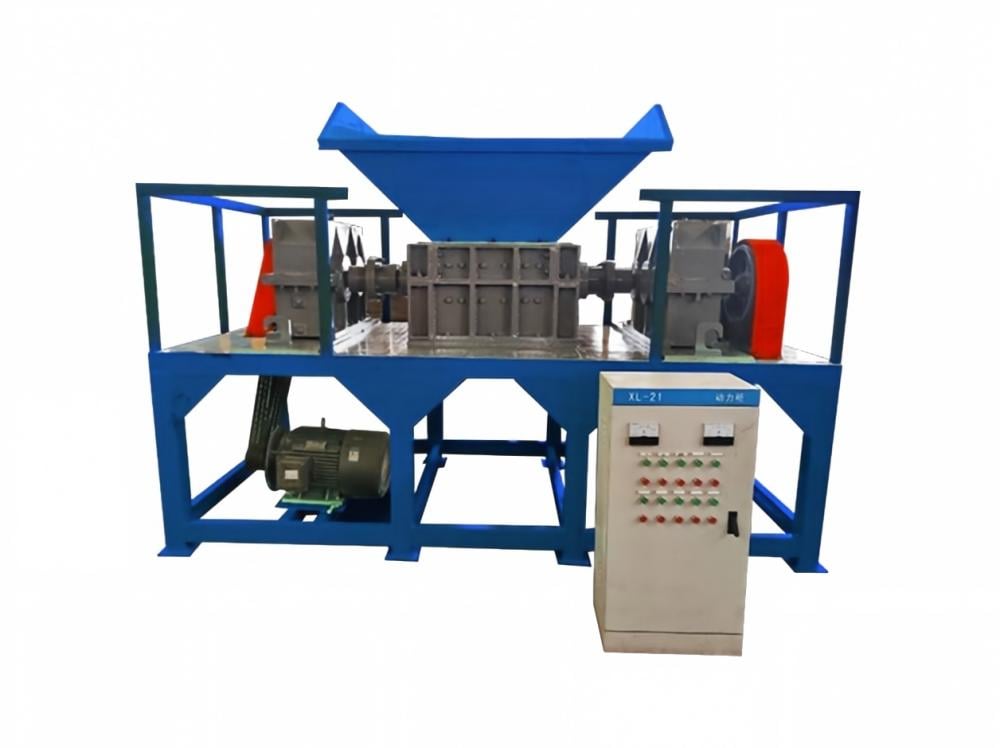
The control panel of a double-shaft shredder acts as the brain of the operation. It monitors various inputs from sensors located throughout the machine, including motor current, shaft rotation speed, temperature, and emergency stop status. When the input from any of these sensors deviates from the pre-programmed parameters, the PLC triggers an error code. Understanding this feedback loop is essential for effective troubleshooting.
One of the most common technical triggers for an error code is the “Motor Overload” fault. This occurs when the current draw of the electric motor exceeds the rated amperage for a sustained period. This is often caused by material jamming between the shafts or the introduction of non-shreddable items, such as heavy-duty steel plates or concrete blocks. The control panel detects this spike in current and shuts down the system to prevent the motor windings from burning out.
Sensor-related errors are another frequent occurrence. Modern shredders rely on proximity sensors to monitor shaft rotation and material levels. If these sensors become covered in dust, metal shavings, or debris, they may fail to send a signal to the PLC. The control panel, perceiving a lack of signal as a potential malfunction, will display a “Sensor Fault” or “Rotation Error.” Regular cleaning and calibration of these sensors are vital to maintaining the integrity of the control system.
Communication errors between the PLC and the Variable Frequency Drive (VFD) can also manifest as cryptic codes on the display. The VFD controls the speed and torque of the shredder motors. If the communication cable is damaged, or if there is electromagnetic interference from other heavy machinery in the facility, the control panel may lose contact with the drive. This usually results in a “Communication Loss” or “Drive Fault” error, which requires a check of the wiring harnesses and shielding.
Selection Advice: Choosing the Right Shredder for Your Needs
Preventing error codes starts long before the machine is installed. Selecting the right double-shaft shredder for your specific application is the most effective way to minimize downtime. When evaluating HARSLE models, consider the material density, throughput requirements, and the physical characteristics of the waste stream. A machine that is undersized for the task will constantly trigger overload errors, leading to premature wear and increased maintenance costs.
Consider the torque-to-speed ratio. Applications involving high-density metals require high-torque, low-speed shredders. These machines are designed to “bite” through tough materials without stalling. If you select a high-speed, low-torque machine for heavy metal fabrication waste, you will inevitably face frequent jam-related error codes. HARSLE offers a range of configurations tailored to specific industries, ensuring that the motor and gearbox are perfectly matched to the expected load.
Another factor to consider is the control system’s flexibility. Advanced control panels allow for programmable reverse cycles. When the shredder detects a jam, it can automatically reverse the shafts to clear the obstruction before resuming forward rotation. This feature significantly reduces the frequency of manual interventions and error code resets. When selecting your equipment, prioritize models that offer customizable PLC programming to suit your specific operational environment.
Finally, look for modular design features. A well-designed shredder allows for easy access to the cutting chamber and electrical components. If the machine is difficult to service, maintenance tasks—such as cleaning sensors or inspecting wiring—will be delayed, leading to more frequent system errors. HARSLE emphasizes accessibility in its design, ensuring that your team can perform routine inspections efficiently, thereby keeping the control panel clear of error messages.
Maintenance Best Practices
To keep your double-shaft shredder operating without error codes, a rigorous maintenance schedule is non-negotiable. Start with daily inspections of the cutting chamber. Ensure that no foreign objects are lodged between the blades or the housing. Even small pieces of debris can cause uneven wear or trigger vibration sensors, leading to operational faults.
Electrical maintenance should be performed on a monthly basis. This includes checking all terminal connections within the control cabinet. Vibration from the shredder can cause screws to loosen over time, leading to intermittent electrical signals that the PLC interprets as errors. Tighten all connections and inspect the wiring for signs of heat damage or insulation wear. Additionally, ensure that the control cabinet’s cooling fans are clean and operational to prevent overheating of the internal electronics.
Lubrication is equally important. The bearings and gearboxes of a double-shaft shredder are under immense stress. If these components are not properly lubricated, the motor must work harder to overcome friction, which can lead to increased current draw and subsequent overload errors. Follow the HARSLE maintenance manual strictly regarding the type and frequency of lubrication required for your specific model.
Finally, keep your software updated. If your shredder utilizes a sophisticated PLC, HARSLE may release firmware updates that improve the machine’s diagnostic capabilities or optimize its response to common operational challenges. Staying up-to-date with these software improvements can help the machine better handle minor fluctuations in load, effectively reducing the number of “nuisance” error codes that stop production.
FAQ: Addressing Common Concerns
Q: What should I do immediately when an error code appears?
A: First, press the emergency stop button to ensure the machine is in a safe state. Consult the error code list in your HARSLE operation manual to identify the specific fault. If the code indicates a jam, perform a lockout/tagout procedure before attempting to clear the material. If the code indicates an electrical fault, contact your maintenance department or HARSLE support.
Q: Can I bypass an error code to keep working?
A: Absolutely not. Error codes are safety features. Bypassing them can lead to severe mechanical failure, fire hazards, or injury to operators. Always address the root cause of the error before resuming operation.
Q: Why does my shredder show an error code only during the first start of the day?
A: This could be due to cold-start issues, such as high oil viscosity in the gearbox or a temporary voltage drop. Ensure your facility’s power supply is stable and that the machine is properly warmed up if required by the manual.
Q: How often should I calibrate the sensors?
A: Sensors should be checked during every major maintenance interval, typically every 500 to 1,000 operating hours. If you notice the machine is becoming less responsive or triggering false alarms, perform a calibration check immediately.
Conclusion
The appearance of an error code on your double-shaft shredder control panel is a signal that the machine is communicating its needs. By viewing these codes as diagnostic allies rather than mere obstacles, you can significantly extend the lifespan of your HARSLE equipment and maintain consistent productivity. Whether the issue stems from a simple sensor obstruction or a more complex electrical fault, a systematic approach to troubleshooting—rooted in safety and manufacturer guidelines—will always yield the best results.
Investing in the right machinery, adhering to a strict maintenance schedule, and training your operators to understand the nuances of the control system are the pillars of industrial success. When you choose HARSLE, you are choosing equipment built for durability and precision. By staying proactive, you ensure that your shredder remains a reliable asset in your metal fabrication workflow, minimizing downtime and maximizing the value of your recycling and waste management operations.
If you continue to experience persistent error codes despite your best efforts, do not hesitate to reach out to the HARSLE technical support team. Our experts are equipped to provide the specific guidance needed to resolve complex issues, ensuring that your facility remains operational and efficient. Remember, a well-maintained shredder is the foundation of a productive metal fabrication environment.