Why Extrusion Press Cylinders Fail Early and How to Avoid Downtime


Introduction: The Critical Role of the Extrusion Press Cylinder
In the high-pressure world of aluminium extrusion, the main cylinder is the beating heart of the operation. When an extrusion press cylinder fails, the entire production line grinds to a halt, leading to significant financial losses, missed deadlines, and costly emergency repairs. Understanding why extrusion press cylinders fail early and how to avoid downtime is not just a maintenance concern; it is a fundamental pillar of operational excellence in metal fabrication.
HARSLE understands that the longevity of your equipment is tied directly to the precision of your hydraulic systems. An extrusion press operates under immense stress, cycling through thousands of tons of force to transform billets into complex profiles. When this process is interrupted by premature cylinder failure, the root cause is often found in overlooked maintenance protocols, fluid contamination, or improper operational stress management.
This guide explores the technical intricacies of hydraulic cylinder failure and provides actionable strategies to maximize the lifespan of your HARSLE aluminium extrusion press. By focusing on proactive care and understanding the mechanical limits of your machinery, you can ensure that your facility remains productive and profitable for years to come.
Key Considerations: Identifying the Root Causes of Failure
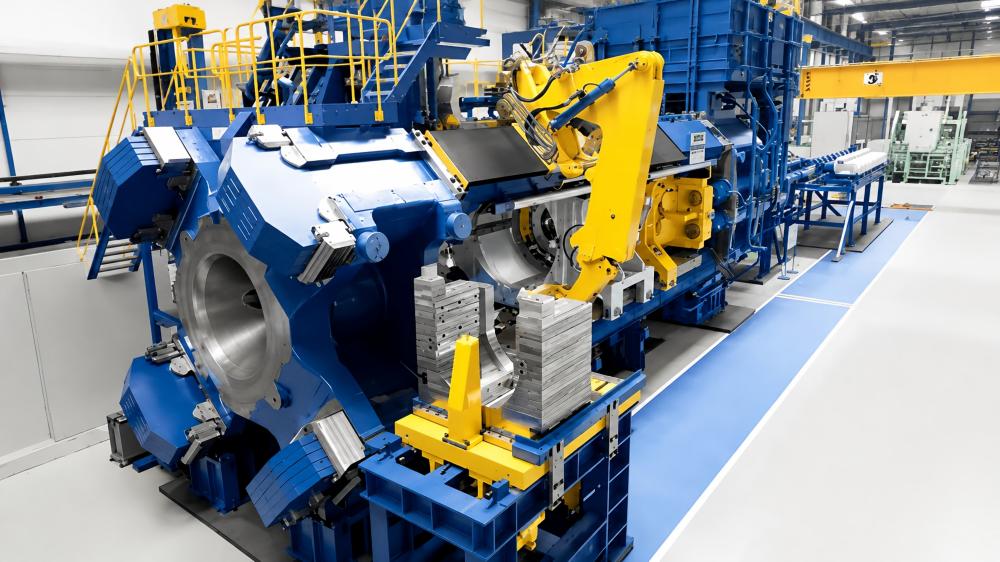
The primary reason extrusion press cylinders fail early is the accumulation of microscopic damage that eventually leads to catastrophic failure. One of the most common culprits is hydraulic fluid contamination. In high-pressure systems, even the smallest particulate matter can act like sandpaper against the cylinder walls and seals, leading to accelerated wear and internal leakage. Contaminants often enter through degraded breather filters or during routine maintenance if the environment is not kept strictly clean.
Thermal stress is another major factor. Aluminium extrusion requires high temperatures, and the heat transfer from the billet to the press components can be extreme. If the cooling systems are not functioning at peak efficiency, the hydraulic seals can harden, crack, or lose their elasticity. Once a seal fails, the pressure drop causes the cylinder to work harder, creating a cycle of degradation that is difficult to reverse. Furthermore, excessive heat can cause the hydraulic oil to oxidize, leading to sludge formation that clogs valves and restricts flow.
Mechanical misalignment also plays a significant role. If the ram is not perfectly aligned with the container, the cylinder experiences side-loading forces. These forces are not accounted for in the original design specifications and place uneven pressure on the cylinder bore and piston rod. Over time, this leads to scoring, galling, and eventual structural failure of the cylinder housing. Regular laser alignment checks are essential to mitigate this risk.
Finally, operator error and improper cycle management contribute to early failure. Pushing the press beyond its rated tonnage or failing to allow for proper pressure equalization during the extrusion cycle can cause pressure spikes. These spikes, often referred to as hydraulic shock, can cause instantaneous damage to seals and internal components, shortening the lifespan of the entire hydraulic assembly. Training operators to recognize the sound and feel of a smooth cycle versus a strained one is a vital, often overlooked, preventive measure.
Technical Details: The Mechanics of Hydraulic Integrity
To prevent failure, one must understand the internal mechanics of the cylinder. The cylinder bore is typically honed to a mirror finish to ensure a perfect seal. Any deviation from this finish—whether through corrosion, scoring, or pitting—will lead to fluid bypass. When fluid bypasses the piston seal, the efficiency of the press drops, and the heat generated by the high-velocity fluid flow further damages the seals. This creates a feedback loop of thermal degradation.
Seal technology has advanced significantly, but even the best seals have a finite life. The choice of seal material must be compatible with the hydraulic fluid used. Synthetic rubber, polyurethane, and PTFE-based seals each have specific temperature and pressure ratings. Using an incompatible seal material is a common mistake that leads to premature failure, as the material may swell, shrink, or degrade when exposed to specific additives in the hydraulic oil. Always consult the HARSLE technical manual before substituting seal brands or materials.
The piston rod is another critical component. It must be chrome-plated or treated with advanced coatings to resist corrosion and wear. If the rod is exposed to the environment, moisture can cause rust, which then acts as an abrasive when the rod retracts into the cylinder. Regular cleaning and the use of protective bellows are essential to maintaining the integrity of the rod surface. Even a microscopic scratch on the rod can act as a conduit for oil to leak past the rod seal, leading to external fluid loss and potential contamination ingress.
Hydraulic system pressure management is equally vital. Modern HARSLE presses utilize sophisticated proportional valves to manage flow and pressure. If these valves are not calibrated correctly, they can cause erratic pressure fluctuations. Monitoring the pressure profile of every cycle allows maintenance teams to identify anomalies before they result in a full-blown cylinder failure. Data logging systems can track pressure trends over time, providing an early warning system for seal wear or valve degradation.
Selection Advice: Choosing the Right Equipment for Longevity
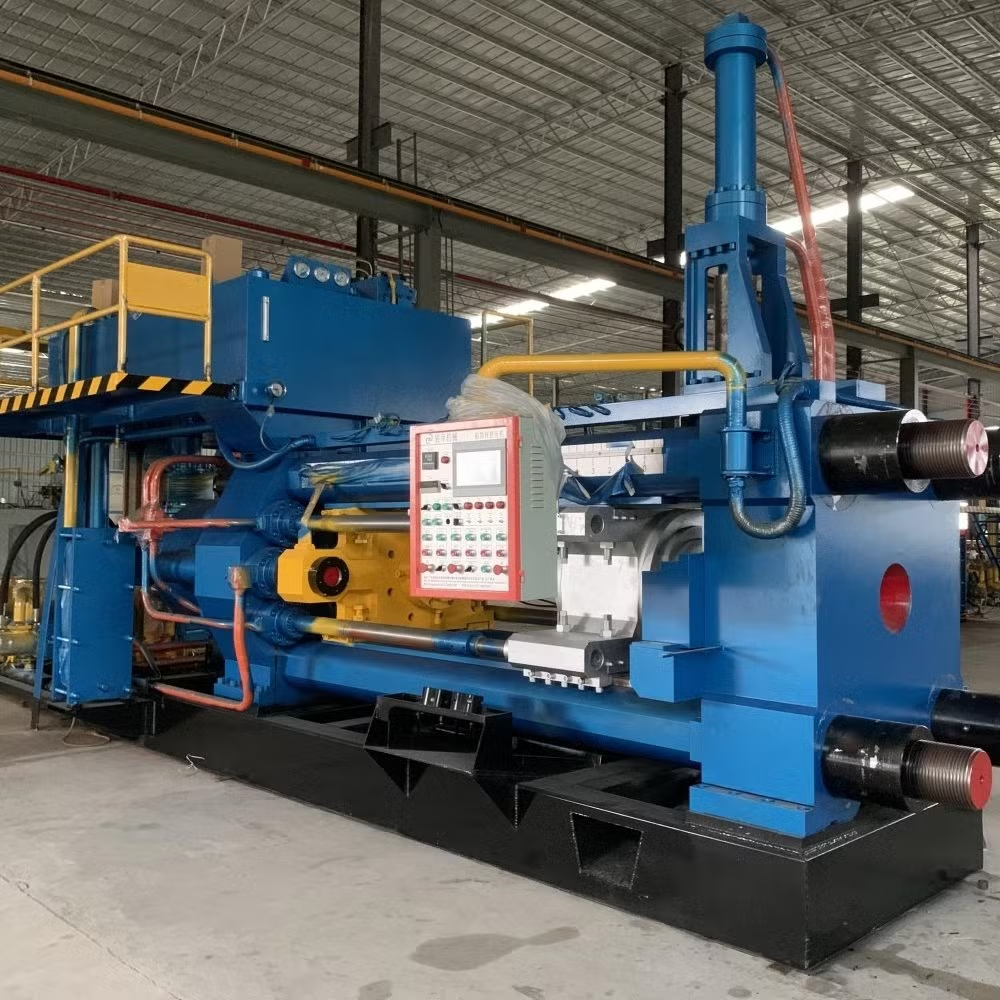
When investing in new metal fabrication equipment, the initial purchase price should not be the only consideration. The durability of the cylinder assembly should be a primary factor in your decision-making process. Look for manufacturers that use high-tensile steel for cylinder barrels and advanced heat-treatment processes to ensure maximum hardness and wear resistance. A cylinder that is over-engineered for the application will always provide a better return on investment through reduced downtime.
Consider the ease of maintenance when selecting a press. A well-designed machine will have accessible hydraulic manifolds, easy-to-replace seal kits, and integrated diagnostic sensors. HARSLE designs its presses with the end-user in mind, ensuring that routine maintenance tasks can be performed efficiently without requiring a complete teardown of the machine. Modular designs allow for faster component replacement, which is critical when every hour of downtime costs thousands in lost production.
Evaluate the hydraulic system’s filtration capabilities. A robust filtration system that includes both return-line and kidney-loop filtration is essential. The cleaner the oil, the longer the cylinder will last. Ask about the manufacturer’s recommendations for oil change intervals and the types of filtration media that are compatible with their systems. Investing in high-efficiency, multi-stage filtration is one of the most cost-effective ways to extend the life of your hydraulic components.
Finally, consider the support and training provided by the manufacturer. A press is only as good as the team operating and maintaining it. Ensure that your staff receives comprehensive training on the specific hydraulic systems of your press. Understanding the nuances of the machine will allow your team to spot the early warning signs of failure, such as unusual noises, temperature spikes, or minor leaks, long before they become critical issues. Partnering with a manufacturer that offers ongoing technical support ensures that you are never left guessing when a complex issue arises.
Preventive Maintenance Checklist for Extrusion Presses
- Daily: Check hydraulic fluid levels and inspect for external leaks around the cylinder and hose connections. Ensure the work area is free of debris that could contaminate the rod.
- Weekly: Analyze hydraulic fluid for particulate contamination and moisture content. Check the condition of breather filters.
- Monthly: Inspect the piston rod for scoring, rust, or signs of uneven wear. Verify that all mounting bolts are torqued to specification.
- Quarterly: Calibrate pressure relief valves and check the performance of the cooling system. Inspect electrical connections for the hydraulic control sensors.
- Annually: Perform a full system flush and replace all primary hydraulic seals as part of a scheduled overhaul. Test the hydraulic pump efficiency to ensure it is not working harder than necessary.
FAQ: Common Questions About Extrusion Press Reliability
How often should I change the hydraulic fluid in my extrusion press?
Hydraulic fluid should be changed based on oil analysis results rather than a fixed time interval. However, in high-production environments, a full system flush and oil replacement every 2,000 to 4,000 operating hours is a standard recommendation to prevent sludge buildup. Always use the oil grade specified by the manufacturer to ensure optimal viscosity at operating temperatures.
What are the first signs of cylinder seal failure?
The first signs are usually a slight drop in extrusion speed, increased heat in the hydraulic reservoir, and minor weeping of oil around the cylinder gland. If you notice these, investigate immediately to avoid a total seal blowout. A sudden increase in the frequency of the pump cycling while the press is idle can also indicate internal leakage.
Can I repair a scored cylinder bore?
Minor scoring can sometimes be honed out, but if the score is deep, it will require re-boring and the installation of an oversized piston or a complete cylinder replacement. It is almost always more cost-effective to prevent the scoring through proper filtration and maintenance. Attempting to fill deep scores with weld material is generally not recommended for high-pressure applications as it creates a weak point.
Why does my press experience pressure spikes?
Pressure spikes are often caused by faulty proportional valves, air trapped in the hydraulic lines, or rapid closing of valves. Ensure your hydraulic system is properly bled and that all electronic control components are calibrated. If the issue persists, check the accumulator pre-charge pressure, as an improperly charged accumulator cannot effectively dampen hydraulic shock.
Conclusion: Protecting Your Investment
The question of why extrusion press cylinders fail early and how to avoid downtime is central to the success of any aluminium extrusion business. By prioritizing hydraulic cleanliness, maintaining proper alignment, and adhering to a rigorous preventive maintenance schedule, you can significantly extend the life of your HARSLE equipment. Remember that the cost of proactive maintenance is always a fraction of the cost of emergency downtime. Invest in the health of your machinery today to ensure the productivity of your fabrication line tomorrow. Consistent attention to detail, from the quality of your hydraulic oil to the training of your operators, will pay dividends in the form of reliable, high-output production cycles.