How to Troubleshoot Power Supply Issues in a Four-Shaft Shredder: A Comprehensive Industrial Guide


Introduction to Four-Shaft Shredder Power Systems
In the demanding world of metal fabrication and industrial waste management, the four-shaft shredder stands as a cornerstone of efficiency. These robust machines are engineered to handle high-torque applications, processing everything from scrap metal to complex industrial waste. However, the complexity of their electrical architecture means that even minor fluctuations in power can lead to significant downtime. Understanding how to troubleshoot power supply issues in a four-shaft shredder is not just a maintenance task; it is a critical operational necessity to protect your investment and ensure consistent throughput.
At HARSLE, we recognize that the power supply system is the heart of your shredding operation. When the machine fails to start, experiences intermittent power loss, or suffers from motor instability, the entire production line grinds to a halt. This guide is designed to provide maintenance engineers and plant managers with a systematic approach to identifying, diagnosing, and resolving electrical faults. By mastering these troubleshooting techniques, you can minimize unplanned downtime and extend the lifespan of your heavy-duty equipment.
Power supply issues in industrial shredders are rarely simple. They often involve a combination of voltage drops, phase imbalances, faulty contactors, or sensor malfunctions. Because four-shaft shredders rely on synchronized motor performance to maintain torque, any disruption in the electrical supply can cause mechanical stress, potentially leading to catastrophic failure of the shafts or gearboxes. Therefore, a proactive approach to electrical health is paramount.
Throughout this article, we will explore the technical nuances of the electrical cabinet, the importance of grounding, and the specific diagnostic steps required to isolate power-related problems. Whether you are dealing with a sudden trip of the main circuit breaker or a persistent “low voltage” error on your PLC interface, this guide will serve as your primary reference for maintaining operational continuity.
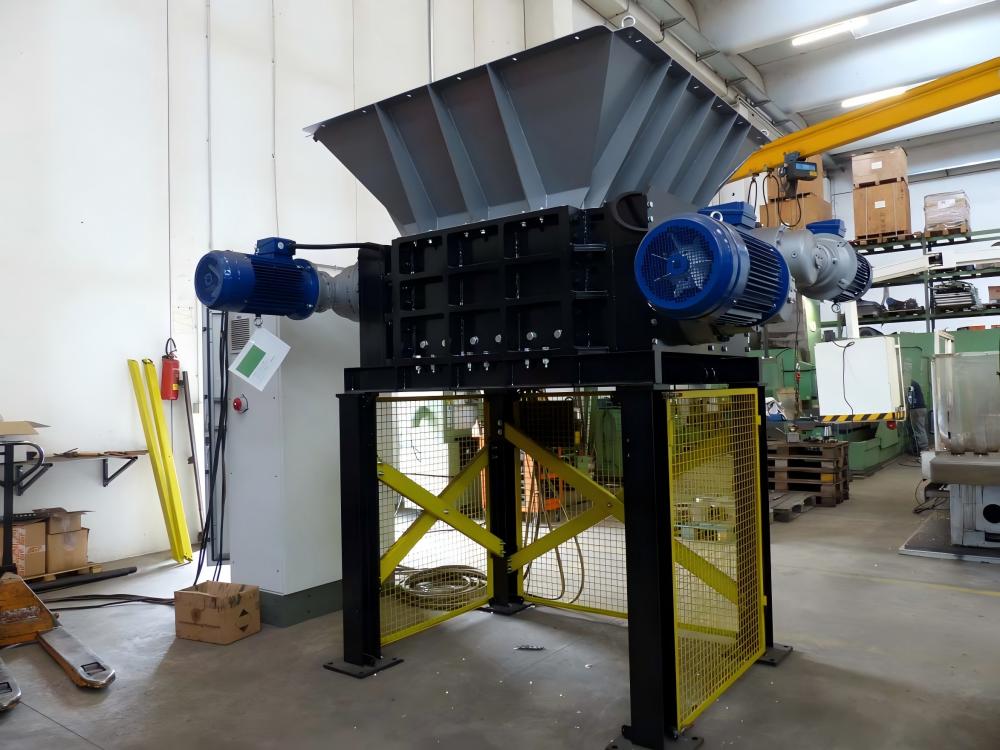
Key Considerations for Electrical System Integrity
Before diving into specific troubleshooting steps, it is vital to establish a baseline for electrical system integrity. The environment in which a four-shaft shredder operates is often harsh, characterized by vibration, dust, and temperature fluctuations. These factors can degrade electrical components over time, leading to loose connections and insulation failure. A clean, organized, and well-monitored electrical cabinet is your first line of defense against power supply issues.
Voltage stability is the most critical factor in the performance of your shredder. Four-shaft shredders utilize high-horsepower motors that require significant inrush current during startup. If your facility’s power grid cannot provide this surge, or if the cabling is undersized, you will experience voltage drops that trigger protective relays. Always ensure that your power supply infrastructure is rated for the peak demand of the shredder, not just the running load.
Grounding and bonding are frequently overlooked aspects of industrial electrical maintenance. A shredder that is not properly grounded can accumulate static charge or suffer from electromagnetic interference (EMI), which can corrupt the signals sent to the Programmable Logic Controller (PLC). This can manifest as “ghost” power issues where the machine stops randomly without a clear error code. Verify that your grounding rods are deep and that all bonding straps are free of corrosion.
Environmental control within the electrical enclosure is equally important. High humidity can lead to condensation on circuit boards, while excessive heat can cause components like contactors and variable frequency drives (VFDs) to overheat and trip. Ensure that cooling fans are operational, air filters are clean, and the enclosure seals are intact. A well-maintained environment prevents the premature failure of sensitive electronic components that manage the power distribution.
Technical Details: Diagnosing Power Supply Faults
When you need to troubleshoot power supply issues in a four-shaft shredder, a methodical approach is required. Start by checking the main power input. Use a digital multimeter to measure the voltage across all three phases at the main disconnect switch. The voltage should be balanced within a 2-3% margin. If you detect a significant imbalance, the issue likely originates from the facility’s power supply or a failing transformer rather than the shredder itself.
Next, inspect the contactors and thermal overload relays. These components are responsible for switching the high current required by the shredder motors. Over time, the contacts can become pitted or welded due to arcing. If a contactor is failing, it may cause intermittent power delivery to one or more motors, leading to a “phase loss” alarm. Visually inspect the contacts for signs of burning or carbon buildup and replace them if necessary.
The Variable Frequency Drive (VFD) is another common point of failure. Modern four-shaft shredders use VFDs to control motor speed and torque. If the VFD displays a “DC Bus Under-voltage” or “Over-voltage” error, it indicates a problem with the incoming power or the internal capacitor bank. Check the DC bus voltage levels using the drive’s diagnostic interface. If the readings are outside the manufacturer’s specifications, you may need to check the input reactors or the drive’s internal power supply module.
Finally, examine the control circuit power supply. This is usually a 24V DC transformer that powers the PLC, sensors, and safety relays. If this supply fails, the machine will appear completely dead, even if the main power is present. Use a multimeter to verify that the 24V output is stable. If the voltage is fluctuating or absent, check the primary fuse and the transformer itself. Often, a short circuit in a field sensor or a damaged cable can pull this voltage down, causing the entire control system to reset.

Selection Advice for Reliable Power Components
When selecting or upgrading components for your four-shaft shredder, quality should always take precedence over cost. Industrial shredders are subjected to extreme mechanical stress, and the electrical components must be robust enough to handle the resulting vibrations. Opt for heavy-duty contactors and circuit breakers that are rated for high-frequency switching and inductive loads. Using components designed for light-duty applications will inevitably lead to premature failure.
Consider the integration of power quality monitoring devices. Installing a smart power meter or a dedicated power quality analyzer can provide real-time data on voltage, current, and harmonic distortion. This data is invaluable for troubleshooting, as it allows you to see if power issues are occurring during specific shredding cycles, such as when the machine is processing particularly dense material. This proactive monitoring can alert you to issues before they result in a full system shutdown.
When replacing cables, ensure that you use shielded, oil-resistant, and vibration-rated wiring. The cable trays and conduits should be properly secured to prevent chafing. In a four-shaft shredder, the constant movement and vibration can cause standard wiring to fatigue and break. Using high-flex cables in areas where movement occurs is a best practice that significantly reduces the risk of intermittent power loss.
Lastly, work with reputable suppliers who provide comprehensive technical support. HARSLE provides detailed wiring diagrams and component specifications for all our shredders. Having access to accurate documentation is essential when troubleshooting complex electrical systems. When purchasing replacement parts, ensure they are compatible with your specific machine model and software version to avoid integration issues that could cause further power instability.
FAQ: Common Questions on Shredder Power Issues
- Q: Why does my shredder trip the main breaker during startup?
A: This is often caused by an inrush current that exceeds the breaker’s rating. Check if the soft-starters or VFDs are configured correctly to ramp up the motor speed gradually. - Q: How can I tell if a phase is missing?
A: A missing phase will often cause the motor to hum loudly and fail to reach full torque. Use a multimeter to check for equal voltage across all three phases at the motor terminals. - Q: Can dust cause power supply issues?
A: Yes, conductive dust can settle on circuit boards and cause short circuits. Ensure your electrical cabinet is sealed and that the cooling system is properly filtered. - Q: What should I do if the PLC shows a communication error?
A: Communication errors are often caused by electrical noise. Check that your communication cables are shielded and separated from high-voltage power lines. - Q: How often should I inspect the electrical cabinet?
A: We recommend a thorough inspection of the electrical cabinet every 500 operating hours, including tightening all terminal connections and checking for signs of overheating.
Conclusion: Maintaining Operational Excellence
Troubleshooting power supply issues in a four-shaft shredder is a skill that combines electrical theory with practical, hands-on experience. By maintaining a clean environment, monitoring power quality, and using high-quality components, you can prevent the majority of electrical failures before they occur. Remember that the safety of your personnel is the highest priority; always follow lockout/tagout (LOTO) procedures before performing any electrical work on your machinery.
At HARSLE, we are committed to the success of your metal fabrication operations. Our four-shaft shredders are built to provide years of reliable service, but their performance is ultimately dependent on the care they receive. By following the guidelines outlined in this article, you will be well-equipped to handle power-related challenges and keep your production line running at peak efficiency. If you encounter a problem that you cannot resolve, do not hesitate to contact our technical support team for expert guidance.
Investing time in understanding your machine’s electrical system is an investment in your company’s productivity. As you continue to operate your four-shaft shredder, keep a detailed log of all electrical maintenance and repairs. This history will be an invaluable resource for future troubleshooting and will help you identify patterns that may indicate the need for a component upgrade or a change in operational procedures. Stay proactive, stay safe, and keep your shredder performing at its best.