How to Troubleshoot Emergency Stop and Sensor Failures in a Double-Shaft Shredder: A Comprehensive Guide


Introduction to Double-Shaft Shredder Safety Systems
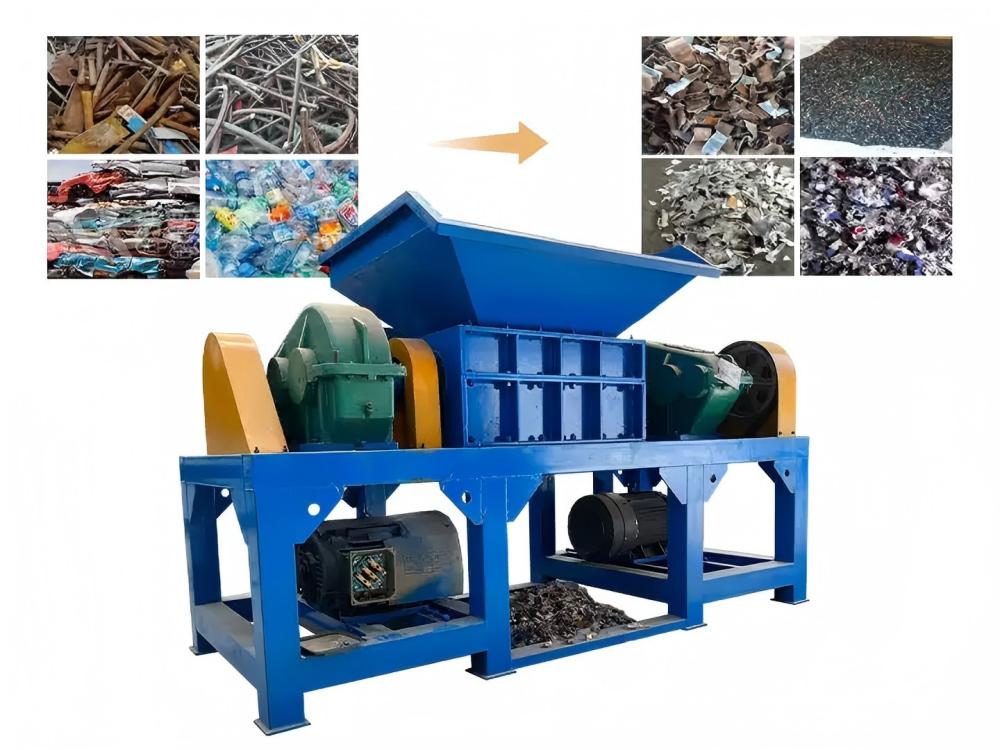
In the demanding world of metal fabrication and industrial waste management, the double-shaft shredder stands as a cornerstone of efficiency. These robust machines are designed to process heavy-duty scrap, turning bulky materials into manageable, uniform pieces. However, the complexity of these systems means that safety mechanisms, particularly emergency stop (E-stop) buttons and proximity sensors, are critical to preventing catastrophic equipment damage and protecting operators. Understanding how to troubleshoot emergency stop sensor failures in a double-shaft shredder is not just a maintenance task; it is a vital safety requirement for any facility manager.
When a shredder unexpectedly halts or refuses to start, the culprit is often a tripped safety circuit or a malfunctioning sensor. These components are designed to be fail-safe, meaning that if the system detects a signal loss or an inconsistency, it will shut down the machine to prevent injury. While this is excellent for safety, it can lead to significant downtime if the maintenance team is not equipped with the knowledge to diagnose the issue quickly. This guide provides a deep dive into the technical aspects of these systems, helping you maintain peak operational uptime.
Key Considerations for Shredder Safety Integrity
Before diving into the technical troubleshooting steps, it is essential to understand the philosophy behind industrial safety circuits. A double-shaft shredder operates under high torque and intense vibration. These environmental factors are the primary enemies of electrical components. Sensors, which are often mounted near the cutting chamber or the drive train, are subject to dust, metal shavings, and constant mechanical stress. Consequently, the first consideration in any troubleshooting effort is the physical environment of the sensor.
Safety integrity levels (SIL) are another key consideration. Modern shredders are equipped with redundant safety loops. If one E-stop button has a loose connection, the entire machine may lock out. It is crucial to recognize that these systems are designed to prioritize safety over production. Therefore, when you troubleshoot emergency stop sensor failures in a double-shaft shredder, you must never bypass these safety features. Bypassing a sensor or an E-stop circuit is a violation of international safety standards and poses a severe risk to personnel.
Maintenance schedules play a pivotal role in preventing failures before they occur. A proactive approach involves regular inspection of cable integrity, terminal tightness, and sensor cleanliness. In a metal fabrication environment, conductive dust can build up on sensors, leading to false triggers or signal degradation. By establishing a routine cleaning and inspection protocol, you can significantly reduce the frequency of unexpected shutdowns.
Finally, documentation is your best tool. Keep a detailed log of every time the machine enters an emergency stop state. Note the conditions, the specific sensor that triggered the event, and the resolution. Over time, this data will reveal patterns—such as a specific sensor failing only during high-load operations—which can point toward underlying mechanical issues like shaft misalignment or bearing wear that might be causing excessive vibration.
Technical Details: Diagnosing E-Stop and Sensor Failures
To effectively troubleshoot emergency stop sensor failures in a double-shaft shredder, you must first understand the signal path. Most industrial shredders utilize a 24V DC control circuit. The E-stop buttons are typically wired in a series loop, meaning if any single button is pressed or if a wire is broken anywhere in the loop, the safety relay will drop out, cutting power to the motor contactors. Using a digital multimeter, you can test the continuity of this loop to isolate which segment of the circuit is open.
Proximity sensors, which monitor shaft speed, material levels, or door closures, operate differently. These sensors often use inductive or capacitive technology to detect the presence of metal or physical barriers. If a sensor fails, the PLC (Programmable Logic Controller) will receive an invalid signal or no signal at all. You should check the LED indicators on the sensor body itself. Most industrial sensors have a status light that illuminates when power is present and when the target is detected. If the light is off despite the target being in place, you likely have a power supply issue or a faulty sensor.
Another common technical failure point is the wiring harness. Because shredders vibrate heavily, wires can become brittle or rub against the frame, leading to intermittent shorts. When troubleshooting, perform a “wiggle test” on the wiring while the machine is in a safe state. If the PLC registers a fault during this test, you have identified a damaged cable or a loose terminal connection. Always inspect the junction boxes near the shredder housing, as these are the most common points for moisture ingress and corrosion.
The PLC input module is the final piece of the puzzle. If the physical sensor is working and the wiring is intact, the issue may lie within the input card of the PLC. Check the diagnostic lights on the PLC module. If the input light does not turn on when the sensor is triggered, the module itself may be damaged or the input address may be incorrectly configured in the software. Always consult the machine’s electrical schematic provided by HARSLE to ensure you are testing the correct terminals.
Selection Advice: Choosing Reliable Components
When replacing sensors or E-stop components, quality should be your primary concern. Industrial machinery guide recommendations emphasize the use of IP67 or IP69K rated components. These ratings ensure that the sensors are protected against dust ingress and high-pressure washdowns, which are common in metal fabrication facilities. Cheap, consumer-grade sensors will fail prematurely in the harsh environment of a double-shaft shredder, leading to recurring maintenance headaches.
Consider the mounting hardware as well. Sensors should be mounted using vibration-dampening brackets. If a sensor is mounted directly to the main frame of the shredder, the constant high-frequency vibration will eventually fatigue the internal electronics of the sensor. Using rubber-isolated mounts can extend the life of your sensors by several years. Additionally, ensure that all cables are routed through flexible, oil-resistant conduit to prevent mechanical damage from falling scrap metal.
When selecting E-stop buttons, look for “positive opening” contacts. These are designed to physically force the circuit open even if the internal contacts have welded together due to an electrical surge. This is a critical safety feature that should never be compromised for cost. Always keep a small inventory of critical spare parts, including at least one spare proximity sensor and one E-stop button, to minimize downtime during a failure.
Finally, consider the integration of smart sensors. Modern industrial machinery is moving toward IO-Link enabled sensors. These devices provide not only the switching signal but also diagnostic data, such as temperature and signal strength. By upgrading to smart sensors, you can move from reactive troubleshooting to predictive maintenance, identifying a failing sensor before it causes an emergency stop event.
FAQ: Common Troubleshooting Questions
- Q: Why does my shredder stop randomly during operation?
A: Random stops are often caused by loose wiring or intermittent sensor signals due to vibration. Check all terminal connections and ensure sensors are securely mounted. - Q: How do I know if a sensor is faulty or if the PLC is the problem?
A: Use a multimeter to check for voltage at the sensor output. If the sensor switches but the PLC input light does not change, the issue is likely in the wiring or the PLC input card. - Q: Can I bypass an E-stop to finish a job?
A: Absolutely not. Bypassing safety circuits is illegal and extremely dangerous. Always repair the fault before operating the machine. - Q: How often should I test my E-stop buttons?
A: We recommend testing all E-stop buttons at the start of every shift as part of your daily safety checklist. - Q: What is the most common cause of sensor failure in shredders?
A: The most common cause is physical damage from flying debris or vibration-induced wire fatigue.
Conclusion: Maintaining Operational Excellence
Troubleshooting emergency stop and sensor failures in a double-shaft shredder is a skill that combines electrical knowledge, mechanical awareness, and a commitment to safety. By understanding the signal paths, respecting the integrity of the safety circuits, and investing in high-quality, vibration-resistant components, you can ensure that your HARSLE shredder remains a reliable asset in your production line. Remember that the goal of these safety systems is to protect your most valuable assets—your employees—and the machine itself.
Regular maintenance, thorough documentation, and a proactive approach to component replacement will pay dividends in the form of increased uptime and reduced repair costs. When in doubt, always refer to the specific electrical schematics and maintenance manuals provided with your equipment. If you encounter a persistent issue that you cannot resolve, contact the HARSLE technical support team for expert guidance. By mastering these troubleshooting techniques, you are not just fixing a machine; you are ensuring the long-term success and safety of your metal fabrication operations.